

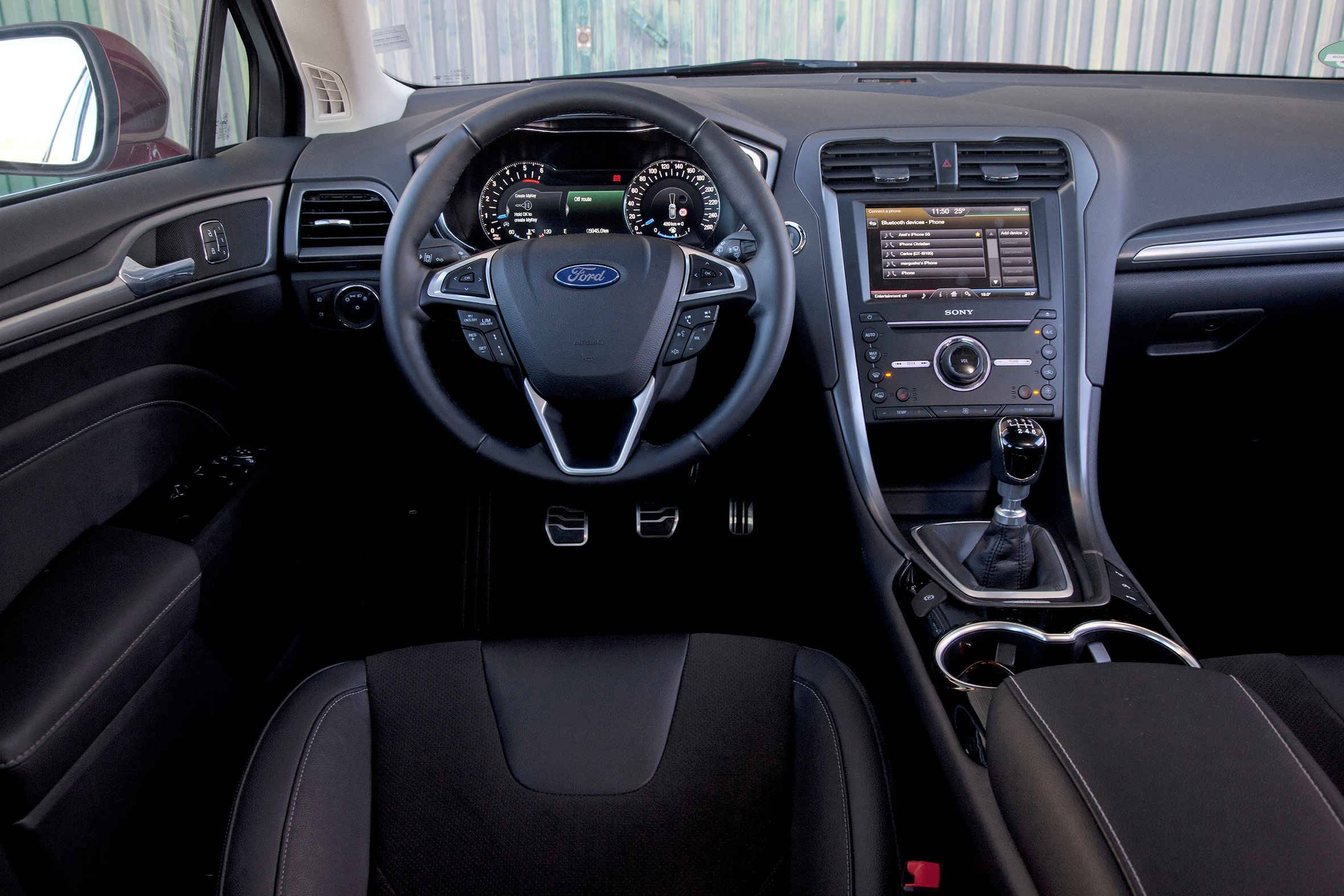
A faulty dual-mass flywheel in your car immediately causes noticeable vibrations, rattling noises and prevents smooth gear changes. A dual-mass flywheel is a component between engine and gearbox that dampens vibrations. This technical part is responsible for damping engine vibrations and plays a major role in driving comfort and the service life of your drivetrain. This problem occurs regularly, especially with popular models such as the Ford Mondeo. Read on to find out how to recognise a failed flywheel and what you can do about it.
What does a dual-mass flywheel do in your car
The dual-mass flywheel is a technical component. It differs from traditional flywheels. Traditional flywheels consist of one solid piece. The dual-mass flywheel consists of two separate parts: a primary and secondary flywheel. These two masses are connected by a torsional vibration damper. This damper absorbs shocks and torque variations in the drivetrain.
Modern four-cylinder diesel engines have powerful power strokes. These occur every 180 degrees. These power strokes introduce vibrations into the drivetrain. Without a properly functioning dual-mass flywheel, the engine would produce rattling or droning noises. This happens especially when engaging or disengaging the clutch.
The main advantages of this system are:
- It moves resonance frequencies outside the normal operating range. This noticeably reduces vibrations.
- Noise reduction for improved driving comfort
- Protection of gearbox and surrounding components
- Smoother clutch operation and a more evenly running engine
‘ This can cause serious damage to the gearbox. ’
Which symptoms point to a faulty flywheel
A dual-mass flywheel starts to wear. Then there are clear warning signs. These symptoms usually increase gradually. They become more severe. The wear progresses over time.
Vibrations and noises you will notice
A vibrating clutch pedal is often the first sign. You feel this in the pedal. It is similar to the vibration of a working ABS system (anti-lock braking system) in the brake pedal. In addition, rattling, rumbling or knocking noises appear. You hear these noises when the engine is running. These vibrations can affect the entire drivetrain. This happens when the clutch is engaged.
Performance problems while driving
You notice vibrations. On top of that you often experience performance issues. The engine runs irregularly. Gear changes feel harsh or notchy. Starting problems are common. When accelerating you notice vibrations. These vibrations significantly reduce driving comfort.
In some severe cases, strong vibrations can occur. These vibrations can cause parts of the dual-mass flywheel to break loose. This can cause serious damage to the gearbox. As a result, repair costs rise sharply.
Causes of dual-mass flywheel failures
A failed flywheel is caused by various factors. Long-term normal wear is the most common cause. The internal springs wear gradually. The friction elements also wear. The component has a limited service life. It wears gradually through use.
Excessive overheating can also cause a problem. The clutch wears excessively. The clutch transfers heat to the flywheel. Internal components wear too much. Then metal-on-metal contact occurs. This accelerates the failure.
Incorrect installation causes problems. You replace clutch components. Bolts are then not tightened to the correct torque. This can lead to premature damage to the dual-mass flywheel.
How expensive is replacement of the dual-mass flywheel
The cost of replacing a dual-mass flywheel varies widely. It differs per model. It also differs per workshop. The part itself costs between 400 and 1,200 euros. This depends on the make of car. It also depends on the engine type. On top of that come labour costs. The gearbox has to be removed. This gives access to the flywheel.
The labour costs are between 400 and 800 euros. This applies in most cases. The total repair is expensive. The total outlay is 800 to 2,000 euros. Many workshops recommend replacing the clutch at the same time. These parts often wear together. The labour for both jobs is similar.
A single-mass flywheel is cheaper to buy. It can be considered as an alternative. This type of flywheel allows engines to rev up faster. However, it produces more noise and vibrations. For everyday use, the dual-mass flywheel remains the better choice. It offers more comfort. It also provides better noise reduction.
‘ Do not ignore the symptoms, because small problems can quickly get worse. ’
Is this a dangerous problem
A faulty dual-mass flywheel is not immediately life-threatening, but it can lead to dangerous situations. In most cases you can continue driving for a short time with suspected problems. This is strongly discouraged.
Parts can break loose. This can severely damage the gearbox. This increases the risk of a breakdown and coming to a standstill. You may come to a standstill in unsafe locations. A faulty flywheel can affect driving stability. Unpredictable vibrations occur during acceleration. They also occur while changing gear.
Swift action is important. Do not ignore the symptoms, because small problems can quickly get worse. Visit a qualified workshop for inspection and diagnosis as soon as possible. Do this as soon as you recognise symptoms.
Professional diagnosis of flywheel problems
During professional diagnosis, mechanics check specific parameters. They determine the condition of the dual-mass flywheel. The free angle is a maximum of 16 degrees. The starter ring gear play is a maximum of 6 teeth. The tilt play does not exceed 2.9 millimetres.
These measurements determine whether the flywheel can still operate safely. They also determine whether it needs to be replaced. A competent mechanic can often establish this within an hour.
Preventive tips for longer flywheel life
Wear cannot be completely prevented. However, you can extend the service life of the dual-mass flywheel. Use the right driving style. Also ensure proper maintenance.
Ensure regular maintenance of clutch components. Do this according to the manufacturer’s specifications. Avoid abrupt clutch operation. Also avoid jerky driving. This puts extra load on the system. Have warning symptoms checked immediately. Otherwise, small problems can grow into expensive repairs.
You replace clutch or flywheel components. In that case, make sure that all bolts are tightened to the correct torque. This prevents uneven loading. It also prevents premature damage.
On the Carnews website you will find information about common car problems. You will also find maintenance schedules. In addition, you will find practical tips for different car makes.
Frequently asked questions
You can often recognise a faulty dual-mass flywheel by rattling or rumbling noises at idle or when accelerating, and clear vibrations in the clutch pedal, gear lever or bodywork. You may also experience jerky or rough gear changes, especially when pulling away or at low revs, and the engine then feels irregular or “lumpy”. Vibrations that increase when accelerating in a high gear or at low revs are typical signals. Take such symptoms seriously quickly, because continuing to drive can eventually damage the clutch and gearbox.
The main causes are normal wear of the internal springs and friction elements in the dual-mass flywheel. In addition, excessive overheating due to slipping or incorrect use of the clutch causes accelerated wear and damage. Metal-on-metal contact in the flywheel when wear is far advanced also leads to faults. Finally, incorrect installation, such as bolts that have not been tightened to the correct torque, can cause defects and faults.
Continuing to drive with a faulty dual-mass flywheel increases vibrations and shock loads in the drivetrain, which leads to more wear on the clutch and gearbox. The rattling and knocking noises can indicate that internal components are coming loose. In the worst case, parts of the flywheel can break off and cause severe damage to the gearbox. As a result, repair costs can become much higher than with timely replacement.
Repairing a dual-mass flywheel itself is in practice (for passenger cars) hardly ever done; if it is faulty it is normally completely replaced with a new DMF. Often, the clutch (pressure plate, clutch plate and release bearing) is replaced at the same time, because the gearbox has to come off anyway. An important alternative is to convert the dual-mass flywheel to a single-mass flywheel with a matching clutch, which can be cheaper but causes more vibrations and noise. The choice between a new DMF, refurbishment (only with specialist companies) or conversion to a single mass depends on cost, desired comfort and how the car is used.
The costs for diagnosing and replacing a dual-mass flywheel vary greatly per car and workshop, but are usually roughly between €800 and €2,000, including labour. The clutch is often replaced at the same time, which can increase the total costs. Labour costs make up a large part of the amount, because the gearbox has to be removed. Always ask your garage for an itemised quote in advance.