
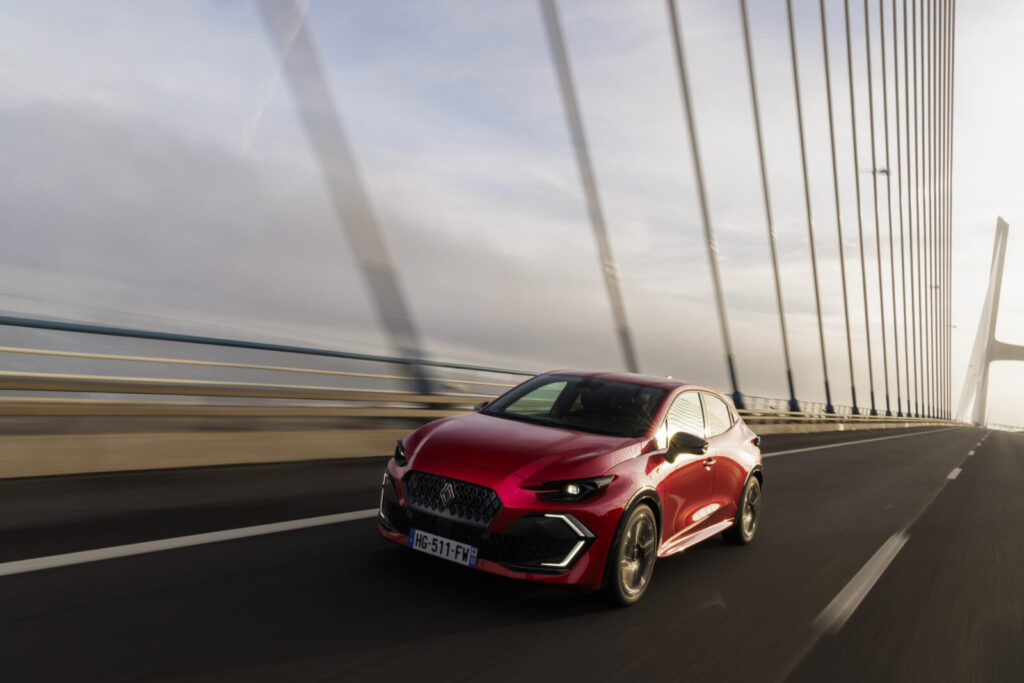
Slipping, juddering and shuddering when pulling away are clear signs that the clutch of your Renault Clio may be due for replacement. These issues are often caused by a worn clutch plate, a faulty pressure plate or a leaking clutch cylinder. Read on to discover how to recognise these problems, what causes them and what you can do about them.
Recognisable signs of clutch wear
The Clio’s clutch often gives clear warning signs before it fails completely. These symptoms occur regularly and are usually easy to feel while driving.
The most frequently reported problem is slipping during acceleration. The engine revs up but the car accelerates less strongly than expected. This often points to wear on the clutch plate and means the complete clutch needs replacing.
Shuddering or juddering when pulling away is another very common sign. Owners mainly report this in first gear, often caused by a pressure plate that no longer engages evenly. The car then feels jerky and the pedal feel becomes inconsistent.
Rattling or vibrations when letting the clutch up can have several causes. In addition to a worn clutch plate, engine mounts or driveshafts can also play a role. A thorough diagnosis is therefore important to identify the exact cause.
‘ This is a clear indication that replacement is needed. ’
Clutch slipping under acceleration
When the clutch starts slipping, you mainly notice it under acceleration. When pulling away or overtaking the car feels sluggish, while the engine is revving harder. This happens because the worn clutch plate no longer has enough grip on the flywheel.
You can test this by driving in a higher gear, for example third or fourth, and accelerating hard at low speed. If the engine revs rise without the car accelerating proportionally, the clutch is slipping. This is a clear indication that replacement is needed.
Continuing to drive with a slipping clutch speeds up wear and can lead to extra damage to the pressure plate or flywheel. That ultimately makes the repair more expensive. At the first signs of slip it is wise to have a garage check how much life is left in the clutch.
Symptoms of a leaking clutch cylinder
A leaking clutch cylinder causes different issues than a worn clutch plate. The pedal then feels heavy or spongy and changing gear becomes more difficult.
Specific symptoms of a faulty hydraulic cylinder are:
- The clutch pedal slowly sinks down while being held in
- The clutch does not fully disengage, making gear changes stiff
- The pedal feels spongy or soft, without a clear biting point
- There is visible brake fluid under the car or around the cylinder
Owners report that this problem sometimes appears after the car has been parked up for a while. The hydraulic release bearing or master cylinder can then start leaking due to ageing seals. Replacing the cylinder solves this, but it is often sensible to combine it with an inspection of the rest of the clutch.
Clutch vibrations while driving
Vibrations that occur when pulling away or when letting the clutch up are often related to uneven wear or a faulty pressure plate. The pressure plate is responsible for pressing the clutch plate evenly against the flywheel.
If the pressure plate is worn, it can no longer apply the same pressure everywhere. This leads to vibrations and juddering, especially at low speeds in first or second gear. The pedal feel also becomes irregular and sometimes the clutch feels as if it is engaging in stages.
Other possible causes of vibrations include worn engine mounts or play in the driveshafts. If in doubt, it is sensible to have not only the clutch checked, but also the engine mounts and the drivetrain. That prevents you from having to repair the same problem twice.
‘ These parts wear together and if the clutch has to be opened up anyway, you save costs by doing everything in one go. ’
Recognising and replacing a faulty pressure plate
A faulty pressure plate often causes the same symptoms as a worn clutch plate, but with subtle differences. Juddering and vibrations are more typical of a pressure plate issue, while slipping mainly points to the clutch plate itself.
The pressure plate is the part that presses the clutch plate against the flywheel. With wear, the spring in the pressure plate can weaken or the contact surfaces can become uneven. This means the clutch no longer engages smoothly.
When replacing the clutch, it is standard practice to replace the whole set: clutch plate, pressure plate and release bearing. These parts wear together and if the clutch has to be opened up anyway, you save costs by doing everything in one go. Many garages also advise this because otherwise you risk another component failing shortly after the repair.
Practical tips for diagnosis and maintenance
If you suspect the clutch is causing problems, there are a few steps you can take before going to the garage. That way you can already get an idea of what is going on.
Check the pedal feel while driving. A heavy or spongy pedal often points to hydraulic issues, while a normal pedal feel with slipping or vibrations usually indicates mechanical wear. Also listen out for strange noises such as rattling or squeaking when you press the clutch.
Carry out the slip test as described earlier: drive in third gear at low speed and accelerate firmly. If the engine revs rise without the speed increasing proportionally, the clutch is worn. This test does not provide a definitive diagnosis, but it does give a strong indication.
If the symptoms are unclear, do not have only the clutch checked. Ask the mechanic also to inspect the engine mounts and driveshafts. That prevents you from repairing what seems like a clutch problem while the cause actually lies elsewhere. A proper diagnosis saves time and money.
Costs and planning for replacement
The cost of replacing a clutch on a Renault Clio varies depending on the model, engine variant and workshop. On average you can expect to pay from several hundred up to well over a thousand euros for parts and labour.
Labour is often the biggest cost item. Replacing a clutch usually takes between four and six hours of work, because the gearbox has to be removed. If other parts are replaced at the same time, such as engine mounts or a release bearing, the labour time can increase.
It is wise to request quotes from several garages and to ask which parts will be replaced. A complete clutch kit with plate, pressure plate and release bearing is often the best choice. That prevents repeat repairs and gives you peace of mind that the clutch will last a long time again.
‘ Continuing to drive will only make the eventual repair more expensive. ’
When immediate action is needed
Some clutch problems may seem temporary, but actually require quick action. If the clutch starts slipping while overtaking or on the motorway, this can create dangerous situations due to reduced acceleration.
If changing gear is increasingly difficult or the clutch no longer fully disengages, you should also stop driving. That can cause damage to the gearbox or other drivetrain components. Continuing to drive will only make the eventual repair more expensive.
With a sudden loss of clutch function, for example if the pedal drops all the way to the floor without resistance, there is often a serious hydraulic problem or a broken cable. In that case you usually can no longer change gear and the car will need to be towed.
On the Carnews website you will find much more information about common car problems, maintenance tips and experiences with different models. Discover more articles and stay up to date with everything you need to know as a car enthusiast.
Frequently asked questions
The most common causes of clutch problems in a Renault Clio are a worn clutch plate, a faulty pressure plate and faults in the hydraulic release bearing, sometimes combined with problems with engine mounts or driveshafts. Typical symptoms are slipping when pulling away (engine revs rise but the car accelerates poorly), juddering or vibrations when pulling away and rattling or vibrating noises when the clutch is being released. A heavy, irregular clutch pedal and poor disengagement or difficulty changing gear also often point to a problem in the clutch system. With these complaints it is usually recommended to have the complete clutch kit checked and often replaced.
Clutch problems in a Renault Clio often cause slipping, vibrations and juddering when pulling away, making the car drive more restlessly and less predictably. Because the clutch no longer engages evenly, pulling away becomes less smooth and you need more revs to get going. With slipping, part of the engine power is lost in the clutch, which means performance (especially acceleration) noticeably deteriorates. In addition, gear changes can become stiffer or more difficult, which further reduces driving comfort and control.
There are no very specific “infamous” generations mentioned for the Renault Clio, but there are recurring issues with certain versions and engine variants. Clio models with a hydraulically operated clutch (with hydraulic release bearing) in particular stand out due to complaints about poor disengagement and difficulty changing gear. In addition, across various model years, clutch slip, juddering when pulling away and vibrations are often linked to a worn clutch plate or pressure plate. In practice it turns out that no single generation really stands out, but that the combination of clutch type, usage conditions and maintenance determines how often problems occur.
You can optimise the lifespan of the clutch in a Renault Clio by pulling away gently, not keeping the clutch pedal half depressed unnecessarily (not “riding the clutch”) and not using the clutch to hold the car on a hill. Change up in good time and avoid hard acceleration with high revs, especially with a cold engine. At early warning signs such as slipping, vibrations or juddering, have the clutch – and immediately also the engine mounts and driveshafts – checked so that early problems do not get worse. If the gearbox has to come out anyway, preventive replacement of the complete clutch kit (plate, pressure plate and – if fitted – hydraulic release bearing) is often the most durable choice.
The average cost of a clutch replacement on a Renault Clio is generally in the range of several hundred euros up to around a thousand euros, depending on the model, clutch type and the garage’s hourly rate. It is a relatively labour-intensive repair because the gearbox has to be removed and the complete clutch kit is often replaced. For a mechanic this is therefore regarded as a repair of medium to high complexity.