
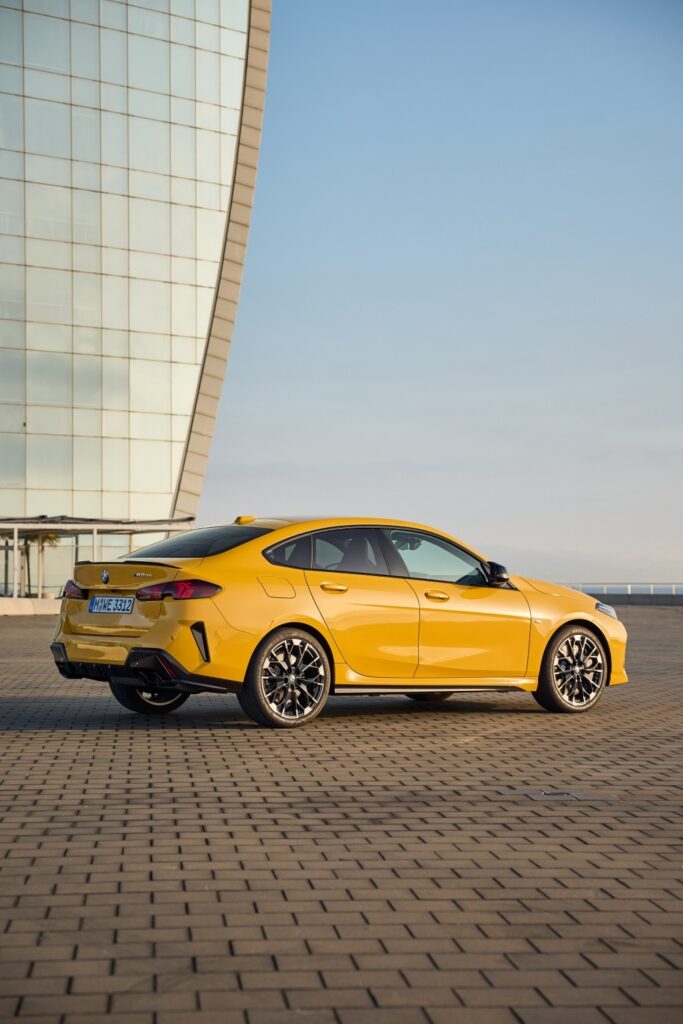
The BMW 2 Series, especially the first generation from 2014–2021, offers sporty driving pleasure at an attractive price on the used-car market. However, specific weaknesses such as timing chain issues, turbo failures and injectors demand extra attention during the pre-purchase inspection. With a thorough check and short oil-change intervals you can avoid expensive surprises and enjoy the performance BMW promises for many years. In this article you can read what you specifically need to look out for.
What to look out for with used BMW 2 Series models?
With a used BMW 2 Series there are four key points you should check during every inspection. Accident damage tops the list, because damage to the bodywork or chassis can cause hidden rust or structural weaknesses. Always ask for the complete service history and have a damage-history check carried out.
The timing chain is the second point of attention. Especially on N20 petrol models from 2014–2015 and N47 diesel variants, the chain stretches prematurely. This causes rattling noises when starting, loss of power and, in the worst case, engine damage. Have a BMW specialist check the chain tension, particularly if the mileage is over 100,000.
The turbo can cause problems at higher mileages, particularly on the powerful M240i. Internal wear shows up as blue or black smoke from the exhaust, noticeable loss of power or warning lights on the dashboard. Fault codes may also appear on the dashboard. Inspect the turbo thoroughly on models from 80,000 kilometres upwards. Injectors can also cause problems on turbocharged models, leading to starting issues, jerky acceleration and misfires. Test the fuel pressure and ask about recent replacements.
‘ It calls for immediate action. ’
Known BMW 2 Series problems by model year
The first-generation 2 Series (F22/F23, 2014–2021) has several weaknesses, which differ per model year and engine version. Models from 2014 and 2015 with the N20 petrol engine are the most vulnerable to timing chain problems. The crankshaft sensor regularly fails, causing stalling and starting problems due to incorrect timing.
From 2016 onwards BMW improved the chain’s reliability somewhat, but checks remain necessary. The water pump often leaks at higher mileages, and this applies to every model year. Leaks lead to coolant loss and overheating. Replace the water pump preventively together with the thermostat during routine maintenance to prevent engine damage.
Electrical faults occur across all model years. Door locks work slowly or make noise, window regulators jam in cold weather and on convertible models (F23) the soft-top mechanism can malfunction. The M240i has been subject to several recalls for airbag issues, passenger seat belts and even windows opening without a key. Always check the recall status via the VIN and have any outstanding items dealt with free of charge by a BMW dealer.
Suspension and brakes: points to watch
Rear axle bolts can work loose or fail, causing knocking noises and unstable handling. This problem occurs on various model years and calls for immediate action. During every inspection check whether the bolts have been tightened to factory specs. With a sporty driving style, the brakes wear faster than average. Choose cars where pads and discs have been replaced recently and inspect the wear indicators carefully.
BMW 2 Series used-car buying checklist
Start with a pre-purchase inspection at a BMW specialist. Budget €300 to €500 for a thorough diagnosis using professional dealer equipment (computer diagnostic systems that can also read hidden fault codes). This investment prevents nasty surprises running into thousands of euros later on. During the inspection, focus on the following points:
- Timing chain: listen for rattling noises on a cold start and ask for a tension check
- Cooling system: look for leaks around the water pump and check the coolant level
- Turbo: watch for smoke from the exhaust and ask for a boost pressure test
- Fuel pressure: test the pump and injectors, especially if there are starting problems
- Rear axle bolts: check they are correctly tightened and listen for knocking noises
- Electronics: test all door locks, window regulators and, on convertibles, the full roof mechanism
- Recalls: request the dealer history and check for any outstanding campaigns
Mileage and service history
Be cautious with models over 100,000 kilometres without a complete service history. The timing chain and water pump fail more often at these mileages. Ask for documented proof of oil changes. The oil-change interval should be short: preferably every 10,000 kilometres instead of the longer factory intervals. This significantly extends the life of the chain and turbo.
Check whether the cooling system has been flushed recently. BMW recommends every four years, but with intensive use this may be needed more often. Owners regularly report coolant leaks in cold periods, so always carry out checks in freezing conditions as well. Ask about fuel consumption. Some 2 Series drivers report disappointing figures of more than 10 litres per 100 kilometres despite modest engine output. This may point to less-than-optimal injectors or turbo.
Test drive and visual inspection
Plan the test drive preferably in cold weather to test the window regulators and door locks, as these fail more often in winter. Drive both in town and on the motorway so you can spot jerky acceleration and loss of power straight away. Listen for unusual engine noises, especially squeaking or rattling that points to chain problems.
Visually check for accident damage to bumpers, wings and the underside. Rust spots indicate previous damage or leaks. Look at the colour of the exhaust smoke. Blue or black smoke points to turbo or piston issues. Test the instrument cluster for fault codes and dim displays, a known electronics problem on this generation.
Money-saving tips
Choose an independent BMW workshop for routine maintenance and repairs. Labour rates are often 30 to 40 per cent lower than at an official dealer, without loss of quality. Replace run-flat tyres with conventional tyres for better comfort and lower replacement costs. Run-flats are more expensive and wear out faster with sporty driving.
Preventive maintenance pays off on the 2 Series. Replace the timing chain preventively at around 100,000 kilometres, even without symptoms. This costs between €1,500 and €2,500 but prevents engine damage of €5,000 or more. Keep a close eye on the oil level and top up at the first warning. Low oil pressure accelerates chain wear significantly.
Advantages of a used BMW 2 Series
Despite the points to watch, the 2 Series offers excellent value for money on the used market. Depreciation is around 38 per cent after five years, which means you can buy a sporty BMW for a fraction of the new price. The M240i delivers excellent performance with relatively few problems, provided it is properly maintained.
Driving pleasure is central to this model. The balance between steering, performance and everyday comfort is still convincing. With the right inspection and short maintenance intervals you can enjoy it for years without major surprises. Focus on models with a full service history and recent replacement of water pump and timing chain for maximum peace of mind.
On the Carnews website you will find much more information about BMW models, known problems by model year and practical buying tips for other makes and types. Discover which used cars best match your needs and what to look out for before you sign on the dotted line.
Frequently asked questions
The most common engine-related problems are a stretching timing chain (especially on N20/N47 engines), failing water pump and, occasionally, fuel pump or turbo wear. During the test drive, listen for rattling noises on a cold start, irregular idling, loss of power, warning lights and rising coolant temperature. On transmissions (automatic) you may notice jolts or thumps when pulling away and upshifting, a delay between pressing the accelerator and the gearbox engaging, or a slipping sensation under full acceleration. With the engine at operating temperature, test several gentle and full-throttle accelerations, pay attention to vibrations in the steering wheel and pedals, and check that downshifts are smooth and free of knocks or clunks. After the test drive always have the car checked for fault codes and have the engine and automatic transmission oil inspected for metal particles.
In the BMW 2 Series, the crankshaft sensor, door lock actuators, window regulators and the (convertible) soft-top module/rear electric module stand out as particularly failure-prone. A defective crankshaft sensor causes starting problems, engine stalling and misfires. Failing door locks and window regulators show up as slow operation or doors and windows that no longer open or close at all. Problems with the convertible roof reveal themselves through slow or jerky opening/closing, warning messages and sometimes a complete refusal of the roof controls.
Yes, there are several specific inspection points on the suspension and brakes of the BMW 2 Series that deserve extra attention. Pay particular attention to the rear axle bolts, which are known for working loose or failing; check for knocking noises and have the bolts re-torqued to factory specification. Also inspect the suspension for play in control arms and ball joints, as this can lead to unstable handling. For the brakes, look for premature wear (discs and pads) and ask about recent replacement and maintenance invoices.
For an older BMW 2 Series you should expect above-average maintenance costs, mainly due to shorter intervals for oil, brakes and tyres, and higher labour and parts prices at BMW specialists. More expensive, well-known repairs include preventive timing chain replacement (especially on N20/N47 engines), a defective water pump/thermostat and possible turbo or high-pressure fuel pump repairs. Suspension work (rear axle bolts, dampers) and electrical faults (lock actuators, windows, convertible roof) can also be costly if several components have to be replaced at the same time. Setting aside an annual budget for maintenance and repairs is sensible, especially for cars over 100,000 km without a complete service history.
The first-generation 2 Series (F22/F23, 2014–2021) with early N20 petrol engines and N47 diesels is relatively more often associated with timing chain problems, water pump issues and some electrical faults; listen for rattling chain noises, watch for coolant loss and warning messages. Later petrol engines, such as those in the M240i, are generally considered more reliable, although you should pay extra attention to turbo condition and timely oil and coolant maintenance. On all generations, wear items such as rear axle bolts, brakes and window mechanisms are points to watch, as is the convertible roof on the F23. Always check the full service history, have a pre-purchase inspection done by a BMW specialist and verify via the VIN that all recalls have been carried out.