
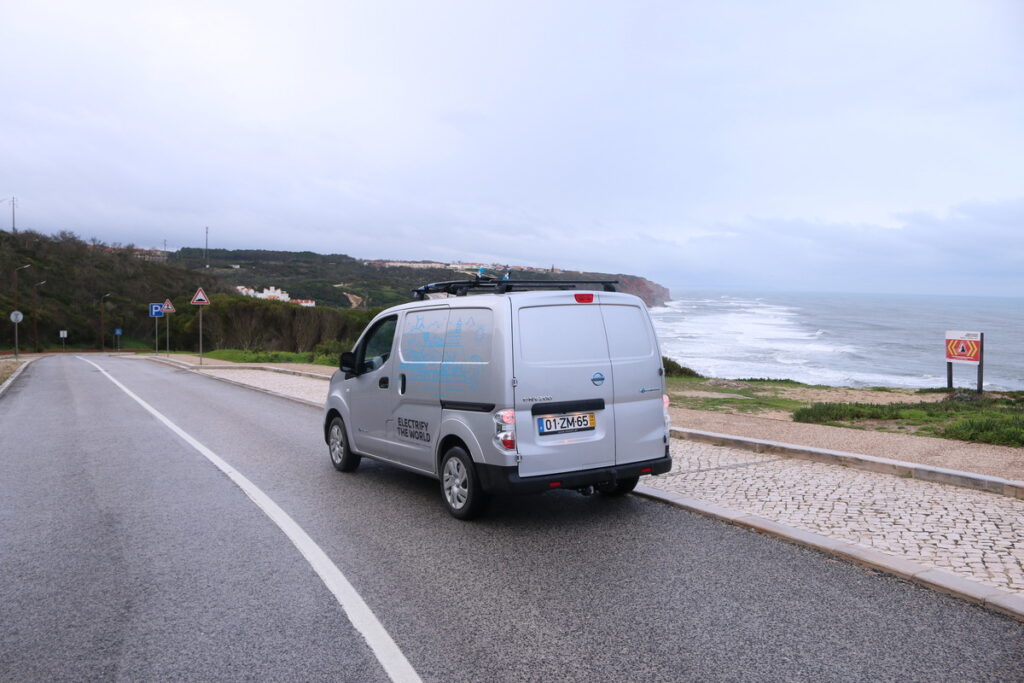
A used Nissan NV200 may look like a practical choice for city transport on paper, but used examples regularly suffer from wear to the transmission, rust and electronic faults at higher mileages. If you know in advance what to look out for, you can avoid costly surprises later and find a reliable example that will last for years to come.
What to look out for with a used NV200?
The NV200 has been on the market since 2009 and offers a load space of up to 4.2 m³ with a payload of 728 kg. This compact van is designed for intensive use, but that also brings vulnerabilities. On used examples with more than 70,000 kilometres, specific weaknesses appear that you need to check in advance.
The most common problems with the Nissan NV200 are concentrated in three areas: electronics, rust and mechanical wear. Rust mainly affects the wheel arches, underbody and rear door. Inspect these areas carefully, as corrosion can spread quickly. Early rust protection prevents further damage.
Electronics are a source of frustration in older models. Failing ESP systems (electronic stability control) occur around 70,000 kilometres, together with starting problems and engine warning lights. The reversing camera can also fail, which led to a recall in 2019. Ask whether these recalls have been carried out.
Technical points to inspect
Before you buy an NV200, you should preferably have these components checked with a specialist:
- Wheel arches, underbody and rear door for rust and corrosion
- ESP system and electronic stability control via diagnostic computer
- Starter motor and engine electronics for fault codes
- Gas struts of doors for cracks or leaks
- Timing belt and clutch plates on examples above 100,000 km
- Air conditioning and windscreen wipers (especially 2018 models)
The 1.5-litre Renault diesel engine is reliable to over 200,000 kilometres if properly maintained. However, wear to clutch plates and the timing belt does occur on poorly maintained examples. Test the vehicle thoroughly and listen for unusual noises when changing gear.
‘ Ignoring recalls increases the risk of failures and safety issues. ’
Avoid used NV200s with known faults
Certain model years and versions suffer more complaints than others. According to owner experiences, 2018 models show problems with windscreen wipers and tyre pressure systems on 22% of vehicles. For 2017 models, complaints are around 18%, mainly due to general wear and tear.
Electric versions such as the E-NV200 need extra attention. These vehicles show maintenance messages such as “maintenance other 1” after around 40,000 kilometres. A visit to the dealer is then recommended to determine the cause. Avoid examples where these messages have been ignored.
Checking recalls
Nissan has carried out several recalls for the NV200. The most important concern the reversing camera and door gas struts. Use the VIN number to check whether these actions have been carried out. A dealer can provide this information within a few minutes.
Ignoring recalls increases the risk of failures and safety issues. This is especially true of electronics that directly affect stability and control while driving. Ask the seller for documentation of completed recalls.
Price advice for a used Nissan NV200
The purchase price of a used NV200 depends on model year, mileage and service history. Examples with a mileage up to 100,000 kilometres are more expensive but carry less risk of costly repairs. On models above 150,000 kilometres, the risk of wear to the transmission and engine increases.
When assessing the value, pay attention to the following factors:
- Complete service history from approved workshops
- Completed recalls and repairs
- Condition of wheel arches, underbody and bodywork
- Operation of electronics and sensors
- Mileage in relation to model year
Models with a documented service history justify a higher price. This investment often prevents more expensive repairs within a few months. So do not only calculate the purchase price, but also the potential short-term maintenance costs.
Assessing mileage
Mileage of up to 200,000 kilometres is achievable with the NV200 if maintenance is carried out consistently. However, avoid poorly maintained examples with high mileage. These vehicles often immediately require investment in timing belt, clutch and electronics.
At higher mileage, run extensive checks for fault codes. A diagnostic computer shows which sensors are causing problems and which systems need attention. This investment of a few tens of euros prevents later disappointment costing hundreds.
Maintenance tips for a long NV200 lifespan
According to owner experiences, regular servicing prevents 80% of problems. Focus on the timing belt, clutch and rust prevention. Have the wheel arches and underbody checked for early signs of corrosion at every service.
Replace sensors in good time when warning messages appear. Many users report no major problems at 200,000 kilometres when electronic components are maintained proactively. Do not wait until faults bring you to a standstill, but plan replacements during regular servicing.
Common maintenance items
- Check the condition of the timing belt every 15,000 kilometres
- Have wheel arches and underbody treated against rust every year
- Replace sensors and electronics immediately when warning messages appear
- Plan clutch replacement at the first signs of wear
- Regularly test the ESP system and have it calibrated if necessary
The air conditioning on the NV200 needs extra attention. Faults occur more often than on competing models. Have the system checked and refilled annually to prevent expensive compressor damage.
‘ For pure transport at low cost, a well-maintained NV200 is a workable option. ’
Overall NV200 reliability
In satisfaction surveys, the NV200 scores an average of 15 out of 20 points. This middling rating is mainly due to electronics and sensitivity to rust. Mechanically, the basics are solid when maintenance is carried out consistently.
Owners who can do their own repairs rate the NV200 more highly. Ease of access to components and predictable wear make this van suitable for DIY enthusiasts. For owners who are fully dependent on workshops, maintenance costs can turn out higher.
Comparison with alternatives
Within the compact van segment, the NV200 offers good value for money. The load space is generous for urban distribution and fuel consumption remains acceptable. Weaknesses mainly lie in fit and finish and electronics, where some rivals perform better.
Weigh up what your priorities are when making your choice. For pure transport at low cost, a well-maintained NV200 is a workable option. If you want more comfort and modern driver assistance systems, newer alternatives deserve attention.
On the Carnews website you will find much more information about Nissan models, common car problems and practical maintenance tips. Discover more articles and expand your knowledge about reliable used cars and smart buying strategies.
Frequently asked questions
The most common technical problems with a used Nissan NV200 are rust on wheel arches, underbody and tailgate, electronic faults (including ESP, sensors, reversing camera), wear to clutch and timing belt, and faults with air conditioning/windscreen wipers. Rust repairs can range from around €300–€800 for local welding and paintwork to well over €1,000 in the case of serious underbody damage. Replacing sensors/ESP components and the camera is roughly between €150–€700 depending on parts and labour. For clutch and timing belt you should expect to pay around €600–€1,200 at an independent garage.
It is only financially sensible to buy an NV200 with known defects if you have clearly identified the causes and repair costs in advance (rust, electronics, clutch/timing belt can be expensive). If you can do a lot of repairs yourself and the defects are limited and clear (for example sensors, minor electronics, light rust), it can be cheaper than buying an example without faults. With structural rust, major engine or transmission problems or unclear fault codes, there is a high chance that the total costs will be higher than for a well-maintained model. Always have an independent pre-purchase inspection done and compare the total costs (purchase + repairs + risk buffer) with the price of a good example.
With a problem example of a Nissan NV200, the bodywork and underside deserve particular attention because of rust, especially wheel arches, underbody and tailgate/door structures. Check the electronics and sensors thoroughly (ESP, warning lights, starting problems, reversing camera) and have fault codes read. Have the engine and transmission specifically inspected for wear on the 1.5 dCi (oil/coolant leaks, timing belt) and the clutch. Finally, pay extra attention to air conditioning, windscreen wipers, brakes and suspension, and check whether all recalls have been carried out.
Timely and professional repairs of common Nissan NV200 problems (such as rust, sensors, ESP and timing belt) improve practical reliability and reduce the risk of breakdowns or costly consequential damage. A documented service history and completed repairs inspire confidence in buyers, so the residual value is often higher than for examples where deferred maintenance is visible. In particular, rust that has been properly treated and documented replacement of wear parts make the vehicle more attractive on the used market. Conversely, unprofessional or half-hearted repair work can actually undermine reliability and depress the residual value.