
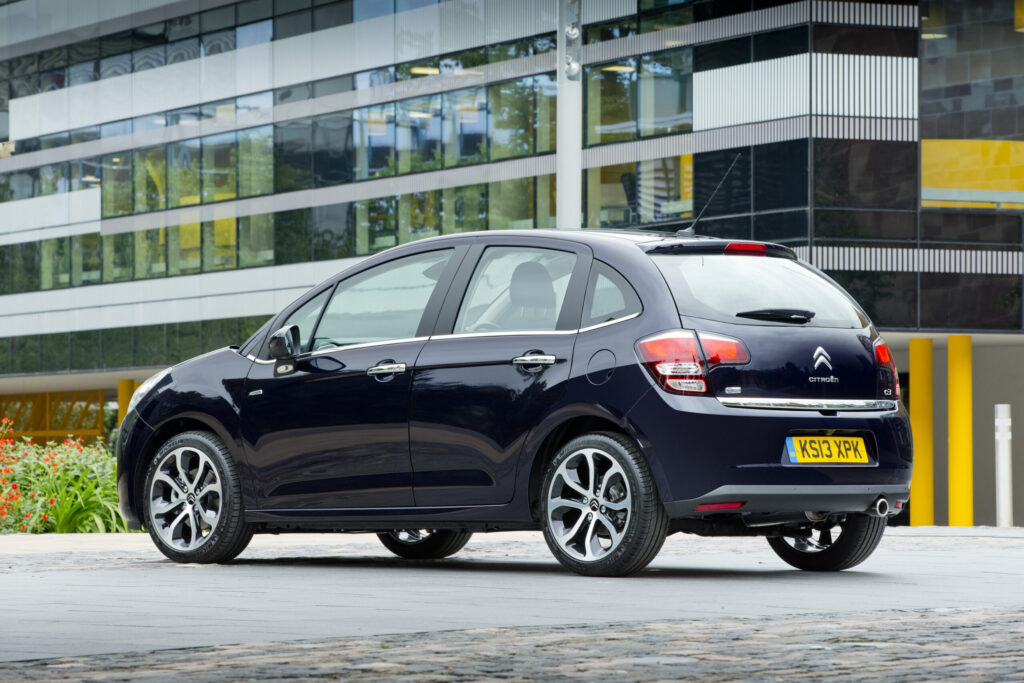
Thinking of buying a used Citroën C3? Then pay particular attention to the timing belt, transmission, suspension and electrical faults to avoid costly surprises. Cars built before 2016 need extra checking, because these models are vulnerable to specific technical issues. Want to know exactly what you should inspect before you sign on the dotted line?
Why is the timing belt the biggest risk?
The timing belt is a critical component on older C3s. In the Citroën C3 with the 1.2 PureTech petrol engine, this belt can wear prematurely or even snap. This happens mainly on cars built before 2016. If the belt breaks, it causes internal engine damage that can lead to repair bills running into the thousands of euros.
Always ask to see maintenance invoices during the viewing. Check whether the timing belt has already been replaced or inspected by a professional. A C3 without clear evidence of belt maintenance is a risk you are better off avoiding. A slightly more expensive car with a demonstrably replaced belt is often cheaper in the long run than a rock-bottom bargain with no service history.
Also keep an eye on oil consumption. The PureTech engine requires the correct specification of engine oil and regular oil changes. Driving too long between services or using the wrong oil can cause additional wear to the belt sprockets and cylinder head.
Which transmission problems are common?
The C3 is mainly sold with a manual gearbox. Fewer than one in ten used examples has an automatic. With manuals, the clutch should feel smooth and take up without hesitation. Do you hear clicking or grinding noises when changing gear? Then the gearbox may be suffering from wear.
During the test drive, pay attention to:
- Smooth gear changes without jolts or hesitation
- Normal clutch bite point, not too high or too low
- No clutch slip when pulling away
- No metallic noises when shifting gear
With automatic gearboxes it is especially important to check whether the fluid has been topped up or changed on time. Automatics can be more expensive to repair, so ask about the service history.
What should you check on the suspension?
The Citroën C3 is known for its soft, comfortable suspension. That makes it pleasant in town and on shorter journeys. But that soft set-up also means that dampers and springs wear out more quickly, especially if the car has often been driven fully loaded or on poor road surfaces.
During the test drive, deliberately drive over bumps and speed humps. Does the suspension still sound muted and controlled, or do you hear knocking and rattling noises? Check whether the car continues to bounce after an uneven surface. A sagging suspension often also leads to uneven tyre wear and reduces handling.
Also check for:
- Oil spots under the car indicating leaking shock absorbers
- Car leaning to one side or uneven tyre tread wear
- Knocking through the steering wheel over bumps
- Worn bushes in the suspension or steering rack mounts
Replacing dampers and springs is not cheap, but is essential for safety and comfort. Factor this into your budget if you are looking at a C3 with higher mileage.
Electrical faults you need to check
Electrical issues are fairly common on used C3s. This is especially true for the infotainment systems, central locking and air conditioning controls. Some owners report faults with the trip computer screen, failing USB ports or sticking control buttons.
When viewing the car, test all electrical functions thoroughly:
- Air conditioning: does it blow cold and do the controls work smoothly?
- Central locking: do all doors lock and unlock properly?
- Electric windows: do they move without hesitation or grinding noises?
- Infotainment and navigation: does the system connect to your phone?
- Warning lights: are there any alerts on the dashboard?
Minor electrical faults can be fixed easily, but complex software problems or faulty control modules are expensive and sometimes difficult to resolve. Check therefore whether the car has ever been subject to a recall or software update.
Common mistakes when buying a C3
One of the biggest mistakes is focusing on the lowest purchase price without paying attention to the service history. A C3 for a few thousand euros may look attractive, but if the belt has never been replaced and the engine has done lots of short trips, you are taking big risks.
Other common mistakes include:
- Not taking a test drive and relying only on photos and mileage
- Not asking for invoices for servicing and repairs
- Not having the car inspected by an independent garage
- Failing to factor in the cost of overdue maintenance
- Forgetting to check that all keys, documentation and service records are present
Always buy with your head, not your heart. A used C3 with a full service history and a replaced belt is far more appealing than a cheaper car with no proof of careful maintenance.
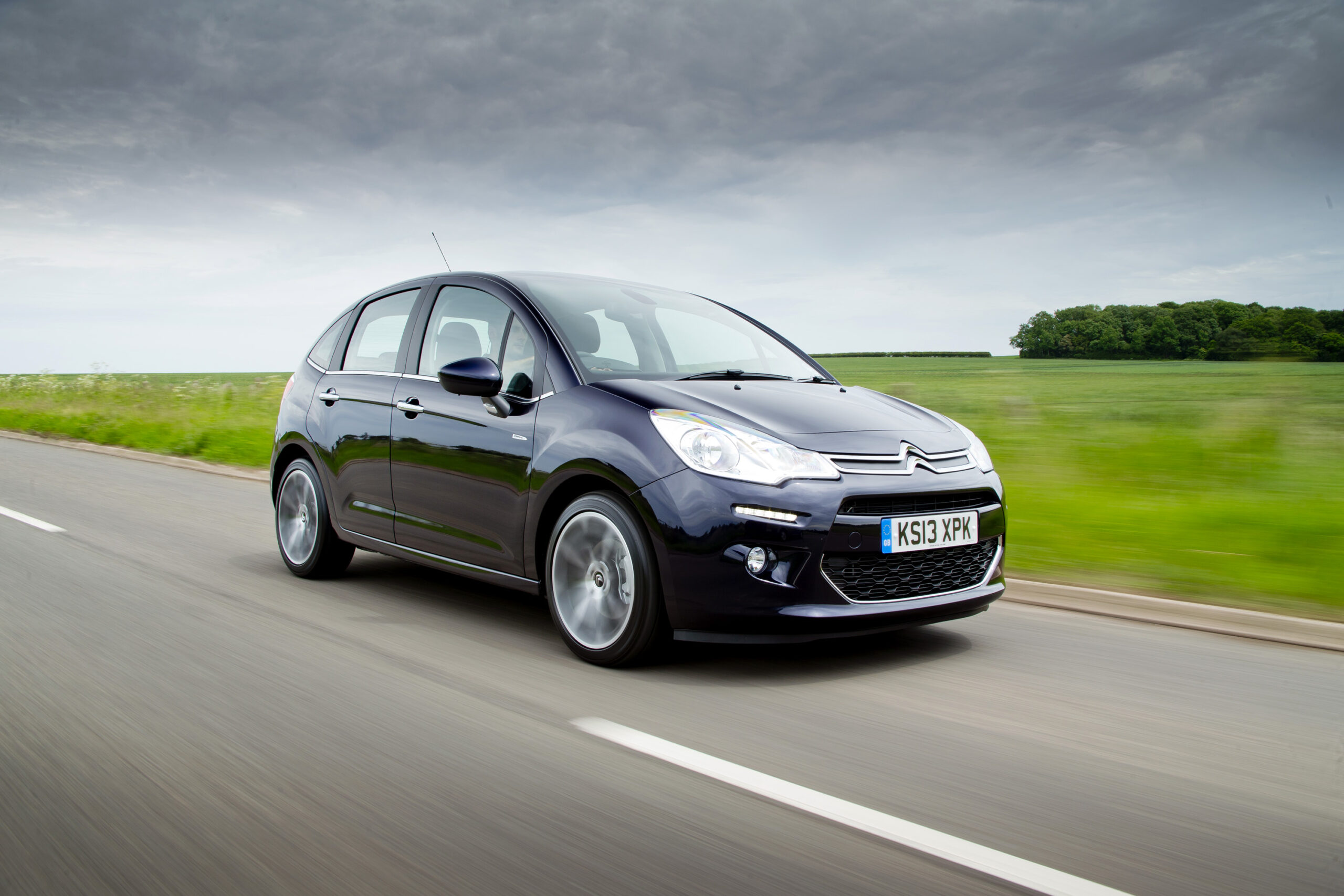
Which version is the most reliable?
On the used market, cars built after 2016 generally suffer less from the well-known belt issues. If you opt for a petrol engine, choose a C3 whose belt has been replaced as a precaution or has been repaired under a recall.
Diesel versions are relatively rare on the Dutch market, but can be interesting for drivers who do a lot of motorway miles. Do bear in mind that diesel engines also need maintenance on the particulate filter and turbo.
For pure city use and daily commuting, the manual petrol version with the 1.2 PureTech engine is a logical choice. The car offers sufficient comfort and is compact enough for parking and manoeuvring. Just make sure you have its technical condition thoroughly checked.
What are realistic prices for a reliable C3?
On the Dutch market there are plenty of C3 used cars, with prices ranging from around €5,000 for older models to over €15,000 for more recent examples with low mileage. The average asking price hovers around €17,500 for younger used cars that are only a few years old.
For a C3 with under 100,000 kilometres and a year of manufacture between 2013 and 2016, you can expect prices starting from about €9,000. Focus particularly on cars with verifiable maintenance and in tidy condition. For safety, a used car with a replacement belt kit and a recent service is often a few hundred euros more expensive, but you more than earn that extra investment back later.
How do you prepare properly for the test drive?
Allow plenty of time for the test drive and drive both in town and on the motorway. Pay attention to how the engine starts: does it run smoothly, without ticking or rattling? Accelerate firmly to feel whether the drivetrain responds smoothly and changes gear without jerks.
Check the following points:
- Cold start: are there any unusual noises or smoke?
- Idling: does the engine speed remain stable or does it fluctuate?
- Acceleration and braking: does the car respond immediately and brake in a straight line?
- Steering: is there any play in the steering or does it pull to one side?
- Chassis: do you hear knocking or squeaking noises on rough roads?
When you return, open the bonnet and check for any visible oil or coolant leaks. Look at the condition of hoses and cables. A well-maintained C3 will look tidy and dry in the engine bay.
Checklist for buying a C3 built before 2016
Use the checklist below so you do not overlook any details when buying:
- Has the timing belt been replaced or inspected? Ask for invoices.
- Are there official service reports available for at least the last three services?
- Do all electrical functions such as windows, locks, air conditioning and infotainment work?
- Has the car been subject to recalls and have these been carried out?
- What is the condition of the suspension? Are there oil patches or uneven tyre wear?
- Does the engine run smoothly, with no warning lights on the dashboard?
- Is the clutch smooth and does the gearbox shift without hesitation?
- Are all keys, manuals and MOT test reports available?
A thorough inspection prevents unpleasant surprises afterwards. If in doubt, you can have the car inspected by an independent garage. That costs around one hundred euros, but gives you certainty about the technical condition.
On the Carnews website you will find more in-depth information about specific car problems, model comparisons and maintenance tips for different makes and models. Discover which used cars are truly reliable and what to look out for before you buy a car.
Frequently asked questions
For the first generation C3 (around 2002–2009), rust, worn suspension bushes and electrical faults (window mechanisms, central locking) are known weak spots; during an inspection pay particular attention to the condition of the floorpan, ball joints, shock absorbers and the operation of all electrical functions. For the second generation (around 2010–2016), the 1.4/1.6 petrol engines and (robotised) automatics are especially critical: watch for oil seepage, rough running, harsh gear changes and documented maintenance on the timing belt or chain. For the third generation (from 2016 onwards), the 1.2 PureTech is the main risk factor due to internal wear of the wet timing belt: during a pre‑purchase inspection check oil quality, any wear debris in the oil filter, engine noise and whether maintenance and recalls have been carried out according to manufacturer specifications. Regardless of generation, you should always pay close attention with a C3 to a complete service history, correct oil (specification and interval), condition of air conditioning/electrics and any play or noise in the suspension during the test drive and braking test.
For enthusiasts, the later 1.2 PureTech petrol engines (from around 2016 onwards) with the improved timing belt are the most interesting, provided the service history is complete. Combined with the manual gearbox, these are regarded as the most reliable and they offer the most direct driving experience. The later EAT6/EAT8 automatics drive comfortably and are refined, but are rarer and also require demonstrably good maintenance. Ideally, avoid the earliest PureTech engines without proof of timely belt and oil changes, as these are where most reliability problems are reported.
A used Citroën C3 generally has fairly affordable maintenance costs; routine servicing and many wear items fall within the usual price range for B‑segment cars. Parts such as brakes, filters, spark plugs and suspension components are usually readily available and priced at a similar level to competing models. Potentially expensive repairs mainly concern (older) 1.2 PureTech petrol engines, where timing belt issues can lead to high costs if the belt is not replaced or checked in time. That is why it is crucial to have the service history, timing belt and oil consumption specifically checked before buying.
The Citroën C3 scores above average in its segment for comfort and ride quality, but in terms of driving characteristics (steering feel, precision, dynamics) it is less focused on sportiness than some rivals such as the Ford Fiesta or Mazda 2. It is primarily tuned for relaxed, comfortable driving, with supple suspension and an easy‑going driving style. For an enthusiast who is really looking for driving pleasure and sharp handling, there are more inspiring alternatives. For an enthusiast who mainly wants a practical, affordable and comfortable daily car and finds dynamics less important, the C3 is indeed a logical choice.
During the visual inspection, check the tyres (wear and cracks), brake discs, rust on sills/boot opening, leaks in the engine bay and boot, and whether all lights, windows, air conditioning and infotainment work properly. Pay particular attention to oil traces around the engine and gearbox, the condition of the timing belt (or proof of replacement) and a complete service book with invoices. During the test drive, the engine should start well from cold, without rattling, ticking or irregular idling, and the car should accelerate smoothly without hesitation or jerks. On rough roads, listen for any noises from the suspension, check that the car brakes in a straight line and that the clutch and gearbox operate lightly and precisely.