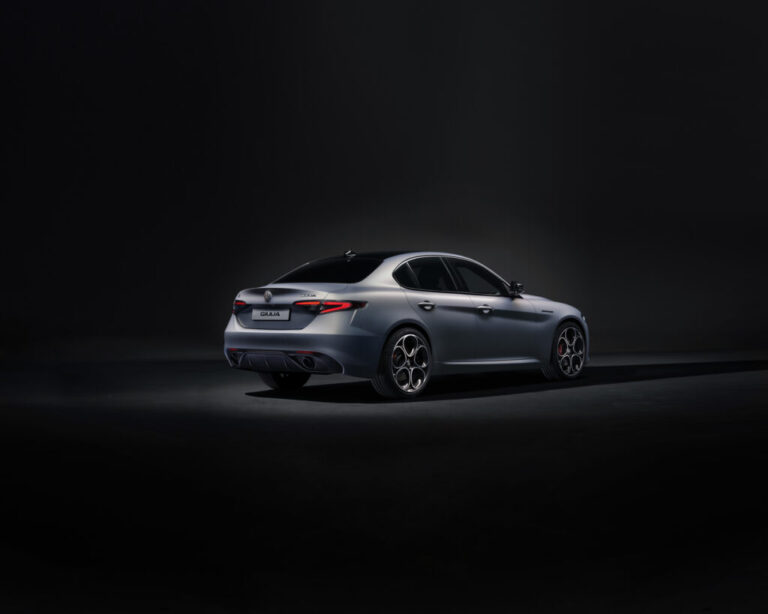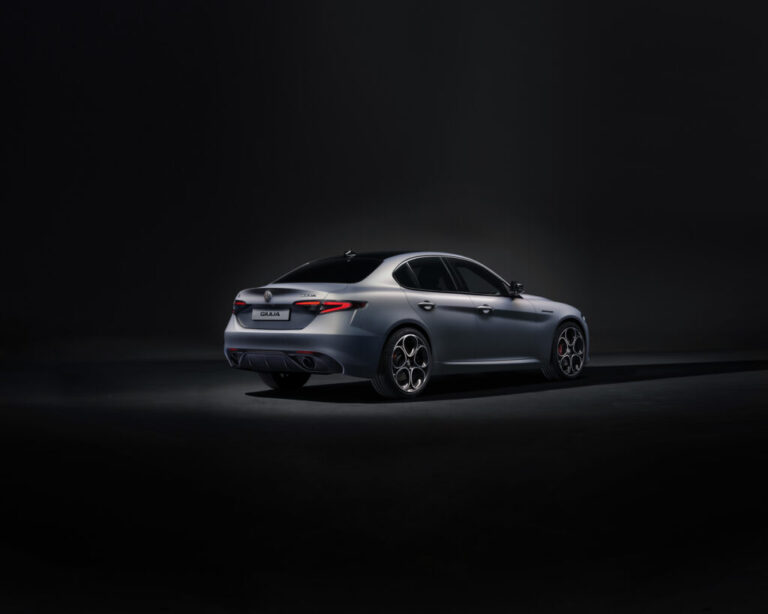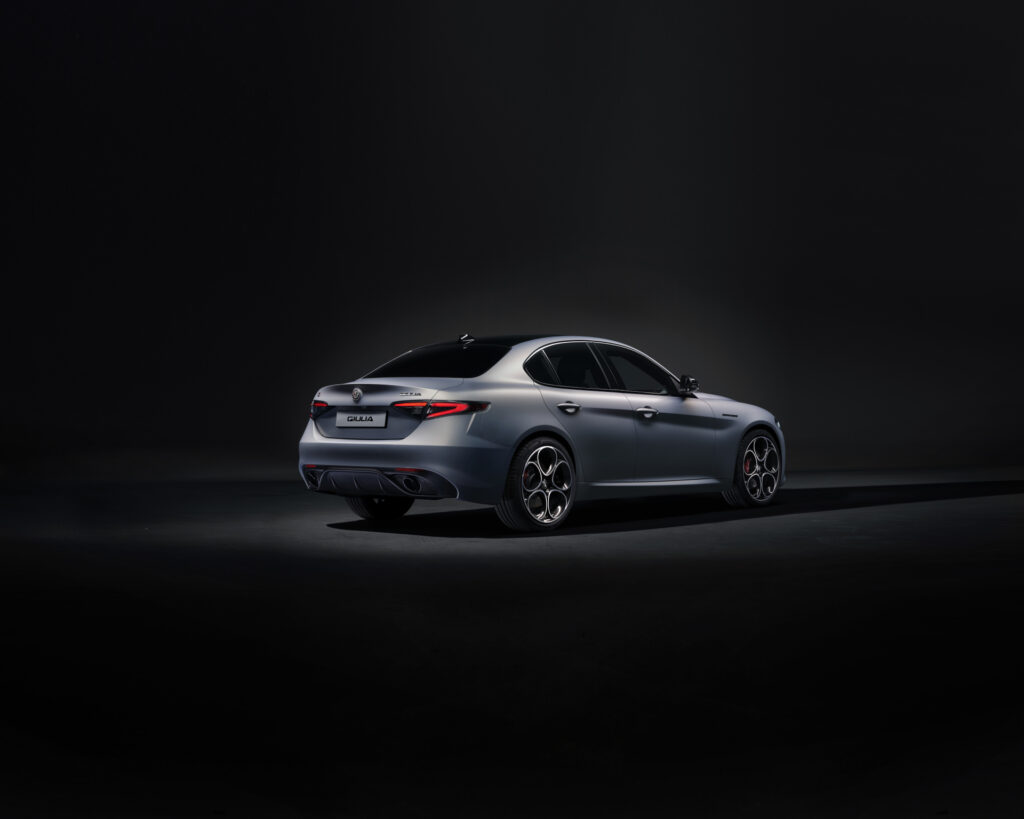
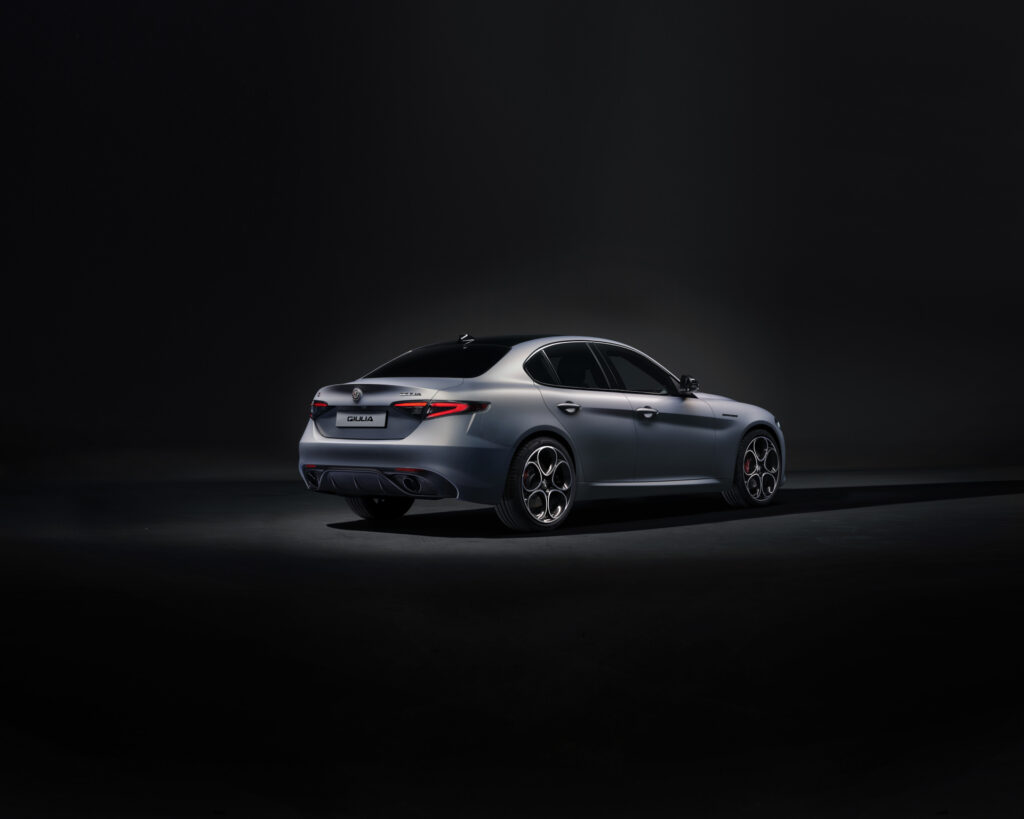
Alfa Romeo Giulias built between November and December 2017 suffered from a serious technical issue: contaminated brake and clutch fluid in the braking system. This defect can affect both braking performance and clutch operation, directly impacting the safety and reliability of the vehicle. Alfa Romeo has addressed this problem through recalls. But what does this mean for you as an owner, and how can you check if your car is affected?
The problem with contaminated brake and clutch fluid
The issue lies in the production period. Giulias that rolled off the assembly line in the final weeks of 2017 were filled with contaminated fluid in the hydraulic brake circuit. This contamination was not caused by normal wear or ageing, but by a manufacturing error during assembly.
Brake fluid ensures that the pressure from your brake pedal is transmitted to the brake callipers. In a manual Giulia, the clutch also often operates hydraulically, using the same type of fluid. Contamination disrupts this system. The fluid loses its properties, making it less effective.
Specifically, the following symptoms may occur:
- A spongy or soft-feeling brake pedal
- Reduced braking performance, especially during heavy braking
- Irregular or heavy clutch engagement
- Dark or cloudy fluid in the reservoir
Alfa Romeo has acknowledged the problem and recalled affected vehicles to replace the fluid and flush the system. For owners of an Alfa Romeo Giulia from that period, it is important to verify whether the recall has been performed on their car.
Checking if your Giulia is affected
The most direct way to check if your Giulia is subject to the recall is via the vehicle identification number (VIN). You can request this from an official Alfa Romeo dealer. They can see in their system whether your specific car was part of the affected production period and if the recall has already been carried out.
Pay attention to your car’s production date. The recall specifically targeted vehicles built between November and December 2017. You can usually find the production date on a sticker in the door frame or in the service booklets.
In addition, there are practical checks you can perform yourself:
- Check the colour of the brake fluid in the reservoir under the bonnet. Clean fluid is clear and light yellow; contaminated fluid looks dark brown or cloudy.
- Observe the feel of the brake pedal. A spongy pedal that travels deeper than usual may indicate issues with the fluid.
- For manual models: if you notice the clutch feels heavier or reacts irregularly, this could also be due to contaminated fluid.
- Check your maintenance history. If the recall has been performed, this is usually recorded in the service book or the dealer’s system.
Are you in doubt, or do you not have access to the maintenance history? Contact an Alfa Romeo dealer. They can quickly check if your car was involved in the recall and if the problem has been resolved.
Severity of contaminated brake and clutch fluid
Contaminated brake fluid is not a minor issue. It strikes at the heart of the braking system, and therefore directly affects safety. Under normal use, fluid absorbs moisture from the air, which lowers its boiling point. With contamination from manufacturing defects, this process happens faster and the effect is more immediate.
If the boiling point drops, the fluid can begin to boil during heavy braking. This creates vapour bubbles in the system, which interferes with pressure build-up. The result is a brake pedal that sinks to the floor without the car braking effectively. This can lead to dangerous situations, especially during emergency stops or in mountainous terrain.
Something similar applies to the clutch. With contaminated fluid, gear changes become unpredictable. The clutch may release poorly or engage too heavily, which leads to wear and affects driving behaviour.
This is why Alfa Romeo carried out the recall. For affected cars, the entire fluid was replaced and the system was thoroughly flushed. This resolves the immediate issue and prevents further damage to brake callipers, lines, and other components.
Maintenance and prevention after the recall
Even if the recall has been performed on your Giulia, regular maintenance of brake and clutch fluid remains important. Fluid ages due to moisture absorption and then loses its properties. This is a natural process that occurs in every vehicle.
Some practical tips for maintenance:
- Replace brake fluid according to the maintenance schedule, usually every two to three years
- Always use the correct DOT specification prescribed by Alfa Romeo, usually DOT 4 or DOT 5.1
- When changing fluid, also have the brake callipers and lines checked for leaks and wear
- Modern Giulias may require bleeding via the ABS module; this often requires diagnostic equipment
- Visually check the colour and clarity of the fluid in the reservoir
For owners who use their Giulia sportily or drive frequently in hilly areas, extra attention is recommended. The braking system is under higher stress, meaning the state of the fluid has more influence on performance.
‘ From approximately 3 per cent moisture, the reliability of the system decreases. ’
Action in case of symptoms of contaminated fluid
If you notice symptoms that point to problems with the brake fluid, take action. A spongy brake pedal, reduced braking power, or an irregular clutch are signs you should not ignore.
The first step is a visual check. Open the bonnet and examine the fluid reservoir. Dark, cloudy fluid is a clear sign that replacement is necessary. Clear, light yellow fluid looks healthy.
If in doubt, have a garage test the fluid for moisture content. Modern testers can indicate in seconds whether the moisture percentage is too high. From approximately 3 per cent moisture, the reliability of the system decreases.
When replacing, it is important that the entire system is properly bled. For the Giulia, this can be more complicated than for older cars, because the ABS system and electronic assistance systems require special bleeding procedures. A specialist garage or Alfa Romeo dealer has the correct equipment for this.
Always combine a fluid change with a broader check of the braking system. Inspect brake discs, pads, hoses, and connections for wear or damage. This prevents newly added fluid from being quickly compromised by other issues in the system.
Practical conclusion for Giulia owners
The recall for contaminated brake and clutch fluid was a one-off factory issue that Alfa Romeo addressed. For owners of Giulias from the affected period, it is important to check if the action has been performed. After that, it is all about regular maintenance.
Brake fluid is hygroscopic, which means it automatically absorbs moisture from the air. This process cannot be stopped, only slowed down by regular replacement. Do not ignore this; it affects the safety and reliability of your car.
Also, keep in mind the complexity of modern braking systems. The Giulia has advanced electronic assistance systems that play a role during bleeding and maintenance. A simple fluid change at home may be less effective than professional treatment using diagnostic software.
On the Carnews website, you can find much more information about the Alfa Romeo Giulia and other models, from common issues to maintenance tips and owner experiences. Discover what else your car has to offer and how to keep performance at its peak.
Frequently Asked Questions
You can often recognise contaminated brake or clutch fluid by a spongy or less responsive brake pedal and, in the case of a hydraulic clutch, a heavier or irregularly engaging clutch. Look at the fluid in the reservoir: if it is dark, brown, or cloudy instead of clear, this indicates ageing and contamination. A longer stopping distance or less confident braking feel during repeated hard braking can also indicate brake fluid that is losing its properties due to moisture absorption. If in doubt, have a garage measure the moisture content in the fluid and check the system for air and leaks.
Contaminated brake fluid in your Giulia lowers the boiling point, which can cause brake fade during heavy braking and make the pedal feel spongy or unpredictable. This increases stopping distances and lowers driving safety, especially when driving downhill, driving sportily, or performing emergency stops. If the clutch fluid is also contaminated (in a manual gearbox), the clutch may engage heavier, irregularly, or later. Timely replacement keeps braking power, pedal feel, and clutch operation constant and reliable.
For an Alfa Romeo Giulia, it is recommended to replace the brake and clutch fluid preventively according to the maintenance schedule, usually every 2 years or slightly more often under high-stress conditions. Check the level and colour at least annually or during every service: the fluid should be clear and not dark or cloudy. If in doubt, have the moisture content measured by a garage and replace the fluid if the value is too high or the pedal feels spongy. Always combine replacement with thorough bleeding and a check for leaks and the operation of the braking system.
Replacing brake and clutch fluid on a Giulia is technically doable yourself if you have experience with braking systems, the right tools, and the correct fluid (according to factory specifications). Because brake fluid is hygroscopic and the system sometimes needs to be correctly bled via ABS/diagnostics, a mistake can have direct consequences for braking safety. If you lack experience or diagnostic equipment, professional help is highly recommended.
Important characteristics are that the brake and clutch fluid meet the DOT specification prescribed by Alfa Romeo (for the Giulia, usually a high-quality DOT 4 / DOT 5.1 with a high boiling point). The fluid must be hygroscopically stable and have a high wet and dry boiling point to prevent fading under heavy loads. Furthermore, compatibility with the seals and components in the hydraulic brake and (where applicable) clutch system is essential. Finally, a fluid that retains its properties for a long time and minimises contamination is important, as the Giulia relies heavily on modern ABS and stability systems.