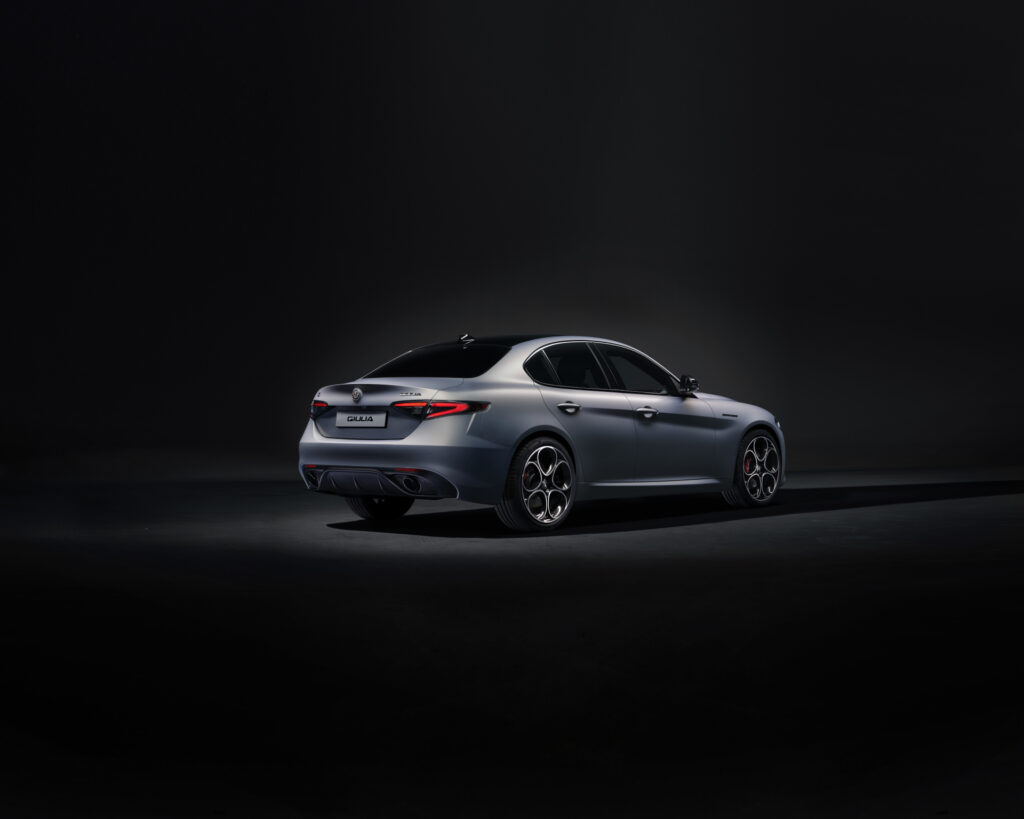
The Alfa Romeo Giulia combines Italian design with sporty performance, but owners of especially the 2.0T and 2.2 Diesel models face recurring engine faults, oil leaks and turbocharger defects that put reliability under pressure. The engine warning light sometimes comes on seemingly for no reason, while behind the scenes actuators, sensors or severe build-up are the cause. In this article, you’ll learn which engine problems to expect and how to recognise them.
Common engine problems in the Alfa Romeo Giulia
The Alfa Romeo Giulia suffers from a number of recurring engine problems affecting both the petrol and diesel variants. The 2.0T petrol engines regularly show faults with the wastegate actuator, resulting in fault code P0299. This code indicates that turbo boost pressure is too low. On the 2.2 Diesel, build-up and oil leaks play a greater role.
Owners report that the engine management warning light often appears without any immediately recognisable problem. These faults can have several causes, from a dirty sensor to a defective turbocharger. The issues not only affect drivability, but if left untreated can lead to costly repairs or even engine damage.
The Giulia’s reliability is generally at an acceptable level, but the 2.2 Diesel stands out negatively. This engine attracts more complaints about loss of power and difficult starting than the petrol versions.
‘This problem is so common that owners recognise it as a typical Giulia fault.’
Wastegate actuator: the best-known culprit
The wastegate actuator is a recurring problem in both the 2.0T petrol and 2.2 Diesel engines. The wastegate actuator is a component that regulates turbo boost pressure by diverting excess exhaust gases. When the actuator fails, incorrect pressure builds up in the turbo.
The result is a loss of power and the engine warning light coming on with fault code P0299. This problem is so common that owners recognise it as a typical Giulia fault. Replacing or cleaning the actuator usually resolves the fault, but costs can run to several hundred euros, depending on the dealer or garage you choose.

Defective or dirty mass air flow sensor
After problems with the wastegate actuator, the mass air flow sensor (MAF sensor) often turns out to play a role. The mass air flow sensor measures how much air the engine is taking in and sends this information to the engine control unit. A dirty or faulty MAF sensor passes on incorrect values, resulting in poor engine behaviour.
Symptoms include an irregular throttle response, fluctuating engine speed and sometimes the engine management warning light. Cleaning the sensor may already help, but replacement is the safest solution in cases of severe contamination. The sensor sits just behind the air filter and is relatively easy to access.
What is the problem with the 2.0T engine in the Giulia?
The 2.0T petrol engine in the Giulia is prone to misfires, especially in older examples or those that have not been maintained properly. Misfires are situations in which one cylinder does not ignite correctly. This can be caused by worn spark plugs, a faulty ignition coil or problems with fuel injection.
Owners report that simply replacing the spark plugs is sometimes enough to clear the fault. For that reason, it is recommended that the spark plugs be checked at the first signs of vibration or power loss. The cost of new spark plugs is limited, but if the fault persists it may reveal a more serious underlying issue.
In some 2.0T engines, overheating of the catalytic converter also occurs, which can lead to damage to the exhaust system. This problem is linked to an overly rich or overly lean fuel mixture, caused by failing sensors or a faulty wastegate actuator.
Oil leaks around the turbocharger
The turbocharger on the 2.0T engine can suffer from oil leaks. This happens when the turbo seals age or the turbo gets too hot after prolonged hard driving without sufficient cooling. Oil leaking from the turbo can end up in the intake system or on hot exhaust components, causing smoke.
Regularly checking the oil level is advisable. An unexpectedly falling oil level may indicate a leak at the turbocharger. Replacing the turbo early prevents damage to other engine components.
Build-up in the 2.2 Diesel engine
The 2.2 Diesel engine in the Giulia suffers from severe build-up caused by the recirculation of oil vapours through the EGR system. These vapours contain soot particles and oil residues that accumulate in the intake system, the EGR valve and even in the combustion chambers. This process of residue build-up is also known as carbon build-up.
Symptoms of build-up include:
- Loss of power and less responsive driving
- Difficult starting, especially in cold conditions
- Higher fuel consumption than normal
- Black smoke from the exhaust when accelerating
In extreme cases, build-up can lead to engine damage because valves no longer close properly or pistons seize. Preventive maintenance, with periodic cleaning of the EGR system and intake tract, helps prevent this. Professional decarbonisation treatments or manual cleaning by a specialist are effective measures.
Why does my Giulia report engine faults for no reason?
The engine warning light can come on without you immediately noticing a problem while driving. This happens because sensors sometimes send incorrect signals or temporarily drop out of range. The engine control unit records this deviation and stores a fault code, even if the fault is no longer present.
Common causes of seemingly unfounded engine faults are:
- Dirty turbo boost pressure sensor
- Temporary failure of the MAF sensor due to dirt or moisture
- Loose or oxidised electrical connectors
- Oil in the air filter from recirculating oil vapours
If the engine warning light stays on, have the fault code read out with diagnostic equipment. Often, cleaning a sensor or checking the wiring is enough. Do not ignore the warning light, as a larger problem may be hiding behind a temporary fault.
Dirty air filter caused by oil leak
Until 2018, many Giulias suffered from oil entering the air filter via the breather system. This problem was resolved in later production years, but older models may still suffer from it. An oil-contaminated air filter reduces airflow to the engine and causes poor engine behaviour.
During a service, visually check the air filter for oil stains. Replace the filter if oil is visible and have the breather system inspected to prevent the problem from recurring.
‘Overheating can cause damage to gaskets and seals, which in turn causes oil leaks or turbo damage.’
Practical tips for maintenance and prevention
To limit engine problems, a few simple maintenance measures are effective. Replace engine oil and filters according to the prescribed schedule, preferably even a little more often than the manufacturer states. Always use oil of the correct quality, especially in turbo engines that are prone to wear.
Regularly check the coolant level and the condition of hoses. Overheating can cause damage to gaskets and seals, which in turn causes oil leaks or turbo damage. On diesel models, pay extra attention to signs of build-up and consider a professional cleaning every 60,000 kilometres.
Always warm the engine up before using full throttle, and after a long journey let the turbo cool down briefly by driving gently or idling for a minute. This will significantly extend the life of the turbocharger.
When should you seek professional help?
Some problems can be solved yourself, such as replacing spark plugs or cleaning sensors. For more complex faults such as turbocharger defects, persistent misfires or engine faults that do not disappear after simple measures, professional diagnosis is necessary.
Where possible, choose a garage with experience of Alfa Romeo or Italian marques. They have the right diagnostic equipment and knowledge of common problems. A timely repair prevents small faults from developing into costly engine damage.
On the Carnews website you will find more information about specific car problems, maintenance advice and experiences from other owners. Discover what else you can expect from your Alfa Romeo and how to keep your car in top condition.
Frequently asked questions
Common symptoms of engine faults or turbocharger problems in an Alfa Romeo Giulia include the engine management warning light coming on and a noticeable loss of power, especially when accelerating. The car may pull unevenly, go into a kind of limp mode or respond poorly to the accelerator pedal. You may also notice increased fuel consumption, sometimes smoke, and an unsettled or jerky engine speed. On diesel variants, difficult cold starts and hesitation at low revs are also common.
Common causes of turbo problems in the Alfa Romeo Giulia are a defective or sticking wastegate actuator (P0299), dirty or faulty sensors such as the MAF and turbo pressure sensor, and, especially in the 2.2 JTD diesels, severe internal build-up due to the EGR system. In addition, oil contamination in the intake tract and a blocked or oil-soaked air filter can contribute to poor turbo operation. These problems can be prevented by timely replacement/checking of the spark plugs, regular cleaning or replacement of the MAF and pressure sensors and the air filter, and periodic decarbonisation/cleaning of the EGR and intake system. Quickly reading and resolving fault codes (such as P0299) prevents incipient turbo and engine problems from worsening.
The average cost of diagnosing turbo damage or an engine fault in an Alfa Romeo Giulia is usually around €100–€150 at a main dealer or specialist garage. For turbo damage repairs, you should roughly budget €1,000–€2,000, depending on whether the turbo is refurbished or replaced entirely. For more serious engine problems or partial engine damage, costs can rise to around €2,000–€5,000 or more. Prices vary by garage, engine type (petrol/diesel) and the extent of the damage.
In the Giulia, problems mainly occur with the turbocharger wastegate actuator (including fault code P0299), which presents as an engine warning light and loss of power. A dirty or faulty MAF sensor (air mass meter) and a dirty turbo pressure or boost pressure sensor are also known weaknesses and can give the same complaints. On the 2.2 diesel engine, carbon build-up (including from the EGR system) and, in severe cases, even engine damage are a known concern, especially with lots of short journeys. When buying, look out for fault codes, irregular power delivery, smoke, difficult starting (diesel) and proof of maintenance or cleaning for the turbo, sensors and EGR.