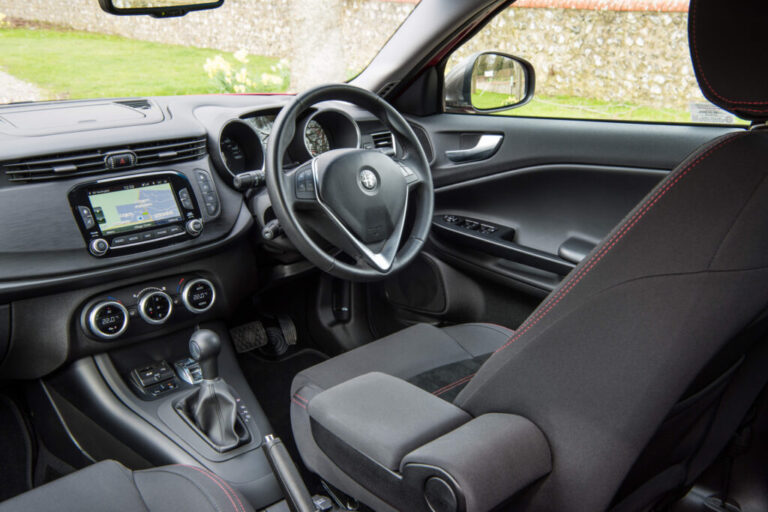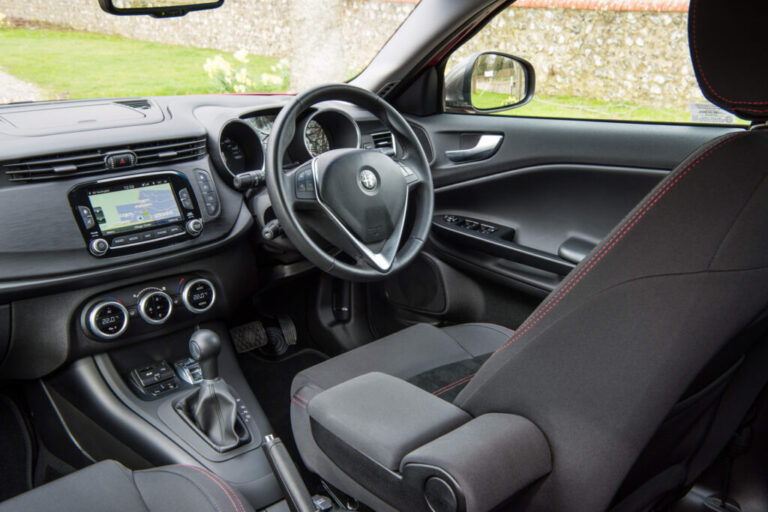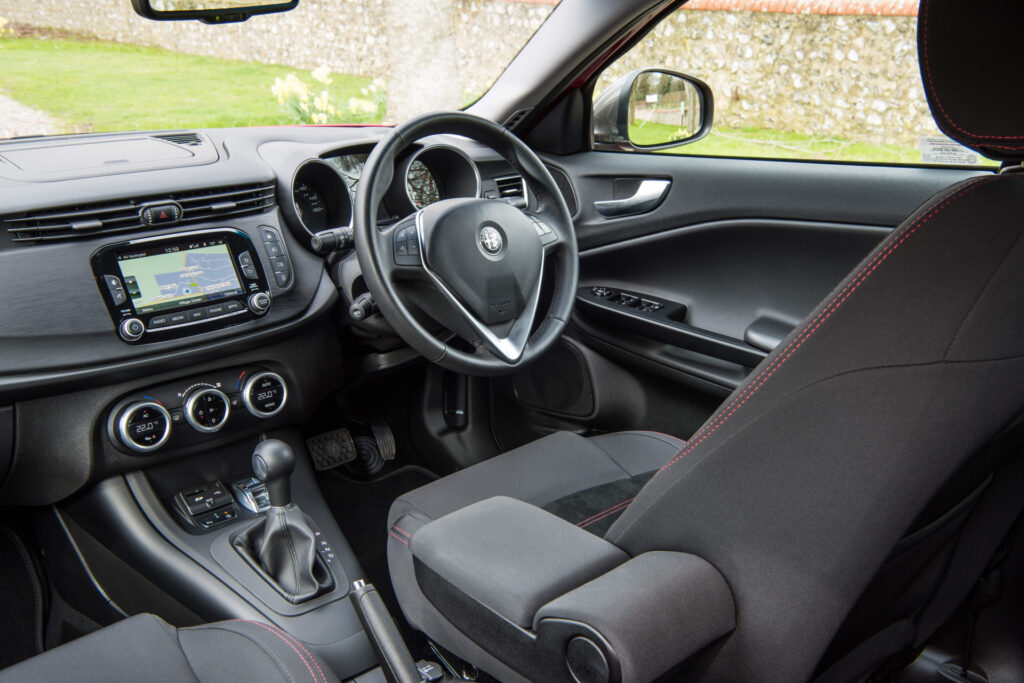
The comparison between the Giulietta and its alternatives is about more than reliability: the Alfa Romeo offers a distinct driving experience and often an attractive used-car price, but maintenance on the MultiAir engine or TCT automatic can work out more expensive than a Volkswagen Golf. A well-maintained example therefore deserves more attention than a low asking price. What differences will you notice on the test drive?
Is the Giulietta more reliable than the Golf?
If predictable running costs come first, the Golf is usually the safer choice. The Giulietta needs extra attention paid to its service history, electronics and, depending on the version, the drivetrain. However, a broad ranking does not tell you whether a specific Golf is better than a specific Giulietta: year, engine, gearbox and maintenance make all the difference.
With a Giulietta fitted with the MultiAir petrol engine, the oil history matters. This system controls the intake valves using oil pressure. Missed oil changes or unsuitable oil can contribute to contamination or wear of the MultiAir unit. Uneven idling, hesitation and loss of power are reasons to investigate further. Check the invoices: a stamp in the service book does not show which oil was used.
A Golf also needs to be judged on a case-by-case basis. A neat finish and a wide parts supply make it practical, but they do not rule out problems in an individual car. So compare not brand images, but two concrete used cars with a similar mileage and verifiable history.
‘A well-kept Giulietta can be a better buy than an A3 with an unclear history; the reverse is just as true.’
Giulietta problems vs Audi A3
The Audi A3 is a logical alternative for many buyers if interior finish and everyday convenience matter most. Even so, you cannot say that every A3 is more reliable than every Giulietta. On both models, the combination of engine, transmission and maintenance determines what you are really buying. Without those details, a comparison of repair risk is of little value.
The Giulietta has a few familiar inspection points. As well as the MultiAir unit, the optional TCT automatic deserves a thorough test drive. This dual-clutch transmission can react unevenly at low speed or engage late. So do not only test brisk acceleration, but also parking, reversing and slow-moving traffic. Watch out for slipping, harsh knocks and transmission warnings.
The same buying discipline applies to an A3: check the drivetrain actually stated in the advert and request the invoices. Set aside a budget for maintenance, whatever badge is on the bonnet. A well-kept Giulietta can be a better buy than an A3 with an unclear history; the reverse is just as true.
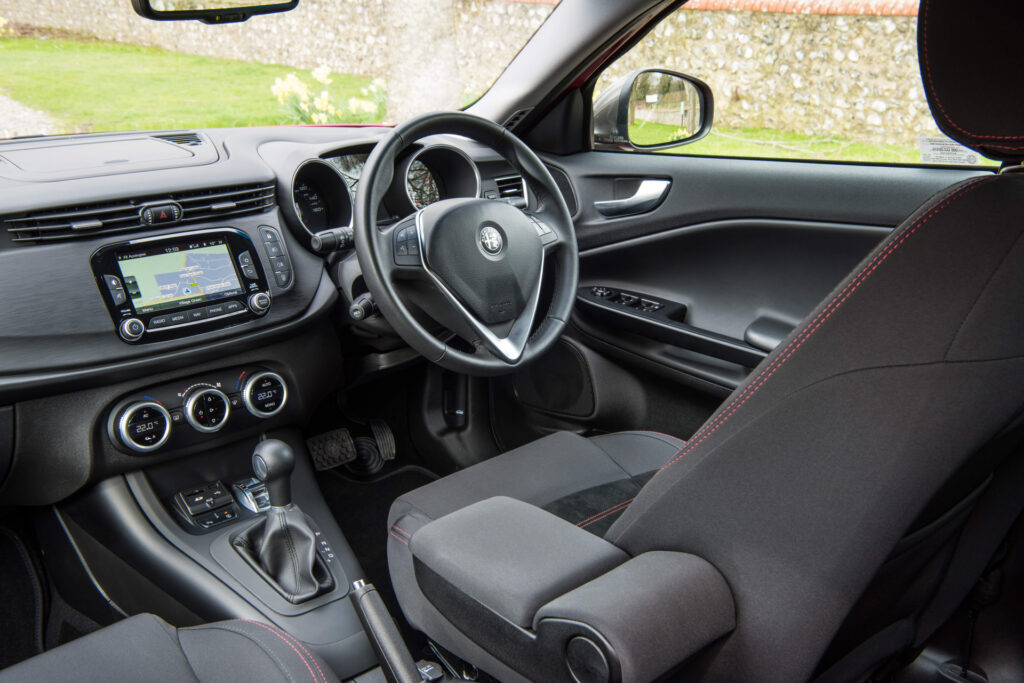
What does the Alfa Romeo Giulietta excel at?
The Giulietta stands out for its design, seating position and balance between comfort and driving dynamics. If you like changing gear yourself, the combination of a manual gearbox and a lively petrol engine may appeal. Compared with the Golf, the choice feels less focused on everyday convenience and more on driver involvement. That difference is best experienced on the same route.
The purchase price can be in Alfa’s favour. That room in the budget is useful if you do not immediately spend it on extra options. Use part of it for an independent pre-purchase inspection and for maintenance not backed up by invoices. After all, a lower asking price is no saving if a major repair follows soon after purchase.
The condition of the suspension also helps determine how the Giulietta drives. Clunking over speed bumps, pulling under braking or uneven tyre wear do not fit with a convincing test drive. Check the tyres before and after driving; wear on one side may be a reason to have the suspension and wheel alignment inspected.
What do Giulietta risks cost?
Servicing a Giulietta does not always cost more per visit than a Golf or A3. The difference mainly lies in the chance that deferred maintenance or a specific fault will push up the bill. Without quotes for the cars you are looking at, a fixed cost difference cannot be called reliable. Ask for a price estimate for overdue work before deciding.
The manual Giulietta has no risk of TCT repairs; the automatic version does. Check the manual gearbox during the test drive. With the engine cold, shift several times from first to second. A crunching noise or stiff change needs diagnosis. On acceleration, watch for vibration and for a clutch that slips under load.
Check the small electrical functions. A broken wire in the loom to the tailgate can affect the rear wiper, lights or radio reception. Also test Bluetooth, USB, parking sensors and the tailgate locking mechanism. Small faults do not have to be deal-breakers. Do factor the repair costs into your decision, though.
Which alternatives are worth considering?
The Giulietta and Golf are not the only options for anyone looking for a compact hatchback. These alternatives each emphasise something different:
- Ford Focus: interesting if sharp steering response matters. Assess any automatic gearbox separately.
- Mazda 3: combines driving enjoyment with relatively straightforward petrol engines. On older examples, check the bodywork for rust.
- Toyota Auris: suits those mainly looking for low running costs. The hybrid version is an option for lots of city driving.
- Honda Civic: offers more practical space for those who often use the rear seats and boot.
These models do not all solve the same need. A Focus may appeal to the enthusiast who mainly wants steering precision, while an Auris is better suited to calm everyday use. So first make clear how much you value space, driving feel and predictable costs.
How to compare used cars
A buying decision is stronger if you check every candidate on the same points. Use this order when comparing:
- Request service invoices and, for the Giulietta, check proof of oil changes and timing-belt maintenance.
- Start the engine from cold. Listen for hesitation, rattling and warning lights.
- Test the transmission at low speed, when reversing and under hard acceleration.
- Check the tyres, lights, electronics and the tailgate’s operation.
- If in doubt, have an independent pre-purchase inspection carried out before deciding.
According to the RDW, you can use the registration check to assess vehicle details and the recorded odometer readings. Use that information alongside the invoices; it does not replace a technical inspection. Especially with a Giulietta with MultiAir or TCT, specialist inspection is wise when the history has gaps.
The Giulietta suits a buyer who values driving feel and looks and is willing to take the time to find a good example. If you are mainly after a predictable family car, the Golf and some other alternatives deserve a serious test drive. On the Carnews website you can find more about related models and specific points to look out for. Discover which car best suits your needs.
Frequently asked questions
The front-wheel-drive Giulietta is lively and offers a pleasing balance between comfort and dynamism, but it is less neutral and playful than a rear-wheel-drive BMW 1 Series. When accelerating hard out of corners, the Alfa is more likely to show understeer and torque steer through the wheel. The BMW usually offers better weight distribution and greater control with the throttle, while the Giulietta feels more accessible and comfortable in everyday use.
The 1.4 MultiAir 170 hp and the 1750 TBi/QV offer the most tuning potential, with the manual 1.4 usually striking the best balance between performance, costs and reliability. The 1750 TBi is stronger and better suited to substantial power gains, but it brings higher maintenance and repair risks. Compared with hot hatches from the same period, they have character and are attractively priced, but they are less carefree; ideally choose a 2015–2017 example with full service history and demonstrably correct oil changes.
With the suspension, look especially for knocking, play and uneven tyre wear—particularly at the rear—as these can indicate worn components or incorrect wheel geometry. The Giulietta combines comfort with dynamism, although a Ford Focus usually steers more directly. The distinctive DNA system adjusts throttle response, power steering and stability control via Dynamic, Natural and All Weather modes among others; during the test drive, check that all modes work and make a clear difference. Many rivals do not offer such a prominent, centrally operated change in character.
The Giulietta generally has a lower residual value than the Volkswagen Golf, which makes it a more affordable used buy. For business use, the Golf is stronger thanks to its practicality, better parts availability, everyday convenience and more predictable ownership costs. The Giulietta offers more character and driving enjoyment, but usually demands more attention to maintenance and possible faults.