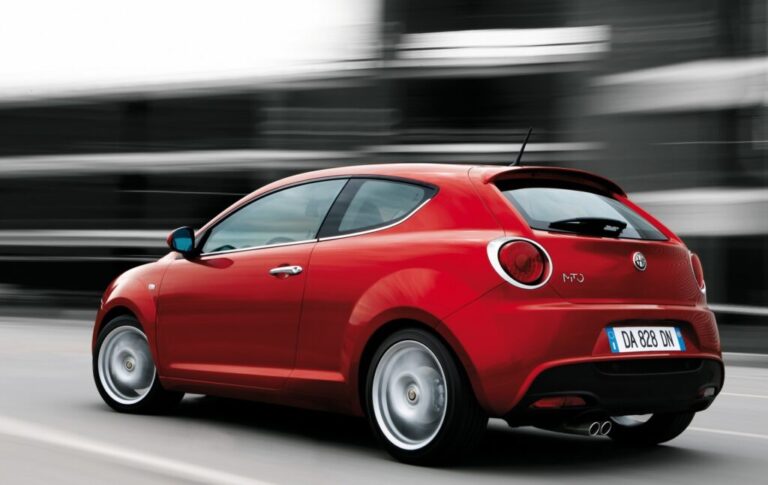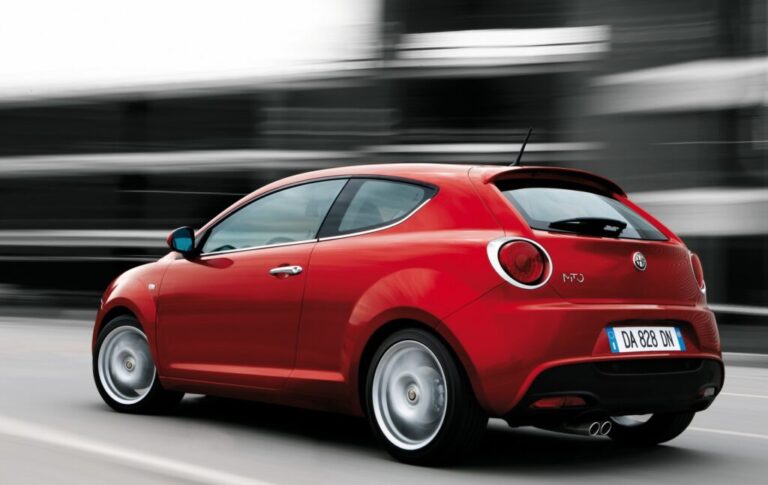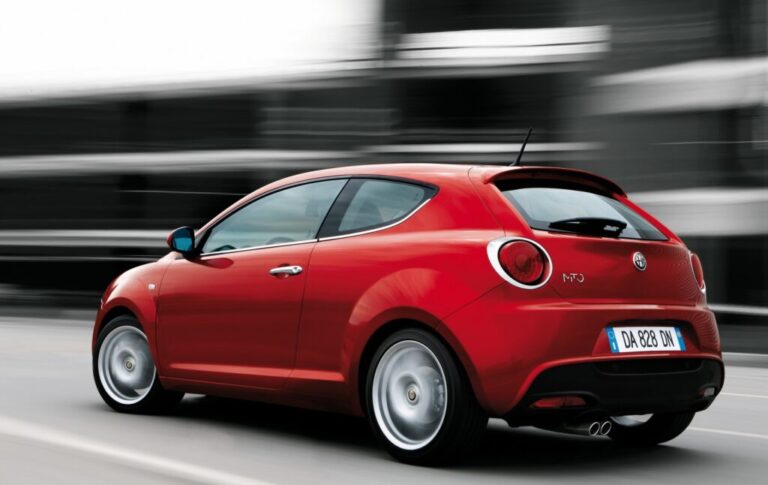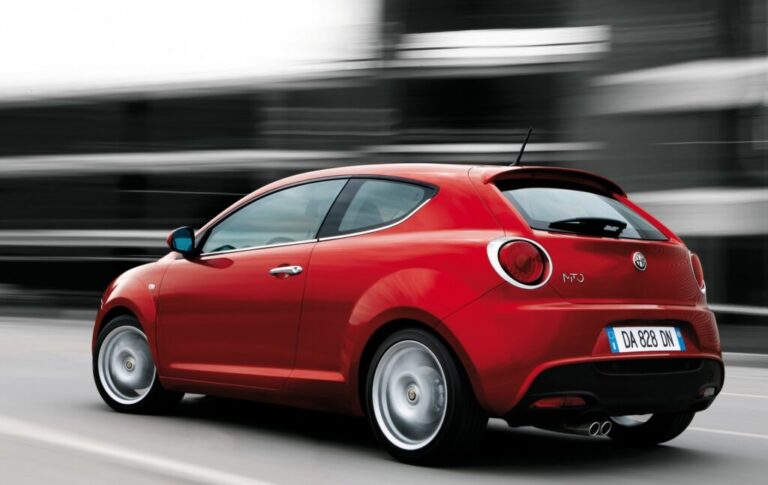
An illuminated DPF light in the Alfa Romeo MiTo diesel often indicates soot accumulation due to too many short trips, while black smoke from the exhaust is usually the result of a faulty turbo seal or a clogged soot filter (the diesel particulate filter or DPF). These issues are frequently accompanied by a loss of power and increased fuel consumption. What are the causes, how do you resolve this, and what costs can you expect?
Why does the DPF light come on in the MiTo diesel?
The diesel particulate filter (DPF) traps soot particles released during combustion. The filter cleans itself via regeneration: at high exhaust temperatures, the accumulated soot burns off. When the engine fails to reach this temperature, soot continues to accumulate, and the warning light comes on.
This problem occurs regularly in the Alfa Romeo MiTo with the 1.3 MultiJet diesel engine (a common-rail turbodiesel). The primary causes are:
- Many short city trips where the exhaust does not get hot enough
- Incorrect engine oil: low-SAPS oil is required to prevent extra ash contamination
- A poorly functioning EGR valve that causes extra soot formation
- Too little fuel in the tank: regeneration will not start with less than a quarter tank
- Faulty sensors in the exhaust system sending an incorrect signal
The light can also come on if the regeneration system itself is not functioning correctly. This happens, for example, during a fault in the engine management or air control system, preventing the engine from reaching the required exhaust temperature.
Black smoke from the exhaust: turbo seal or DPF?
Black smoke indicates incomplete combustion or too much fuel in the cylinders. In the MiTo diesel, there are two common causes: a faulty turbo seal or a clogged DPF.
When is the turbo seal the problem?
The turbo increases air intake to the engine for more power. When the turbo seal breaks, engine oil leaks into the combustion chamber. This leads to:
- Thick black smoke from the exhaust, especially during acceleration
- Noticeable power loss
- Increased oil consumption
- Possibly a whistling or hissing sound from the turbo
A faulty turbo seal causes immediate issues. The oil burns within the cylinders, which is visible as dark exhaust gases. Do not leave this too long: the extra oil contamination also puts a load on the DPF and can lead to further engine damage.
When is it the DPF?
A clogged DPF creates backpressure in the exhaust system. The engine struggles to discharge exhaust gases, leading to:
- Black smoke when accelerating hard
- Reduced performance and sluggish acceleration
- Increased fuel consumption
- An illuminated DPF warning light on the dashboard
Difference from turbo problems: with a clogged DPF, the symptoms are more gradual, and the warning light usually comes on before the smoke becomes visible. With a turbo seal defect, the black smoke is immediately apparent.
How do you fix the DPF warning light?
The solution depends on how full the filter is and whether other faults are involved. Always start with the simplest step: a regeneration drive.
Step 1: Forced regeneration via a longer drive
Drive for at least 20 minutes at a constant speed of 80 to 100 kilometres per hour. Keep the RPM above 2,000. This increases the exhaust temperature and starts the regeneration. Check afterwards if the light has gone out.
Step 2: Professional DPF cleaning
When a regeneration drive does not help, the filter is too full or there is another fault. A garage can clean the DPF using:
- Chemical cleaning via an additive in the fuel tank
- Mechanical cleaning where the filter is blown out
- Forced regeneration with garage software to control the engine management
Also have the pressure differential sensor checked. It measures the filter’s saturation level and can give incorrect signals when dirty or faulty.
Step 3: Replacing the DPF
In cases of persistent problems or excessive ash accumulation, replacement is necessary. A new DPF for the MiTo 1.3 MultiJet costs between 600 and 1,200 euros including labour. Check for other faults, such as EGR or turbo issues, which could cause the new filter to clog up again.
What does DPF cleaning cost and how do you prevent a recurrence?
The costs for DPF cleaning in the MiTo vary by method:
- Chemical cleaning with additive: 50 to 150 euros
- Mechanical cleaning at the garage: 200 to 400 euros
- Forced regeneration via diagnostics/garage software: 80 to 150 euros
- DPF replacement: 600 to 1,200 euros including installation
Repairing a faulty turbo seal costs between 500 and 1,500 euros, depending on whether only the seal can be replaced or if the entire turbo needs replacing.
How to prevent DPF problems
Prevention is easier and cheaper than repair. Follow these tips:
- Drive for at least 20 minutes at motorway speeds at least once a week
- Always use low-SAPS engine oil suitable for diesels with a DPF
- Keep the fuel tank more than a quarter full for normal regeneration
- Have the EGR valve checked during service intervals
- Never ignore the DPF light: early intervention prevents more expensive damage
Pay attention to symptoms of turbo or EGR problems. Power loss, increased oil consumption, or unusual noises require diagnosis before the DPF is put under extra load.
When should you go to the garage?
Some signs require professional diagnosis. Go to a garage when:
- The DPF light stays on after a regeneration drive
- There is thick black smoke from the exhaust
- You experience clear power loss
- Fuel consumption suddenly increases significantly
- There are strange noises coming from the turbo
Diagnosis with the garage computer (diagnostic equipment) will show if it concerns a full DPF, a faulty sensor, a turbo problem, or a fault in the EGR. This prevents you from investing in the wrong repair.
More about MiTo problems and maintenance
DPF and exhaust problems are not the only points of concern for the Alfa Romeo MiTo diesel. On the Carnews website, you will find comprehensive information on common complaints, maintenance advice, and practical solutions for this compact Italian car. Discover more tips and experiences from other MiTo drivers.
Frequently asked questions
The most common causes of a DPF warning light and exhaust problems in an Alfa Romeo MiTo diesel are excessive soot accumulation due to many short trips, which prevents the particulate filter from reaching the required regeneration temperature. Additionally, incorrect (non-low-SAPS) engine oil, a poorly functioning EGR valve, and contamination or leaks in the intake/turbo system often play a role, resulting in extra soot. Faults in pressure and temperature sensors around the DPF or other engine management sensors also occur regularly and can trigger the light. Finally, a low fuel level or issues in the fuel system can interrupt regeneration, which sustains DPF problems.
Continuing to drive with an illuminated DPF light is not recommended, as persistent soot accumulation can lead to power loss and expensive damage to the DPF, turbo, or engine. Immediately take a longer drive on a motorway or A-road at a constant speed and sufficient RPM so the DPF can regenerate. If the light does not go out or you also experience power loss or other complaints, stop driving and have the car scanned at a garage as soon as possible. In the meantime, ensure there is sufficient fuel in the tank and that you are using the correct (low-SAPS) oil.
For a clogged DPF or exhaust issues in a MiTo, repair options vary from forced regeneration and the use of DPF/fuel additives (roughly £50–£200) to professional DPF cleaning (usually £250–£400) or, in extreme cases, replacement of the DPF, which can cost £800–£1,500 or more including labour. Additional costs may arise from the need to clean or replace the EGR valve, sensors, or parts of the exhaust. As a DIY task, you can sometimes reduce mild clogging with a suitable additive and a longer motorway drive (at constant speed and higher temperature), and visually inspect the exhaust for leaks or loose mountings. Deep cleaning or replacing the DPF itself, and diagnosing sensors/EGR, is standard work for a garage due to the required equipment and dismantling involved.
Regularly drive longer distances (20–30 minutes) at motorway speeds so the DPF reaches its regeneration temperature, and avoid many short, cold trips in succession. Always use the prescribed low-SAPS oil and change oil and filters according to (or preferably slightly before) the maintenance schedule. During service, also have the EGR valve, turbo hoses, and sensors in the exhaust tract checked for contamination and leaks. Preferably keep the fuel tank more than a quarter full, because a fuel level that is too low can disrupt regeneration.
Prolonged driving with an illuminated DPF light or unresolved exhaust problems can lead to a clogged soot filter and severe power loss. This increases the risk of damage to components such as the turbo, EGR valve, and sensors, which results in high repair costs. Furthermore, excessive backpressure in the exhaust can put mechanical stress on the engine and eventually cause engine failure. Fuel consumption and emissions also rise, which can lead to failure of MOT or environmental tests.