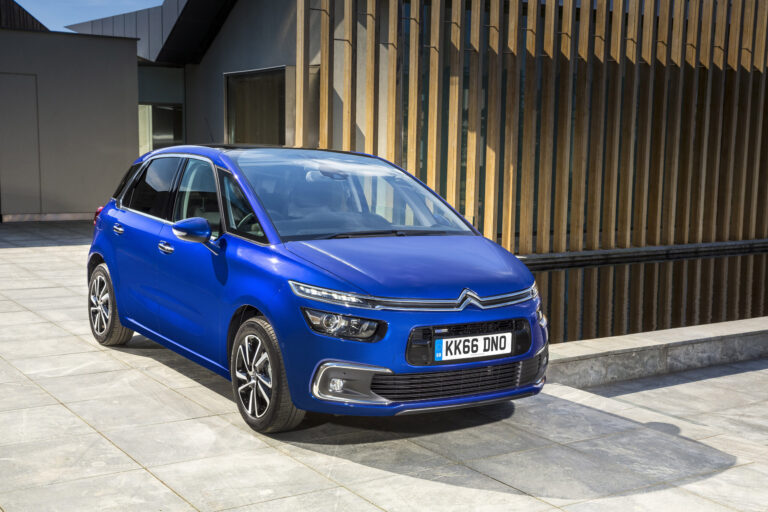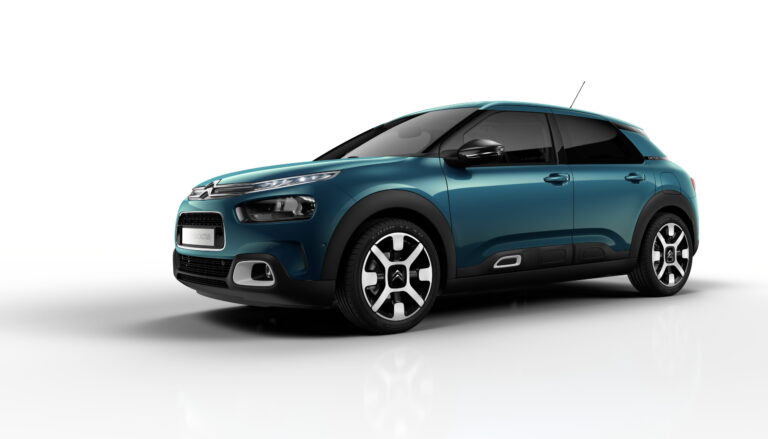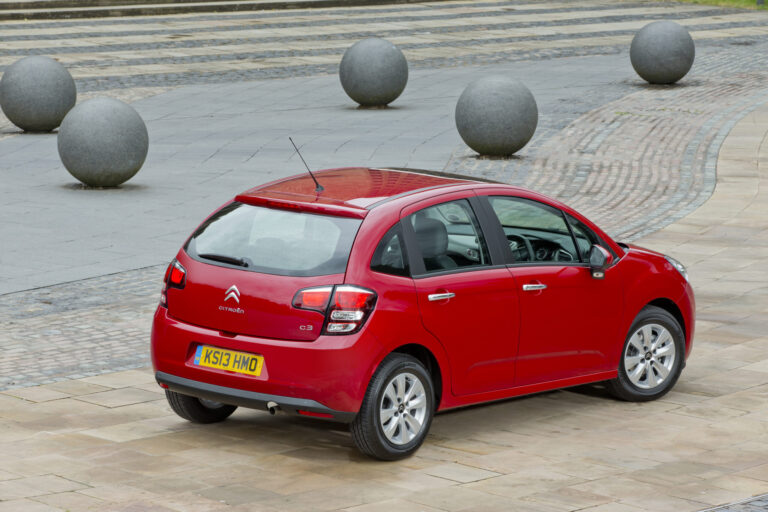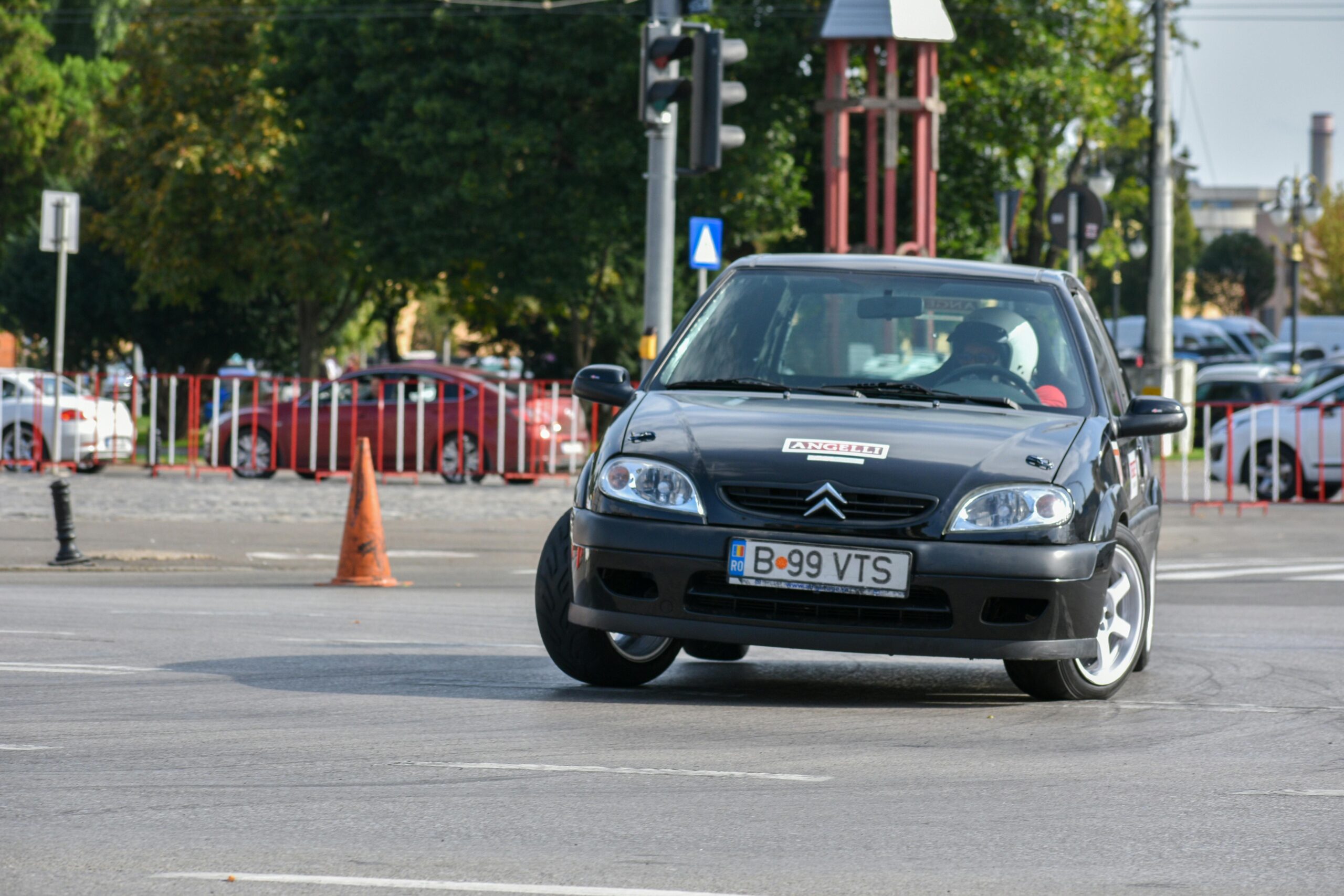
Car problems with Citroën: common issues per model and smart solutions
Citroën has built a reputation around distinctive design and comfortable suspension, but has at the same time become known for electronic faults and complex technology. This guide shows you exactly which weak spots you can expect per model, from older icons such as the Saxo to modern crossovers like the C3 Aircross. That way you drive prepared and can stay ahead of costly surprises.
Citroën and reliability: what can you expect?
Citroën presents itself with distinctive styling and remarkably comfortable road manners. The hydropneumatic suspension gave the brand stand‑out comfort for many years. However, that technical uniqueness also brings vulnerabilities. Electronics and sensors are a recurring theme in the service history of many Citroën owners. Warning lights that come on for no reason, central locking that refuses to work and dashboard displays that show strange messages are common occurrences.
This article gives you a complete overview of the most common faults per model. You will find both the recurring problems that affect many Citroëns and the specific weak points of each individual model. For each component you can read what the symptoms are, what causes lie behind them and which maintenance tips will help you further. That way you can make an informed choice when buying and know what to watch out for during ownership.
‘ Electronics are a weak point on many Citroëns. ’
Recurring Citroën problems on many models
Some issues do not care about model names or production years. They keep popping up in service records and owner experiences. It is useful to have this basic knowledge ready before you dive deeper into specific models.
Electrical and electronic problems
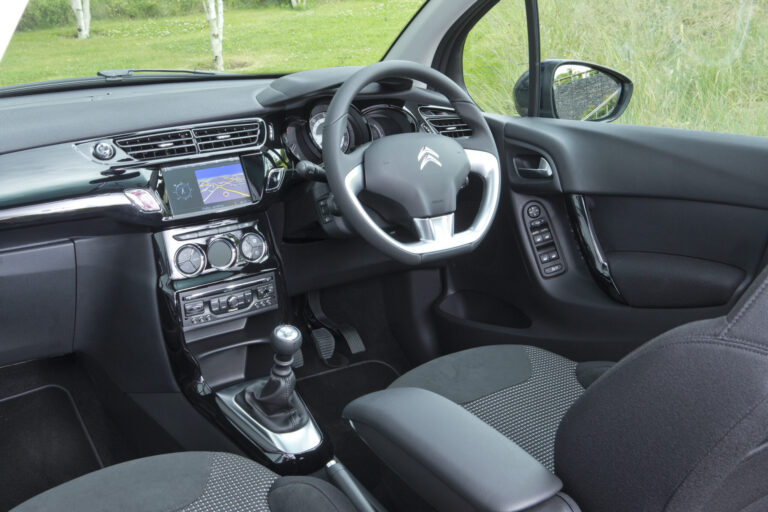
Electronics are a weak point on many Citroëns. The ECU (electronic control unit for engine management) can suddenly show strange faults. Airbag warning lights sometimes stay on even though there is no actual problem. Central locking can refuse to work or respond slowly. Windscreen wipers can behave stubbornly. Fuse boxes sometimes cause inexplicable failures.
The cause often lies in the extensive wiring and the many electronic modules that Citroën uses. Software updates and a proper diagnosis are often the first step. Make sure the battery remains in optimal condition, as weak voltage causes all sorts of electronic gremlins.
Suspension and hydropneumatic systems
The famous hydropneumatic suspension system makes Citroëns particularly comfortable, but it is also prone to leaks. After 80,000 to 120,000 kilometres, hydraulic spheres and seals start to lose fluid. The result is an uneven ride height, a floating feeling or even one corner of the car sinking. Repairs require specialist knowledge and parts remain expensive.
Even with conventional suspension, wear occurs on shock absorbers, springs and bushes. Citroën often opts for comfort‑orientated settings that tend to wear slightly faster over time than firmer set‑ups.
Transmission problems
Both manual and automatic gearboxes can cause headaches. Automatic transmissions in models such as the C4 and C5 can shift jerkily, especially with higher mileages. Owners report hesitation and, in serious cases, complete failure.
The Sensodrive semi‑automatic transmission from early C3 generations (2002-2009) is notorious for jerky behaviour and high repair costs. Manual gearboxes can become stiff or difficult to shift. Regular replacement of transmission oil extends their lifespan.
Brakes and safety
Soft brake pedals, slow response and poorly reacting brakes are complaints that mainly crop up on older models. On the C3, the front brakes sometimes show heavy wear, especially with intensive city use. Regular checks of brake fluid, pads and discs remain essential. Some owners report problems with the brake booster, which has a direct impact on braking power.
Climate control and comfort
Air conditioning units that do not cool, heaters that only blow lukewarm air or fans that make strange noises are frequent complaints. Especially in the C3 and C4 Picasso, these systems sometimes fail. Sensors and control panels can break down. Panoramic sunroofs sometimes leak, causing moisture damage in the interior. Preventive checks of pipes, filters and sensors help here.
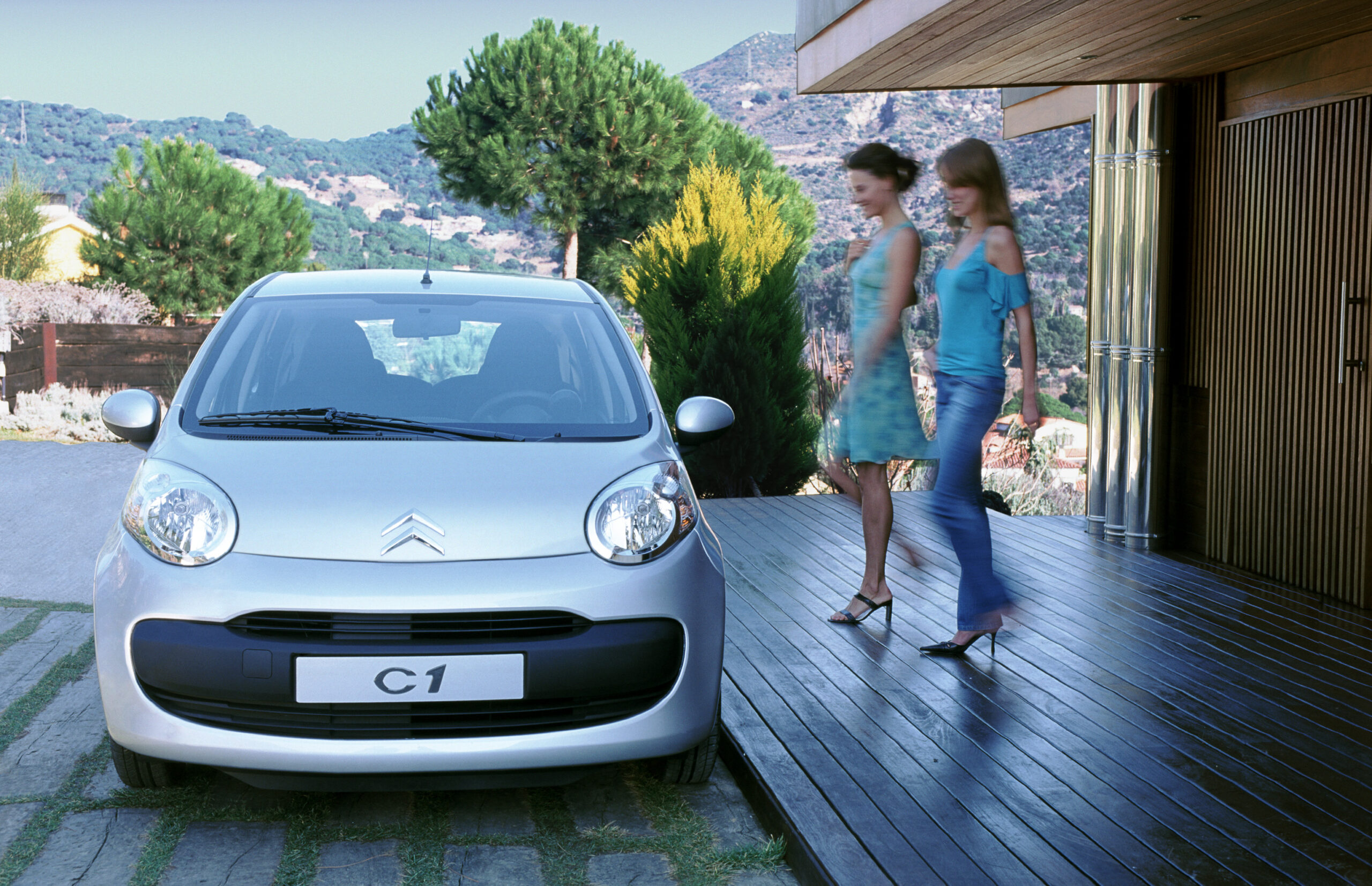
Citroën C1: city car with simple technology and typical drawbacks
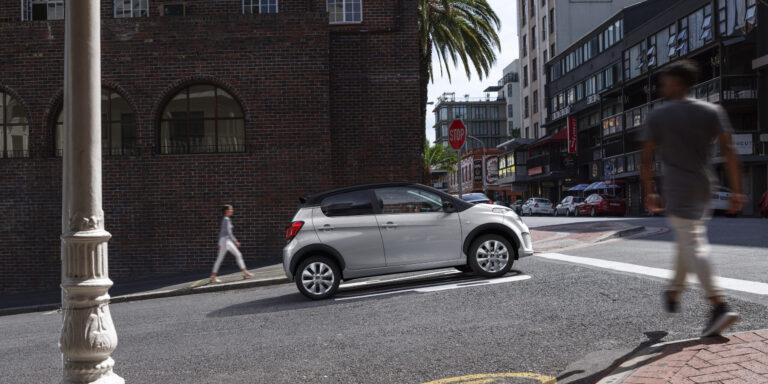
The C1 shares its technology with the Peugeot 108 and Toyota Aygo. The simplicity keeps maintenance costs low, but also brings limitations.
Noises and finish
The C1 is functionally built with a lot of plastic and little sound insulation. Rattles and creaks from the dashboard or doors are quite normal. That is not a defect, but simply the result of lightweight materials.
Clutch and brakes
A lot of city traffic means intensive braking and clutch use. As a result, the clutch and front brakes wear relatively quickly. Monitor wear and replace in good time to prevent problems.
Leaks and rust
Thin body panels and limited protection make the C1 susceptible to rust in places where water accumulates. Regularly check the rubber seals around doors and tailgates. Water leaks in the boot are a well‑known problem.
Read more: Citroen C1
Citroën C2: sporty entry‑level with electronics and wear points
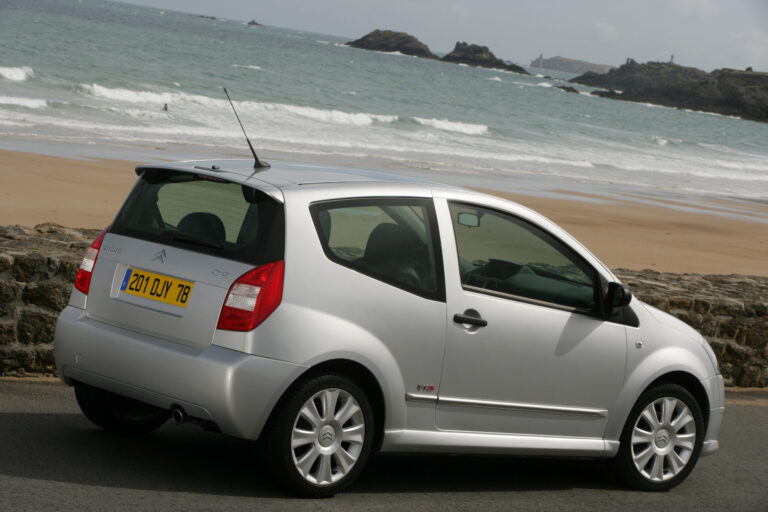
The C2 targeted young buyers with its playful styling and compact dimensions. Technically, the model brings a few points of attention.
Electrical faults
Windows that hesitate, locks that respond unreliably and warning lights that stay on for no apparent reason are common complaints. Regularly check the wiring and earth connections. A good battery is essential for stable electronics.
Sportier set‑up and wear
The firmer suspension set‑up gives more dynamic handling, but also leads to faster wear of bushes and shock absorbers. Sporty driving speeds up this process. Pay attention to strange behaviour and knocking noises during a test drive.
Maintenance of small engines
The 1.1 and 1.4 petrol engines are reliable in themselves, but they do require consistent maintenance. Poorly changed oil and old air filters cause unnecessary wear. Stick to the service intervals.
Read more: Citroen C2
‘ Early versions had clearly more technical problems than later editions. ’
Citroën C3: first generation with teething problems
The C3 has gone through several generations and model years. Early versions clearly had more technical problems than later editions.
Early C3 (2002-2009): diesel issues
The 1.6 HDi turbo diesel engine at the time suffered from injector pump failure. Symptoms are loss of power, hard starting and excessive exhaust smoke. Citroën later improved the design, but with a used C3 from this period this is an important point of attention. Ask about the service history and test drive the vehicle thoroughly.
Sensodrive transmission
This semi‑automatic system shifts with paddles, but is notorious for jerky and unpredictable behaviour. Repairs are costly. Many owners advise against buying a C3 with Sensodrive unless you accept the repair risks.
Brakes and air conditioning
The front brakes wear relatively quickly in city use. Plan replacements in good time. Air‑conditioning and heating problems also occur, often due to defective sensors or clogged filters. Have the system checked regularly.
Recent generations
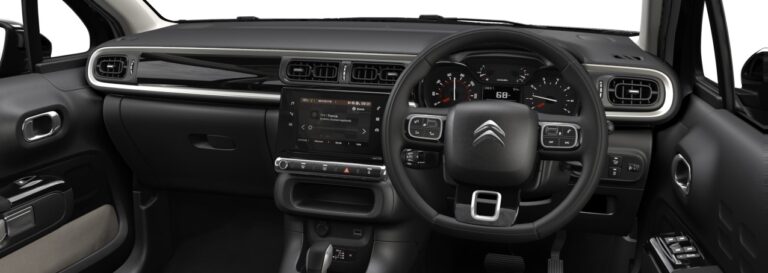
From the third generation (2016 and later), reliability improved. Reliability scores are around 75%, which is above average. Modern C3 models offer much more peace of mind, provided you keep maintenance in order.
Read more: Citroen C3
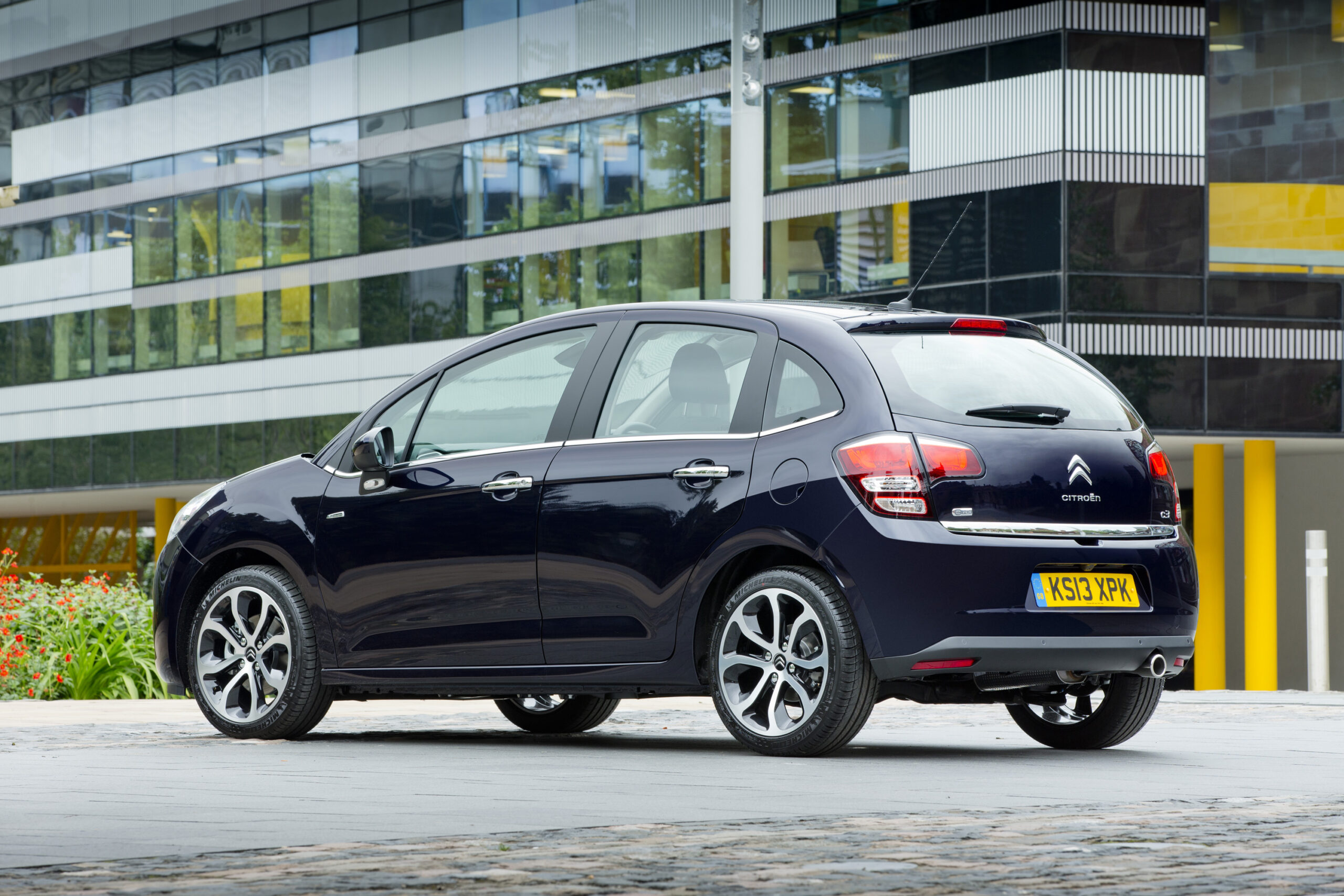
Citroën C3 Picasso: practical MPV (spacious family car) with comfort and climate themes
The C3 Picasso combined compact dimensions with a surprisingly spacious interior. Technically, a few items continue to require attention.
Air conditioning and heating
Faults in climate control are frequently reported. Owners mention failure of the fan, problems with temperature regulation and defective control panels. Replace filters according to the schedule and have sensors checked if behaviour is abnormal.
Electrical problems
Control panels, window switches and central locking can become unreliable. The cause is often software or a faulty module. A proper diagnosis helps avoid unnecessary replacement of expensive parts.
Suspension when driving loaded
The higher weight and family use put extra strain on the shock absorbers and springs. Check the condition of the suspension before long trips. Worn dampers reduce comfort and safety.
Read more: Citroen C3 Picasso
Citroën C3 Aircross: modern crossover and its points of attention
The C3 Aircross is a relatively recent addition to the range, with modern technology and a crossover look. Here too there are a few points to watch.
Electronics and software
Modern driver‑assistance systems such as parking sensors, lane assist and infotainment can suffer from software problems. Warning lights sometimes come on without cause. Make sure to get timely software updates from the dealer.
Turbo and injection problems
Some owners report problems with turbo engines when maintenance is irregular. Ensure timely oil changes, check coolant levels and use quality fuels. Turbochargers are sensitive to poor oil and overheating.
Interior space: rattles and creaks
The taller body and light materials sometimes cause annoying noises. That is not a defect but inherent to the construction. Do check that plastic clips and fasteners are properly fitted.
Warranty and preventive maintenance
Many C3 Aircross models are still within warranty or extended service contracts. Make use of this for unclear faults. Preventive checks of electronics and drivetrain help to stay ahead of major issues.
Read more: Citroen C3 Aircross
‘ Automatic gearboxes in the C4 are known for jerky behaviour, slow responses and, in serious cases, complete failure. ’
Citroën C4: comfortable all‑rounder with rust and transmission problems
The C4 has evolved over several generations. The model offers plenty of space and comfort, but also has clear weak points.
Transmission complaints with automatics
Automatic gearboxes in the C4 are known for jerky behaviour, slow responses and, in serious cases, complete failure. Regularly renewing the transmission oil extends their lifespan. If you notice strange jolts or hesitation, have a diagnosis carried out immediately.
Hydropneumatic or conventional suspension
Models with a hydropneumatic system can suffer from leaks and imbalance. Hydraulic spheres and seals need extra attention after 80,000 kilometres. Conventional suspension also wears under heavy use. Regularly check shock absorbers and springs.
Rust and corrosion
Wheel arches, sills and areas around windows are vulnerable spots. Older C4 models are particularly at risk. Check these areas thoroughly before purchase and treat small rust spots immediately to prevent further spread.
Interior quality
Plastic parts in the interior feel cheap and wear quickly. Rattles and creaks are not unusual. That reduces the feeling of quality, but is not a technical problem.
Read more: Citroen C4
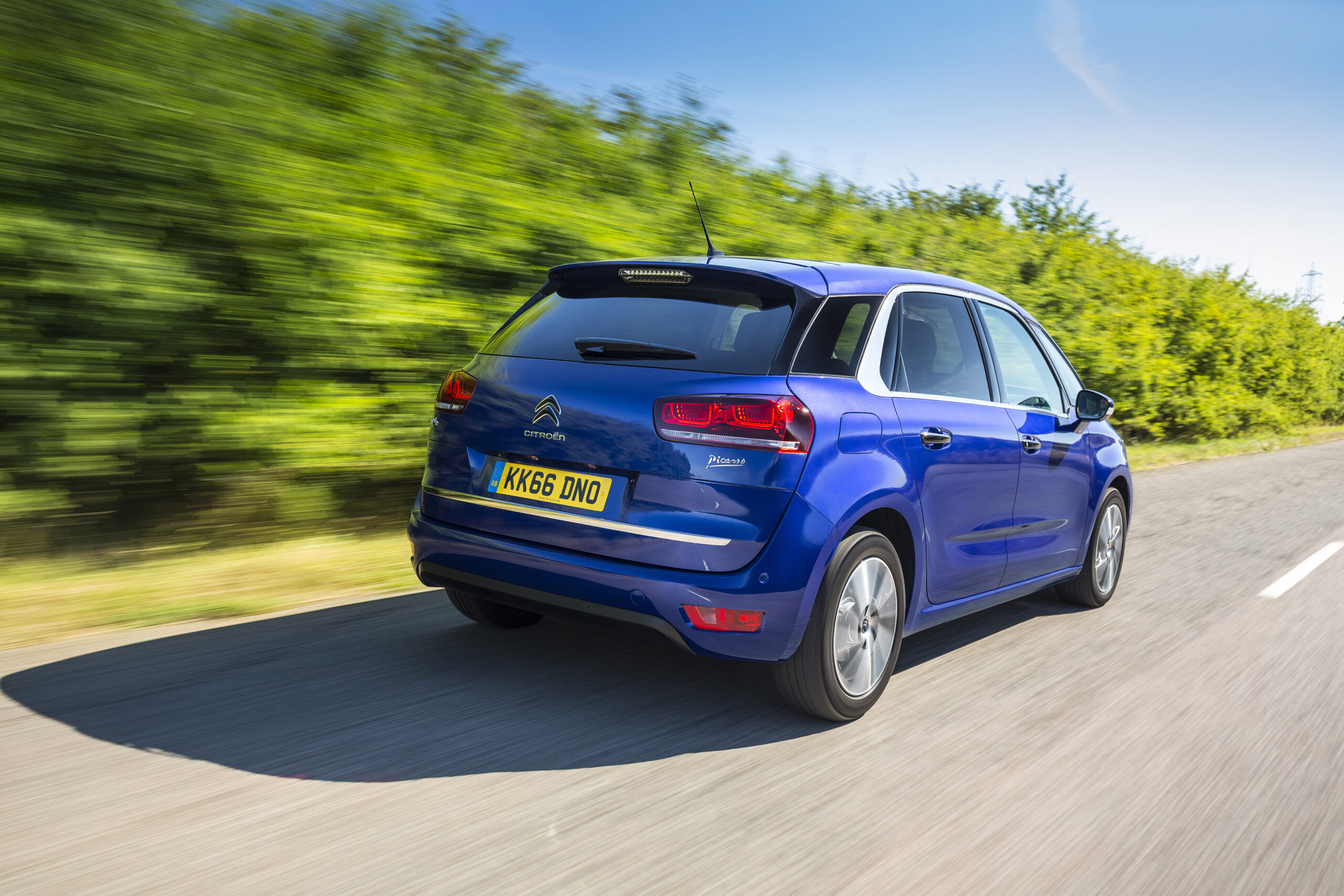
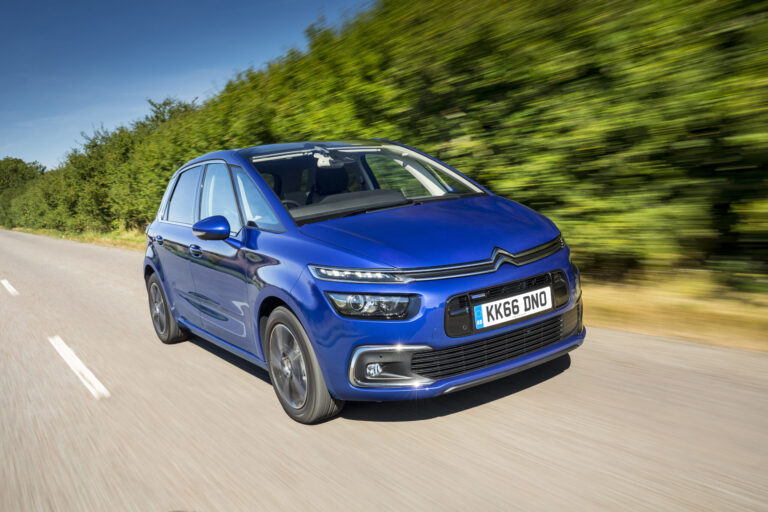
Citroën C4 Picasso: high‑tech family car with electronics and air‑conditioning issues
The C4 Picasso presented itself with a futuristic dashboard and lots of technology. That complexity also brings vulnerabilities.
Complex electronics
The large dashboard display and numerous sensors create a modern experience, but are also prone to faults. Warning lights without a clear cause, displays that fail or show strange messages are common complaints. Software updates solve a lot. Make sure you get a thorough diagnosis before replacing parts.
Air conditioning and heating
Climate control problems are common. Fans do not run, temperature control works unreliably or the air conditioning refuses to function. Sensors, control panels and filters all need attention. Schedule annual servicing.
Transmission and suspension
At higher mileages, automatic gearboxes can start to cause problems. The suspension also wears faster under heavy loads. Check the condition of the transmission and suspension before long journeys.
Diagnosis before repair
Software issues are often the culprit. Always start with a full diagnosis before you replace expensive parts. Many problems can be solved with updates or module resets.
Read more: Citroen C4 Picasso
Citroën Grand C4 Picasso: seven‑seater with extra strain
The Grand C4 Picasso offers space for seven people. This extra capacity puts more strain on technical components.
Increased wear of brakes and suspension
Driving fully loaded with seven people and luggage puts heavy demands on the brakes and suspension. Front brakes wear faster, shock absorbers and springs tire sooner. Plan more frequent inspections and replacements than you would with a lighter car.
Electrical faults around extra features
Sliding mechanisms for the second and third row of seats, extra window switches and complex controls bring additional electronic modules. These can develop faults. Regularly check all electrical functions.
Air conditioning and large interior space
The air conditioning has to climate‑control a large space, which heavily loads the system. The cooling or heating in the rear can be disappointing in particular. Have the system checked annually and replace filters on time.
Preventive maintenance for families
Large families demand a lot from their car. Stick strictly to maintenance intervals and have components replaced preventively if in doubt. That prevents annoying situations during holidays or busy moments.
Read more: Citroen Grand C4 Picasso
‘ Poor oil and coolant management leads to problems. ’
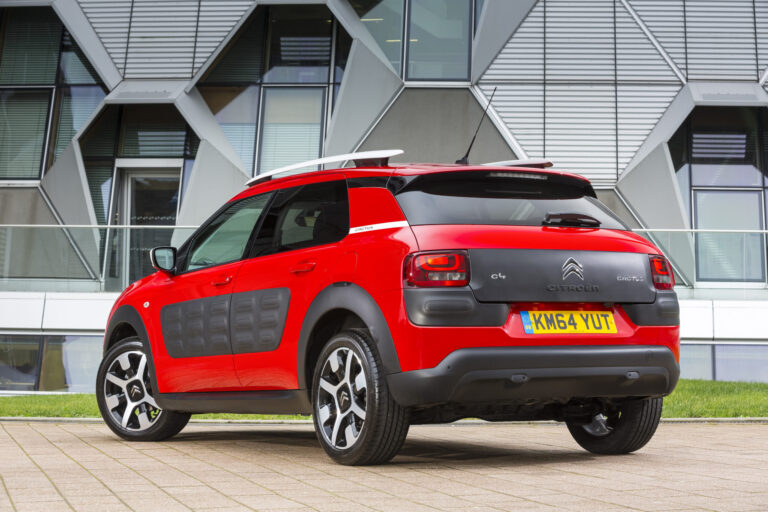
Citroën C4 Cactus: minimalist design with technical sensitivities
The C4 Cactus stood out with its Airbumps and striking styling. Technically, there are a few points to watch.
Electronic faults
Infotainment systems and controls can respond sluggishly. Touchscreens that do not respond or software that freezes are well‑known complaints. Software updates and resets often help. When buying, check that all systems work smoothly.
Comfort complaints and wear
Some owners find the seats less comfortable on long journeys. The suspension can feel on the firm side. Components also sometimes wear out faster than expected. Keep an eye on the suspension and seat adjustments.
Turbo engines and maintenance
The modern turbo engines are efficient, but require consistent maintenance. Poor oil and coolant management leads to problems. Make sure you change fluids on time according to the factory schedule. Short trips can speed up turbo wear because the engine does not warm up sufficiently.
Lightweight construction
The Cactus is built to be light. That can result in a less solid feel and more noises from the interior. Check that all clips and fasteners are properly fitted to minimise rattles.
Read more: Citroen C4 Cactus
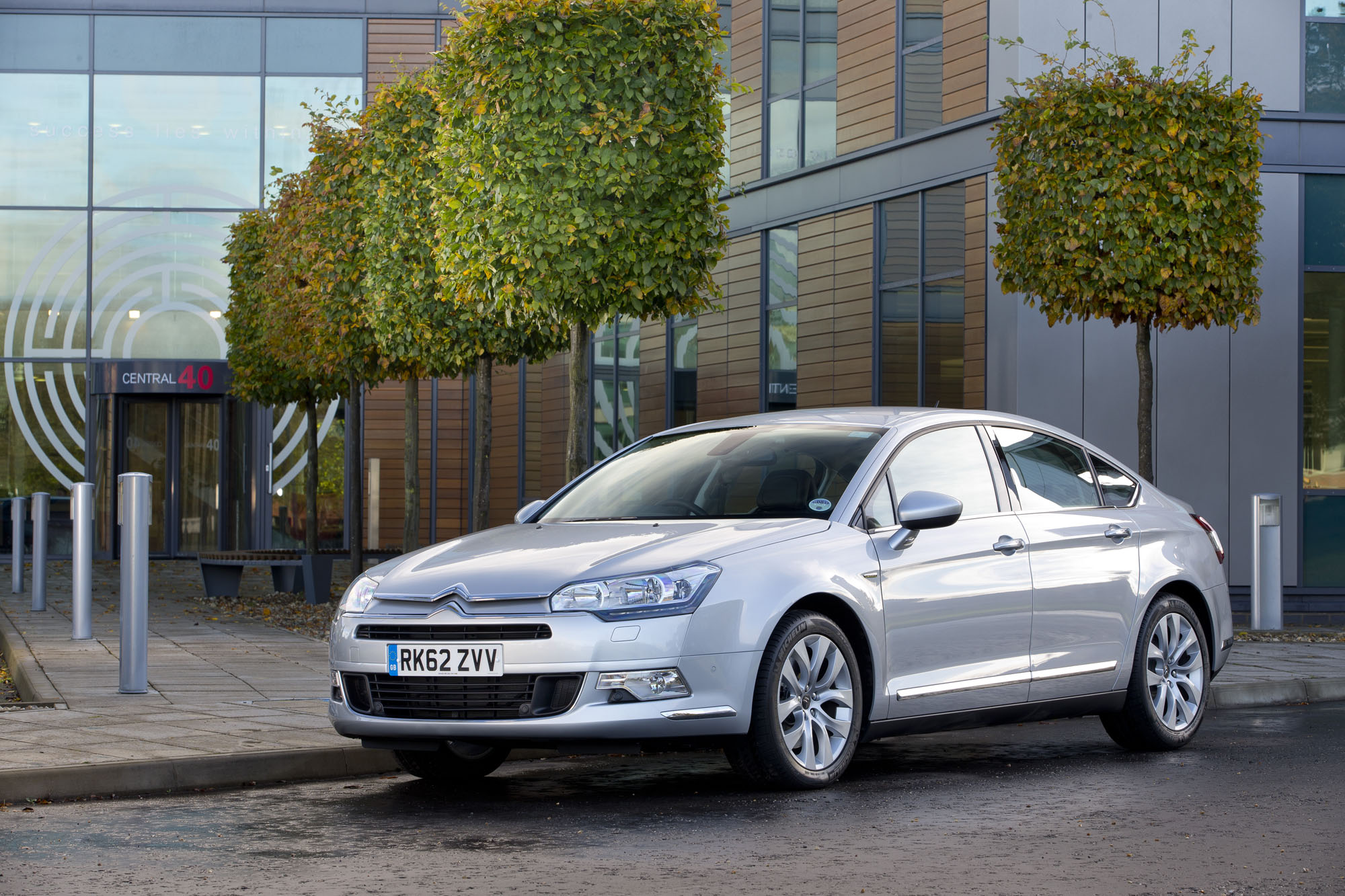
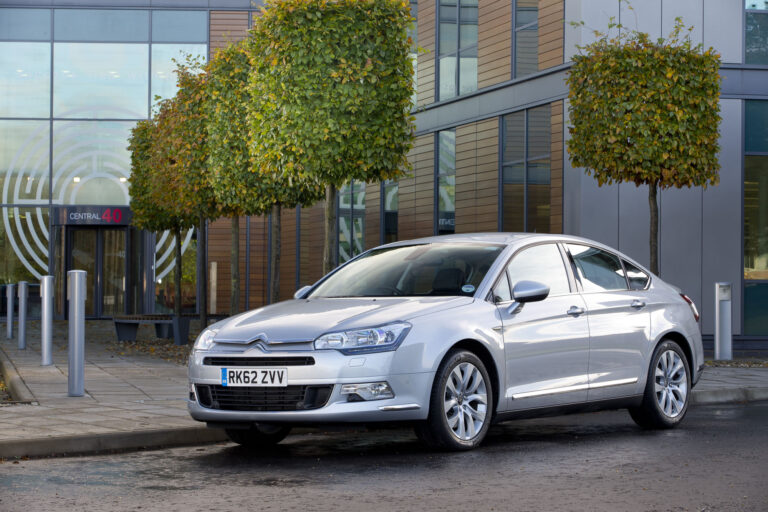
Citroën C5: comfortable with complex hydro suspension
The C5 positioned itself as a comfortable mid‑sizer with hydropneumatic suspension. That technology makes the model unique, but also vulnerable.
Hydropneumatic suspension
Leaks in hydraulic spheres and seals are very common problems. The car may sink unevenly, feel floaty or show height control issues. Repairs are specialist and expensive. When buying, carefully check whether the system works correctly. Test drive on different surfaces and check whether the car remains level after being parked overnight.
Electrical and electronic faults
The C5 also struggles with electronics issues. Comfort systems, sensors and warning lights can become unreliable. Software diagnosis and updates are often the first step.
Automatic gearbox
At higher mileages, automatic transmissions can cause problems, especially if the oil has not been changed regularly. Ensure timely fluid changes according to the factory interval, or even earlier with intensive use.
Long‑distance cruiser with care
The C5 is built for long journeys in great comfort. That works best if you carry out preventive maintenance and act immediately when problems arise. Have the hydropneumatic system checked annually by a specialist.
Read more: Citroen C5
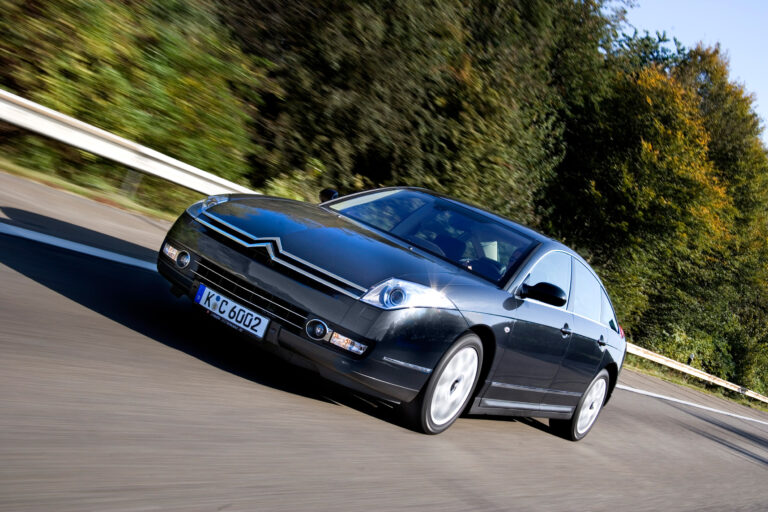
Citroën C6: luxury flagship with expensive technology
The C6 is Citroën’s absolute top model and offers unique technology and luxury. That exclusivity comes at a price.
Complex hydraulic systems
The C6 combines hydropneumatic suspension with hydraulic power steering. Both systems are susceptible to leaks and wear. Repairs require specialist knowledge and expensive parts. Look for a specialist workshop with experience of C6 maintenance.
High‑tech electronics
Head‑up display, extensive sensors, electrically adjustable seats and climate control are all complex and delicate. Faults can be difficult to diagnose. Software updates and thorough diagnostics are essential. Parts are scarce and expensive.
Maintenance costs
The C6 is a wonderful car for enthusiasts, but requires a substantial maintenance budget. Expect higher costs than with regular models. Find a specialist familiar with Citroën flagships.
Youngtimer considerations
The C6 has potential as a modern classic (youngtimer) because of its unique character. Take into account the limited availability of parts and the need for specialist maintenance. Before buying, check the full service history and have a specialist take a look with you.
Read more: Citroen C6
‘ Sliding doors that hesitate or refuse to move are very common complaints. ’
Citroën C8: spacious MPV (spacious family car) with family‑specific wear
The C8 shared technology with the Peugeot 807 and Fiat Ulysse. It offered space for large families but brings specific points of attention.
Sliding doors and electric controls
Sliding doors that hesitate or refuse to move are very common complaints. The electric operation can fail. Regularly check rails, guides and electrical connections. Lubricate mechanical parts preventively.
Air conditioning and heating in the rear
The large interior space puts the climate system to the test. The controls for the rearmost rows in particular can cause problems. Filters, fans and sensors all need attention. Have them checked annually.
Gearbox and clutch when towing
Many C8 owners use their car for towing caravans or trailers. This puts extra strain on the clutch and gearbox. At higher mileages, check the condition of these components and replace them in good time.
Checklist for a used C8
When buying, pay attention to the service history, condition of the sliding doors, air‑conditioning performance and suspension. Test all electrical functions. Ask about use as a tow vehicle and check the clutch and transmission extra carefully.
Read more: Citroen C8
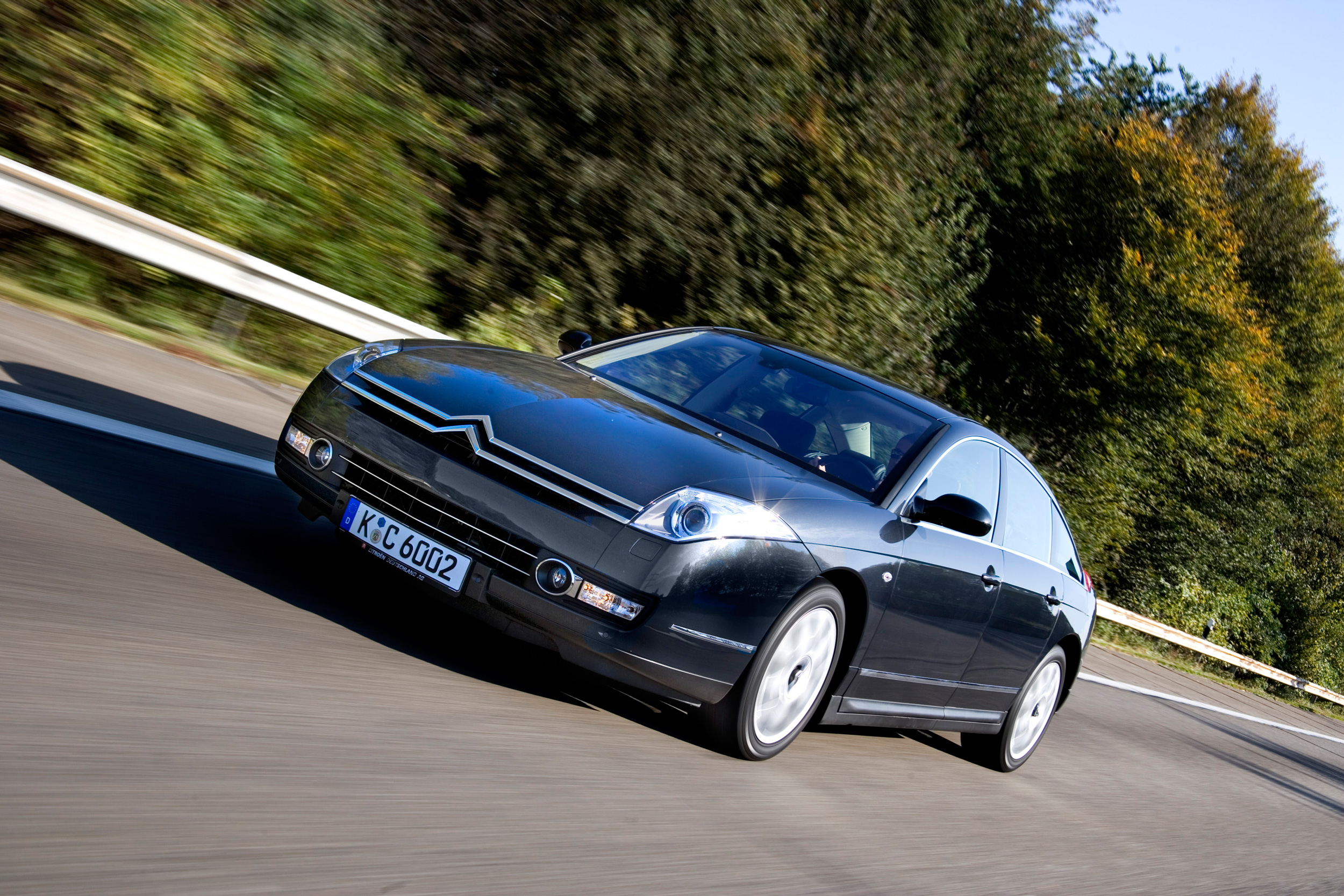
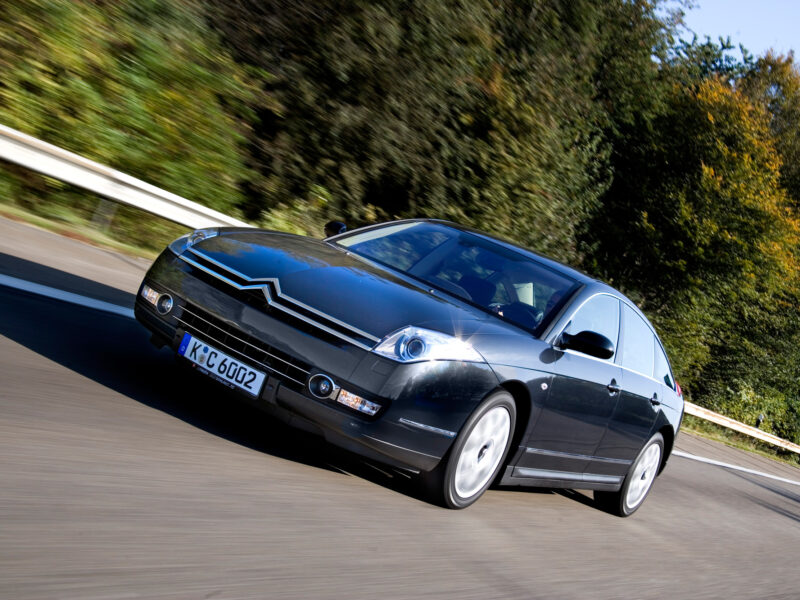
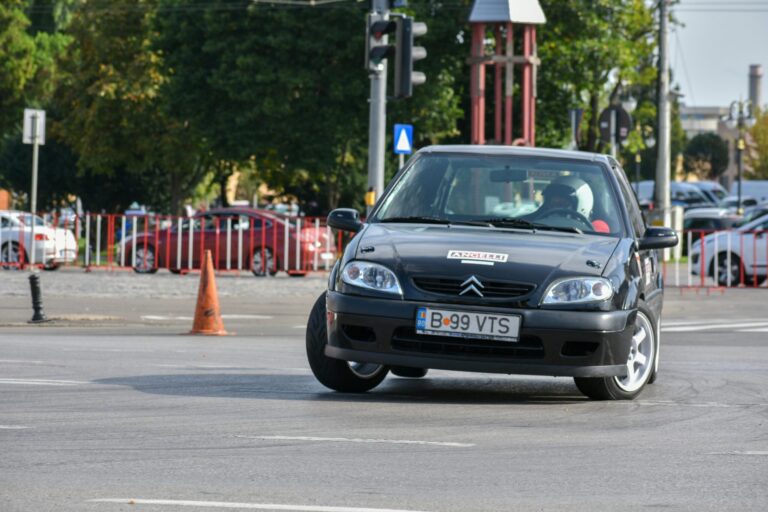
Citroën Saxo: lightweight fun with age‑related ailments
In the 1990s and early 2000s, the Saxo stood for affordable and sporty motoring. These models are now older and age‑related problems are starting to show.
Rust and bodywork
The underside and wheel arches are vulnerable spots. At the time, Citroën used relatively thin panels that corrode quickly in salt‑rich environments. When buying, carefully check the sills, wheel arches and underside. Rust spreads quickly.
Electrical faults
Window switches, central locking and lighting frequently play up. The cause is often ageing wiring or loose connectors. Replacing relays and checking earth connections solves a lot.
Suspension and wear
Sporty driving leads to faster wear of bushes, shock absorbers and control arms. During a test drive, listen for knocking noises and feel for uneven handling. Replace worn parts in good time to prevent further damage.
Read more: Citroen Saxo
Citroën Xsara: compact mid‑sizer with electronics issues
The Xsara brought Citroën into the C‑segment and offered a lot of space and comfort for a reasonable price. Technically it still has a few points of attention.
Electronic faults
Dashboard issues, strange warning lights and misbehaving sensors are part of the Xsara experience. Airbag warnings that stay on sometimes point to contact problems under the seats. A thorough diagnosis with specialist software is often needed to pinpoint the exact cause.
Gearbox and clutch
At higher mileages, problems sometimes occur with the manual gearbox. The clutch and flywheel may need replacing after 150,000 kilometres, depending on driving style. Make sure to have the clutch mechanism and gearbox cables checked regularly.
Suspension and steering
Track‑rod ends, control arms and anti‑roll‑bar links can wear. During a test drive you notice this as vague steering or knocking noises over bumps. Plan timely replacement.
Read more: Citroen Xsara
‘ Family use with a fully loaded boot and four or five people on board puts the suspension heavily to the test. ’
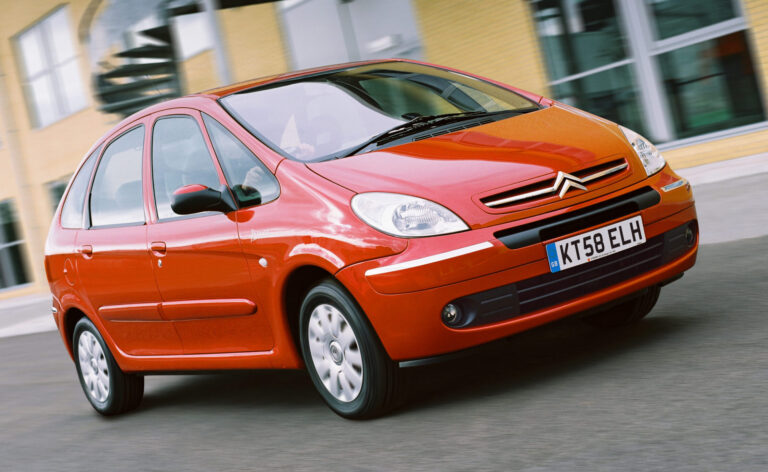
Citroën Xsara Picasso: space wonder with known weak spots
The Xsara Picasso offered families a spacious, high seating position with lots of practical storage compartments. Technically, the model shares much with the Xsara, but the higher weight and more intensive use bring extra points of attention.
Electronic complaints
Central locking that works unreliably, windows that move slowly or no longer move at all and warning lights that come on without reason are common. The cause is often contact problems or defective control modules. Also check earth connections and battery condition.
Air conditioning and ventilation
The air‑conditioning control panel can fail. Users report that temperature knobs do not respond or that fan speed drops off sharply. Sometimes sensors or the control unit need replacing. Have the system checked annually and replace filters on time.
Suspension under load
Family use with a fully loaded boot and four or five people on board puts the suspension heavily to the test. Shock absorbers and springs therefore wear faster. Before long holiday trips, check the condition of the suspension.
Read more: Citroen Xsara Picasso
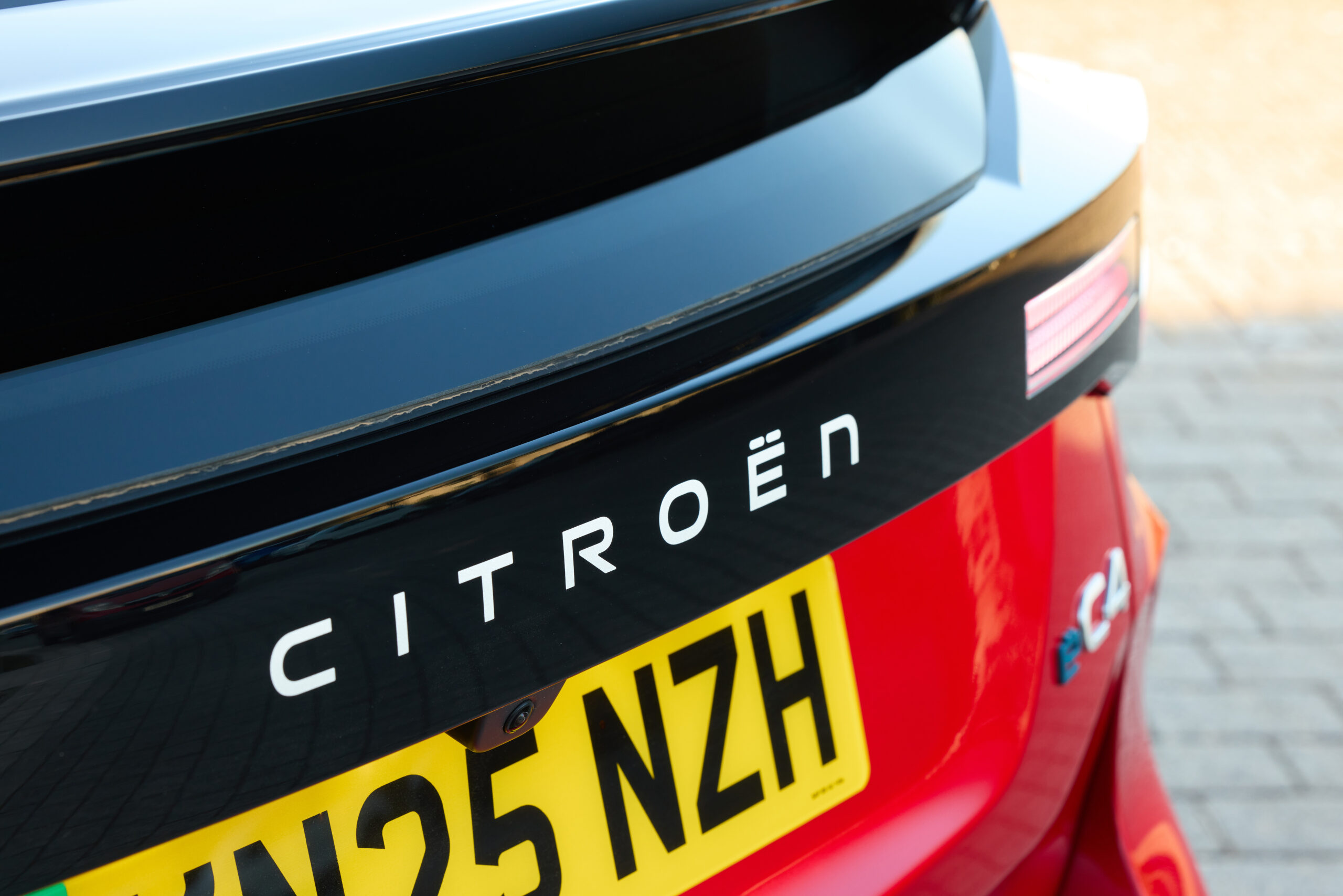
Turbocharger and modern Citroën engines
Many modern Citroëns are equipped with turbo engines for efficiency and performance. That technology does require specific attention.
Symptoms of turbo problems
Turbo lag (delay in power build‑up), whistling or hissing noises, noticeable loss of power and exhaust smoke all point to turbo problems. Increased oil consumption can also be a sign.
Causes of turbo damage
Contaminated engine oil is a turbo’s biggest enemy. Poor maintenance, short trips where the engine does not reach temperature and poor cooling speed up wear. Air‑intake contamination from old or poor‑quality air filters also damages the turbo.
Prevention through maintenance
Change engine oil according to the manufacturer’s advice, or even earlier with intensive use. Regularly check coolant levels and replace air filters on time. After a motorway drive, let the engine idle briefly before switching off so that the turbo can cool down gently.
Models with turbo engines
C3, C4, C4 Cactus and C3 Aircross are frequently fitted with turbo versions. On these models, be especially meticulous with maintenance. When buying a used car, ask about the maintenance history and oil changes.
Maintenance tips: how to prevent many Citroën problems
Preventive maintenance makes the difference between years of driving pleasure and constant repairs. These tips apply broadly across the Citroën range.
Regular diagnosis of electronic systems
Electronic problems are often software‑related. Have a full diagnosis carried out annually by a specialist with proper Citroën software. Software updates solve many faults without the need for expensive parts.
Time‑based fluid replacement
Replace engine oil, brake fluid, transmission oil and coolant according to the factory interval. With intensive use (many short trips, towing, city traffic), more frequent changes may be wise. Fluid quality largely determines the lifespan of mechanical components.
Inspection of suspension, brakes and rust‑prone areas
Check the suspension for leaks, cracks and wear. Regularly inspect brake pads, discs and lines. Examine wheel arches, sills and areas around windows for rust. Treat small rust spots immediately before they spread.
Battery maintenance and electronics
A good battery is crucial for stable electronics. Weak voltage causes all sorts of odd faults. Replace the battery preventively after four to five years or at the first signs of weakness. Check the battery terminals for corrosion.
Extra care in winter and salt‑rich environments
Salt speeds up corrosion. Wash your car regularly, including the underside. If possible, apply extra protection to vulnerable areas. Check rubber seals for cracks, as salt and frost quickly damage them.
‘ The well‑known weak points do not have to be a deal‑breaker if you choose consciously, maintain preventively and act promptly when problems arise. ’
Choosing and driving smart: which Citroën suits you?
Now that you know the well‑known weak points of each model, you can choose consciously and run your car with minimal problems.
Weighing known weak points against your use
Do you mainly drive in town? Then the simple C1 is a logical choice, as long as you accept that clutch and brakes will wear faster. Do you drive many motorway kilometres? Then the C5 offers comfort, provided you take into account maintenance of the hydropneumatic suspension. Do you have a large family? The Grand C4 Picasso offers space, but needs preventive maintenance of brakes and suspension.
Maintenance history as your compass
When buying a used Citroën, always check the complete service history. Look for regular oil changes, fluid renewals and suspension checks. Ask about specific repairs already carried out. Models with incomplete or missing histories are riskier.
When a specialist is worthwhile
It is best to have complex models such as the C5, C6 and cars with hydropneumatic suspension looked after by a specialist workshop. Specialist knowledge is also valuable for electronics diagnostics. Look for a garage with Citroën experience and the right diagnostic software.
Conscious choice for long‑term enjoyment
Citroën offers characterful cars with distinctive comfort and design. The well‑known weak points do not have to be a deal‑breaker if you choose consciously, maintain preventively and act promptly when problems arise. That way you can enjoy your Citroën for many years.
Carnews provides extensive information, reviews and tips for car enthusiasts. Whether you are looking for a used Citroën or want to know more about maintaining your current model, at Carnews you will find reliable information that helps you make the right choices and get more enjoyment from your car.