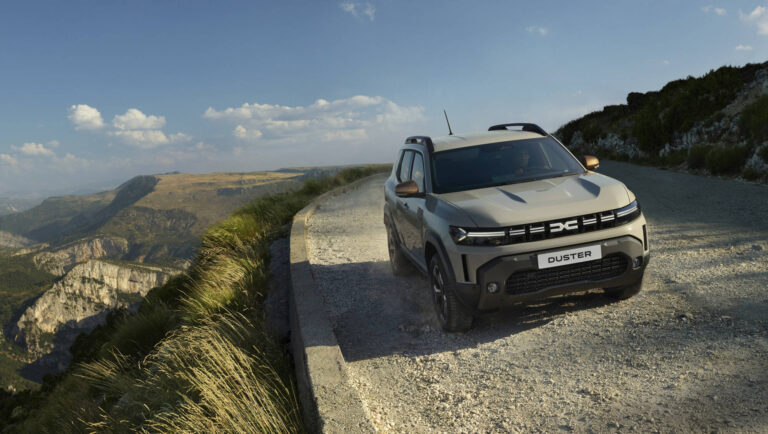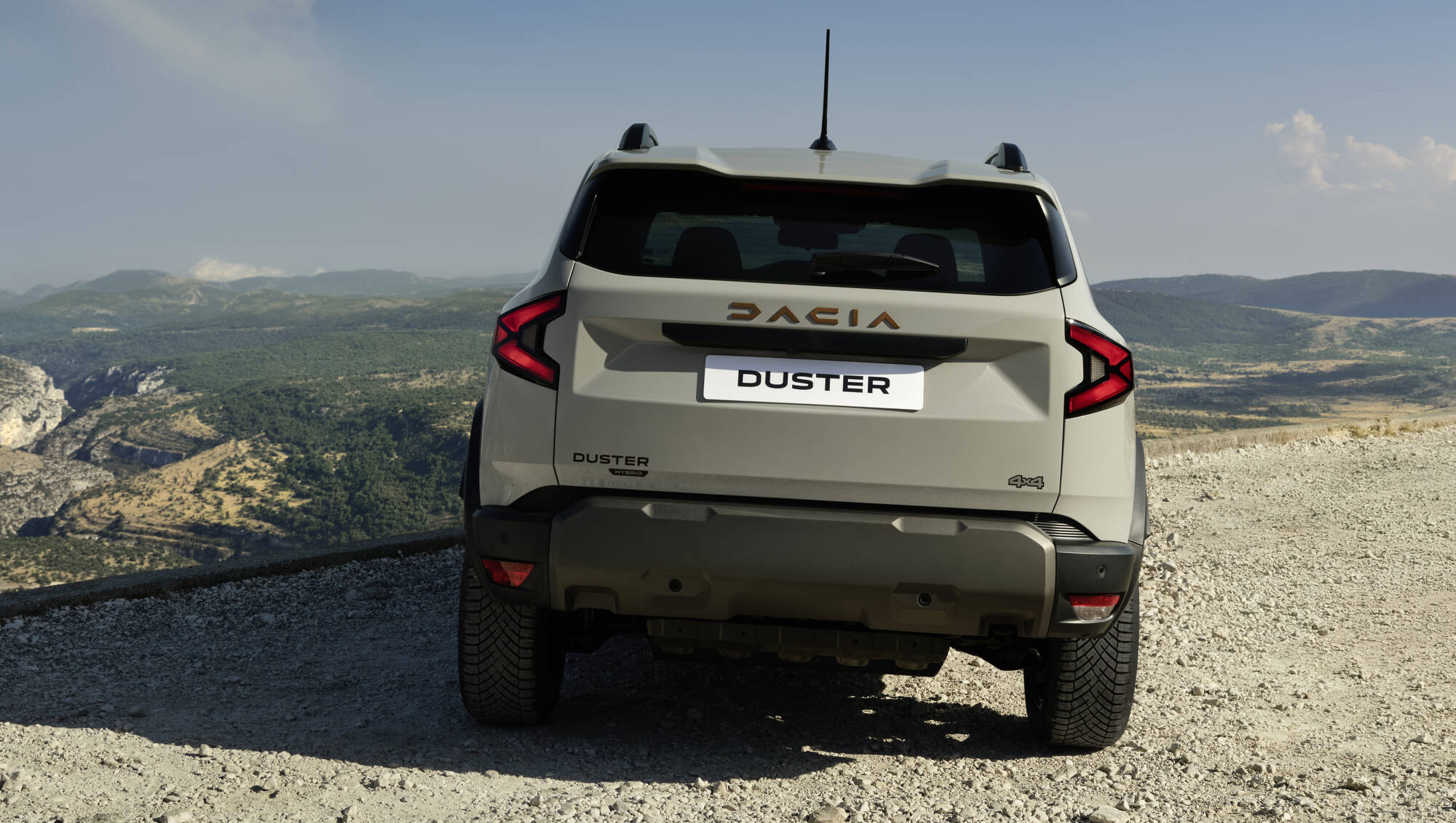
Dacia Duster: what you need to know about reliability and common problems
The Dacia Duster has proven itself as an affordable SUV that offers a lot of value for money, but reliability remains an important point of attention for owners and for people considering a used example. This Romanian SUV scores reasonably on reliability, especially if you take the sharp price into account. However, the Duster does have specific weak spots that crop up regularly in certain model years and engine variants. This article takes you through the known problems and gives you concrete guidelines to recognise and prevent them.
The Duster balances between price, quality and reliability
The Dacia Duster is designed as a no-nonsense SUV. For the brand, functionality is more important than luxury. New models start at around 18,000 euros. Used examples are even cheaper. The Duster attracts buyers who are looking for a spacious and practical vehicle without paying through the nose. That affordability partly comes from simple construction and proven technology from the Renault group.
The Duster’s reliability is often rated as average to reasonable. Many owners are satisfied, especially when they consider what they paid for it. At the same time, users of older models regularly report complaints about engine problems, electrical faults and weak suspension and chassis components. Curious about broader problems within the brand? Then take a look at the overview of Dacia car problems for more context.
What Duster buyers expect often determines how satisfied they are. Those who expect the Duster to be as trouble-free as a Japanese competitor may be disappointed. Those who see it as a robust workhorse with acceptable maintenance are usually more content. The Duster remains popular for two reasons. Its problems are usually easy to fix. In addition, spare parts remain affordable.
‘ The 1.6-litre petrol engine, especially in models built before 2013, is known for problems with the spark plug well and leaking valve cover gaskets. ’
Engine problems that regularly occur
Over the years the Duster has been fitted with various petrol and diesel engines. The 1.6-litre petrol engine has its own weak spots, as do the 1.2 TCe turbo engine and the 1.5 dCi diesel. The 1.6-litre petrol engine, especially in models built before 2013, is known for problems with the spark plug well and leaking valve cover gaskets. This can lead to oil loss and vibrations while driving. The timing chain can also stretch at high mileages, causing irregular engine noise and reduced performance.
The 1.2 TCe turbo petrol engines, which appeared in the Duster from 2013 onwards, also have a mixed reputation. Owners sometimes report problems with the turbocharger and the variable valve timing system. Noises when starting, or a sudden loss of power, are typical symptoms. The turbo can also start leaking or seize up over time, which leads to expensive repairs.
The 1.5 dCi diesel engine is popular thanks to its fuel efficiency, but problems also build up here if maintenance is poor. The EGR valve (exhaust gas recirculation valve that sends exhaust gases back to lower emissions) regularly gets clogged, especially with lots of short trips. This can lead to smoke, reduced power and higher fuel consumption. The dual-mass flywheel (a component between engine and gearbox that damps vibrations) and the injectors are also sensitive points at higher mileages. The diesel particulate filter (DPF, a filter that captures soot particles from the exhaust gases) becomes clogged if the car is mainly used for short journeys.
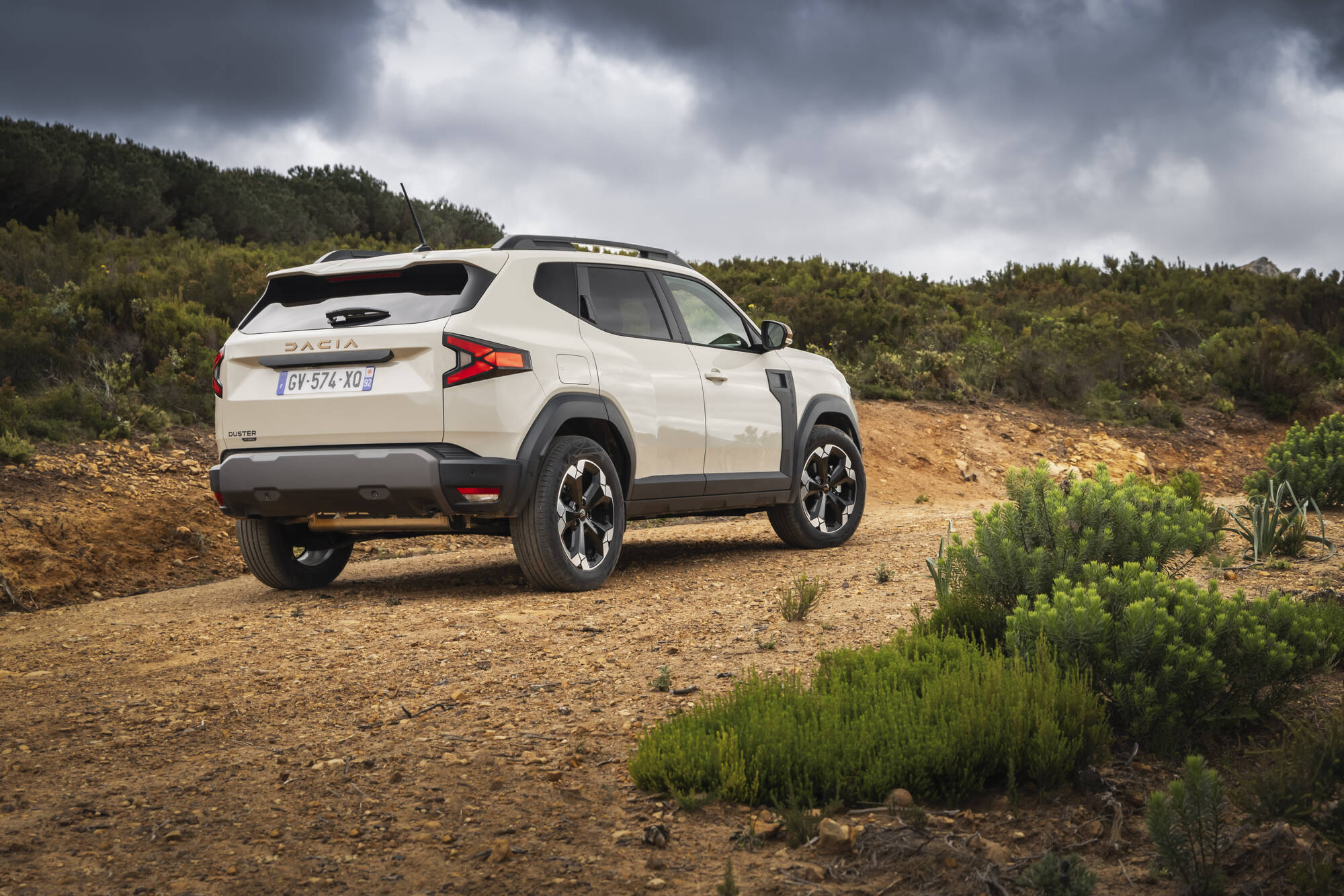
Transmission and clutch need attention
The Duster’s manual gearbox is generally regarded as reliable, but the clutch can wear quickly under heavy use or at high mileages. Owners sometimes report a heavy or spongy clutch pedal, or even clutch slip when pulling away. In particular, models that have been used for towing or off-road driving may need a clutch replacement earlier.
The automatic transmission, which is available in some versions, occasionally shows shifting problems. Jerking when changing gear, delayed response or holding on to gears for too long are signs that the automatic gearbox needs attention. This may be due to ageing transmission fluid or internal wear. Regularly replacing the transmission fluid helps to prevent such problems.
On four-wheel-drive models, the transfer unit between front and rear drive can also cause problems. Noises when cornering or vibrations during acceleration are signals that the driveline should be thoroughly checked.
Chassis and suspension: typical wear and weaknesses
The Duster’s chassis is designed to be robust, but certain components wear faster than you might expect. Ball joints and control arm bushes can be worn from as little as 60,000 kilometres, especially with heavy use on poor road surfaces or off-road terrain. Knocking noises over bumps or play in the steering are typical symptoms.
Shock absorbers regularly fail on older models. Soft or bouncy handling, or visible oil leakage around the shock absorber, indicates that replacement is needed. The coil springs can also sag over time, leading to a lower ride height and less comfort.
The anti-roll bars and their bushes are also sensitive points. Rattling or tapping noises when driving over bumps often indicate worn anti-roll bar bushes. The good news is that these parts are relatively cheap and easy for a garage to replace.
‘ That leads to warning lights on the dashboard and in some cases to safety systems being disabled. ’
Electrics and interior: faults that frustrate
The Duster’s electrics are simple, but not problem-free. Sensors, especially those for the ABS (anti-lock braking system that stops the wheels locking under heavy braking) and ESP (electronic stability programme that prevents skidding), can fail or malfunction. That leads to warning lights on the dashboard and, in some cases, to safety systems being disabled. The parking sensors on older models also regularly give error messages or stop working altogether.
Newer generations are fitted with an infotainment system. That system is prone to software problems. Frozen screens, issues with Bluetooth connections or an unresponsive touchscreen are frequently reported complaints. Sometimes a software update helps, but in other cases the system has to be replaced.
Inside, you mainly see wear on the trim materials. Buttons and switches can break, seat upholstery shows wear quite quickly and window mechanisms occasionally cause problems. The electric windows do not always operate smoothly or stop halfway, often due to worn mechanisms or faulty switches.
Rust and bodywork weaknesses
Rust is not a widespread problem on the Duster, but certain areas are vulnerable. Pay particular attention to the wheel arches, the bottoms of the doors and the inner wings. Models that have been used in coastal areas or in regions where roads are gritted with salt are at higher risk. Small stone chips that are not repaired quickly can also lead to rust.
The bodywork itself is reasonably solid, but paint damage does occur. The paint is not always of the highest quality and can peel or fade after long-term exposure to sun and weather. Small dents and scratches are almost always present on used models, especially on cars that have been driven off-road.
When buying a used Duster, also check the seams on the underside of the car and look at the welds there. Moisture can collect in those areas and cause rust without you noticing it straight away. A thorough inspection on a lift is recommended.
Preventive maintenance extends its lifespan
Regular maintenance is very important for a Dacia Duster. Make sure engine oil, filters and fluids are replaced on time. Stick to the service intervals recommended by Dacia. Pay particular attention to the engine oil and air filters, as contamination quickly leads to engine problems.
Regularly check the timing belt or chain. Which one you have depends on the engine type. On belt-driven engines, the timing belt must be replaced according to the schedule, often around 100,000 kilometres or every five years. Failing to do this can cause serious engine damage.
Also keep an eye on the coolant. It needs to be renewed every few years to keep the cooling system working properly. Likewise, pay attention to the brake fluid. That also needs to be changed regularly to keep the braking system working properly. It also helps to check the battery, especially in winter. A weak battery can cause starting issues and put strain on the electronics.
For diesel models it is wise to make regular longer journeys to allow the DPF (diesel particulate filter) to regenerate. Cleaning the EGR valve, or having it cleaned, also helps to prevent clogging problems.
‘ Early diagnosis prevents small issues from turning into expensive repairs. ’
What should you do if a problem arises?
If you notice symptoms such as strange noises, warning lights or reduced performance, have the car checked quickly. Early diagnosis prevents small issues from turning into expensive repairs. Go to a garage that has experience with Dacia or Renault, as many parts and systems are shared between these brands.
For electrical faults, use a diagnostic tool to read the fault codes. You plug such a device into the car’s OBD2 port. This gives clarity about which sensor or module is causing the problem. Some owners buy a simple OBD2 scanner themselves so they can quickly check issues.
For engine problems such as oil leaks or noises, it is sensible not to wait too long. Continuing to drive with a leaking gasket or a worn timing chain can cause severe damage. Have a mechanic determine the cause and weigh up the repair costs against the value of the car.
For chassis problems, it helps to have the car thoroughly checked for play and wear. Many garages do this as part of the MOT test, but you can also ask for it in between. Replace ball joints, control arm bushes and shock absorbers as soon as they are found to be worn.

What to look out for with a used Duster
If you are buying a used Dacia Duster, first check its service history. A complete service history with stamps and invoices is a good sign. Pay particular attention to whether the timing belt or chain has been replaced on time and whether the fluids have been changed regularly.
Test the car thoroughly during a test drive. Listen out for unusual engine noises, shifting problems, vibrations and smoke from the exhaust. Check whether all the electrics work, from the windows to the infotainment system. Faulty systems can be expensive to repair.
Carefully inspect the chassis. Look at the condition of the shock absorbers, suspension, braking system and ball joints. If possible, ask whether you can put the car on a lift to get a good look at the underside. This makes rust and leaks easier to spot.
Also check the mileage. Compare the number of kilometres with the condition of the interior and exterior. A low mileage with lots of wear may indicate tampering. If in doubt, have an independent inspection carried out by a specialist. That does cost money, but it helps you avoid buying a car with hidden defects.
Is the Duster a reliable choice despite the problems?
The Dacia Duster scores average on reliability, but remains an attractive choice because of its low purchase price, space and maintenance costs. The known problems are often preventable with good maintenance and attentiveness. Anyone prepared to carry out regular preventive maintenance and tackle minor defects in good time can enjoy this SUV for many years.
For those buying a new example, the more recent generations have been improved in terms of materials and technology. The hybrid models also offer more modern drivetrains that are more economical and cleaner. Used buyers are well advised to focus on well-maintained examples with a complete service book.
Bear in mind that the Duster does not offer the carefree ownership of more expensive brands, but that repair and parts costs are lower. The balance between price and reliability remains favourable, especially for those who consciously choose simplicity and functionality.