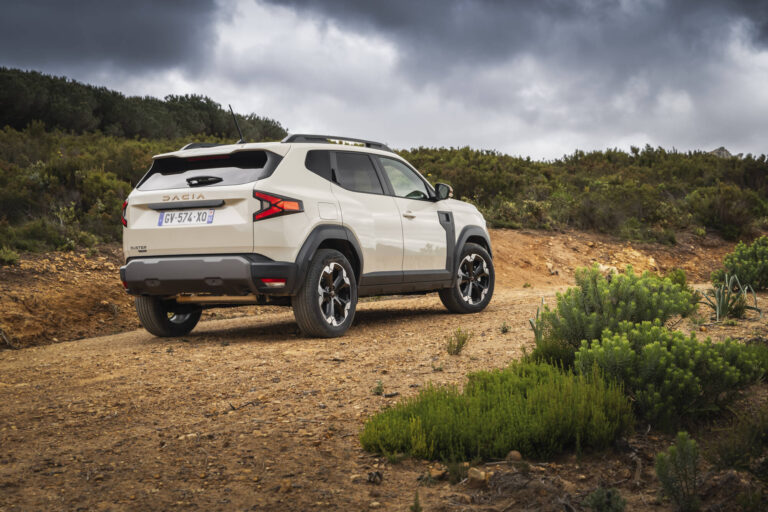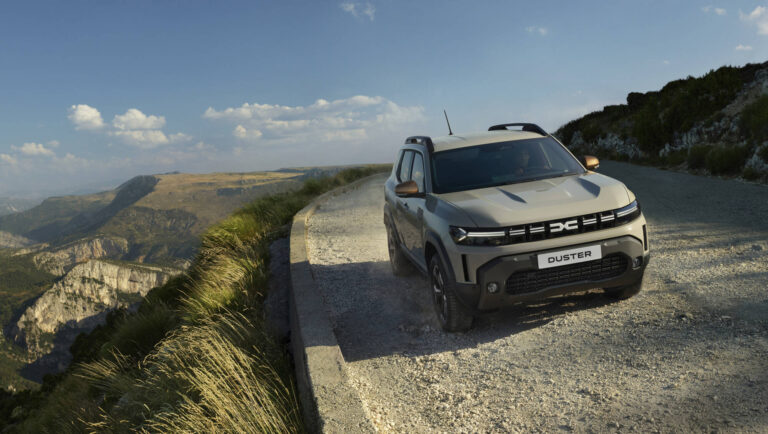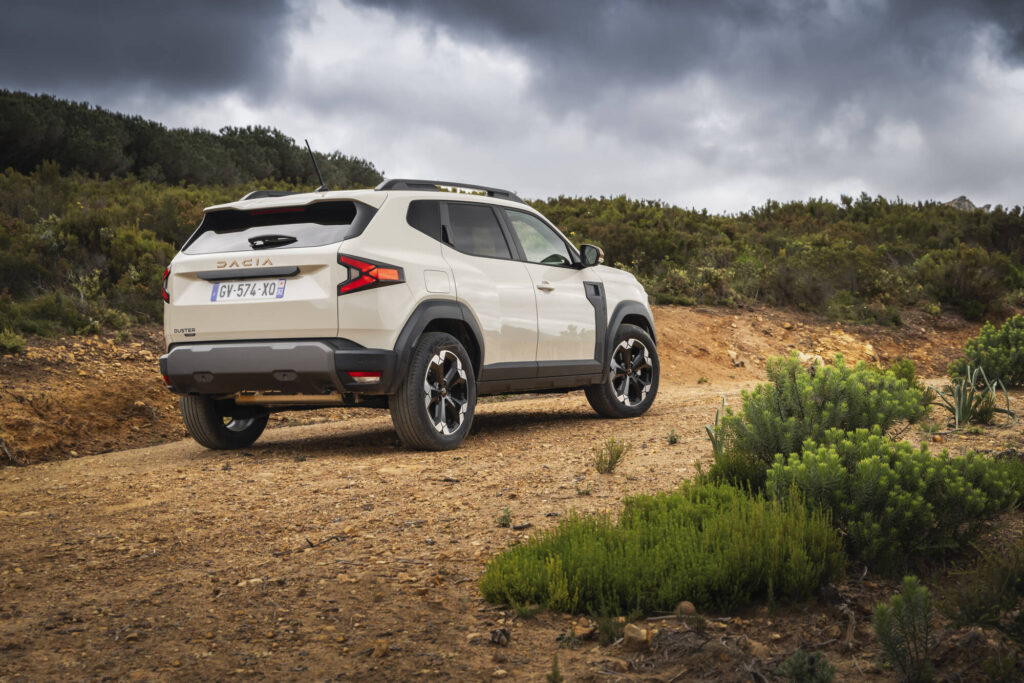
Problems with the CVT transmission in the Dacia Duster often start with hesitation, jerking or a delayed response when accelerating. Not every unusual feeling means the automatic gearbox is faulty. However, continuing to drive with wear can cause irregular behaviour and high repair costs. So also take a look at the known issues of the Dacia Duster and learn which signs call for action.
How does the Dacia Duster CVT automatic work?
CVT stands for continuously variable transmission. This type of automatic gearbox does not use fixed gears like a manual gearbox or traditional automatic. The transmission continuously adjusts the gear ratio. It does this using pulleys and a belt or chain. As a result, the engine can hold the same revs for longer while the vehicle continues to gather speed.
This sometimes causes the well-known elastic effect. You press the accelerator, the engine speed rises quickly and the increase in speed follows a little later. That behaviour is partly part of a CVT’s character and does not immediately indicate damage. However, clear jolts, slipping and strongly fluctuating revs do not fit with a properly functioning transmission.
If in doubt, first check which type of automatic gearbox the car has. The range of engines and transmissions varies by model year. There may also be differences between markets. A garage can identify the type from the vehicle details and identification number.
How can you spot CVT problems in the Dacia Duster?
CVT problems in the Dacia Duster are usually noticeable when pulling away and accelerating. The automatic gearbox then does not respond smoothly to the accelerator pedal. The symptoms sometimes first appear only when the transmission is cold or warm. Later, they may recur more and more often.
While driving, look out for the following symptoms:
- The car hesitates before pulling away from a standstill.
- The transmission jerks during gentle or firm acceleration.
- The engine speed rises without a matching increase in speed.
- The drive seems to cut out briefly.
- You can hear a whining, howling or metallic noise.
- The transmission responds irregularly when it is warm.
- A fault message appears or the car goes into limp mode.
A high and fairly constant engine speed during hard acceleration can be normal. With slipping, however, the revs rise without the speed following logically. Repeated jerking and a long delay when engaging drive or reverse also warrant investigation.
Why does the CVT automatic judder during acceleration?
Juddering can have several causes. Worn or contaminated transmission fluid reduces lubrication and cooling in the automatic gearbox. As a result, pressure control may work less effectively. You notice this as jerking, slipping or a delayed response.
Wear on the belt, chain or pulleys can also affect the behaviour. These components must transfer drive force under varying loads. Wear can create instability and eventually lead to loss of drive.
Lots of town driving puts the transmission under stress because of the constant stopping and starting. Heavy use, such as towing a trailer, also creates more heat. On a cold start, the CVT may feel temporarily less smooth. That behaviour should ease once the driveline reaches operating temperature.
Possible causes of irregular acceleration include:
- old or incorrect transmission fluid;
- a fluid level that is too low because of a leak;
- wear to internal transmission components;
- problems with sensors or pressure control;
- an electronic fault or control issue;
- overheating due to prolonged load.
A proper diagnosis will reveal the exact cause. Simply replacing the fluid will not help if internal parts are already damaged. So have the stored fault messages, or fault codes, read out. Also have the fluid condition, leaks and mechanical noises assessed.
What are the repair costs for a Dacia Duster CVT?
The repair costs for a Dacia Duster CVT depend greatly on the fault. Transmission fluid maintenance is less involved than repairing the pulleys or other internal parts. Overhauling or replacing the entire automatic gearbox can, by contrast, result in a high bill.
The cost is determined by, among other things:
- the cause and extent of the wear;
- the availability of individual parts;
- the choice between repair, overhaul and replacement;
- the garage’s labour rate;
- the need to reset the software;
- any damage caused by overheating or continuing to drive.
Always ask for a diagnosis first. Only then agree to a major repair. Ask the garage to list all parts to be replaced on the quotation. Also check what warranty you get on the work. For an older Duster, it is wise to weigh the repair costs against the vehicle’s value and overall condition.
Consider a second opinion if the garage proposes full replacement. Have this assessment carried out by a transmission specialist. Some faults can be repaired in a targeted way. Other damage calls for an overhaul. So have the transmission inspected thoroughly. That way, you get a reliable picture of the difference.
Can you limit damage to the CVT transmission?
Good maintenance reduces the chance of contamination and overheating. Follow the car’s maintenance information for this. Also check the requirements for the specific transmission. Use only transmission fluid with the specified specification. The wrong fluid can disrupt its operation.
These steps help you spot problems earlier:
- Check the service history and previous transmission work.
- Have leaks and the fluid level checked.
- Drive gently until the engine and transmission are warmer.
- Avoid prolonged heavy loads when warning signs appear.
- Have fault codes read as soon as a warning appears.
- Arrange an inspection if new jerking, slipping or noises occur.
Fault codes are error codes stored in the system. Do not clear these codes simply to hide the symptoms. A code refers to a specific system. That system has recorded an abnormality. The underlying cause remains if no inspection or repair follows.
Should you avoid a Dacia Duster with a CVT?
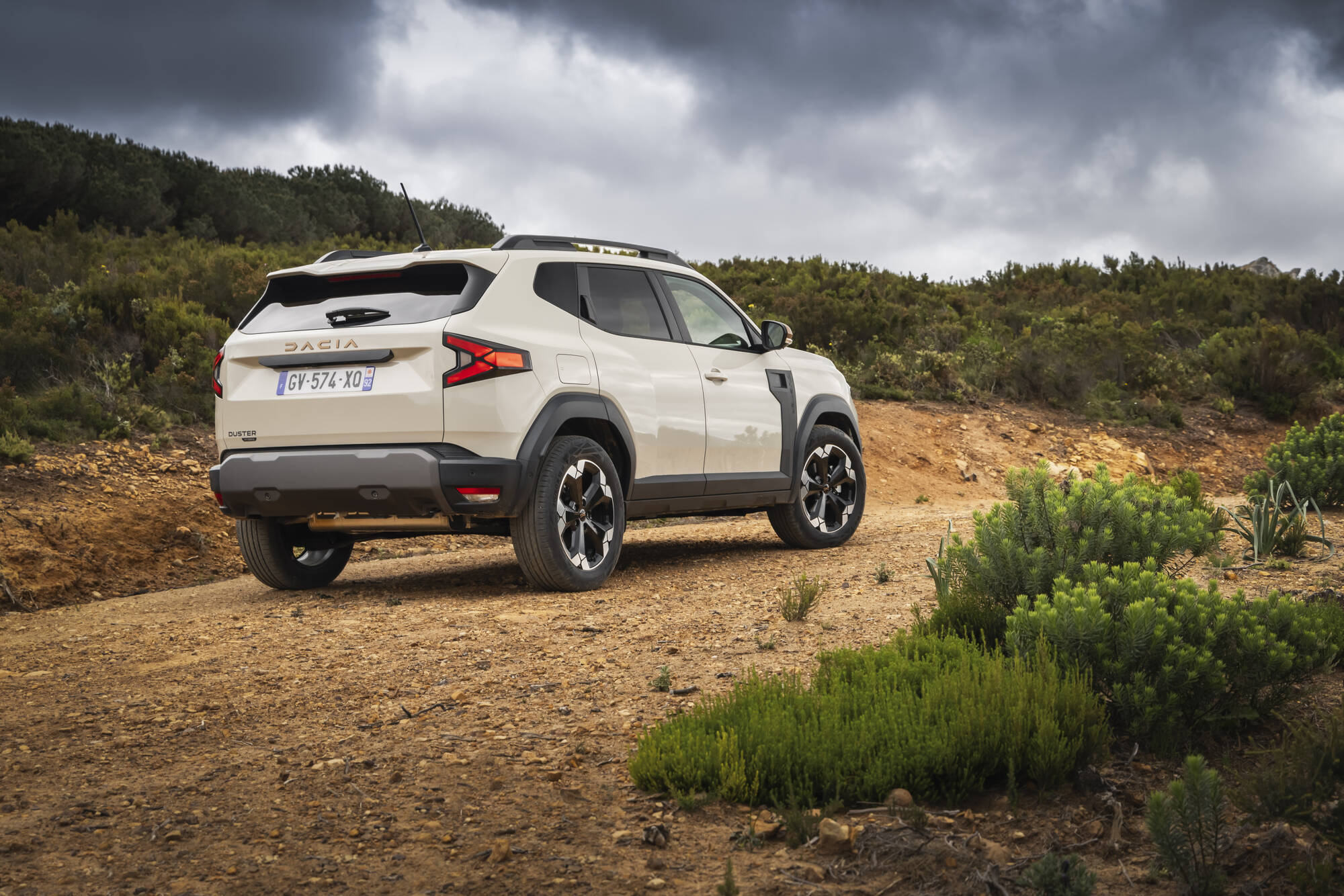
You do not automatically need to avoid a Dacia Duster with a CVT. A well-maintained example can be comfortable to drive, especially with a calm driving style. First look at the service history. Also take it for a proper test drive and have the car checked technically. These points give a better picture of the risk than the transmission type alone.
When considering a used Duster, start with a test drive from cold. Repeat the test drive once the car is warm. Pay attention to the response when pulling away and accelerating gently. Then check its behaviour when giving it plenty of throttle and when reversing. Also test the car in slow-moving traffic. Irregular behaviour is often easy to notice there.
Be cautious when there is no proof of maintenance. Also remain sceptical if the seller dismisses jerking as normal CVT behaviour. Rising revs can be part of this technology. Slipping, hard jolts, warning lights and metallic noises are not. If in doubt, have an independent diagnosis carried out before buying.
On the Carnews website you will find much more information about car problems, maintenance, pre-purchase checks and transmissions. Explore the related topics and head out well prepared in your current or next car.
Frequently asked questions
The most common symptoms are jerky or hesitant acceleration, delayed pull-away and a clear whining, howling or metallic noise. A ‘rubber band effect’, overheating, error messages or limp mode can also occur. In severe cases, the transmission slips or the drive fails completely.
A CVT accelerates smoothly and keeps the engine continuously in its optimum rev range, which can deliver good performance. During sporty driving, however, it often feels less direct because of the ‘rubber band effect’: the revs rise quickly while the speed follows with a delay. The sustained high revs and whining engine noise also reduce the sporty feel. Some modern CVTs imitate fixed gears to offer more response and engagement.
Change the CVT fluid on time and use only the specified grade. Have leaks, fault messages and unusual noises checked regularly. Drive gently when starting from cold and avoid prolonged heavy loads, such as frequent hard acceleration or towing. Have jerking, slipping, whining or delayed response investigated immediately to prevent greater damage.