
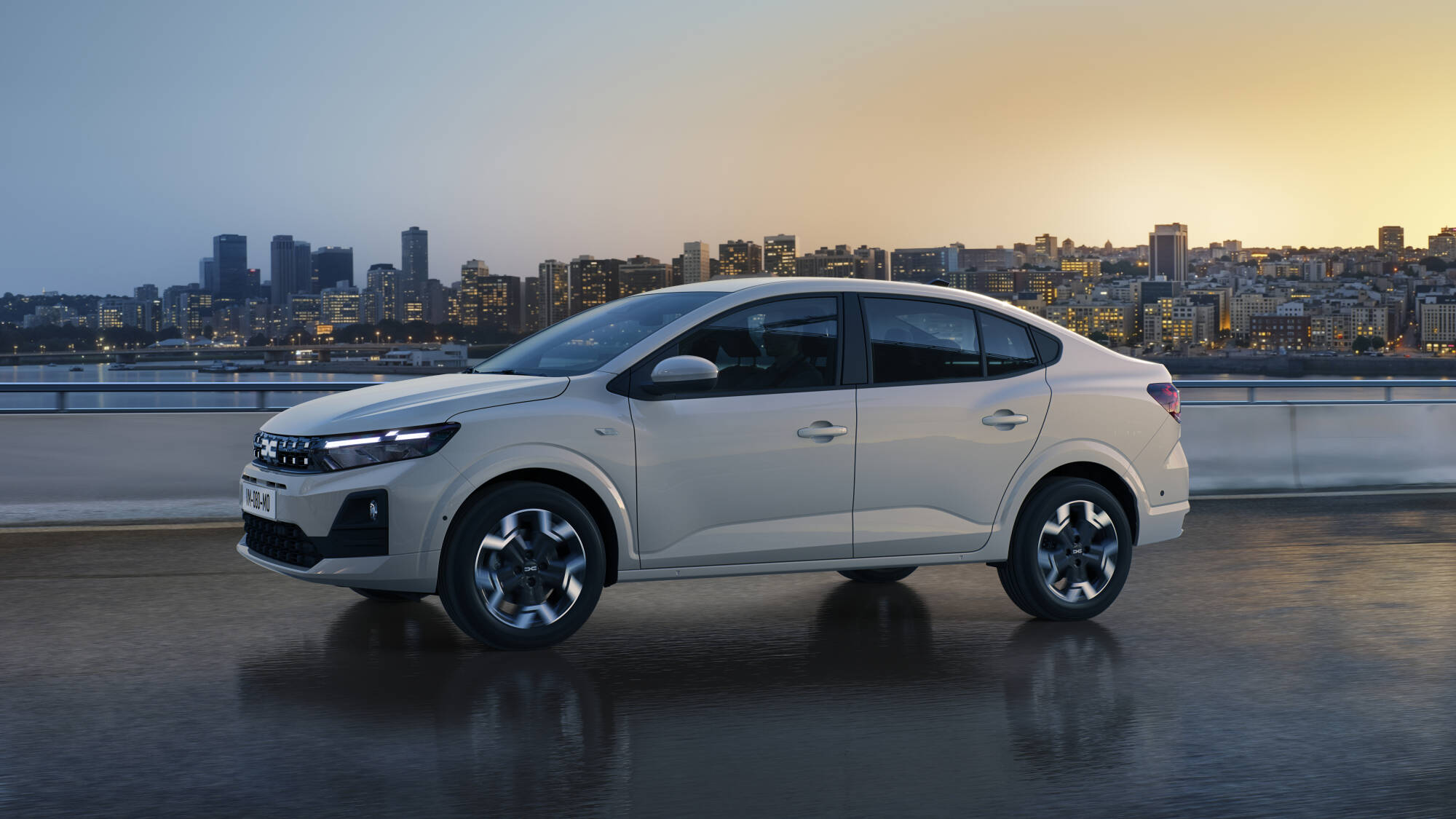
Dacia Logan: common problems and what you need to know
The Dacia Logan is known as one of the most affordable saloons on the market, but this low purchase price does not come without its challenges. Many owners report problems with the engine, electronics and suspension components, especially on first- and second-generation models. You do not need to discover these well-known weak points when it is already too late. By knowing in advance what the Logan is prone to, you can carry out targeted checks, perform preventive maintenance and avoid costly repairs. Find out which issues occur most frequently and how to deal with them.
The reputation of the Dacia Logan
Since its launch in 2004, the Logan has tempted millions of buyers with a simple promise: a lot of car for little money. The Romanian brand deliberately opts for basic materials, simple technology and a no-nonsense approach. That makes the Logan affordable to buy and to maintain. The downside is that certain parts wear out faster than on more expensive brands. Owners appreciate the generous boot space and low fuel consumption, but regularly experience faults with the electronics, suspension and engine. As a result, reliability is below the average of Japanese or German competitors in the same class. Even so, the Logan remains popular with taxi drivers, young families and business users who prioritise low running costs.
Would you like to know more about what can go wrong with your Dacia? Then take a look at the overview of car problems with Dacia for a complete picture of the most commonly reported issues per model.
‘ A broken chain can cause serious damage to valves and pistons. ’
Common engine problems
Over the years, the Logan was fitted with various engines, and not all versions are equally robust. On the 1.6-litre petrol engine, wear of the timing chain occurs regularly, especially when the oil level has been too low or servicing has been irregular. A broken chain can cause serious damage to valves and pistons. Symptoms include rattling noises when starting and a loss of power.
The 1.5 dCi diesel engine, a widely used unit, suffers from problems with the EGR valve (exhaust gas recirculation valve). Due to carbon build-up, this valve becomes clogged, leading to an erratic idle speed, smoke and a poorly responsive engine. Regular cleaning or replacement of the EGR valve is essential. On turbocharged models, such as the TCe versions, owners report leaks in the turbo oil feed and faulty wastegate valves. This results in black smoke and a loss of power.
Also watch out for coolant leaks on older models. The water pump and radiator hoses can become brittle and start to leak, which may lead to engine overheating.
Transmission and clutch issues
The five-speed manual gearbox in the Logan has a reputation for being solid, but problems do occur here as well. Many owners complain of crunching or grinding noises when changing gear, especially into second and third. This often points to worn synchromesh rings. Replacing them requires removal of the gearbox and is an expensive job.
The clutch wears out faster than expected under heavy use. Taxi drivers and city drivers notice this first: the clutch starts to slip, particularly when pulling away in a high gear or with a loaded car. Replacing the clutch kit costs a few hundred euros in parts plus labour.
On models with automatic transmission, especially the older automated manual gearbox, there are complaints about jerky shifts and delayed responses. The automatic is less refined than on more expensive brands and can feel unpredictable in traffic at times.
Electronic faults and electrical problems
The electronics in the Logan are a recurring weak point. Many owners report problems with the ABS sensor, which is sensitive to dirt and moisture. When the sensor fails, the ABS warning light on the dashboard comes on and the braking system no longer works optimally. Cleaning or replacing the sensor usually solves this.
The central locking frequently plays up. Doors that no longer unlock remotely or that open and close by themselves are well-known complaints. The cause is often the door lock motors or the wiring running through the hinges, which can break over time.
The windscreen wipers can also behave erratically. The wiper motor or the associated relays sometimes fail, causing the wipers to stop mid-sweep or to work at only one speed. Replacement is simple and relatively inexpensive.
On models from 2012 onwards, parking sensors sometimes give false alarms or stop responding altogether. Dirt or moisture in the sensor housing is usually to blame.
‘ Replacement needs to be done quickly to guarantee safety. ’
Problems with suspension and running gear
The Logan’s suspension is designed for comfort and low cost, but that also means faster wear. The shock absorbers have often had their best days after around 80,000 kilometres. You can recognise leaking or tired dampers by a wobbly rear end, longer braking distances and unsettled handling. Always replace dampers per axle to ensure a consistent driving feel.
The bushes in the control arms and anti-roll bars are prone to cracking and contamination. Damaged bushes cause knocking noises over bumps and less precise steering. Check these components annually during the MOT.
The steering system can develop play, especially on older examples. This shows up as a loose-feeling steering wheel and vague responses to steering inputs. The causes are often worn ball joints or a failed track rod end. Replacement needs to be done quickly to guarantee safety.
Also keep an eye on the front wheel bearings. Under heavy use or when driving on poor road surfaces, these can wear out. A droning noise while driving that gets worse at higher speeds is a clear warning sign.
Bodywork and interior points to watch
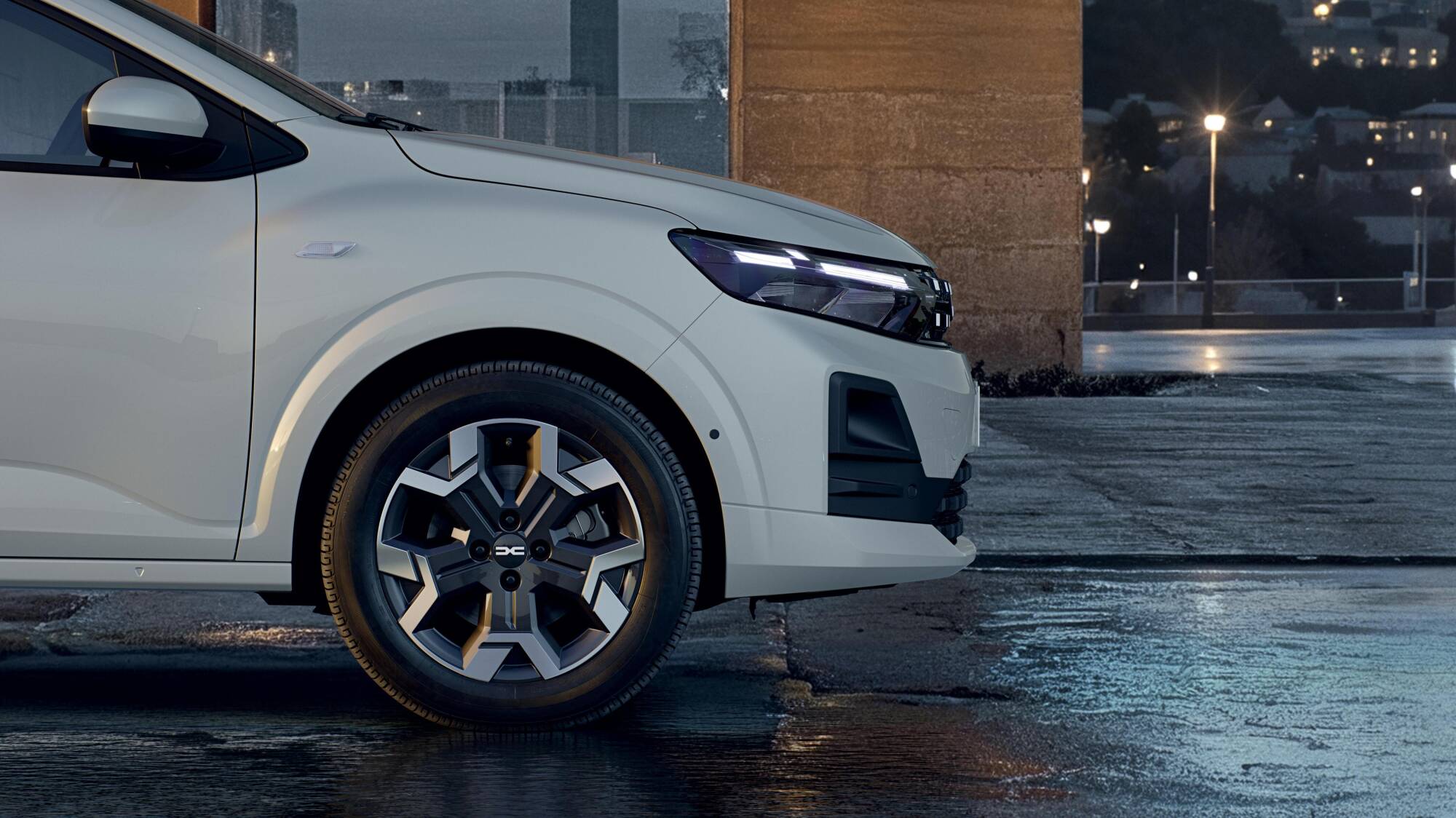
Rust is a known problem on older Logan models, especially examples that have not been consistently treated against corrosion. Check the wheel arches, the bottoms of the doors and the sills carefully for brown spots or blisters in the paint. Rust on structural parts can pose a risk to driving safety.
Water leaks are a recurring complaint. Rainwater can enter via the door openings and the boot. Worn or poorly fitted rubber seals are usually the cause. Moisture in the interior leads to condensation, a musty smell and mould on the upholstery.
The interior itself is plainly finished and prone to wear. The seat upholstery, especially on the driver’s seat, can start to fray or tear after a few years. Buttons and switches sometimes feel cheap and can stick or break. The quality of the dashboard and door panels is functional, but not designed to withstand rough treatment.
Dacia Logan recalls
Over the years, Dacia has issued several recalls for the Logan. These have covered, among other things, defective airbags, power steering problems and fire risks caused by short circuits in the wiring. Always check whether your car is affected by a recall by looking up the registration number or VIN on the RDW (Netherlands Vehicle Authority) website or asking your Dacia dealer. Recalls are carried out free of charge and can prevent serious safety issues.
‘ Treat the bodywork every year with an anti-rust treatment, especially the underside and wheel arches. ’
Maintenance tips for a longer lifespan
Preventive maintenance is more important on the Logan than on many other brands. Follow these practical tips to avoid problems:
- Replace engine oil and filters according to the service schedule, preferably every year or every 15,000 kilometres.
- Regularly clean the EGR valve and intake system on diesel engines to prevent carbon build-up.
- Check the timing chain and replace it preventively at 120,000 kilometres or according to the manufacturer’s recommendation.
- Inspect the suspension annually for cracks, wear and play.
- Lubricate door hinges and locks to prevent failures in the central locking system.
- Treat the bodywork every year with an anti-rust treatment, especially the underside and wheel arches.
- Replace the coolant every two years to prevent corrosion in the cooling system.
- Keep the interior dry and ventilate regularly to limit mould and damp.
What to look out for when buying a used Dacia Logan
Thinking of buying a used Logan? Then pay attention to these points to avoid disappointment:
- Check the service book for completeness and regular servicing.
- Test the engine when cold and warm, listen for rattling noises and watch for smoke.
- Shift through all gears and listen for crunching or grinding noises.
- Check all electrical functions: windows, mirrors, lights, central locking and dashboard warnings.
- Inspect the bodywork thoroughly for rust spots, especially wheel arches, sills and the bottoms of the doors.
- Look underneath the car for leaks of oil, coolant or fuel.
- Test the suspension by driving firmly over a speed bump and listening for banging noises.
- Check whether the registration number appears in any outstanding recalls.
- Ask for a test drive of at least 30 minutes so you can properly assess all systems.
The Dacia Logan: a sensible choice if you have realistic expectations
The Logan remains an attractive option for anyone looking for space, simplicity and low costs. The car is affordable to buy and maintain, but it does require realistic expectations. Problems with the engine, electronics and suspension occur regularly, especially on older models and where maintenance has been neglected. By carrying out targeted checks, servicing on time and keeping a close eye on common weak points, you can enjoy many years of reliable motoring from this budget-friendly saloon. Those who are prepared to devote some attention to prevention and minor repairs will get good value for money.