
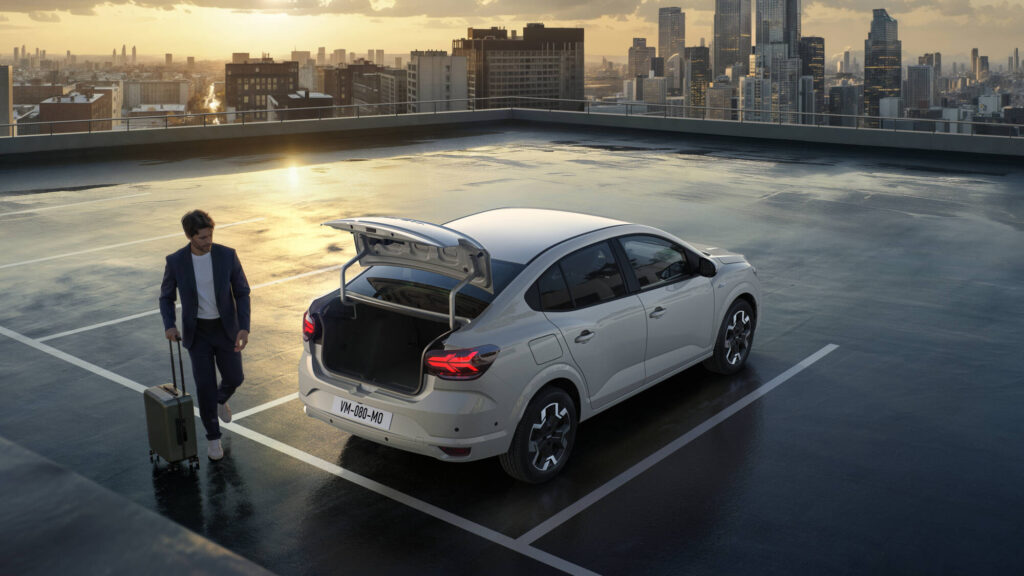
Electrical faults in the Dacia Logan often have a simple cause. Think of fuses, loose connectors, poor connections or wear around the ignition switch. The brake lights may fail. Navigation errors may also occur, or the ignition key may jam. A targeted check prevents unnecessary replacement of parts. Read on to find out where you can safely start yourself.
Recognising electrical faults in the Dacia Logan
An electrical fault does not always appear suddenly. Lights may first fail from time to time. The navigation may freeze only after starting. Vibrations can disturb a connector’s contact. This can cause intermittent symptoms.
Note when the fault appears. The problem may recur after rain, while driving or immediately after starting. This information helps with diagnosis. Also note which systems fail at the same time.
Common signs include:
- a brake light that does not come on;
- a fuse that blows again after being replaced;
- a navigation screen that freezes or goes out;
- electrical functions that respond to bumps;
- a key that will not turn, or turns with difficulty, in the ignition;
- dashboard lighting that is dim or irregular.
If several systems fail, also check the battery, battery terminals and earth points. An earth point is a metal connection that links the electrical system to the bodywork. Corrosion or a loose connection can therefore cause several faults at once.
Why do brake lights fail on a Dacia Logan?
Why do brake lights fail on a Dacia Logan? One faulty bulb can simply be the result of ordinary wear. Several failed brake lights suggest a different problem. A fuse that keeps blowing is also a clear signal. Possible causes are the fuse circuit, socket, switch, connector or wiring.
A fuse protects the cables against excessive current. A new fuse that quickly blows again probably points to a fault in the circuit. Have the cause investigated before fitting another fuse.
Checking brake lights safely
Ask someone to press the brake pedal while you check all the brake lights. Also check the third brake light if the car is fitted with one. That way you can tell whether one bulb or the entire brake-light function has failed.
- Switch off the engine and remove the key from the ignition.
- Consult the handbook to find which fuse relates to the brake lights.
- Check whether the fuse is visibly blown.
- If replacing it, use only the same specified current rating.
- Inspect the bulb holder, connector and accessible wiring for moisture, corrosion or damage.
- Test the brake lights again before driving off.
Never fit a fuse with a higher current rating. The wiring may then overheat before the fuse operates. Have the circuit checked if the new fuse blows again or if you notice melted plastic and a burning smell.
All the fuses and bulbs may be fine. The brake lights may still not work. The brake-light switch at the pedal may be the cause. A connection in the circuit may also be faulty. Properly working brake lights are important for road safety. Have the problem investigated further by a garage.
How do you fix a navigation fault in the Dacia Logan?
How do you fix a navigation fault in the Dacia Logan? First identify which problem is occurring. The screen may stay black or the menu may freeze. The system may also show the wrong position. Each problem requires a different check. The cause sometimes lies with the power supply or a loose connection. A recurring fault calls for a closer inspection of the system.
Steps for a frozen navigation system
First carry out only checks that do not involve removing dashboard parts. This helps prevent damage to trim, connectors and wiring. Also use the handbook for the fitted navigation system. The design can differ from one Logan to another.
- Park the car in a safe place and switch the system off.
- Switch the ignition fully off and then restart the system.
- Check whether other electrical functions work normally.
- Consult the handbook for the correct fuse and checking procedure.
- Only check visible and accessible connections for looseness.
- Have a recurring fault read out or investigated further.
The navigation may display the wrong location. First check whether this is temporary. Also see whether the problem recurs in different places. The screen may cut out over bumps while otherwise working normally. In that case a loose connector or interrupted power supply is more likely. Do not pull on the cables.
A weak battery can make electrical systems behave erratically. This happens especially while starting. If the Logan is hard to start, have the battery and charging voltage checked. Also have it checked if the dashboard lighting is dim. With the engine running, the measured voltage should be higher. With the engine switched off, the battery voltage is lower.
Loose connectors cause intermittent Dacia Logan faults
Loose connectors often cause intermittent faults. Vibrations can temporarily interrupt a connection. Moisture and corrosion can have the same effect. The complaint may only appear on a bumpy road. Sometimes it arises after a car wash. Opening a door can also trigger the fault.
Check the accessible connections around the battery and behind the light units. The window controls or locking may work irregularly. In that case, also check the cable grommets at the doors. Look for green deposits, moisture, damaged insulation and connectors that are not properly secured.
Do not disconnect connectors while the ignition is on. Only use a suitable contact cleaner. Follow the instructions on the packaging. Cables in the dashboard are sometimes difficult to reach. Have these checked by a garage.
What is the solution for a jammed key in the Dacia Logan?
Do not force a jammed key in the Dacia Logan. Tension on the steering lock can cause the ignition key to jam. The problem may recur more often. Wear on the key or lock may then play a role.
- Check that the key is straight and visibly undamaged.
- Gently move the steering wheel left and right.
- At the same time, carefully turn the key in the normal direction.
- Try the spare key if one is available.
- Stop if the key continues to turn stiffly or threatens to break.
Put the pliers away. Handle the ignition lock without force. A broken key makes the repair more difficult. The key can also cause further damage. Try the spare key. If that works, the key in use may be worn. Try both keys separately. If both jam, have the ignition lock and steering lock checked.
When does the Dacia Logan need a garage?
You can often check a bulb or an easily accessible fuse yourself. Recurring faults require further diagnosis. That certainly applies when several systems fail. A battery that is running flat also needs investigating. Also have a fuse checked if it keeps blowing again.
Arrange a check quickly if you notice a burning smell or hot wiring. Do the same if you see melted plastic or brake lights that have failed. Note down in advance when the fault occurs. Also write down which functions fail. This gives the mechanic useful information. It can also reduce the time needed to find the issue.
On the Carnews website you will find practical information about Dacia problems, car maintenance and technical faults. Discover more practical tips on Carnews. Read on to find out more about faults, diagnosis and sensible car use.