
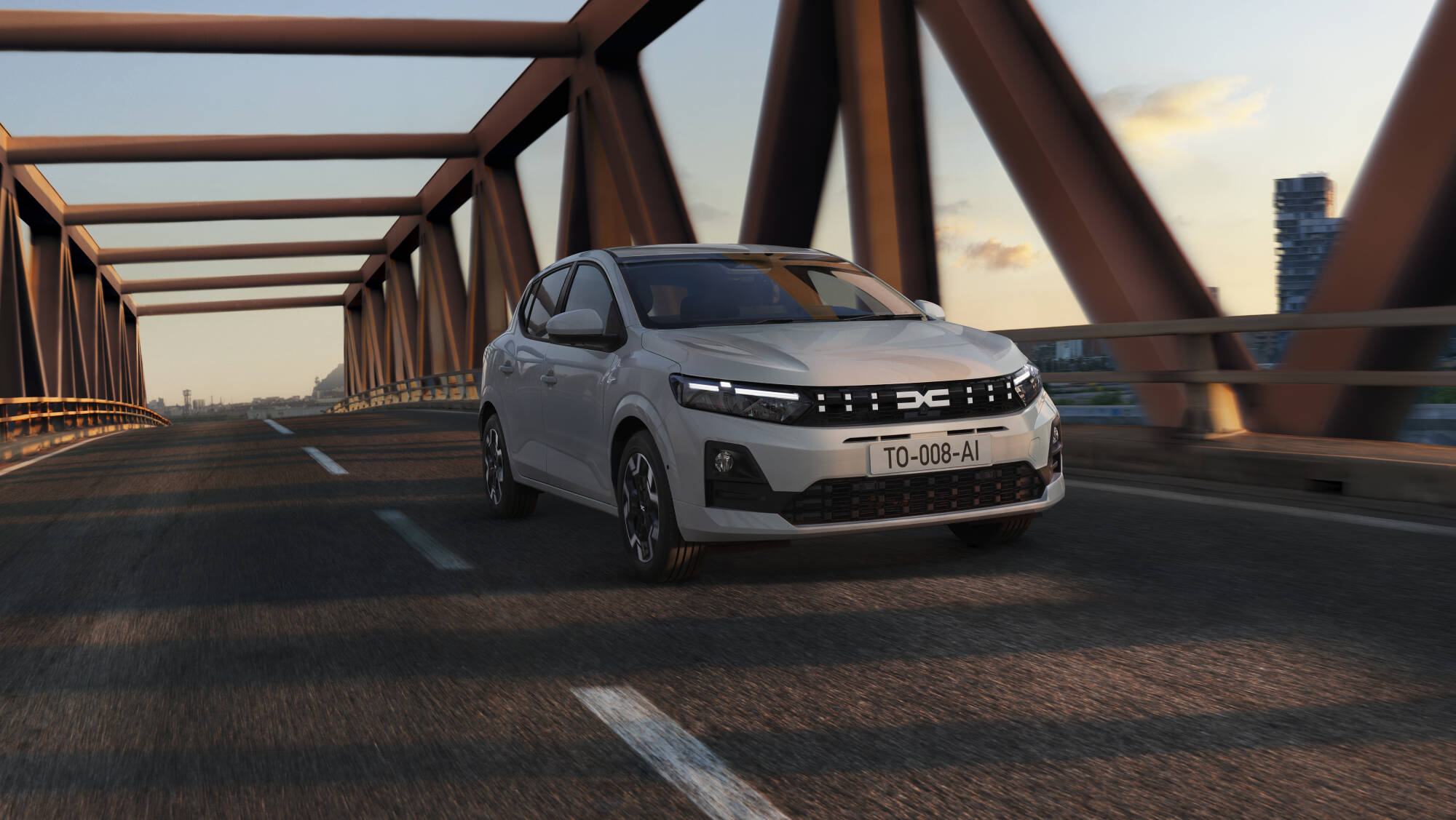
Dacia Sandero: problems you need to know about with this budget model
The Dacia Sandero is one of the most affordable cars on the Dutch market, but that sharp purchase price also has a downside. Although many owners are satisfied with the low running costs and practical character, others regularly report faults and teething troubles. From engine issues to creaking interiors: the Sandero has its quirks. Curious which problems occur most often? In this article you’ll discover how to recognise them.
For a complete overview of typical complaints and defects across different Dacia models you can read more on our page about Dacia car problems. There you’ll also find information about maintenance costs and known recalls.
Reliability of the Sandero in perspective
The Dacia Sandero uses proven components from parent company Renault. In theory, this benefits reliability. In practice, however, the picture is mixed. Some owners drive for years without any significant issues. Others encounter faults within just a few years. That variation is closely linked to the car’s maintenance history. The trim level and year of manufacture also play a part.
The first-generation Sandero (2008–2012) suffers more often from various teething troubles than later models. The second generation (2013–2020) is generally more reliable, though here too certain weak points crop up regularly. The third generation (from 2021) benefits from improved materials and assembly. Experience is still limited due to the shorter production run. Don’t expect premium-level reliability, but do expect a car that can last reasonably well with correct maintenance.
‘ It leads to costly engine damage. ’
Engine problems to watch out for
The 0.9 TCe three-cylinder turbo engine is popular because of its low fuel consumption. However, this engine is also known for a few characteristic issues. Owners regularly report oil loss via the crankshaft oil seal. This mainly occurs on cars with higher mileage. It leads to oil patches under the car and, in the long run, to engine damage if you don’t have it fixed.
The timing chain of the 0.9 TCe shows wear at an early stage. This happens when there is insufficient oil or the oil is changed too late. The problem manifests itself as a rattling noise when starting. This is especially audible when the engine is cold. In severe cases, the chain jumps a tooth. This leads to costly engine damage. Always check that the oil has been changed regularly according to the prescribed schedule.
The 1.2 16V petrol engine has fewer problems. This engine is mainly found in the first generation. Even so, it can sometimes suffer from a faulty camshaft position sensor or ignition coils. This results in an irregular idle and vibrations. Sometimes the engine even stalls. Ignition problems caused by worn spark plugs are also common. This shows up as poor pulling away from standstill and increasing fuel consumption.
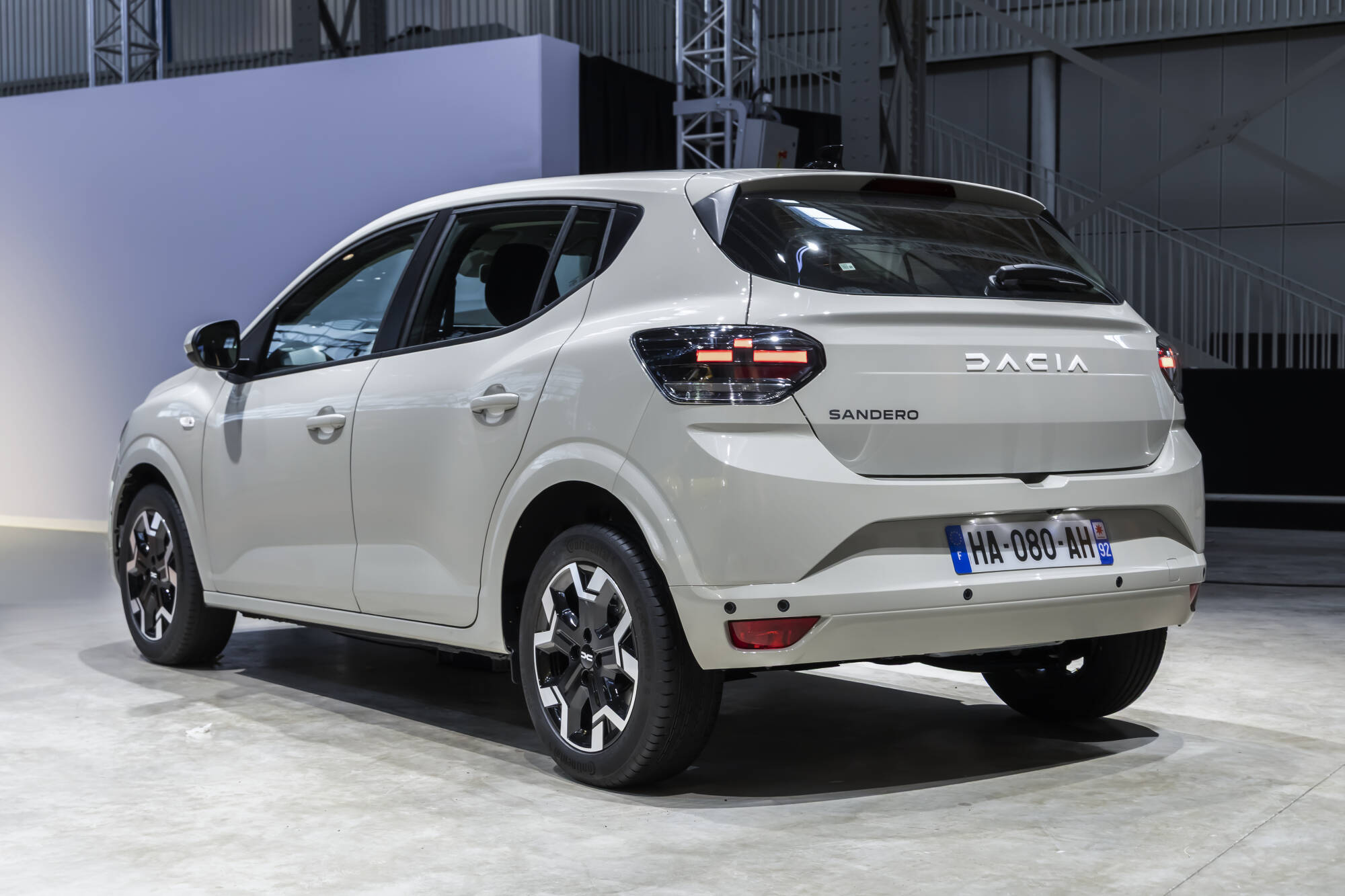
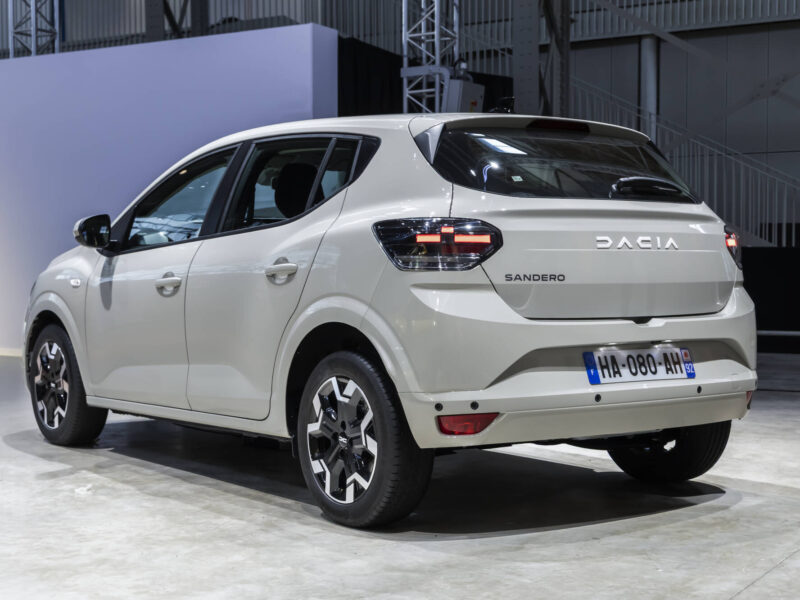
Transmission and clutch: key points of attention
The five-speed manual gearbox is generally reliable. At higher mileages, however, this gearbox can start to feel stiff when changing gear, or produce grinding noises. The shift into second gear in particular causes problems on some cars. The cause is often a worn clutch cable. Faulty synchroniser rings in the gearbox also occur.
The Easy-R automatic transmission is a weak spot in the Sandero story. It is an automated manual gearbox. Many owners complain about jerky gear changes. Slow responses and glitchy software are also common. On some cars the transmission even refuses to operate. Sometimes the car gets stuck in limp mode. The clutch in this transmission also wears quickly. This is due to the electronic control.
Clutch problems in manual versions mainly occur after intensive urban use. A slipping clutch indicates wear. A clutch that only bites late is also a warning sign. Replacement is not extremely expensive, but it is still a cost item. Under normal use you can expect replacement between 80,000 and 120,000 kilometres.
Electronics and sensors causing faults
The Sandero’s electrical system sometimes suffers from various software glitches. Owners regularly report warning lights on the dashboard. These lights come on without any clear reason and then go off again. Often these are false alarms. A faulty sensor is frequently the cause. A temporary communication error in the onboard network also occurs.
The ABS sensor (anti-lock braking system) is a frequent culprit. This sensor is fitted to each wheel. It becomes contaminated or fails, causing the ABS warning light to come on. The system then briefly switches off. This problem occurs more often in wintry conditions, when salt and dirt take their toll.
The lambda sensor also sometimes fails early. This leads to the engine warning light coming on and an increase in fuel consumption. The sensor measures the oxygen content in the exhaust gases and helps the engine to optimise its air–fuel mixture. A faulty lambda sensor is relatively easy to replace. If you ignore it, it leads to higher costs, because the incorrect combustion causes further damage.
The infotainment system sometimes suffers from freezes, especially in the second and third generation. Occasionally the system becomes slow. A reset often helps temporarily. Some owners experience hardware problems. These can only be solved by replacing the unit.
‘ Shock absorbers can be worn out after just 60,000 to 80,000 kilometres with intensive use. ’
Chassis, suspension and brakes: wear and noises
The Sandero’s front axle is prone to wear, particularly the bushes in the control arm and anti-roll bar links. This manifests itself as clicking or knocking noises when driving over uneven surfaces. The sounds are especially noticeable at low speed. The rubber bushes are not expensive, but labour costs can add up if several parts need to be replaced at the same time.
Shock absorbers can be worn out after just 60,000 to 80,000 kilometres with intensive use. You’ll notice this in reduced comfort and excessive body movement over bumps. Braking distances also increase. Check the shock absorbers regularly for leaks and have them replaced if you doubt their performance.
Brake problems mainly occur at the rear. The rear brakes have less cooling capacity, so they seize more quickly and sometimes wear unevenly. Owners sometimes report squeaking or grinding noises, especially after periods of little use. Regularly check the rear brake discs and also inspect the brake pads.
The front wheel bearings cause noise at higher mileages. A humming or droning sound often points to a worn wheel bearing. This noise increases with speed. It is a wear item and should be replaced to prevent further damage to the suspension.
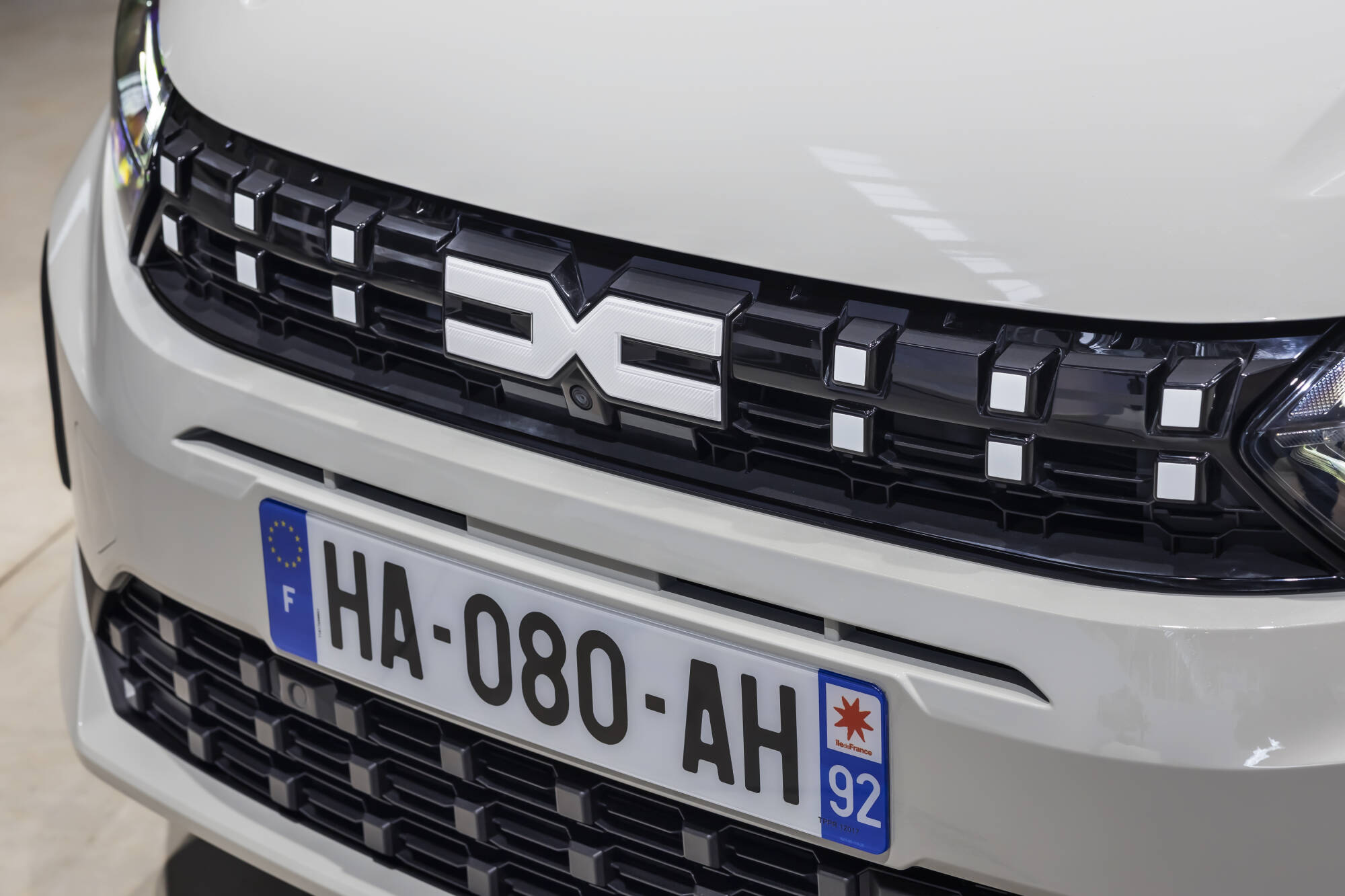
Interior and bodywork: quality and weak spots
The Sandero’s interior is functional but basic. The materials used are often hard plastics, which eventually lead to creaking noises. The dashboard in particular sometimes rattles over uneven road surfaces. The centre console can rattle as well. You can often solve this by securing parts more firmly. Adding insulation material also helps.
The seat upholstery wears quickly, especially in basic trim levels. Tears in the fabric or discolouration are not uncommon after several years of intensive use. The driver’s seat is the most vulnerable because it is used every day. Seat covers can disguise the issue, but replacing the upholstery is expensive.
The paint layer on the bodywork is relatively thin, making it susceptible to stone chips. Small damage spots start to rust quickly if you don’t treat them in time. Rust is particularly a concern around the wheel arches on older cars, and also along the sills.
The rubber seals around the doors and tailgate become hard and shrink over time. This leads to wind noise at higher speeds. Sometimes water finds its way into the boot. Replacement is relatively straightforward and prevents further water damage.
Recalls and generation-specific problems
The Dacia Sandero has been subject to several recalls. One of the best known concerned the Easy-R transmission, where the software had to be updated to reduce jerky gear changes. Not all owners noticed an improvement after this update.
There was a recall for a potential defect in the steering column, affecting the first generation (2008–2012). In rare cases it could become loose, posing a safety risk. When buying, check whether this recall has been carried out.
The second generation (2013–2020) was affected by an airbag recall. This problem impacted several Renault–Nissan models. Cars built between 2016 and 2018 had to return to the dealer to have the airbag module replaced.
The third generation (from 2021) has so far had fewer recalls. However, there are reports of software problems with the infotainment system, as well as sensor issues. These problems are often solvable with a software update at the dealer.
‘ This means components have less margin for error. ’
Maintenance and prevention: stay ahead of problems
Regular maintenance is particularly important with the Sandero, even more so than with more expensive cars. Dacia operates with tight margins. This means components have less margin for error. Stick strictly to the maintenance intervals and replace oil, filters and other wear parts on time.
Check the oil level yourself regularly. This is especially important with the 0.9 TCe engine. A low oil level quickly leads to engine damage in this turbo engine. Top up if necessary and have the cause investigated if consumption is excessive.
Make sure the timing chain is inspected in good time. Also have the associated tensioner and guides checked. Many mechanics advise replacement around 100,000 kilometres. This is not an official part of the service schedule, but it does prevent costly engine damage.
If in doubt, have the sensors and electrical system checked with professional diagnostic equipment. Problems are often solvable with a software update. Cleaning sensors also helps and is cheaper than replacing parts.
Use original parts or high-quality alternatives. Cheap imitation parts may work in the short term but often lead to quicker wear and can even cause new problems. Quality really pays off for critical components such as brakes and suspension.
Tips for buying a used Sandero
Always check the full service history with the seller or dealer. A car without documented maintenance is a risk, especially in the case of the Sandero. Pay particular attention to oil changes and the replacement of wear parts such as brakes and tyres.
Test the car thoroughly on a varied route, including both city traffic and motorway. Listen for unusual noises and watch out for vibrations or warning lights. On manual versions, shift through all the gears and pay attention to any stiffness when changing gear.
Inspect the engine for oil leaks. Look under the car after a test drive to see if there is fresh oil on the ground. Also check the engine bay for traces of oil around the crankshaft and cylinder head.
Have a specialist inspect the car before purchase. An MOT test (APK) is useful, but a more comprehensive technical inspection offers greater peace of mind. It costs a few tens of euros extra but can uncover hundreds of euros’ worth of hidden defects.
Ask which recalls have been carried out and check online whether the registration number is linked to any outstanding recalls. Make sure these have been dealt with before you buy. Some dealers or sellers have failed to do this, which can lead to hassle later on.
The Sandero and its problems: what can you expect?
The Dacia Sandero offers good value for money. Don’t expect flawless reliability. Engine problems such as oil leaks are fairly common, and timing chain issues with the 0.9 TCe are well known. Complaints about the Easy-R transmission are frequently heard. Weak points in the suspension and electronics also crop up regularly. Interior wear is likewise typical for this budget segment – as is increased noise.
With the right care and proactive maintenance you can prevent many problems or at least spot them at an early stage. The Sandero suits drivers who are willing to keep a closer eye on things and don’t mind doing small jobs themselves. If you want a reliable, low-maintenance car with minimal hassle, you’ll find better alternatives in a slightly higher price bracket.