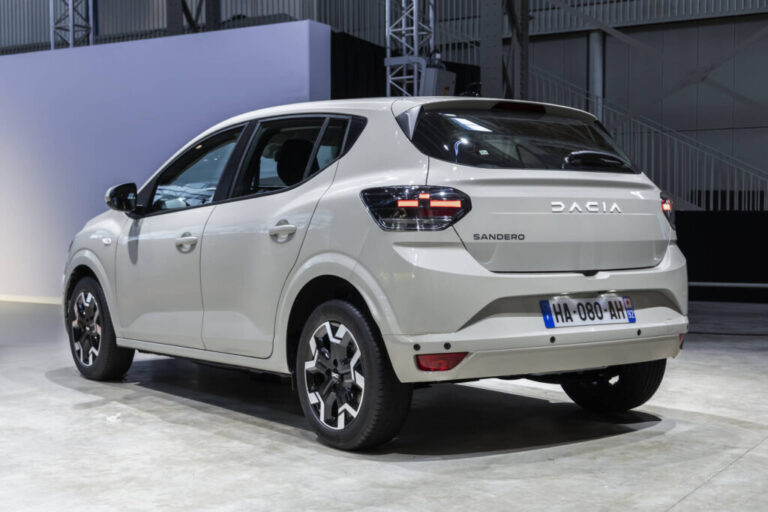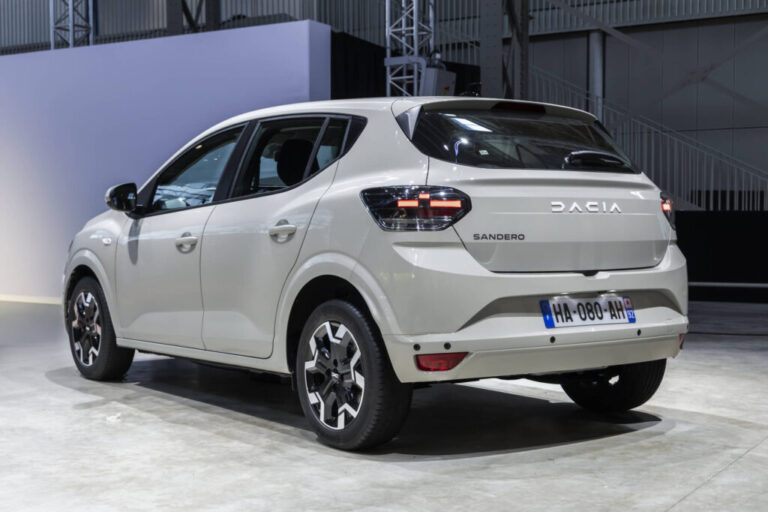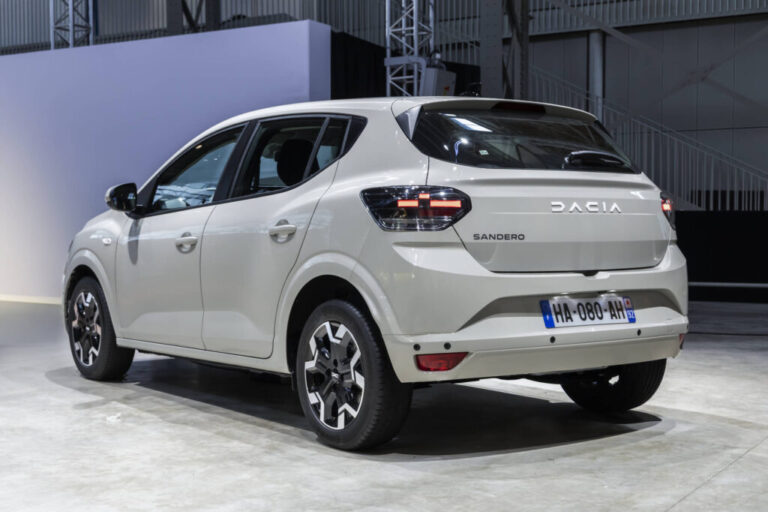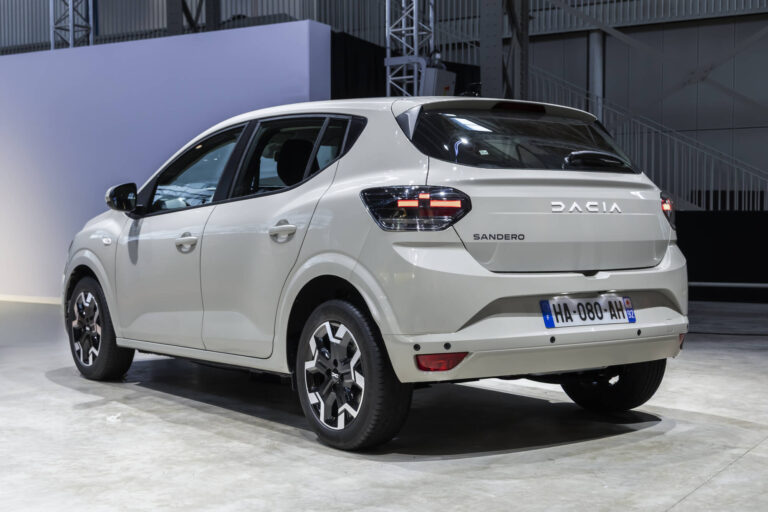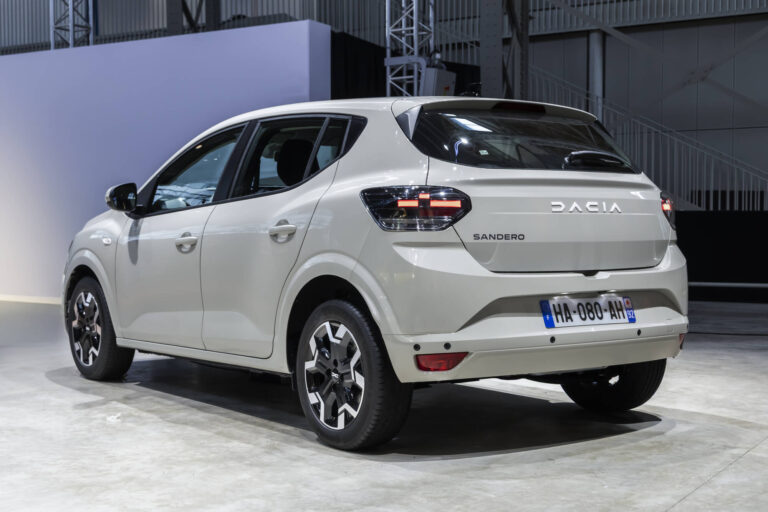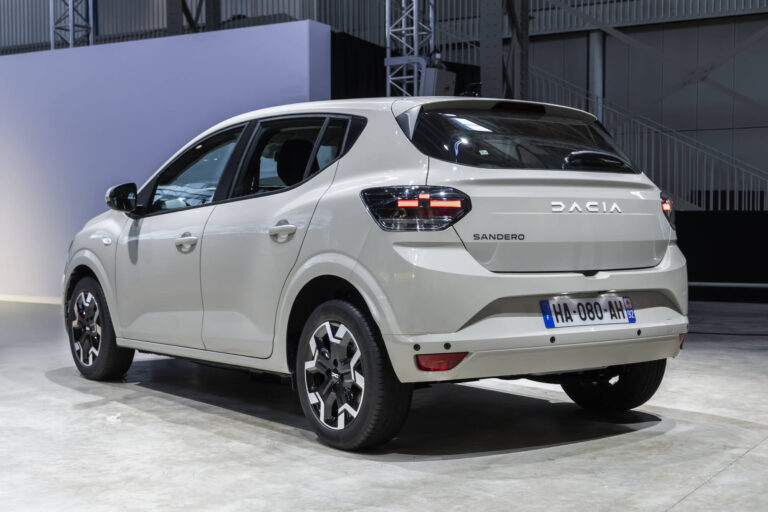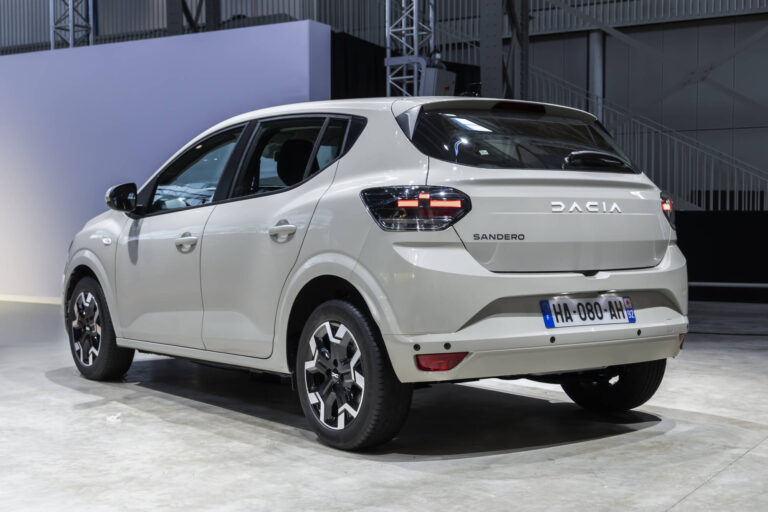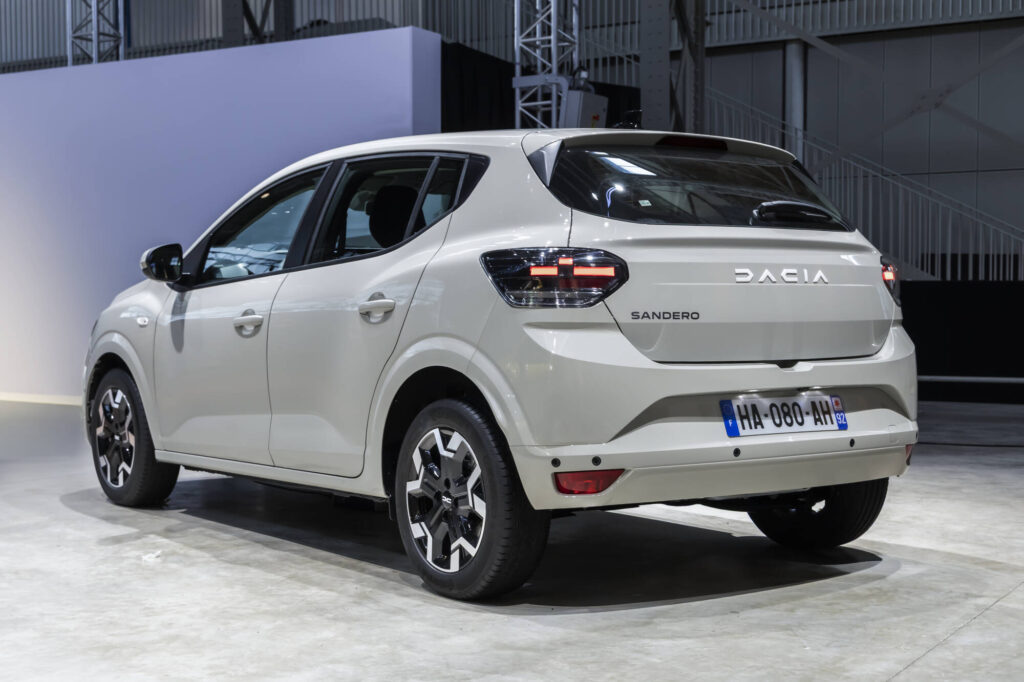
Problems with a CVT or semi-automatic gearbox are often recognisable by hesitation, jolting or a delayed response. The engine speed may also rise without the car accelerating properly. On a semi-automatic, insufficient power and a worn clutch often cause jerking. You will notice this especially when pulling away. Timely diagnosis prevents a small problem from turning into an expensive repair. So keep a close eye on the first signs.
Which automatic gearbox is in the Dacia Sandero?
Not every Dacia Sandero uses the same type of gearbox (transmission). That depends on the year of manufacture, the engine and the trim level. A CVT works with a continuously variable transmission. A semi-automatic is essentially a manual gearbox with automatic control. The difference determines how the car drives and what faults can arise.
A CVT (continuously variable transmission) does not have fixed gears like a conventional automatic. The gearbox continually adjusts the ratio. As a result, the engine speed sometimes remains high while accelerating. The speed then increases gradually. That so-called elastic feel is partly part of the system, but clear jolts or delays need checking.
A semi-automatic usually uses a normal clutch and manual gearbox. Electric or hydraulic actuators operate the clutch and select the gear. The driver does not need to use a clutch pedal. Because the system really does disengage and shift, you feel the gear changes more strongly than in a traditional automatic.
A faulty CVT automatic shows clear symptoms
A faulty CVT automatic in a Dacia Sandero gives clear warning signs. Not every unusual feeling means the entire gearbox is worn out straight away. Old gearbox oil (transmission fluid) can sometimes cause similar symptoms. The same applies to incorrect adjustment or a software issue.
Common symptoms of CVT problems include:
- Jolting or hesitation when accelerating gently
- A delayed response after pressing the accelerator pedal
- Engine speeds rising sharply without a corresponding increase in speed
- Unsettled driving behaviour at low speed
- Vibration when pulling away
- A whining, whistling or scraping noise
- A warning light or message for the gearbox
Pay particular attention to changes. A CVT naturally behaves differently from an automatic with fixed gears. The gearbox may suddenly become noisier, hesitate for longer or jolt more harshly than before. If so, an inspection is sensible. Continuing to drive can cause extra wear and heat build-up.
When does a CVT automatic stutter most often?
Symptoms often show up from a cold start, while driving slowly or in heavy traffic. The gearbox oil has not always reached the correct temperature yet. Long periods of load also affect operation. Think of driving in hilly areas, carrying a full load and frequent acceleration.
So test a used Sandero in different conditions. Start the test drive with the drivetrain cold, then drive long enough to bring the gearbox up to temperature. Try pulling away gently, accelerating firmly and driving in stop-start traffic. Check whether engine speed, road speed and accelerator response match up logically.
What does repairing a faulty CVT cost?
The cost of a faulty CVT automatic varies from case to case. A single fixed price upfront is therefore not possible. A diagnosis costs different from a fluid change or a software adjustment. Replacing internal gearbox components is a larger investment. The year of manufacture, trim level and availability of parts also affect the price.
First have the car’s fault codes read. Also have the condition of the gearbox oil checked. Then ask the garage for a detailed quotation. Possible work includes:
- Diagnosis of electronics and sensors
- Checking or replacing the CVT fluid
- Carrying out an available software adjustment
- Repair of actuators or other individual components
- Overhauling or replacing the gearbox
A full replacement is not always the first solution. Have the cause identified properly before parts are ordered. Also ask which fluid is used, as a CVT is sensitive to an incorrect specification.
Why does the Sandero Stepway semi-automatic jerk?
The semi-automatic in the Dacia Sandero Stepway sometimes jerks while driving. The system is then not operating the clutch accurately enough. When pulling away, the system disengages the clutch and gives throttle at the same time. It also lets the clutch engage. A small deviation in the power supply, adjustment or wear is therefore immediately noticeable.
Insufficient power is a possible starting point. A weak battery or a problem with charging voltage means the actuator (the drive mechanism) does not respond quickly or evenly. The clutch then engages too abruptly. The car shakes or lurches forward. A poor electrical connection can also disrupt the control system.
Other possible causes of jerking include:
- A worn clutch plate
- A contaminated or unevenly engaging clutch surface
- Wear in the clutch actuator
- A lost basic setting of the system
- A software problem in the gearbox control unit
- Worn engine mounts that amplify movement
Driving style also plays a role. A semi-automatic does not shift as smoothly as a torque-converter automatic. Easing off the accelerator a little around the shift point can help smooth things out. However, hard jerking at every start is not normal and needs diagnosis.
Clutch judders during acceleration due to wear
Does the clutch judder when accelerating? The garage then needs to determine whether the cause is mechanical or electronic. Do not replace only the clutch. Also have the actuator, battery and settings checked. Otherwise, there is a risk that the complaint will remain. A targeted inspection saves unnecessary work.
A practical approach for the Dacia Sandero consists of these steps:
- Have the battery and charging voltage measured under load.
- Have the engine and gearbox fault codes read out.
- Check the operation and adjustment of the clutch actuator.
- Have the clutch assessed for wear and uneven engagement.
- Check whether a relearning procedure or software adjustment is needed.
- After the repair, take a test drive with the system cold and warm.
After disconnecting the battery, a relearning procedure is sometimes needed. The same applies after replacing components. The control module then resets the bite point. That is the moment when the clutch starts to engage. This only helps if the components themselves are still in good condition. A worn clutch is not repaired by readjusting it.
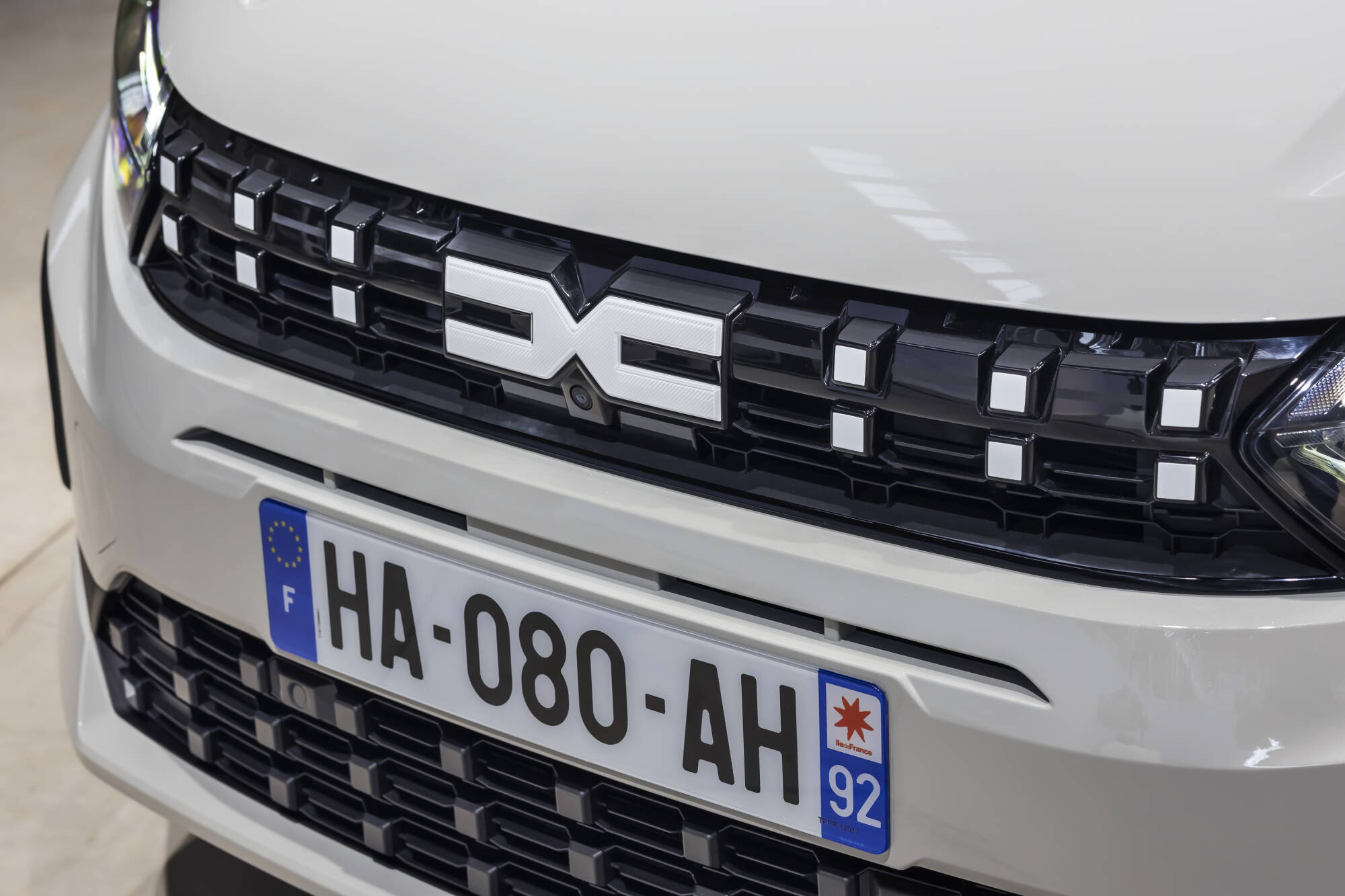
Maintenance and a test drive reduce the risk
The service history gives information about the condition of the automatic gearbox. Check whether the correct gearbox oil has been used. Also ask about previous complaints, repairs and software adjustments. Missing information is a reason to test the car more thoroughly.
During a test drive, drive both in town and on an open road. Repeat pulling away on flat ground and on a slight incline. Listen without the radio for whistling, rattling or scraping. A pre-purchase inspection by a garage familiar with the relevant type of gearbox gives greater certainty.
Watch out for hesitation, jerking and a juddering clutch. Do not continue driving unnecessarily with these symptoms. First have the power supply, gearbox oil, software and clutch checked. On Carnews you will find much more information about car problems, maintenance and points to watch on used models. Explore the related topics on the website and prepare better for maintenance or buying a car.
Frequently asked questions
Common symptoms include jerky or hesitant acceleration, a delayed response and unsettled driving behaviour at low speed. Engine speed may also rise sharply or fluctuate without the car accelerating proportionately. Whining, whistling or scraping noises and symptoms that worsen when the transmission is warm can also indicate wear.
You can spot slip early when the engine speed rises clearly without the car accelerating proportionately. Also look out for hesitant or delayed engagement, jolts and a burning smell, especially when pulling away, changing gear or driving uphill. Test this with both a cold and warm drivetrain, and have the clutch/transmission checked if these symptoms return.
Sporty driving generally shortens the lifespan of a dual-clutch transmission because of extra heat and wear on the clutches, bearings and transmission oil. Hard acceleration, frequent rapid gear changes and prolonged creeping in traffic place heavy loads on the clutches. Smooth driving and timely maintenance help to extend service life.