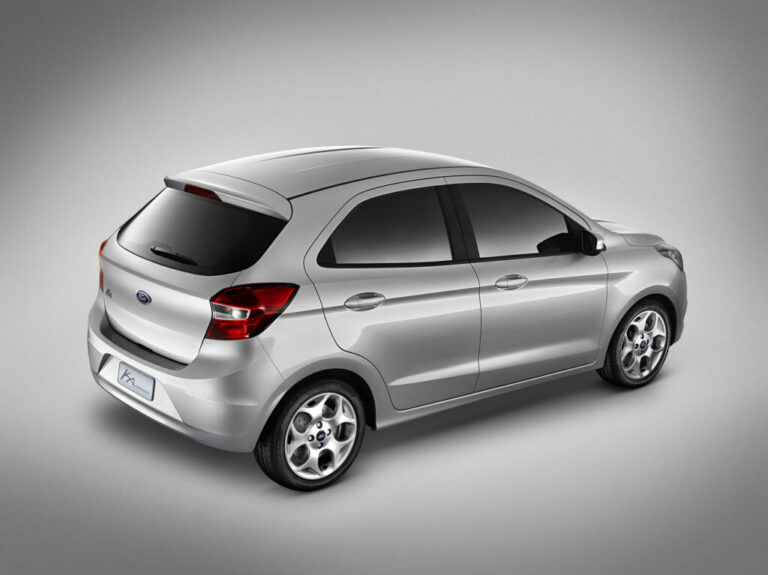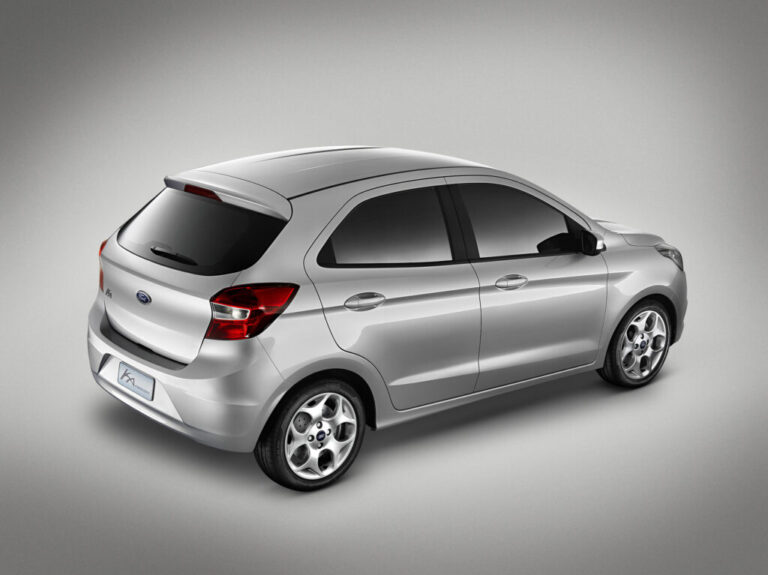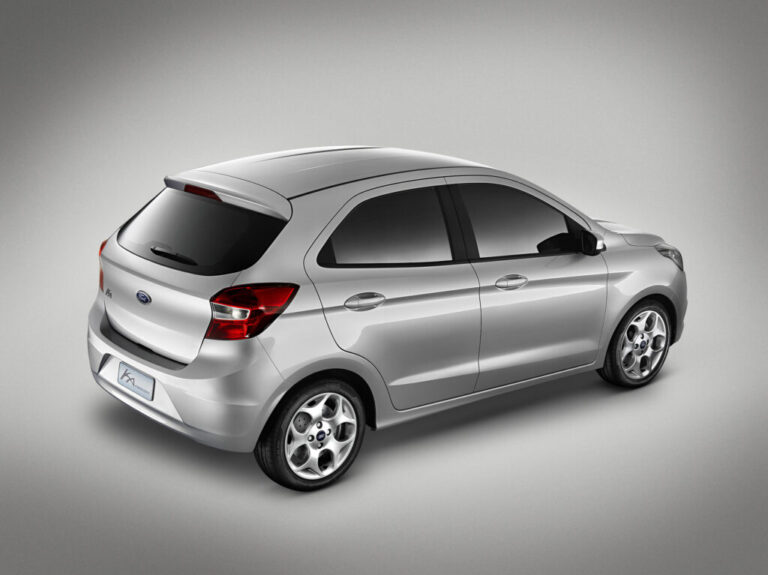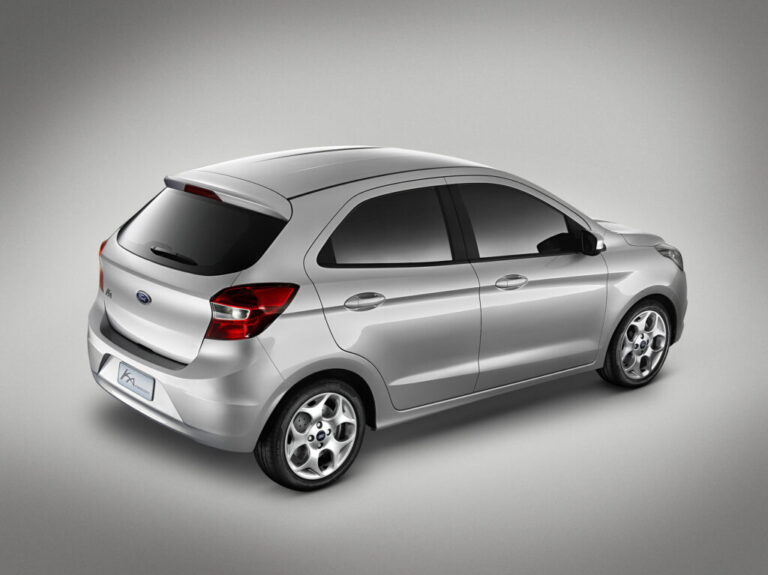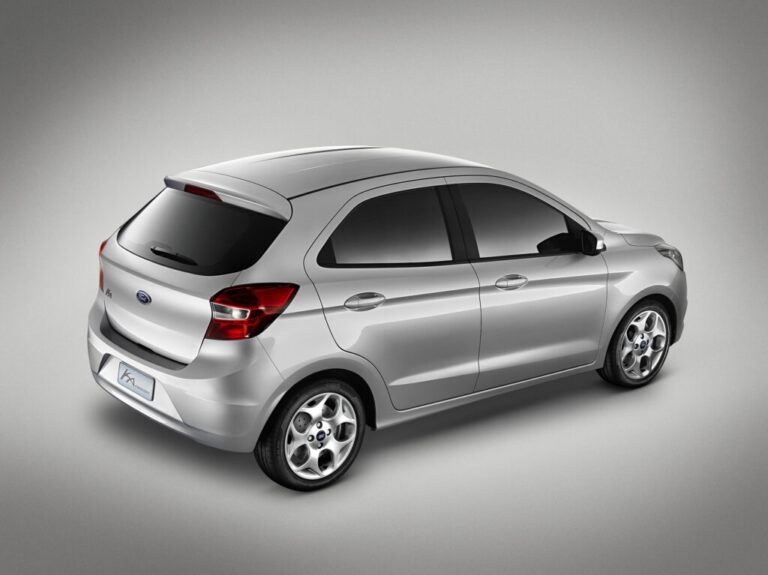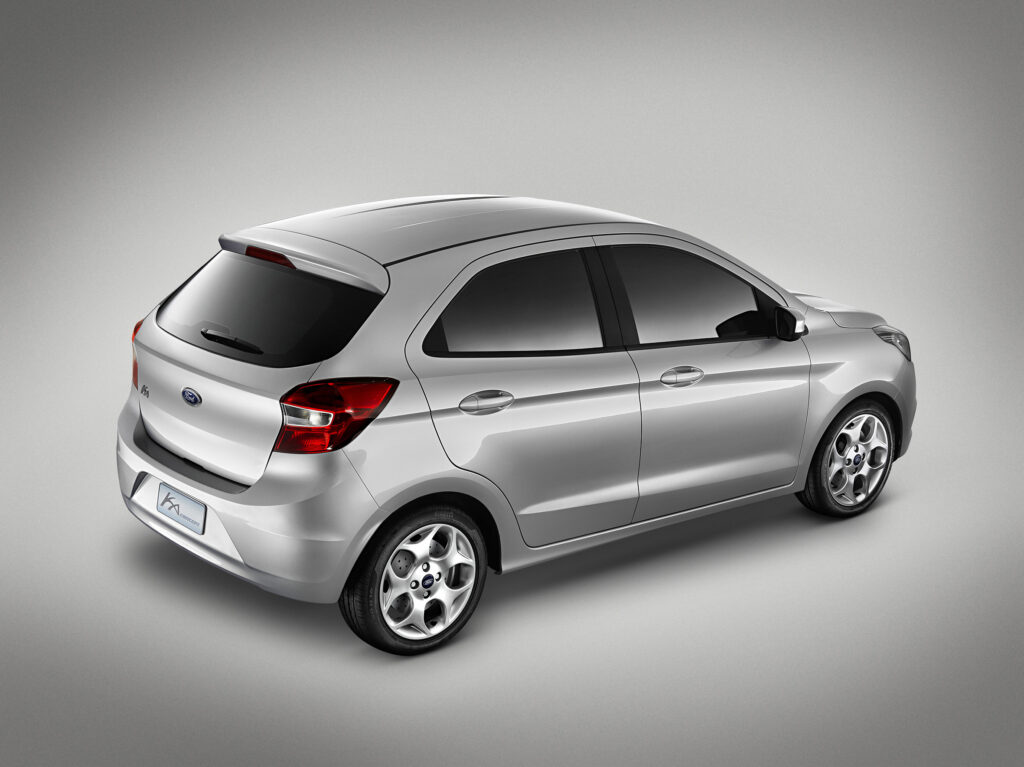
Clogged DPF filters, turbo failure and timing chain issues regularly affect the Ford Ka 1.3 TDCi, especially when the car is frequently used for short city trips and oil changes are not carried out on time. This combination of usage pattern and maintenance leads to expensive engine damage that can largely be prevented with preventative measures. In this article, discover how to recognise and tackle these technical problems at an early stage.
Why the Ford Ka diesel suffers from DPF complaints
The diesel particulate filter captures soot particles from the exhaust and burns them off regularly via regeneration. The Ford Ka with the compact 1.3 TDCi engine is often used for short city trips. This usage pattern ensures that the exhaust temperature remains too low for effective regeneration.
During sufficiently long journeys, the engine reaches full operating temperature and the DPF system can burn off the soot. If those conditions are missing, soot accumulates faster and the filter becomes more heavily burdened. The result is a loss of power, higher fuel consumption and an illuminated engine management light.
In practice, DPF clogging is rarely an isolated problem. The filter becomes clogged as a result of underlying causes such as incorrect engine oil, problems with the EGR valve or faulty sensors that provide the engine management system with incorrect information.
Recognisable symptoms of a clogged DPF filter
A clogged particulate filter manifests itself in several ways. You will notice that the car feels less powerful and that acceleration is slower. Fuel consumption increases noticeably, sometimes by 15 to 20 percent.
Typical signs are:
- Loss of power and sluggish acceleration
- Engine management light or DPF warning on the dashboard
- Increased fuel consumption
- Restricted exhaust gas flow with audible changes in engine noise
- Unstable engine behaviour while idling
Owners often report a feeling of backpressure, as if the engine is working against a blockage. That is correct: a clogged filter increases the backpressure in the exhaust system. Pay attention to these signs, as timely intervention prevents further damage to the turbo, EGR system and sensors.
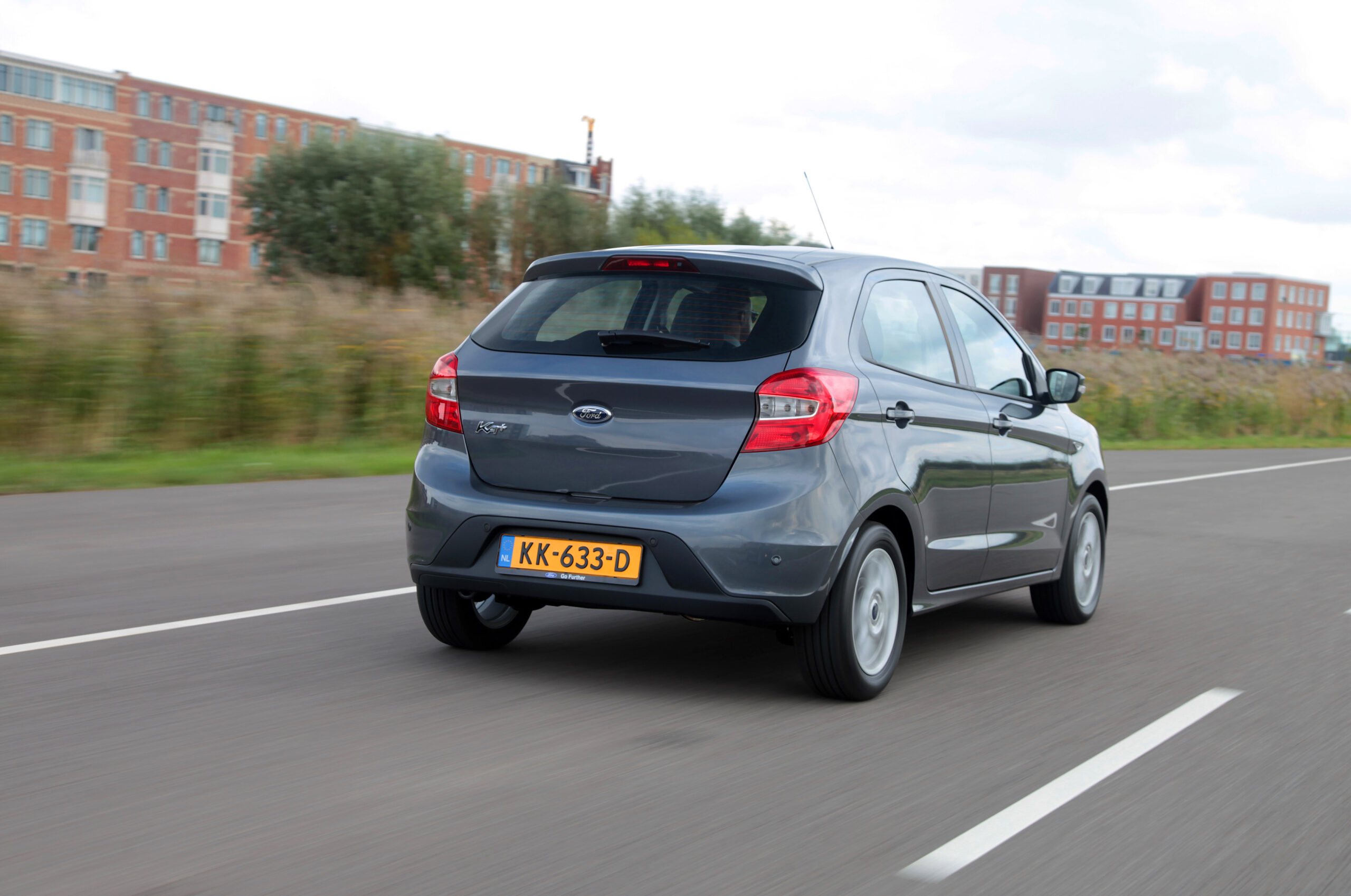
Common causes behind DPF clogging
DPF problems in the Ford Ka 1.3 TDCi are often usage-driven rather than purely wear-driven. Too many short trips are the biggest risk factor. Other causes exacerbate the problem.
Incorrect or unsuitable engine oil with too much ash formation places extra strain on the filter. Always use low-ash oil specifically suitable for DPF systems. EGR problems cause additional pollution because exhaust gases are returned incompletely. Air leaks in the intake tract disrupt combustion and increase soot production.
Defective parts around the regeneration system also play a role. Temperature and pressure sensors that provide incorrect readings ensure that the engine management system does not start regeneration correctly. In those cases, soot continues to accumulate without the system intervening.
Turbo failure and timing chain: related problems
A clogged DPF increases the backpressure in the exhaust system. As a result, the turbo is put under greater strain. With prolonged overloading, the turbo can become defective, resulting in costly repairs.
Irregular oil changes pose a second risk. Engine oil not only lubricates moving parts, but also cools the turbo. Worn or contaminated oil loses those properties. The timing chain can consequently begin to stretch, leading to problems with valve timing and eventually engine damage.
Adhere to the prescribed maintenance intervals. For the Ford Ka 1.3 TDCi, this means changing the oil sooner than the standard recommendation if the vehicle is used intensively. With many short trips, oil is contaminated faster by incomplete combustion and condensation.
Solutions and preventative measures against DPF problems
Drive at least once a week for a longer trip of 20 to 30 minutes at a constant speed above 60 kilometres per hour. That gives the DPF system the chance to start regeneration and burn off soot. The engine must reach full operating temperature.
Use only the correct low-ash engine oil. The wrong oil contains additives that leave ash behind in the filter, accelerating clogging. Check the maintenance manual for the specification prescribed by Ford.
In the case of recurring complaints, it is not sufficient to just clean or replace the DPF. Also have a garage check the following parts:
- EGR valve and associated pipes
- Temperature and pressure sensors in the exhaust system
- Turbo intake tract for leaks
- Vacuum and pressure hoses
Sometimes professional DPF cleaning is sufficient. In more serious cases, replacement is necessary. The replacement interval for the Ford Ka 1.3 TDCi is between 120,000 and 180,000 kilometres, depending on usage and maintenance quality.

How to recognise turbo problems early
Turbo failure often announces itself with specific signals. A whistling or whining sound during acceleration points to bearing damage or leaks. Blue-grey smoke from the exhaust indicates oil burning, which can occur if the turbo allows oil to pass through to the intake system.
Loss of power at higher revs is another sign. The turbo is then not building up sufficient pressure. Also check the engine oil level regularly. Turbo problems sometimes lead to higher oil consumption.
If these symptoms occur, have a diagnosis carried out immediately. A broken turbo can spread metal particles through the intake system, resulting in severe engine damage.
Maintenance tips for a longer life for DPF and engine
Preventative maintenance makes the difference between trouble-free driving and expensive repairs. Ensure that you follow the oil change schedule as prescribed, or sooner if you engage in intensive city driving. Replace the oil filter at the same time.
Monitor fuel consumption. A sudden increase is often an early sign of DPF load or other technical problems. Keep an eye on the dashboard, too. Do not ignore warning lights, as they point to abnormalities that the system has detected.
For structural shorter trips, consider whether a diesel engine is the right choice. Modern diesels with DPF systems are designed for longer distances. Anyone driving primarily in short city traffic might be better off considering a petrol engine for their next car.
‘ With the right approach, you can prevent most DPF, turbo and engine problems. ’
Practical approach to a DPF warning
If the DPF warning light comes on, you do not need to panic immediately. First, try to make a longer trip on a quiet road where you can maintain a constant speed between 60 and 100 kilometres per hour for 20 to 30 minutes.
During that trip, the system often starts automatic regeneration. You will notice this by a slightly increased engine speed at a constant velocity and sometimes a typical smell from the exhaust. If the light goes out after this trip, the regeneration was successful.
If the light stays on or returns quickly, professional diagnosis is required. A garage can use a diagnostic computer to read out which error codes are active and whether the filter is actually clogged or if another problem is occurring. Some situations require forced regeneration via diagnostic software.
The Ford Ka 1.3 TDCi offers economical and powerful driving, but requires conscious usage and careful maintenance. With the right approach, you can prevent most DPF, turbo and engine problems. On the Carnews website, you will find more information about common car problems, maintenance tips and technical background information. Discover what your car needs for long-term, trouble-free driving pleasure.
Frequently asked questions
The most common symptoms are clear power loss and sluggish acceleration, often accompanied by higher fuel consumption. In addition, the engine management light (or a specific DPF warning) will usually illuminate. The exhaust gas flow may also be restricted, which manifests itself in unstable engine behaviour or a ‘strangled’ feeling when accelerating.
Important factors are many short city trips, which mean the engine and exhaust do not become warm enough and regeneration remains incomplete. In addition, the use of unsuitable (non-low-ash) oil and EGR or sensor problems play a role, as they cause extra soot formation and incorrect engine adjustment. Air leaks and malfunctions in pressure and temperature sensors around the DPF system can also disrupt regeneration. As a result, the DPF becomes clogged more quickly, with power loss and higher fuel consumption as a consequence.
The costs for professional cleaning of the DPF for the Ford Ka 1.3 TDCi are generally around a few hundred euros, depending on the method (ultrasonic/chemical) and the workshop hourly rate. Complete replacement of the DPF is significantly more expensive and can run to around or above a thousand euros, including labour, depending on the brand (original vs. after-market) and additional work. Possible solutions include forced regeneration via diagnostic equipment, disassembly and specialist cleaning of the filter, or eventually complete replacement if the filter is internally damaged or saturated. It is often recommended to simultaneously tackle underlying causes (EGR, sensors, driving profile, oil) to prevent recurrence and additional costs.
Drive at least once every one to two weeks for a longer trip (±20–30 minutes) at a constant speed at motorway tempo, so that the DPF can regenerate itself properly. Always use the prescribed low‑SAPs/DPF‑compatible oil and strictly adhere to the maintenance intervals. Avoid exclusively short city trips with a cold engine as much as possible, as this accelerates soot build-up. In the event of minor complaints (higher consumption, power loss), have the EGR, sensors and intake/exhaust checked immediately for pollution or leaks, so that the filter is not unnecessarily heavily burdened.
A defective or clogged DPF usually causes noticeable power loss and a ‘strangled’ feeling when accelerating, because the exhaust gases cannot escape properly. In addition, fuel consumption increases, as the engine must work harder against the higher backpressure in the exhaust system. This can also cause the engine to run less smoothly and try more often in (failed) regeneration cycles to burn the filter clean, which consumes extra diesel. In the Ford Ka 1.3 TDCi, this is particularly seen during many short trips and city traffic.