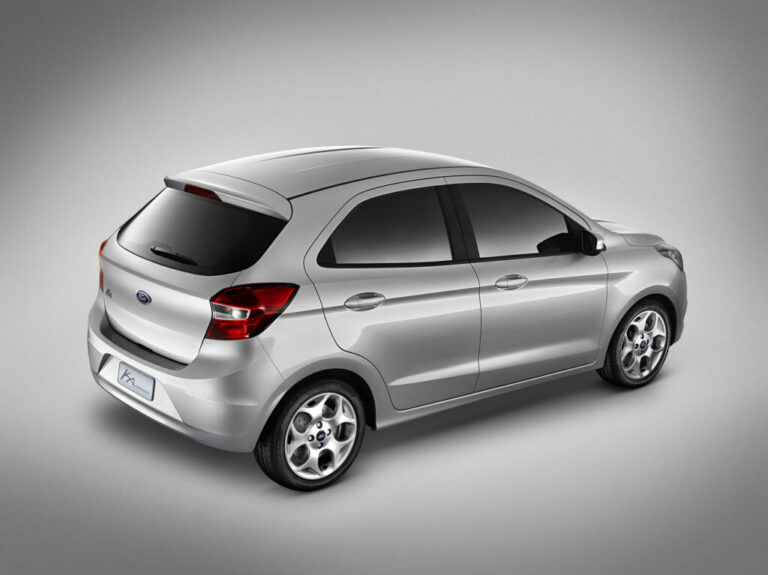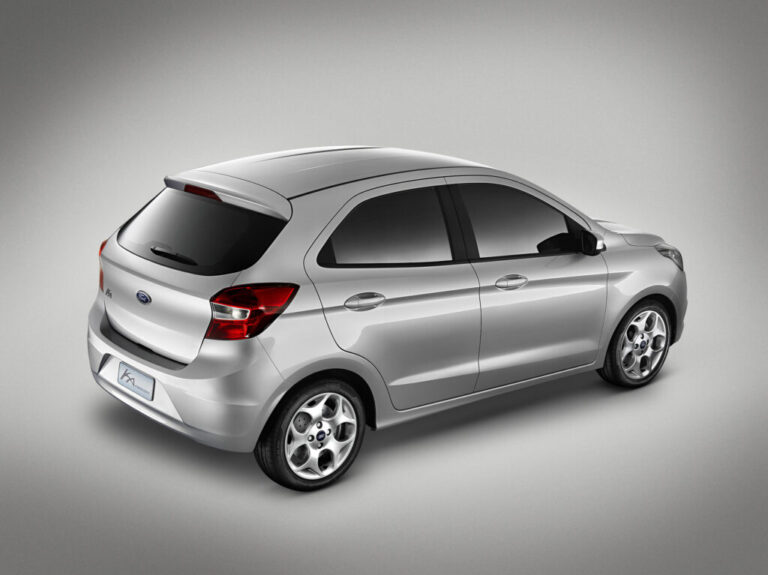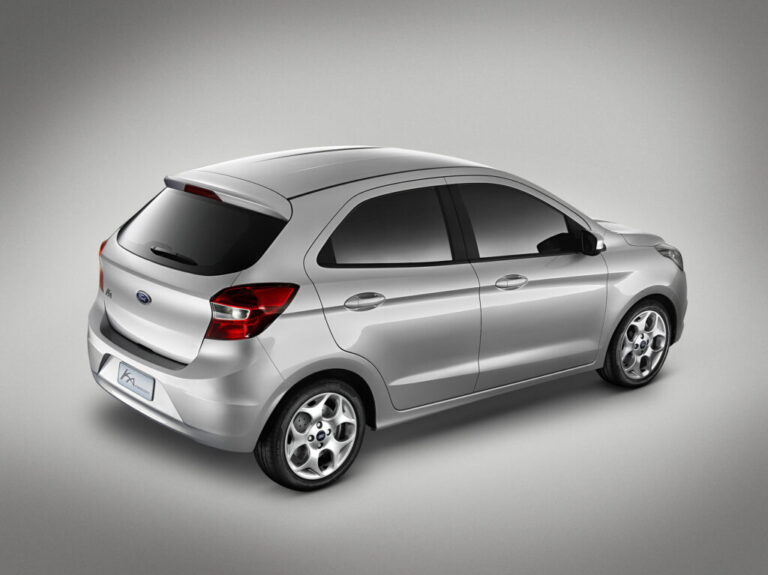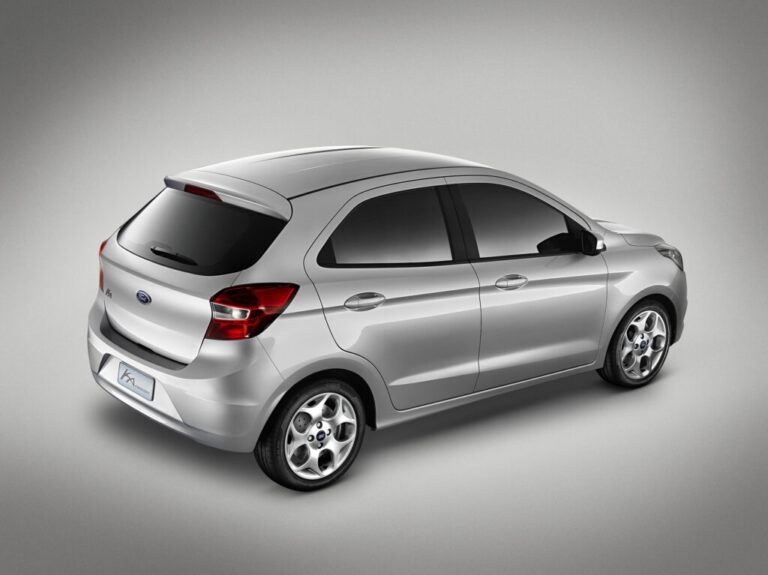
Rust formation on the wheel arches, sills, fuel filler cap, and exhaust of the Ford Ka affects the structural integrity and resale value of the car, especially in older examples. This problem occurs because moisture, road salt, and dirt accumulate in vulnerable spots where the paint is damaged. Discover how to identify, prevent, and treat rust.
Why are Ford Ka wheel arches prone to rust?
The wheel arches of the Ford Ka are continuously exposed to water, mud, road salt, and stone chips. This combination creates an ideal breeding ground for corrosion. Small paint chips quickly grow into rust spots if the metal is exposed to moisture for long periods. The rear wheel arches and the inner side of the wheel arch are particularly sensitive to this issue.
User reviews frequently report rust spots around the rear wheel arches and adjacent edge zones. Rust often starts on the inside of the wheel arch or in areas where dirt and moisture remain for long periods. This makes these zones difficult to inspect during routine maintenance.
The problem is exacerbated because rust often eats through from the inside or from behind the visible panel. The outside may look reasonable initially, while the metal on the inside is already severely affected. This makes early detection difficult.
Identify rust on wheel arches early
Identifying rust at an early stage can prevent significant damage and costs. Look out for the following signs:
- Blisters in the paint or brown edges along the wheel arch
- Unevenness under the paint indicating underlying corrosion
- Rust formation on the inside of the front wheel arch, sometimes halfway up behind the strut
- Dirt accumulation in the transition zones around the inner arch liner
- Blistering or bumps at the edge of the wheel arch
Check especially the places where dirt accumulates. These are the edges and transition zones where the inner liner connects to other body panels. Moisture is trapped here, which accelerates corrosion.
How do you prevent rust on Ford Ka wheel arches?
Prevention is the most cost-effective way to counteract rust formation. Regular maintenance and attention to the wheel arches make the difference between a car that lasts for years and one that loses value prematurely.
Rinse the wheel arches regularly, especially after winter or after driving on snowy roads treated with road salt. Road salt is particularly corrosive and significantly accelerates rust formation. Remove mud and dirt accumulation as soon as possible, as these hold moisture and thereby promote corrosion.
Also check the inner edge of the wheel arch and the transition to sills or fender edges. Rust often starts here because these zones are less visible during a normal inspection. Have minor paint damage touched up immediately before the rust can spread. A small repair costs much less than a full bodywork restoration.
Practical maintenance tips for the wheel arches
- Wash the car regularly, including the underside and wheel arches
- Inspect the wheel arches for paint damage at least twice a year
- Remove accumulated dirt or mud immediately upon discovery
- Treat minor paint damage with touch-up paint
- Ask a body shop for advice if you are in doubt about the severity of rust
Checking for rust problems on a used Ford Ka
When buying a used Ford Ka, extra attention to rust is necessary. A car that looks good on the outside can already show serious corrosion on the inside. A thorough inspection before purchase prevents disappointment afterwards.
Check the wheel arches for blisters in the paint, brown edges, and unevenness under the paint. These signs indicate incipient or hidden rust formation. Look especially closely at the places where dirt accumulates, such as the edges and transition zones around the inner arch liner.
Ask the seller if the car has recently been treated for rust. A cosmetic repair without proper substrate treatment can hide the rust but does not solve the underlying problem. If it has been sprayed or painted recently, ask about the warranty on the work performed.
In addition to the wheel arches, also check other vulnerable places such as the sills, the area around the fuel filler cap, and the exhaust. These zones regularly show rust formation on older Ford Ka’s and provide an indication of the general condition of the bodywork.
Repair costs for rust on wheel arches and chassis
The costs for rust repair vary widely, depending on the severity of the damage and the approach chosen. A small rust spot can be fixed for a few tens of euros, while serious damage to the bodywork can cost hundreds to over a thousand euros.
For superficial rust, sanding, derusting, and repainting often suffice. This is a labor-intensive job that requires careful sanding, priming, and top-coating. The costs for this are usually between 100 and 300 euros per wheel arch, depending on the scope of the work.
For more serious damage, cutting out and replacing affected bodywork is the most durable solution. This means that new body panels are welded in or replacement wheel arches are fitted. The costs for such work can run up to 500 to 1,500 euros per wheel arch, depending on the availability of parts and the hourly rate of the body shop.
What does a thorough repair involve?
A proper rust repair includes the following steps:
- Stripping the area completely back to healthy metal
- Treating with rust-preventative primer
- Applying paint in the correct color
- Applying clear coat for protection if necessary
Just painting over rust often gives a temporary result and does not solve the underlying problem. The rust simply continues to eat away under the new layer of paint. This leads to disappointment and extra costs in the long run.
How do you tackle rust on the Ford Ka yourself?
Performing rust repair yourself is possible, but is seen by experienced mechanics as a labor-intensive job. You need the right materials, tools, and a dust-free workspace to achieve a good result. Without experience, you run the risk that the rust will return or that the repair will look unprofessional.
Start by completely removing the rust down to healthy metal. Use sandpaper, a wire wheel, or a rust converter for this. Ensure that all loose particles and rust spots are removed. A half-hearted approach leads to new rust formation within a few months.
Treat the bare metal with a rust-preventative primer. This primer protects the metal against moisture and forms a strong foundation for the subsequent layers. Let the primer dry well according to the manufacturer’s instructions. Then apply paint in the correct color and finish with clear coat if necessary.
If in doubt, inspection by a body shop is wise, especially if the rust is already starting to bubble at the edge or if blistering is visible. The costs of a professional inspection are outweighed by the cost of a failed DIY repair.
Which other places are prone to rust?
Besides the wheel arches, there are more places on the Ford Ka that are susceptible to rust formation. The sills regularly show corrosion, especially at the bottom where road salt and dirt accumulate. The area around the fuel filler cap is also vulnerable due to moisture that remains here after refueling.
The exhaust and exhaust mounts are also sensitive. Due to high temperatures and constant exposure to moisture and salt, these parts wear out faster. A rusty exhaust can lead to leaks and noise pollution.
Check these places during regular maintenance and treat incipient rust immediately. This prevents small problems from growing into costly repairs that affect the structural integrity and resale value of the car.
‘ With regular maintenance, thorough inspection, and timely repair, you can limit damage and extend the lifespan of your car. ’
Discover more about the Ford Ka on Carnews
Rust formation on the wheel arches and other vulnerable spots of the Ford Ka is a known issue that affects the resale value and safety of the car. With regular maintenance, thorough inspection, and timely repair, you can limit damage and extend the lifespan of your car. On the Carnews website, you will find much more information about common car problems, maintenance tips, and practical advice for Ford owners. Discover more and keep your car in top condition.
Frequently Asked Questions
Rust on the wheel arches of a Ford Ka primarily arises because water, mud, and road salt get trapped in the edges and inside of the wheel arch. Stone chips and minor paint damage leave the bare metal exposed, allowing moisture and salt to act directly and accelerate corrosion. Dirt accumulation holds this moisture for a long time, often at the rear wheel arches and inner edges, which is why rust often starts from the inside out. In addition, the body panels and seams used in this area are prone to rust if they are not well protected or cleaned in time.
You recognize early rust by small blisters or bumps in the paint around the edge of the wheel arch, often with a brown or orange discoloration underneath. Also look for dull spots or hairline cracks in the paint where stone chips have occurred. Look inside the wheel arch itself with a flashlight: you will often see small rust spots or rough, dark brown spots on the metal first. Check the inner edge of the rear wheel arches and transitions to sills in particular, as rust often starts there first on a Ford Ka.
You can mainly prevent rust on Ford Ka wheel arches by rinsing the wheel arches thoroughly and regularly (especially after winter), removing dirt buildup, and touching up minor paint damage immediately. If you start to see rust, sand down to healthy metal, treat with a rust converter or rust-preventative primer, and finish with paint (and possibly clear coat). For more serious degradation, it is often necessary to cut out and replace the affected bodywork to prevent lasting rust. Regularly check the inside and edges of the wheel arches, as rust often starts there first.
Common repair options are superficial rust treatment (sanding to healthy metal, rust converter, primer, and respraying), local bodywork repair (cutting out a small piece and welding in a new plate), or complete replacement/restoration of the wheel arch edge. For a simple cosmetic treatment, you will pay roughly a few hundred euros, depending on the extent (e.g., €150–€300 per wheel arch). With welding and full painting, costs can run up to approximately €300–€600 per wheel arch. The exact price depends on the severity of the rust, labor hours, and whether parts of the car (bumper, interior) need to be disassembled.
Light surface rust on the wheel arches usually has no direct consequences for the MOT, as long as there are no sharp rusty edges and structural parts are not affected. If the rust becomes so serious that holes form or load-bearing parts are weakened, the car can indeed be failed. For resale value, rust almost always has a negative effect because it indicates deferred maintenance and potentially future repair costs. The more visible and serious the rust, the greater the depreciation.
From an economic point of view, it depends on the age, general condition, and market value of the Ford Ka. With an older Ka with limited resale value, extensive bodywork repairs are often more expensive than the increase in value the car yields. A limited, functional repair can be useful to prevent further rust and possible failure in the MOT. If the car is technically sound otherwise and you want to drive it for years to come, then a thorough rust treatment can be economically defensible.