Worn wheel bearings and problems with the suspension (all the parts that connect the wheel to the bodywork) cause noise nuisance, vibrations and unsafe driving conditions. With some basic knowledge you can diagnose and replace them yourself. Droning noises that increase with speed, play in the wheel and steering wheel vibrations are clear warning signs you should take seriously. In this article you will read how to recognise wheel bearing wear and suspension problems and what you can do about them.
What exactly does a wheel bearing do?
A wheel bearing ensures that your wheel rotates with as little friction as possible. At the same time, the part absorbs shocks and vibrations while driving over uneven road surfaces. Modern wheel bearings are safety-critical components. They absorb forces when accelerating, braking and cornering.
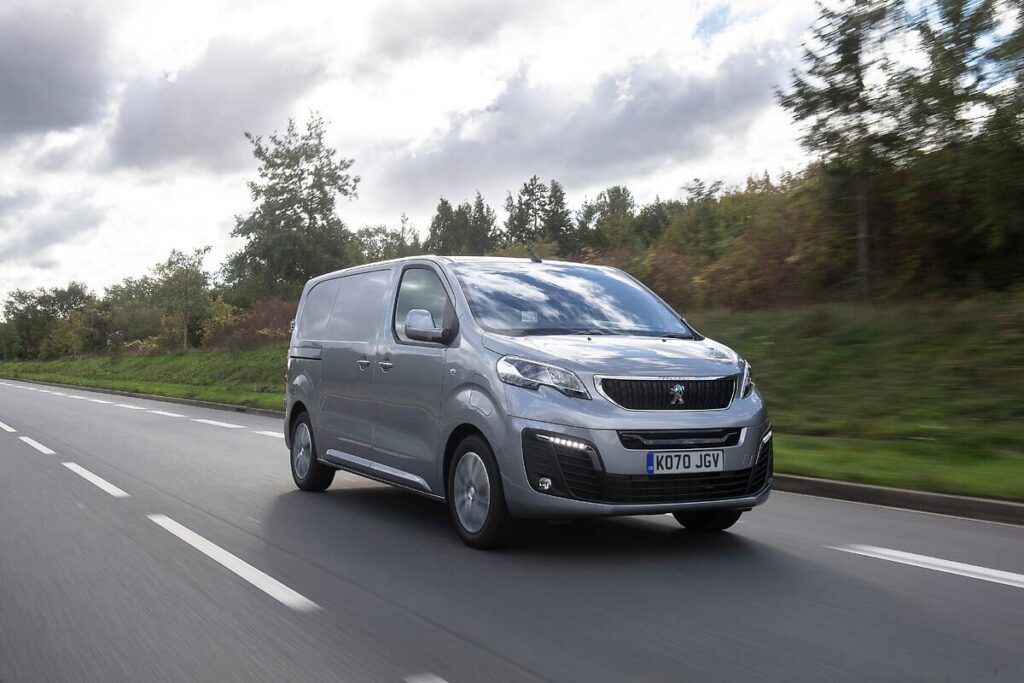
The wheel bearing is part of the suspension system and works together with control arms, shock absorbers, ball joints and steering components. Wear on one part puts extra load on the others. As a result, problems reinforce each other. For commercial vehicles such as the Peugeot Expert this is even more relevant, because this type of vehicle often runs under a higher load than an ordinary passenger car.
How do I recognise wheel bearing wear?
While driving you can clearly notice the most common signs of a worn wheel bearing. Watch out for these indicators:
- Droning or humming noise that gets louder as you drive faster
- Vibrations in the steering wheel, especially at higher speeds or in bends
- Noticeable play in the wheel when the car is jacked up
- Uneven tyre wear on one side
- ABS warning light (ABS is the anti-lock braking system) that comes on with certain bearing problems
Many owners initially confuse bearing noise with tyre noise. A worn wheel bearing, however, produces a more constant droning sound that increases with speed. Tyre noise varies more with the road surface. The sound changes in corners. This often points to a bearing problem. Bearing noises become clearer under load.
What causes wheel bearing noise?
Wheel bearings have a limited lifespan and wear over time due to normal loading. Several factors speed up this process.
Kerb damage and hard impacts regularly lead to premature bearing damage. The bearing develops cracks or deforms, which disrupts the rotational movement. Dirt or water entering or around the bearing affects lubrication and causes extra friction. In vehicles that are often heavily loaded, such as vans, the load on the wheel bearings increases and service life is shortened.
Incorrectly carried out suspension repairs also lead to increased wear. Control arms or other suspension parts that are not mounted correctly cause incorrect load distribution on the wheel bearing.
Bearing or suspension: how do you tell the difference?
Wheel bearing wear and suspension problems cause similar issues, but there are clear differences. On a jacked-up car you first check for play in the wheel and hub (the part in the centre of the wheel). If play is clearly present while track rods and other steering parts still seem fine, this points more towards a bearing problem.
The suspension consists of the bearing and many other components. Control arms, bushes, shock absorbers, ball joints and steering parts also determine how the wheel moves under load. An early bearing problem leads to more play, extra vibrations or faster tyre wear. That is why it is sensible to inspect the rest of the suspension when you have bearing complaints.
Practical inspection steps
- Jack up the car and check for noticeable play by moving the wheel horizontally and vertically
- Rotate the wheel by hand and listen for scraping or grinding noises
- Check the tyres for uneven wear on the inner or outer edge
- Inspect control arms, bushes and ball joints for tears or play
- Test the steering behaviour while driving. Pay attention to vibrations or unusual behaviour in bends.
Can I replace wheel bearings myself?
Technically you can replace wheel bearings yourself. They do, however, require specialist tools and technical knowledge. You press the old bearing out of the hub and press the new bearing in. For this you need at least a hydraulic press, torque wrenches and often special tools.
DIY enthusiasts with experience and the right tools replace wheel bearings themselves. Pay attention to these factors:
- Ordering the correct type of bearing for your specific car and model year
- Using the correct tightening torque to prevent damage
- Hub damage caused by a worn bearing increases replacement costs
- On modern cars with integrated ABS sensors, extra care is required
Many owners have the work carried out by a garage. Incorrect installation can lead to dangerous situations. Rapid renewed wear is also a consequence of incorrect installation.
How much does wheel bearing replacement cost?
The cost of replacing wheel bearings varies by car type and garage. On average you should allow for:
- Parts: between 50 and 150 euros per wheel bearing
- Labour: between 100 and 250 euros, depending on complexity
- Total per wheel: between 150 and 400 euros
On some cars the wheel bearings are part of a larger hub unit, which increases the costs. Damage to the hub caused by a worn bearing also adds extra expense. Always ask for a quotation in advance and have it clearly explained which parts will be replaced.
Consequences of driving on with worn wheel bearings
Driving on with a clearly worn wheel bearing is unwise. You run several risks. Further damage to the hub and surrounding suspension occurs when a defective bearing is not replaced. The steering behaviour deteriorates and driving comfort decreases due to increasing vibrations.
In the worst case, a completely worn wheel bearing can cause the wheel or hub to come loose while driving. This poses a direct safety risk to yourself and other road users. Always have droning noises and play checked in good time.
‘ They also reinforce each other. ’
Maintenance tips for wheel bearings and suspension
Preventive maintenance extends the life of wheel bearings and suspension components. Regularly check for abnormal tyre wear patterns, as these indicate suspension problems at an early stage. During major servicing, feel whether there is any play in the wheel.
Take steering vibrations seriously, especially if they occur together with noise or play. After heavy loading or kerb damage, have the suspension inspected. Regularly inspect control arms, bushes and ball joints. Bearing and suspension wear look similar. They also reinforce each other.
On the Carnews website you will find much more information about car problems, maintenance advice and practical tips for various car makes and models. Discover more articles that help you keep your car in top condition and avoid costly repairs.
Frequently asked questions
Early wheel bearing wear usually produces a monotonous humming or droning noise that increases with speed and often changes or gets louder in bends, whereas noises from other suspension parts are more often clattering, ticking or squeaking over bumps. A worn bearing can also cause a slight drumming vibration in the steering wheel or bodywork that mainly depends on speed, while vibrations from, for example, a bent wheel or badly aligned suspension are often more dependent on engine speed or road surface. With wheel bearings there is often (but not always) noticeable play if you move the jacked-up wheel in and out at the top and bottom; with other suspension problems the play tends to be in ball joints, control arms or track rod ends. Uneven tyre wear can occur with both, but combined with a constant droning noise it points more towards the wheel bearing.
The most common causes of premature wheel bearing wear are kerb or pothole damage, driving overloaded, dirt or water ingress and continuing to drive for a long time with existing play or imbalance. Worn suspension parts (control arms, bushes, ball joints, shock absorbers) can also place extra forces on the bearing and thus accelerate wear. To maximise the service life of wheel bearings and suspension: avoid hard impacts, keep the load within the manufacturer’s limits, ensure correct tyre pressure and wheel alignment, and have an inspection carried out immediately if you notice noises, vibrations or irregular tyre wear. Replacing worn bushes, joints and dampers at an early stage prevents a chain reaction of wear throughout the suspension system.
A worn wheel bearing often causes a droning noise that increases with speed, vibrations in the steering wheel and can make the car feel less stable, especially at higher speeds. Because of extra play in the wheel, the car can become more unsettled in bends and respond less predictably. Incorrect suspension settings or wear in suspension components disturb the alignment, leading to irregular tyre wear, less grip and abnormal tracking behaviour (the car pulls or “wanders” on the road). Together, these issues can noticeably worsen road holding and negatively affect braking and cornering performance.
In principle it is possible to replace a worn wheel bearing yourself, but this requires quite a bit of mechanical experience and knowledge of suspension and safety. You generally need a sturdy trolley jack and axle stands, a wheel nut wrench, socket and ring spanner set, torque wrench, possibly a wheel bearing or press kit and sometimes a puller. You must also know how to support the car safely, check for play and tighten everything to the correct torque settings. If you are unsure or lack the right tools, having the bearing replaced by a professional garage is strongly recommended.
Driving for a long time with a defective wheel bearing can cause extra forces and vibrations, which make parts such as the hub, control arms, ball joints and bushes wear out or become damaged more quickly. The suspension can also develop more play, leading to poorer road holding and irregular tyre wear. In severe cases the hub can become so badly damaged that the wheel is no longer properly secured, with safety risks as a result.