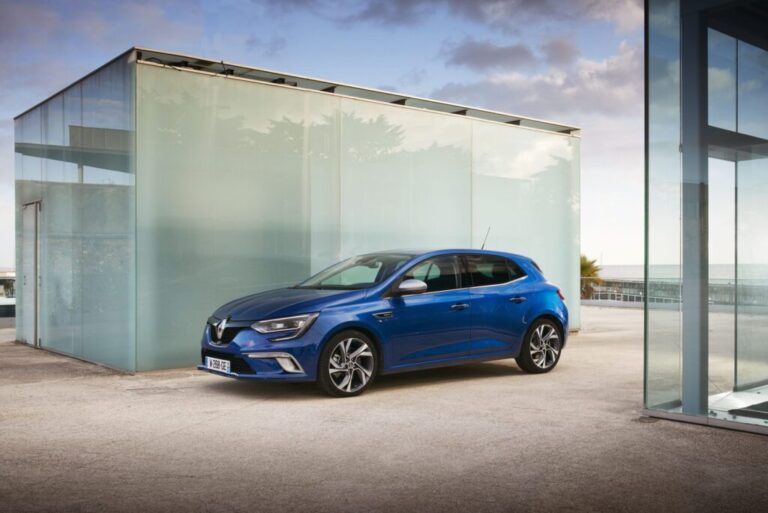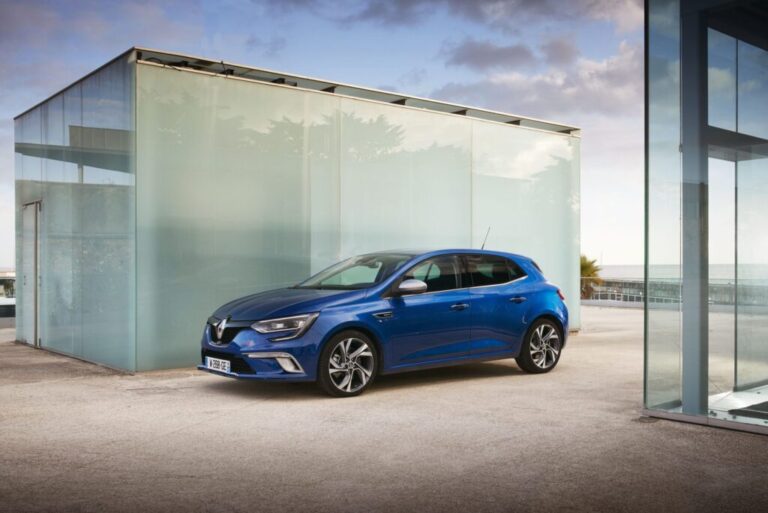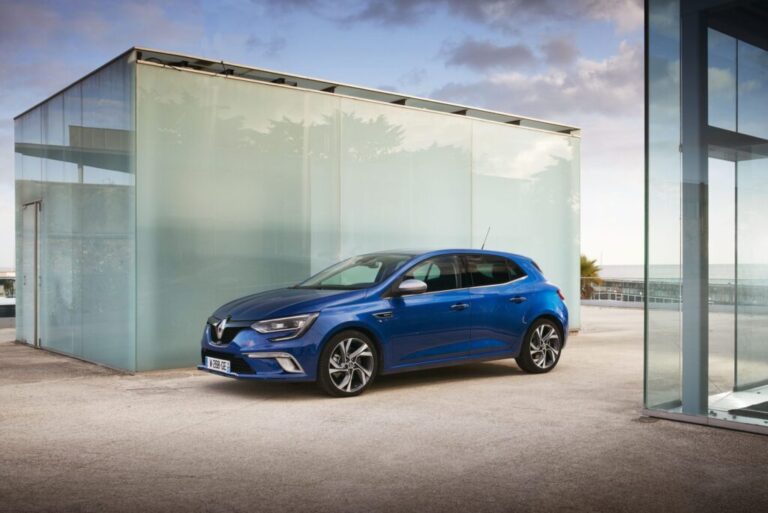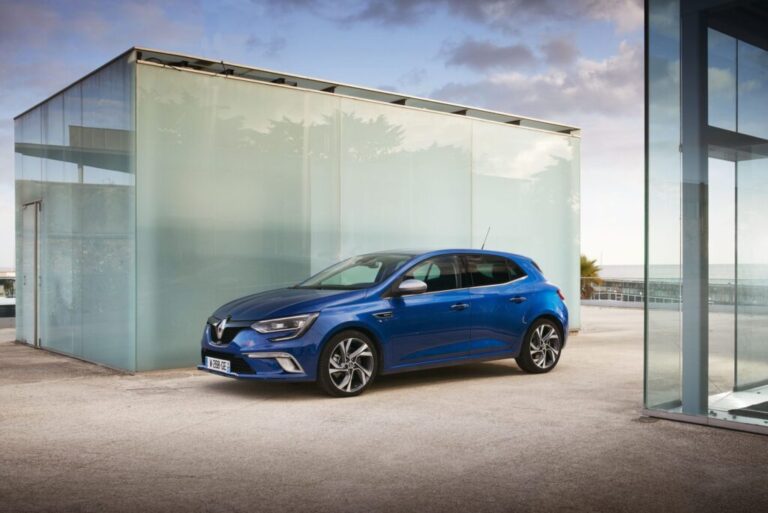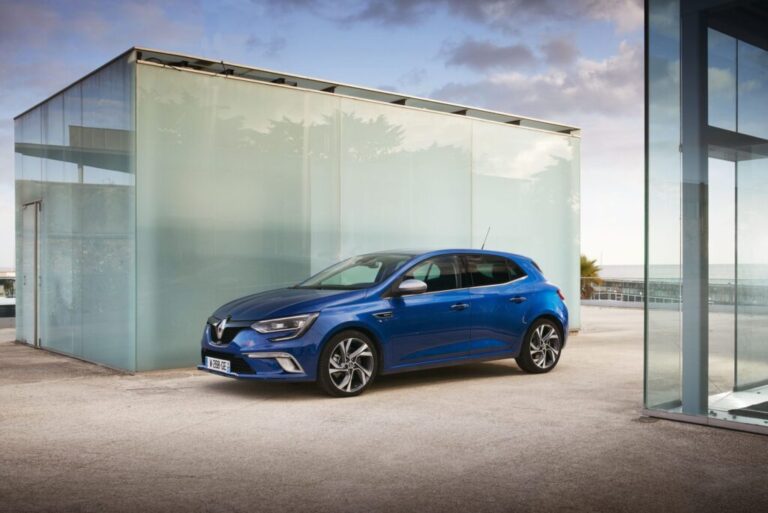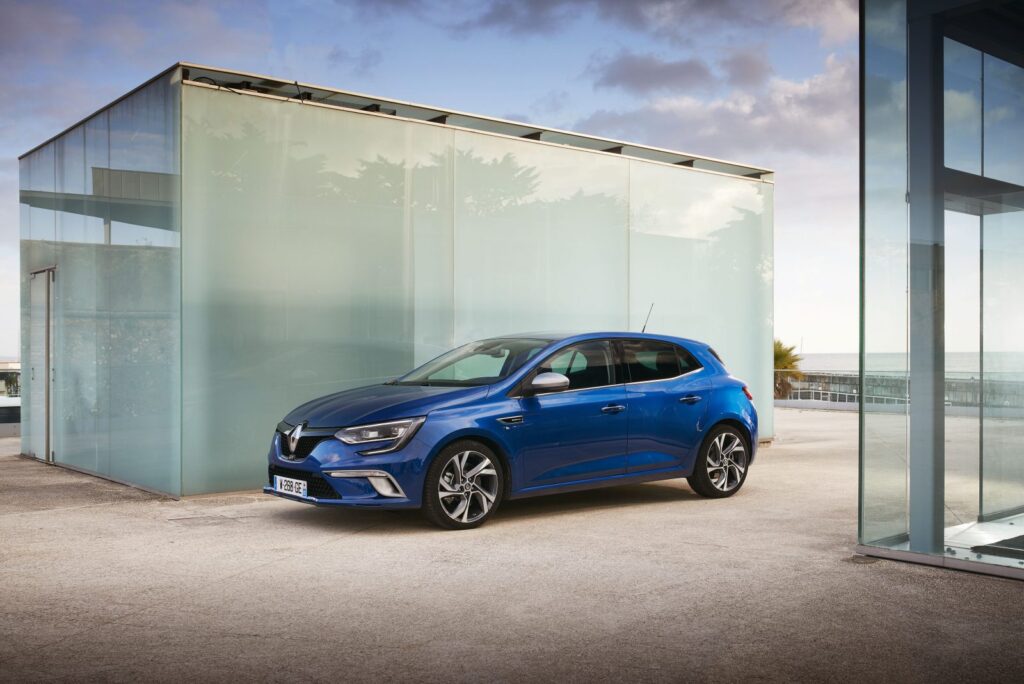
The Renault Megane with the 1.5 dCi engine suffers from persistent starting problems in extreme cold, caused by faulty glow plugs, weak batteries and preheating faults. These complaints are especially common in models made before 2019 and have largely been resolved since then. Are you also worried that your car won’t start in freezing weather?
Why does your Renault Megane diesel not start in winter
At temperatures below -5°C, many Renault Megane diesel engines refuse to start. This concerns the 1.5 dCi engine, a 1.5-litre diesel engine with Common Rail injection. The engine may turn over 5 to 8 times before it fires, and then continue running unevenly for a few seconds. This problem occurs especially on the first start of the day and can lead to blown fuses.
The main cause lies with the glow plugs (small heating elements in the cylinders that preheat the combustion chamber). These ensure that the combustion chamber becomes warm enough for the diesel fuel to ignite. In the Megane 1.5 dCi, the glow plugs can melt or fail completely. As a result, the starting process takes much longer and you may see white smoke coming from the exhaust.
A weak battery (the car’s starter battery) makes the problem worse. During starting, the battery must supply enough power to both the starter motor and the glow plugs. In cold temperatures, battery capacity drops significantly. When the voltage drops below 9 volts during starting, that is a sign that the battery is too weak for reliable cold starts.
‘ In many cases, replacing the relay completely resolves the cold-start problems. ’
Preheating system as a common culprit
In addition to the glow plugs themselves, the preheating relay (the component that switches the power to the glow plugs) can also fail. This relay controls the power supply to the glow plugs and is located on the Megane II behind the left headlamp. You can reach this component via the wheel arch liners.
Owners report fault codes P0380 and P0381 on their diagnostic system (a device for reading fault codes in the car). These codes point to faults in the preheating circuit (the electrical system around the glow plugs and relay). In many cases, replacing the relay completely solves the cold-start problems. Broken wiring or poor contact points can also cause these fault codes.
Recognisable symptoms of starting problems
You can recognise winter starting problems by the following signs:
- Engine needs 5 to 8 starting attempts before it fires
- White smoke from the exhaust during starting
- Engine runs very roughly for 3 to 5 seconds after starting
- Problems only occur at temperatures below -5°C
- Fuses blow during starting attempts
- Glow plug warning light on the dashboard stays on longer
These symptoms usually point to a combination of faulty glow plugs and a weakened battery. In newer models from 2019 onwards, these complaints are considerably less common.
Solution to the Renault Megane 1.5 dCi winter starting problem
The most effective solution is to replace all four glow plugs at the same time. This is relatively straightforward and you can do it yourself with basic tools. You will need a 10 mm spanner, WD-40 and brake cleaner.
Follow these steps for replacement:
- First, let the engine warm up for a quarter of an hour
- Remove the old glow plugs with a 10 mm spanner
- Clean the shaft thoroughly with brake cleaner
- Fit all four new glow plugs straight away
- Tighten them fully while the engine is still warm
- Reconnect the electrical connections
Always replace all four glow plugs, even if only one appears to be faulty. The other plugs are often near the end of their service life too and may fail shortly afterwards. The cost of new glow plugs is limited, and the investment prevents the problem from recurring.
‘ If the voltage is too low, the battery must be replaced. ’
Checking and replacing the battery
Check the battery voltage before starting the engine. A healthy battery has a resting voltage of 12.6 volts. During starting, the voltage should not drop below 9.5 volts. You can measure this with a simple voltmeter or a phone charger with a voltage display in the cigarette lighter socket.
If the voltage is too low, replacing the battery is necessary. When buying one, pay attention to the Cold Cranking Amps (CCA), the battery’s starting power in cold conditions. This figure shows how much power the battery can supply at low temperatures. Choose a battery with at least the CCA value recommended by the manufacturer.
Additional tips for reliable starting
Adjust your starting procedure in extreme cold. Turn the ignition key to the first position and wait until the glow plug warning light goes out. Then wait an extra 5 to 10 seconds before engaging the starter motor. This gives the glow plugs time to preheat the combustion chamber as much as possible.
At temperatures below -9°C, the engine may need as many as 9 starting attempts. Let the starter motor rest for 30 seconds after each attempt to prevent overheating. If the engine still refuses to start, let it warm up in a garage for several hours or use an engine warming blanket.
Is the starting problem fixed in later Renault Megane models
After 2019, Renault made improvements to the preheating system and the quality of the glow plugs. Owners of models from 2020 onwards report considerably fewer winter starting problems. Ice formation in the combustion chamber, which led to blown fuses, is hardly seen at all in these newer models.
Older models remain more susceptible to the problems described. In the Megane II from 2008 and the Megane III, the starting problem occurs regularly. Preventive maintenance on the glow plugs and battery significantly reduces the chance of winter starting problems.
‘ However, this solution is only an emergency measure and does not replace the definitive repair with new glow plugs. ’
Temporary solutions and workarounds
Some owners use a thermal switch as a temporary solution. This switch affects the signal from the fuel temperature sensor by placing a resistor in parallel with the sensor. As a result, the engine computer thinks the fuel is 6 to 8 degrees warmer than it really is, which stabilises the engine running.
The KSD9700 bimetal thermostat (a small temperature-controlled switch) is suitable for this. This switch is normally open at 35°C and closes automatically when the temperature drops. At normal engine temperature, the system switches off again automatically. However, this solution is only an emergency measure and does not replace the definitive repair with new glow plugs.
When to go to the garage
If you are unable to fix the starting problem yourself, take the car to a specialist garage. With professional diagnostic equipment, technicians can determine exactly which glow plugs are faulty and whether the preheating relay is functioning correctly. They can also measure the engine compression to rule out more serious engine problems.
When choosing a garage, look for experience with diesel engines and preferably with Renault models. The cost of professional replacement of glow plugs and the preheating relay remains limited, usually between 200 and 400 euros including labour.
On the Carnews website you will find extensive information on many more common car problems, maintenance tips and practical advice for different car makes. Find out more about your car and avoid unpleasant surprises.
Frequently asked questions
The most common causes of winter starting problems in a Renault Mégane 1.5 dCi are worn or faulty glow plugs, a weak or worn battery, and faults in the preheat relay or preheat circuit. Faulty glow plugs cause poor combustion in a cold engine, leading to prolonged cranking and rough running. A battery with insufficient capacity drops too far in voltage during starting, meaning the starter motor and glow plugs cannot work properly. In some Megane II models, faulty preheat relays (or their wiring) cause fault codes such as P0380/P0381 and poor cold starts.
In the 1.5 dCi, the glow plugs are particularly prone to cold-weather-related starting problems. In addition, a weakened battery often causes extra trouble with cold starts. The preheat relay and the wiring for the glow system are also known weak points in cold weather.
First check whether the battery is still healthy by measuring the voltage (it should be around 12.5 V at rest and should not drop below about 9–10 V while starting). Then observe the glow plug warning light: if it comes on and goes off normally and double-glowing (ignition off/on) helps before starting, the glow plugs are probably still reasonably good. When starting, listen to the starter motor speed (slow turning points to the battery or starter motor) and look at the smoke: lots of white smoke and poor firing often indicate glow plugs. If you have OBD equipment, read out the fault codes (such as P0380/P0381 for preheat/relay problems) so you can discuss things more clearly with the mechanic.
Crucial measures include testing and replacing all four glow plugs preventively and in good time, and checking the preheat relay and wiring for faults (for example P0380/P0381). Make sure the battery is in top condition: have the voltage tested, replace it if in doubt, and ensure the voltage does not drop below about 9 V during starting. In winter, always start only after the glow plug light has gone out and then wait a few more seconds so the combustion chamber is properly preheated. Also keep the terminals (earth and battery posts) clean and free of corrosion, and if problems persist, have the preheat and fuel systems read by a specialist.
What are the typical repairs and associated costs for common ‘winter starting problems’ on this 1.5 dCi model?
Typical repairs for winter starting problems on the 1.5 dCi are replacing all four glow plugs/glow rods (usually around €150–€300 including labour) and fitting a new battery if there is excessive voltage drop during starting (around €120–€250 in total). Replacing the glow relay/preheat relay is also common and usually costs around €150–€250. Any diagnosis and the fixing of wiring or contact issues in the preheating circuit can add a further €50–€150 to the bill.