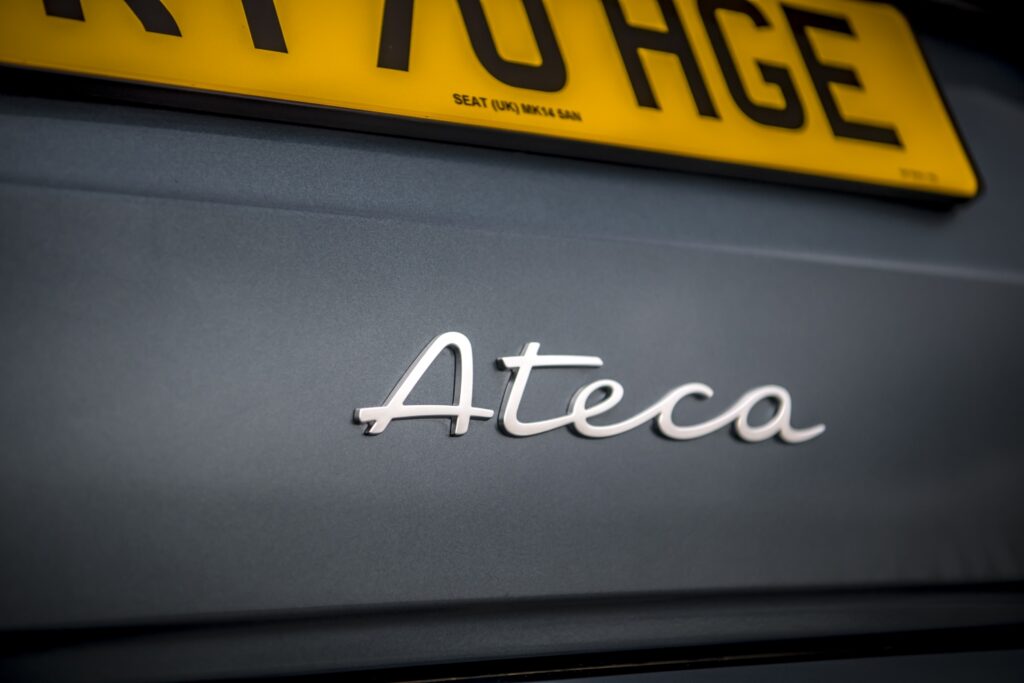
A targeted diagnosis is needed to establish wear in the suspension and shock absorbers of the Seat Ateca. A rattling strut does not automatically mean the shock absorber needs replacing. The strut bearing, anti-roll bar and wishbone bushes can also cause noise. On a used Seat Ateca, the seats and steering wheel also deserve attention. The checks below will help you distinguish the possible causes before you have any parts replaced.
Seat Ateca suspension rattles: when are the shock absorbers worn out?
The shock absorber damps the movement of the spring. If it works less effectively, the Ateca may continue to bounce after a speed bump or feel unsettled in a long bend. Rattling when turning the steering wheel slowly points more towards the strut bearing or the rubber mounting at the top of the front strut, also known as the top mount.
The Ateca has McPherson suspension at the front: a design in which the shock absorber and coil spring together form a strut. The bearing at the top turns with you when you steer. A stiff bearing can rattle. If there is play in it, it can also knock. It is therefore best first to establish when the noise occurs: while steering, compressing the suspension or driving over small bumps.
Replacing a shock absorber is more likely if there is obvious oil leakage, damage or a proven loss of damping. A light oil film on the housing does not in itself prove that the damper is faulty. Under British test rules, however, serious leakage and a non-functioning shock absorber are both classed as a defect. Combine a visual check with a test drive and, if in doubt, a measurement on a test rig.
Common suspension problems with the Seat Ateca
Not every noise from the suspension has the same cause. British MOT data lists defective shock absorbers in around 8.5 per cent of the Atecas that failed their test. That percentage relates only to failed cars and does not prove a manufacturing fault. It does, however, make checking the dampers during servicing or before purchase worthwhile.
These symptoms help you focus the inspection on the right part:
- Knocking over small bumps: have the anti-roll bar links and wishbone bushes checked for play.
- Rattling when steering: inspect the top mount and the front strut bearing.
- Continued bouncing after a speed bump: check the shock absorbers for leakage and reduced effectiveness.
- Uneven stance or a sudden loud noise: have the ends of the coil springs checked for breakage.
- Uneven tyre wear: in addition to the suspension, check tyre pressures and wheel alignment.
The rear suspension differs by Ateca variant: either a semi-independent rear axle or a multi-link set-up is used. That difference matters when ordering parts and assessing play. Ask the garage to check which suspension is fitted to your car.
Rear dampers and 19-inch wheels deserve attention
Leakage from the rear shock absorbers is something to watch for at higher mileages. According to technical information on the Ateca, that is especially the case from around 80,000 kilometres onwards. That is not a fixed replacement point: road conditions, load and your driving style also play a role in wear. During a test drive with a load, pay attention to extra movement at the rear after a bump.
On an Ateca with 19-inch wheels, a low tyre sidewall may absorb potholes less effectively. That can increase the load on the tyres, wheels and suspension parts. However, a firm ride does not automatically mean the dampers are worn out. First check the specified tyre pressures and see whether a wheel is damaged.
British MOT data for the 2021-model-year Ateca mentions defects to the front shock absorbers and front suspension components. That is not proof of a design fault. On a car from this year, check both front dampers for leakage and have the bushes and links checked for play.
Checking shock absorber wear on an Ateca
A targeted inspection prevents a noticeable problem from immediately turning into an expensive repair. Start with the tyres and then take the car for a test drive. If you find an issue, have the car inspected on a lift afterwards. A push on the bodywork can give you a clue, but it does not replace a proper damper check.
When viewing the car or during a service, work through the following order:
- Inspect the tyres for uneven tread or localised wear and check the tyre pressures.
- Drive over a short, uneven road. Note whether the noise occurs while steering, braking or compressing the suspension.
- After a speed bump, watch for repeated bouncing and assess whether the car remains calm in corners.
- On a lift, inspect the dampers, springs, dust covers and mountings.
- If in doubt, check for play and compare damping performance on the left and right.
If the outside of a shock absorber is damp or oily, have it checked for oil leaking from the damper. Cracks in the dust cover also deserve attention: that cover protects the piston rod from dirt. If the Ateca pulls to one side or the tyres wear unevenly, have the wheel alignment measured as well. Fitting new dampers alone will not correct incorrect alignment.
Replacing shock absorbers without unnecessary repairs
If a shock absorber is actually defective, it is best to replace the dampers by axle. That prevents a large difference in damping between left and right. During the same repair, check the top mounts, bearings, dust covers, bump stops and springs. When working on the front suspension, it is wise to check the wheel alignment.
Leave removal of a front strut to a specialist garage. The coil spring is under tension and requires suitable tools. When ordering parts, provide the exact version of the Ateca: drivetrain and chassis can determine which damper fits. Also ask the garage which play or leakage was found, so it is clear why replacement is needed.
Reducing wear on the seats and steering wheel of the Seat Ateca
Also inspect the interior of a used Ateca. Wear on the outer seat bolster and the steering wheel develops in places that are touched often. Their condition says little on its own about the operation of the suspension or the mileage. Compare the interior with the service history and the car’s mechanical condition.
You can reduce further wear with a few habits:
- Get in without repeatedly rubbing against the outer seat bolster.
- Remove dirt from seats and the steering wheel with a product suitable for the material concerned.
- Do not use an aggressive cleaner, and test any new product on an unobtrusive area first.
- Assess damaged upholstery and a worn, shiny steering wheel separately during a pre-purchase inspection.
On the Carnews website you will find more information about Ateca problems, maintenance and other topics for car enthusiasts.
Frequently asked questions
‘Cupping’ is identified by irregular, bowl-shaped or saw-tooth wear patterns on the rear tyres, with alternating higher and lower tread areas. The tread therefore feels lumpy or sharp when you run your hand over it. When driving, this can be accompanied by an increasing humming or droning noise and vibrations from the rear axle.
The greater mass of an all-wheel-drive Seat Ateca means the shock absorbers have to convert more kinetic energy into heat when the suspension compresses and rebounds. As a result, the damper oil and seals heat up more on poor roads, at high speed or when heavily loaded. Prolonged heat can thin the oil, temporarily reduce damping performance and accelerate wear or leakage.