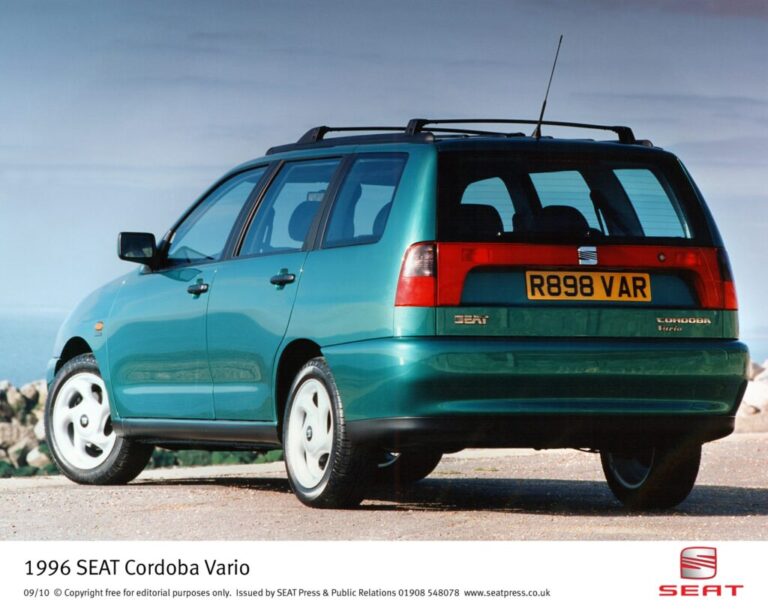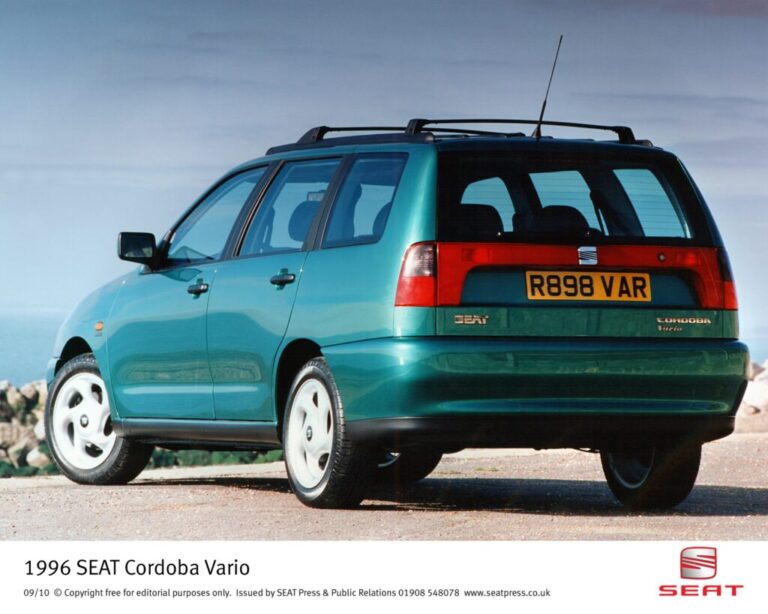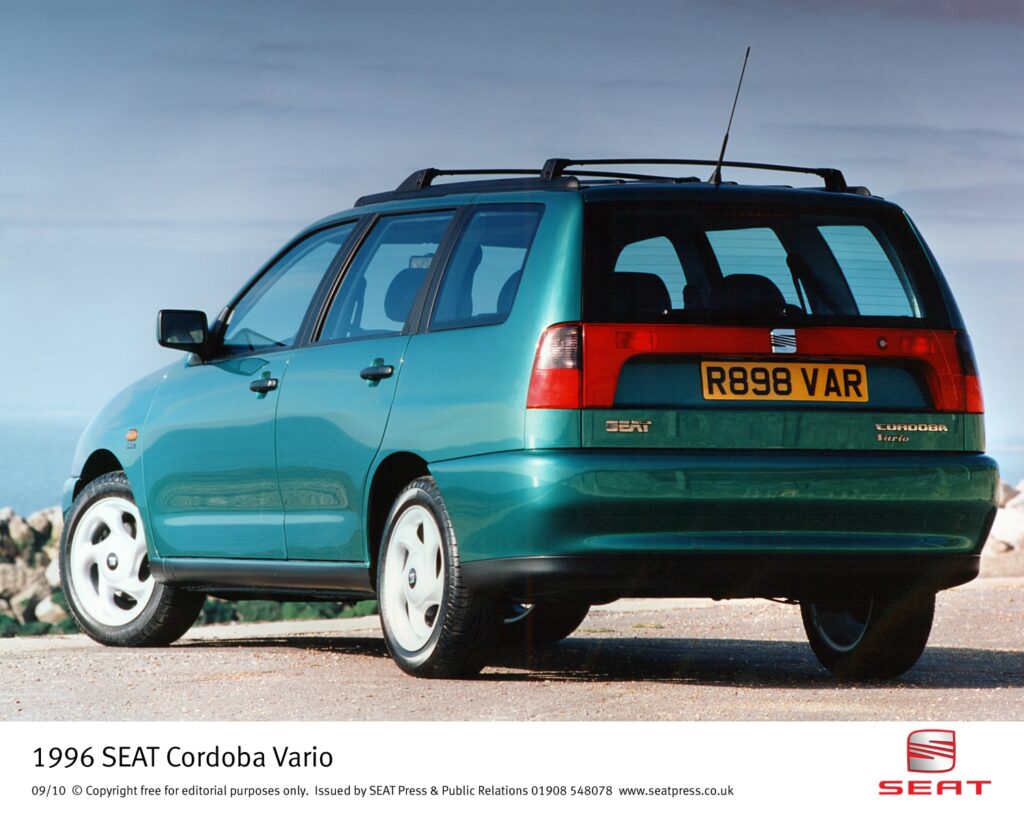
The timing belt of the Seat Cordoba requires special attention, as a snapped belt leads to engine damage costing thousands of pounds. Timing belt issues occur regularly with this Spanish compact sedan, especially if the recommended replacement interval of 90,000 kilometres is not adhered to. In this article, you will learn which signs to recognise, why timely replacement is important, and which components should be replaced at the same time.
What the timing belt does in your Cordoba
The timing belt synchronises the camshaft and crankshaft. This allows the valves and pistons to move at the right moment. If that synchronisation is lost, the engine components are no longer aligned. The engine will then start poorly or not at all.
Several engines have been fitted in the Cordoba that rely on a timing belt. The most common variants are the 1.4 16V and the 2.0 engine. Both engines require correct timing to function. A deviation of just one tooth can already cause misfires and irregular running.
‘ Preventative replacement prevents you from breaking down with engine damage. ’
When should you replace the timing belt
The official maintenance schedule for the Seat Cordoba mandates replacement at 90,000 kilometres. This interval applies to most engine variants, but always check the service booklet for your specific model. Besides kilometres, the age of the belt also plays a role. Rubber degrades due to temperature fluctuations and moisture, even if the odometer reading is low.
Therefore, replace the belt even if your car has not yet reached 90,000 kilometres but the belt is older than six to seven years. Preventative replacement prevents you from breaking down with engine damage. Dealers and forums show that the interpretation of replacement intervals sometimes differs, but better safe than sorry remains the motto.
Recognisable signs of timing belt problems
There are several symptoms that indicate wear or problems with the timing belt. Look out for the following signs:
- Ticking or rattling noises from the engine bay
- Starting difficulties or an engine that turns over but fails to start
- Misfires and irregular engine behaviour
- Engine suddenly sounding different, especially during a cold start
- Unusual smoke after starting
These signs do not always mean the belt itself is broken, but they can indicate wear or incorrect timing. Nevertheless, an inspection is wise. On older Cordobas, it happens that the timing belt skips a tooth. The timing is then no longer correct, and the engine does not start well or at all.
Visible wear on the belt
If you open the timing cover, you can visually inspect the belt. Look for cracks, frayed edges, or missing teeth. These are clear signs that the belt needs to be replaced. Oil contamination on the belt also shortens its lifespan. Oil slowly dissolves the rubber and affects the structure.
When performing a visual inspection, also check the idler rollers and the tensioner. These components rotate with the belt and can also wear out. A faulty tensioner causes insufficient tension on the belt, which can lead to skipping or snapping.
Consequences of a broken timing belt
In most engine variants, the Cordoba has an interference engine. This means that the pistons and valves move in the same space. If the timing belt snaps while driving, the camshaft stops while the crankshaft continues to rotate. The pistons then collide with the open valves.
The damage is immediate and extensive. Bent valves, damaged pistons, and sometimes even damage to the cylinder head are the result. Repairing this often costs more than the value of an older Cordoba. Therefore, preventative replacement of the timing belt is always cheaper than repairing it afterwards.
‘ A mistake of just one tooth leads to starting problems or engine damage. ’
Maintenance of the timing drive on the Cordoba 1.4 and 2.0
During maintenance, do not replace only the timing belt itself. The tensioner, idler rollers, and water pump must also be included. The water pump is often driven by the timing belt and is also due for replacement after 90,000 kilometres. It would be a shame to open the timing cover again shortly after a belt replacement due to a faulty pump.
For the Cordoba 1.4 16V, the repair manual prescribes specific steps. The camshaft must be locked, and the marks on the camshaft and crankshaft must be checked. After installation, turn the engine by hand for two full rotations and check the timing marks again. Only then can you be sure that the timing is correct.
Practical tips for replacement
Have the replacement carried out by a garage familiar with the Cordoba. The timing adjustment requires precision. A mistake of one tooth leads to starting problems or engine damage. Always use original parts or quality brands that meet factory specifications.
Ask the mechanic to also inspect the timing cover for leaks. Oil leakage from the camshaft or crankshaft seal can contaminate the new belt. Resolve this immediately to prevent recurrence. Record the replacement date and mileage in the service booklet so that you are on time again in 90,000 kilometres.
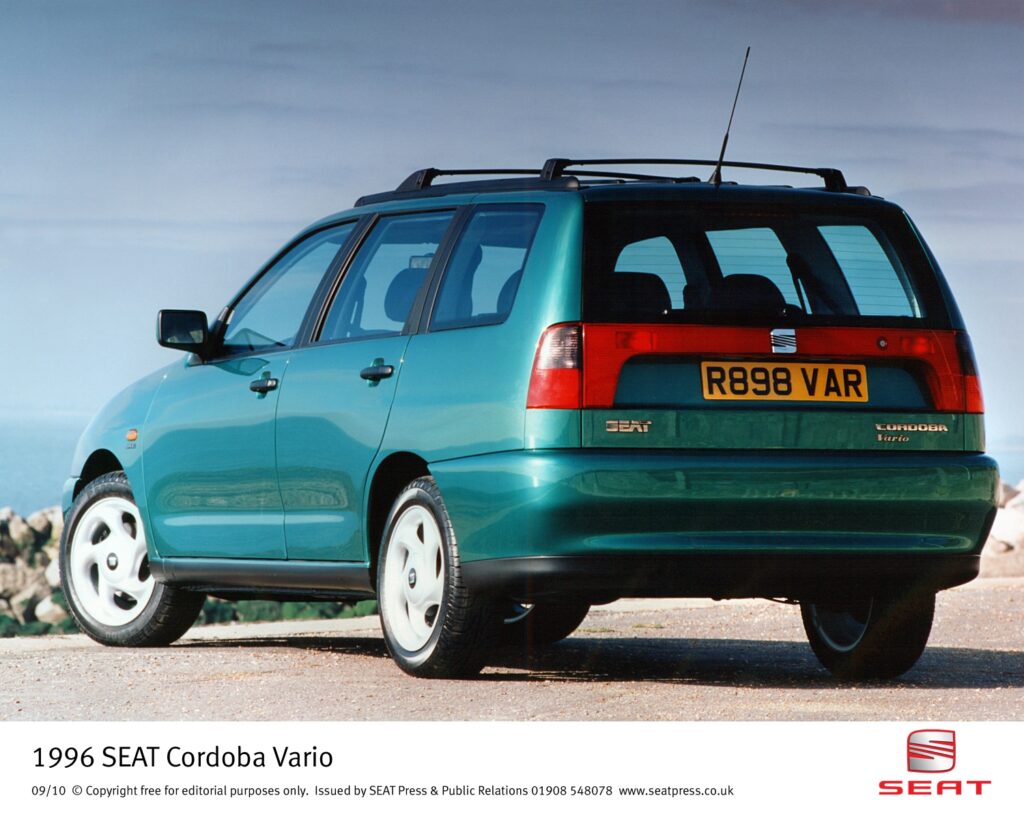
Experiences of Cordoba drivers
On forums, Cordoba owners report that dealers sometimes provide varying advice on replacement intervals. One dealer advises strict adherence to 90,000 kilometres, while another mentions 120,000 kilometres. Stick to the conservative interval of 90,000 kilometres. The risk is too great to wait any longer.
Some drivers of older Cordobas report that starting problems were resolved by re-checking the timing. This fits the risk of the belt skipping a tooth. If the engine suddenly runs differently or starts poorly, have the timing checked before you drive any further.
Frequently asked questions about the timing belt
Can I replace the timing belt myself
Technically yes, but it requires specialist tools and knowledge of timing adjustment. A mistake can immediately lead to engine damage. For the average DIYer, this is not a job to do at home. Leave it to a professional who has the right tools and knows the procedure.
What does replacing the timing belt cost
Costs vary per garage and region, but expect between 400 and 700 euros including the belt, tensioner, idler rollers, and water pump. This seems like a lot, but it is a fraction of the costs involved with engine damage. See it as a mandatory investment in the lifespan of your Cordoba.
‘ A broken timing belt leads to major engine damage. ’
Summary: avoid problems with timely maintenance
The timing belt of the Seat Cordoba requires maintenance discipline. Replace the belt every 90,000 kilometres or sooner if age demands it. Take the tensioner, idler rollers, and water pump along with it. Watch out for signs such as ticking noises, hard starting, or irregular running and have the timing checked if these symptoms appear.
A broken timing belt leads to major engine damage. This makes preventative replacement always the wisest choice. Ensure good documentation of maintenance and plan the next replacement in good time. This keeps your Cordoba reliable and prevents expensive surprises.
On the Carnews website, you will find much more information about common problems with various car brands and models. Discover what maintenance tips and experiences other car enthusiasts share and stay up to date with practical solutions for your car.
Frequently asked questions
You recognise early warning signs of a worn timing belt mainly by new ticking or rattling noises from the engine bay and an engine that runs irregularly or exhibits misfires. The car may become harder to start or turn over but fail to start, which may indicate a skipped or worn belt. During visual inspection, cracks, fraying, or missing teeth on the belt are clear alarm signals. Changed engine sound, especially during a cold start, is an additional reason to have the timing belt and timing checked immediately.
If the timing belt fails, the synchronisation between the crankshaft and camshaft is lost, which usually causes the engine to stop immediately and fail to start. For the (interference) engines in a Seat Cordoba, this often leads to contact between pistons and valves, resulting in bent valves, damaged pistons, and possibly a broken cylinder head. Engine performance is then not only lost, but the engine is, in practice, unusable until it is extensively overhauled or replaced. The car’s reliability is therefore seriously compromised because the engine cannot be used safely or sustainably without prior overhaul.
The recommended replacement interval for the timing belt on a Seat Cordoba depends on the engine variant, model year, and official maintenance schedule; therefore, always consult the factory requirements or the maintenance booklets of the car in question. In practice, many VAG engine specialists advise performing the belt replacement preventatively somewhat earlier than the maximum factory interval, especially on older models. Sporty driving can increase the load on the timing belt, tensioners, and idler rollers, making replacement desirable sooner than with calm, predominantly motorway use. Oil leaks, rubber ageing, and many short journeys can also further shorten the effective replacement interval.
The costs for replacing the timing belt on a Seat Cordoba generally consist of the price of the timing kit (belt, tensioners, and often the water pump) plus several hours of labour; in practice, this can easily add up to several hundred euros. It is a critical procedure because incorrect timing can cause serious engine damage. For an experienced DIYer with the right tools, a good workshop manual, and experience with engine maintenance, it is in principle feasible. Without that specific knowledge and locking/adjustment tools, it is recommended to leave the work to a professional mechanic.
For the Seat Cordoba, there are no common “racing upgrade” timing belts that demonstrably provide extra performance; the belt itself does not add power in principle but only ensures reliable timing. For motorsport use, a high-quality OEM or reinforced belt (often with a complete set of tensioners/rollers) is usually chosen, and above all, a shorter replacement interval is used to increase reliability. Any performance improvement comes mainly from other engine modifications (camshafts, ECU, exhaust, etc.), not from the timing belt. For serious circuit or rally use, follow the manufacturer or tuner advice for your specific engine code.