Starting problems with the Seat Cordoba are often caused by immobiliser faults, defective ignition switches and electrical wiring problems, resulting in the car not starting after short journeys and a clock that keeps resetting. These problems occur regularly across different model years and can often be explained by known weaknesses in the electrical system. Read on to discover the specific causes behind your starting problem and how to tackle them.
The Seat Cordoba is known as a reliable and affordable model, but some owners struggle with persistent starting problems. In particular, models from 1999 to 2009 keep reporting the same complaints. After a short drive, the engine refuses to start, the immobiliser light keeps flashing or the clock keeps resetting itself. These symptoms often point to a combination of electrical faults that can be resolved with the right approach.
Starting problems can have various causes, from simple battery issues to complex electrical faults. On the Cordoba, there are specific weak points that owners should know in order to act effectively. With the right diagnosis, you can avoid costly repairs and get the car running again quickly.
Why the Seat Cordoba won’t start after a short journey
A common complaint with the Seat Cordoba 1.4 from 2001 is that the engine no longer wants to start after a short trip. This problem often occurs in older models and is usually related to the electrical system. The symptoms are clear: the engine turns over, but does not catch, while hot starts after longer journeys go smoothly.
Possible causes of this problem are:
- A faulty ignition switch with internal contact problems during half-cold starts
- Weak electrical connections that do not supply enough current when the engine is cold
- A defective camshaft sensor generating fault code P0340
- Fuel pressure problems caused by a leaking diesel fuel filter in diesel models
On the 1.4 16V and Vario models, irregular starting problems tend to occur during half-cold starts. The engine runs perfectly once it has started, but the first attempt often fails. This points to a temporary electrical or mechanical contact problem that disappears once the system has fully warmed up.
The immobiliser light flashes when there are starting problems
A flashing immobiliser light is a common symptom of starting problems in the Seat Cordoba. The immobiliser system is designed to prevent theft, but it can itself become the cause of starting problems. When the system does not recognise the key or has a fault, it blocks the engine and the light keeps flashing.
This problem often occurs together with a clock that resets itself. Both symptoms point to an underlying electrical issue. The most common causes are:
- Voltage spikes or drops in the electrical system
- Loose or corroded earth connections
- A weak battery that does not provide a stable voltage
- Wiring problems in the immobiliser circuit
Make sure you first check the battery with a multimeter. The voltage should be at least 12.4 volts with the engine switched off. You can then check the earth connections. These are often under the bonnet and can corrode after years of exposure to moisture. Clean these connections thoroughly with sandpaper and spray them with contact spray.
Ignition switch and start and fuel-cut-off switch
The ignition switch on the Seat Cordoba is known to be a weak point, especially on models built before 2005. The internal contacts can wear over time, leading to poor contact. This shows itself as intermittent starting problems, where the car sometimes starts and sometimes does not, without any clear pattern.
On the 1.6 AFT models from 1999, no fault code is sometimes found during diagnosis, while the engine becomes progressively harder to start. This points to a mechanical or electronic contact problem in the starting circuit. The terminal of the switch can be secured to increase contact pressure, which in some cases helps temporarily.
If the ignition switch is faulty, you can often tell from the following symptoms: the car’s electrics do not come on immediately when you turn the key, or you have to move the key several times before the engine starts. Replacing the ignition switch costs a few tens of euros for the part, but labour can be higher because the steering lock often has to be removed.
A faulty camshaft sensor causes starting difficulties
A faulty camshaft sensor is a very common cause of starting problems in the Seat Cordoba. This results in fault code P0340, which you can read with an OBD scanner. The camshaft sensor tells the engine computer where the camshaft is, so that injection and ignition happen at the right moment. Without this signal, the engine cannot start or may run poorly.
Symptoms of a faulty camshaft sensor are:
- Long cranking before the engine starts
- Reduced engine power while driving
- Irregular idling speed
The camshaft sensor is usually located on top of the engine, by the camshaft housing. Replacement is relatively straightforward and usually costs between €30 and €80 for the part. After replacement, it is important to clear the fault code with an OBD scanner so that the system can relearn.
Check fuel pressure and air intake
On the 1.9-litre diesel models, a leaking diesel fuel filter is a well-known cause of starting problems. Air enters the fuel system, preventing the fuel pump from building constant pressure. This leads to non-starting, especially after periods of standing still. The engine may then only start after long cranking or after manually bleeding the system.
The solution is to replace the fuel filter. Always choose a quality filter from a well-known brand. On diesel engines, the fuel filter is a wear item that should be replaced regularly, usually every 30,000 to 60,000 kilometres depending on use. If the filter leaks, you will also need to bleed the system completely.
The MAF sensor can also cause starting problems. This sensor measures how much air enters the engine. If the MAF sensor is faulty, the engine receives the wrong airflow reading, which can lead to non-starting or poor running. You can first clean the MAF sensor with a special MAF sensor cleaner. If that does not work, the sensor must be replaced.
How to check fuel pressure
If the engine starts but has no power, the fuel pressure may be too low. Use a pressure gauge to measure it. On petrol models, the pressure should be between 3 and 4 bar with the engine running. If the pressure is low, the fuel pump is often faulty or the injectors are blocked.
An oxygen sensor that continuously indicates a lean mixture can also point to low fuel pressure or blocked injectors. This problem mainly occurs in older models with more than 150,000 kilometres on the clock. So always check the fuel pressure first before replacing the oxygen sensor.
‘ This problem can be solved by replacing the spark plugs and cleaning the ignition leads. ’
Fixing misfiring on cold starts
Owners of the 1.2 12V from 2006 to 2009 report intermittent misfiring, especially during cold starts or under load. Misfiring means the ignition does not take place properly in all cylinders, resulting in an unevenly running engine and vibrations. This problem can be solved by replacing the spark plugs and cleaning the ignition leads.
Use quality spark plugs from brands such as NGK or Beru. Make sure you have the correct specifications for your engine type. On the 1.4i, the engine has a known misfiring problem that is often caused by worn spark plugs or dirty ignition leads. Clean the ignition leads with brake cleaner and check that they are not damaged anywhere.
On the 1.4 BXW, the engine often only starts normally after about a minute of cranking, but hot starts are trouble-free. This points to a cold-start problem that may be caused by a faulty coolant temperature sensor or ignition problems at low temperatures.
Electrical switches and earth connections
Loose or corroded earth connections are a common cause of electrical problems in the Seat Cordoba. Earth connections allow the electrical current to flow back to the battery. Poor earth connections cause voltage spikes and drops that can produce all kinds of strange symptoms.
Check the following earth connections:
- Earth connection between engine and body
- Earth connection between battery and body
- Earth connection of the engine management computer
Clean all earth connections thoroughly with sandpaper until the metal is shiny. Grease the connections with copper paste before tightening them again. This prevents future corrosion and ensures a stable electrical connection. Restarting the electrical system can sometimes help with unexplained starting problems. Disconnect all battery terminals, leave the car for a few minutes, and reconnect everything.
Practical tips for starting problems with the Seat Cordoba Vario
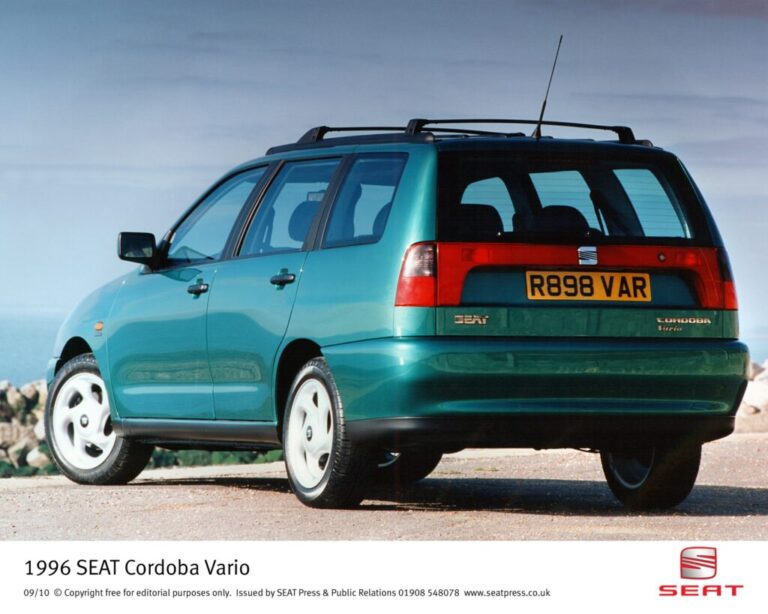
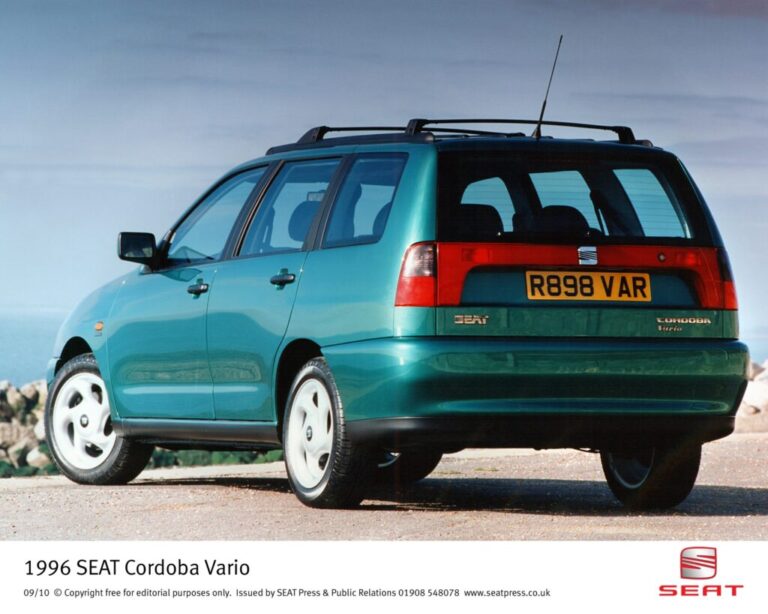
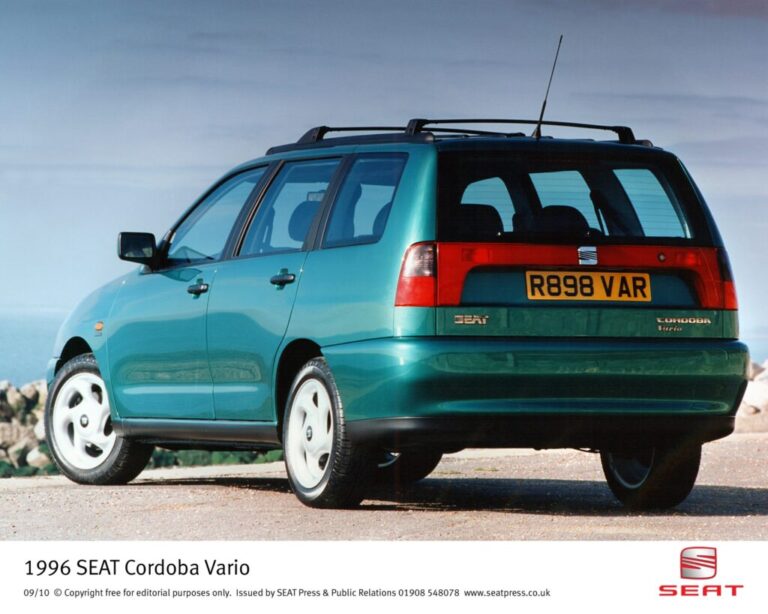
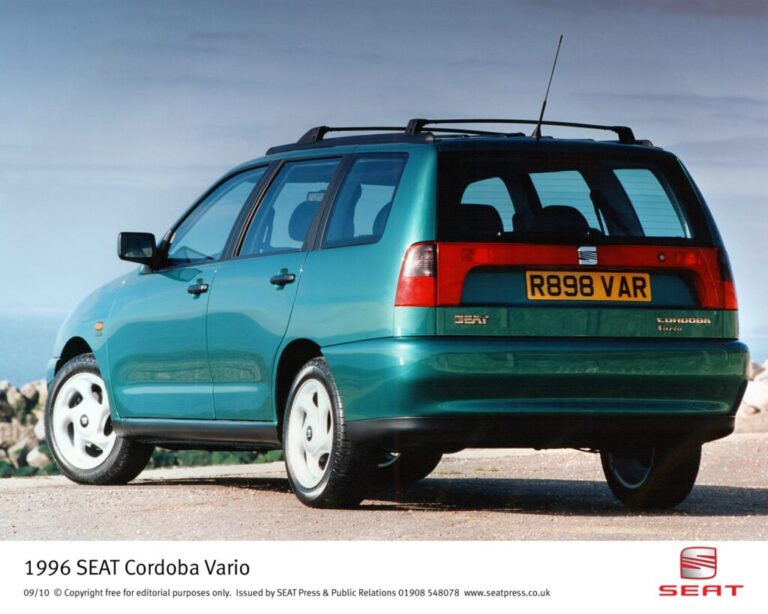
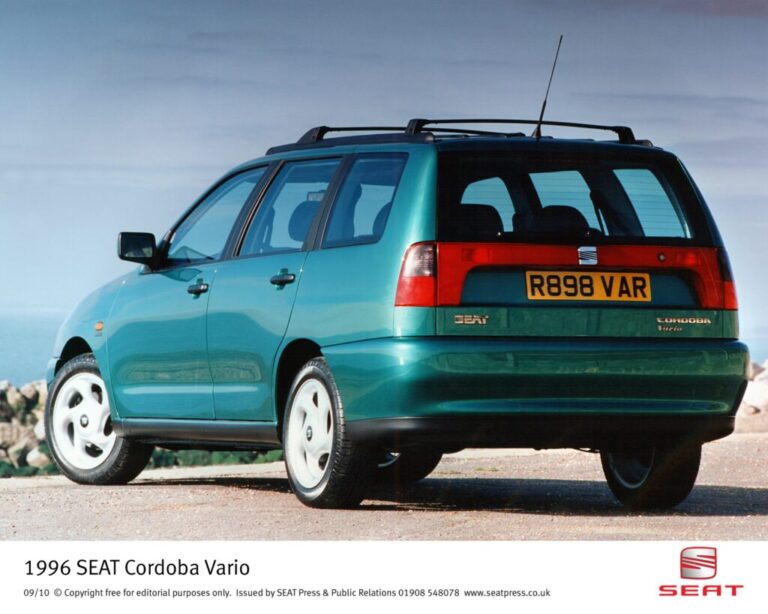
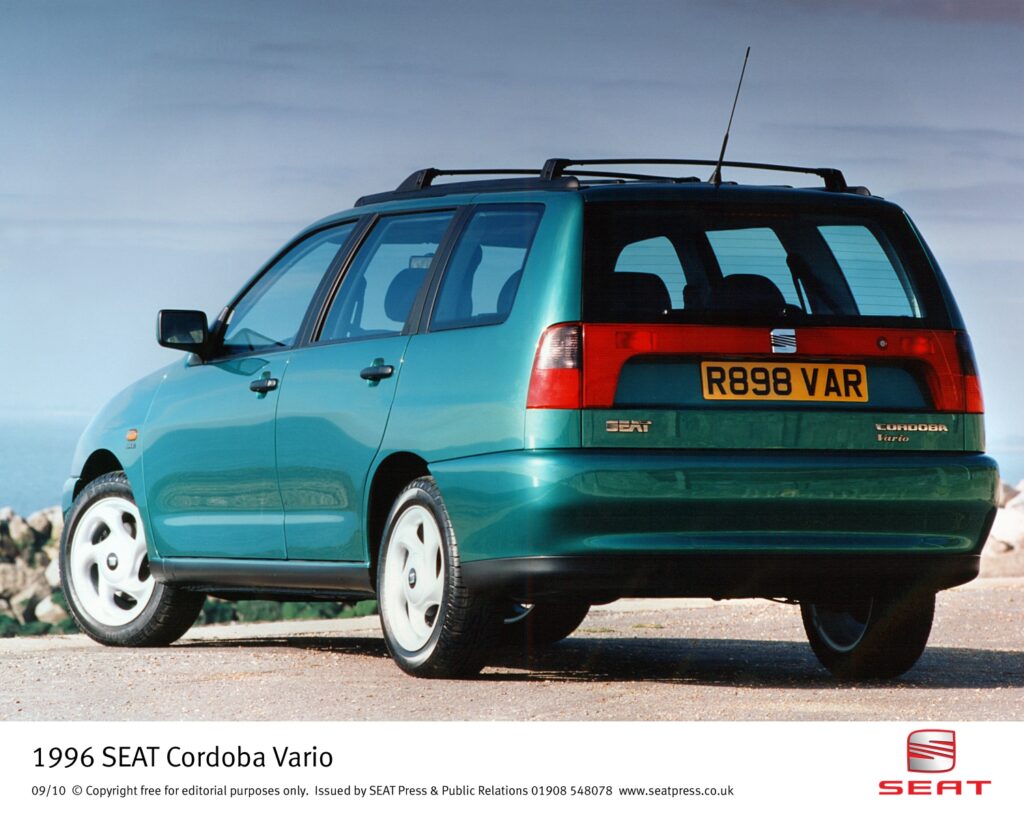
The Seat Cordoba Vario has the same technical base as the saloon, but owners of the Vario 1.4 16V report specific starting problems during half-cold starts. However, the engine runs perfectly once it has started. This problem often occurs on models from 2000 to 2005.
Always begin with a systematic approach to starting problems. First check the battery and the earth connections, as these are the most common causes. You can then move on to reading fault codes with an OBD scanner. These scanners now cost between €20 and €50 and are a worthwhile investment for any Seat Cordoba owner.
If no fault codes are found, look for patterns in the problem. Does the car only fail to start when the engine is cold, or also after short journeys? Are there symptoms such as a flashing immobiliser light or a resetting clock? This information helps to identify the cause.
For persistent problems, always have a specialist carry out a diagnosis. Some electrical faults are difficult to trace without professional equipment. Diagnostic costs usually range from €50 to €100, which is money well spent if it prevents you from replacing parts that are not faulty.
On the Carnews website you will find much more information about common car problems, maintenance tips and experiences from other Seat owners. Discover which other problems may occur with your model and how to prevent them with proper maintenance.
Frequently asked questions
What are the most common causes of ‘starting problems’ in a Seat Cordoba and how can I diagnose them myself?
The most common causes of starting problems in a Seat Cordoba are a faulty camshaft sensor (often with fault code P0340), air in the fuel system due to a leaking diesel fuel filter, a poorly functioning MAF sensor and problems in the electrical starting circuit/ignition switch. You can start by reading fault codes yourself (OBD2 scanner), visually checking the fuel filter and lines for leaks and, if necessary, carefully cleaning the MAF sensor with a special MAF cleaner. Also check the battery voltage, earth connections and whether the starter motor is being activated (clicking sound, measure voltage drop). If the problems persist or the readings are out of range, replacement of the relevant sensor, fuel filter or, in the case of contact problems, the ignition switch/start switch is usually necessary.
What do-it-yourself fixes are there for common ‘starting problems’ with a Seat Cordoba before I go to a garage?
Common DIY fixes are to visually inspect and, if necessary, clean or tighten battery terminals, earth cables and starter cables securely, as loose or oxidised connections often cause starting problems. Check the fuel system for leaks around the (diesel) fuel filter, replace the filter if it is old or damp/leaking and bleed the system according to the instructions. Clean the MAF sensor with a special MAF cleaner (never with brake cleaner or a cloth) when the car is difficult to start or runs irregularly. Finally, you can check the plugs and wiring of the camshaft sensor, ignition key switch and other visible sensors and reconnect them to rule out poor contacts.
What are the average costs of having ‘starting problems’ fixed on a Seat Cordoba and what factors determine these costs?
The average cost of fixing starting problems on a Seat Cordoba is broadly between €150 and €600, depending on the exact cause and the part required. A relatively straightforward job, such as replacing a camshaft sensor, MAF sensor or fuel filter, is usually at the lower end of this range, while a faulty fuel pump or extensive electrical fault-finding is at the higher end. The main cost factors are the part to be replaced (type and brand), the labour hours needed, the garage’s hourly rate (independent vs dealer) and whether additional diagnostics and testing are required. Engine type, year of manufacture and the overall condition of the car also play a part, because older or poorly maintained cars often need more than one component attending to at the same time.
Are there specific ‘starting problems’ that occur more often with certain model years or engine variants of the Seat Cordoba and how can I recognise them?
Yes, certain model years and engine variants have typical starting problems: on the 1.9 TDI models, air leaks at the diesel fuel filter are common, which show up as long cranking and the engine only firing after many attempts. On the older 1.6 AFT (around 1999), a worn ignition key switch causes starting problems without fault codes: sometimes no response at all, or only after turning the key several times. The 1.2 12V (approx. 2006–2009) and some 1.4 variants more often have cold-start problems and misfires directly after starting, which then disappear. Identification is done by reading fault codes (for example P0340 for the camshaft sensor), checking for air in the fuel system and observing whether the problems occur specifically when the engine is cold or only partly warm.
What preventive measures and maintenance tips are essential to prevent ‘starting problems’ with a Seat Cordoba in the future?
Essential preventive measures include regular maintenance of the fuel system (replacing the diesel fuel filter in good time, checking for leaks and air in the system) and periodically checking and, if necessary, cleaning or replacing the MAF sensor. Have the camshaft sensor (especially in the case of fault code P0340) and other important sensors and electrical contacts tested and replaced in good time if in doubt. Make sure the ignition system is well maintained (spark plugs, leads) to prevent misfires during cold starts. If starting problems persist or are unexplained, also check the ignition/start switch for poor contacts.