Engine overheating is usually caused by cooling system malfunctions and can cause serious engine damage within minutes. A leaking heater core, faulty thermostat, or leaking hoses are well-known culprits that can land your engine in trouble. If you recognise the warning signs and act in time, you will prevent costly repairs and downtime.
Warning signs of engine overheating
Your engine often gives early signals before the situation becomes truly critical. The temperature gauge creeping towards the red zone is the most direct warning sign. A coolant warning light that illuminates indicates that the system is detecting insufficient pressure or fluid.
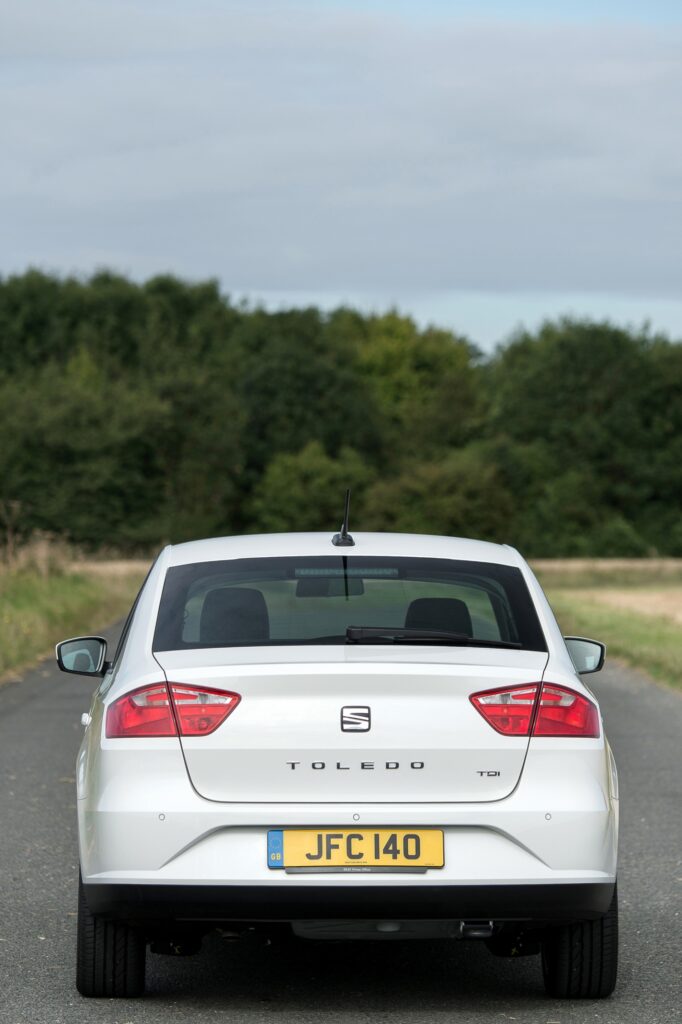
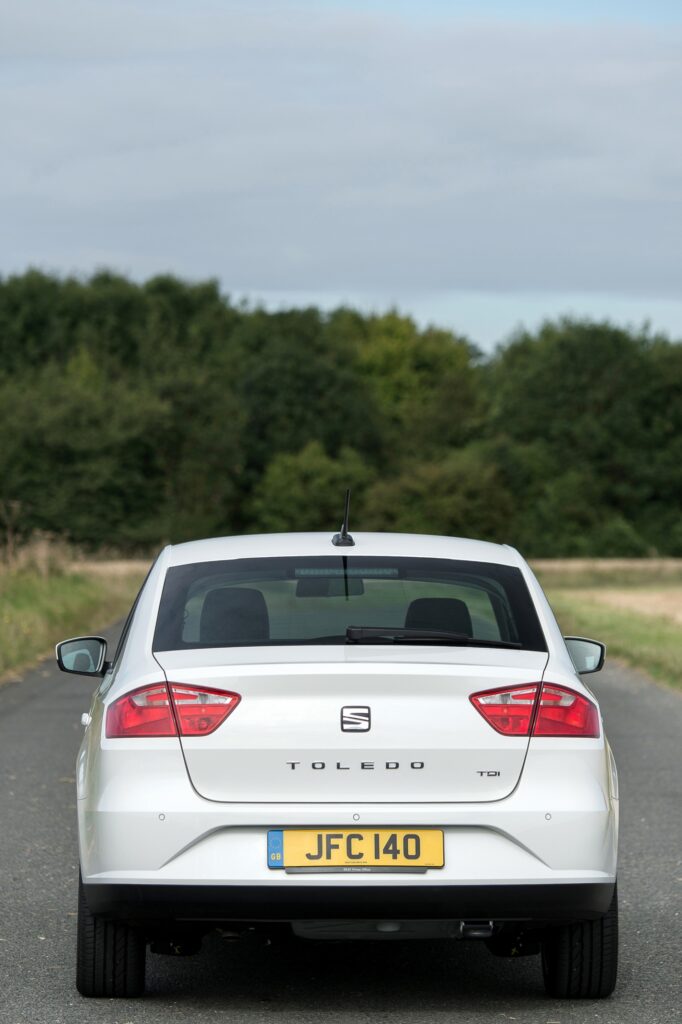
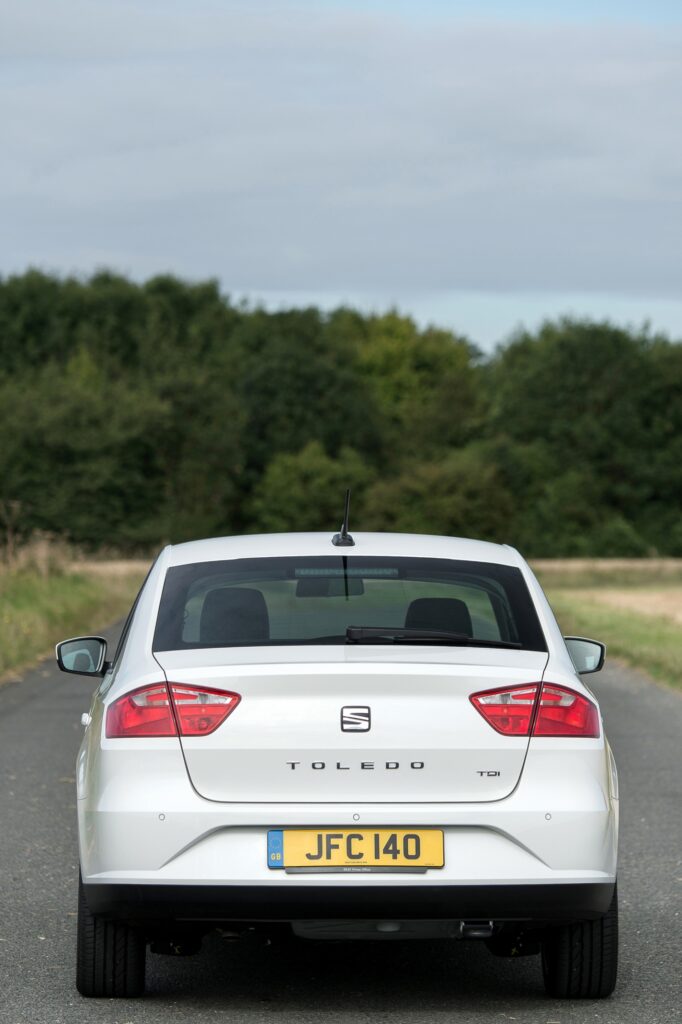
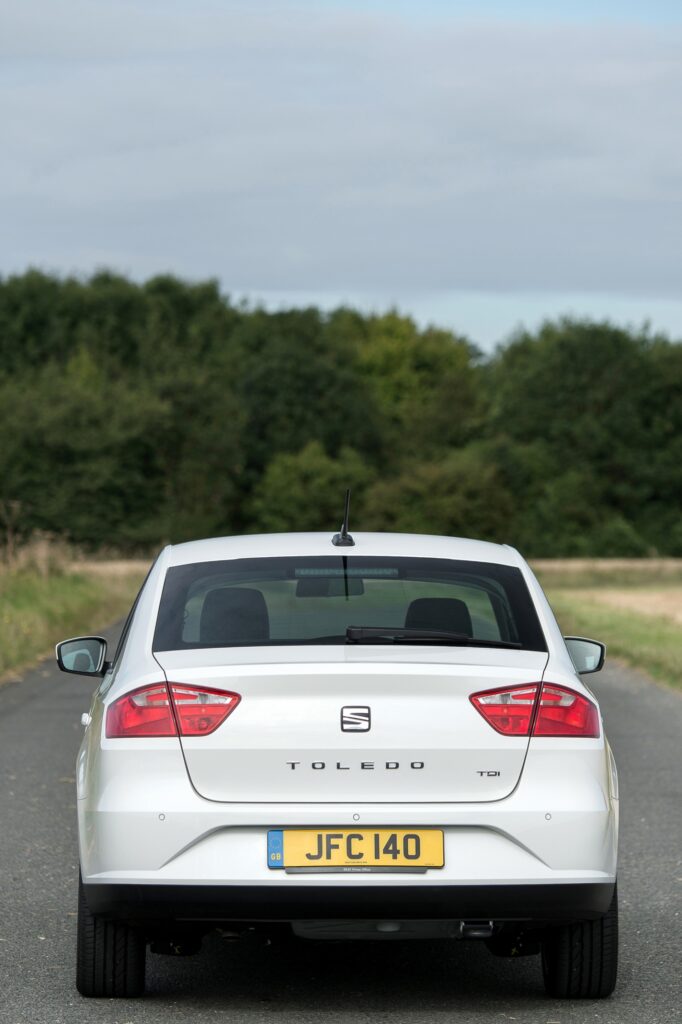
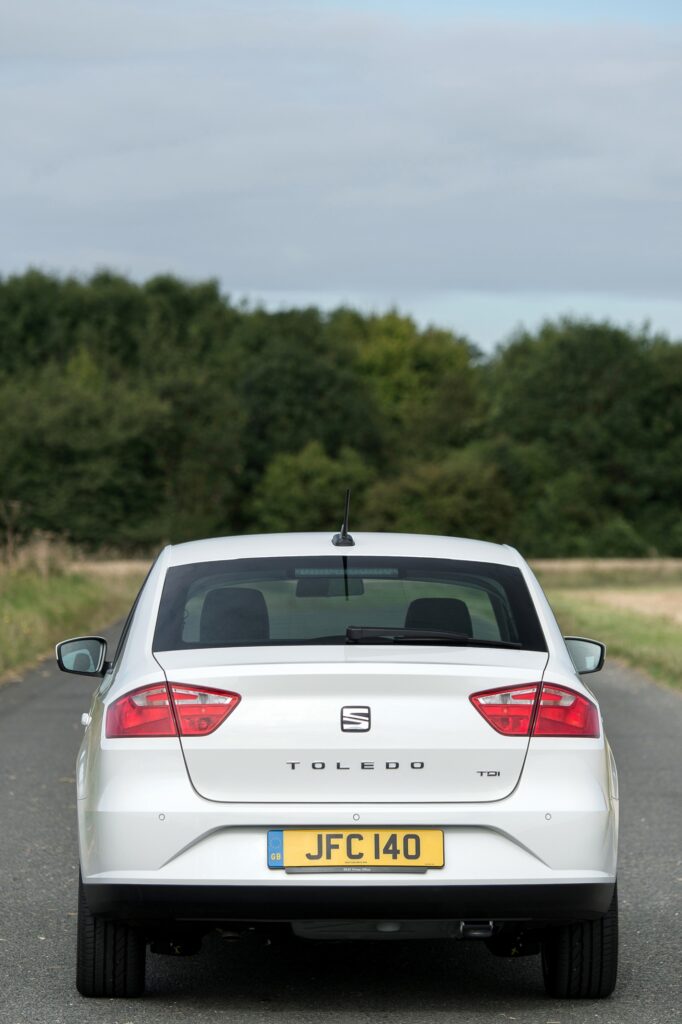
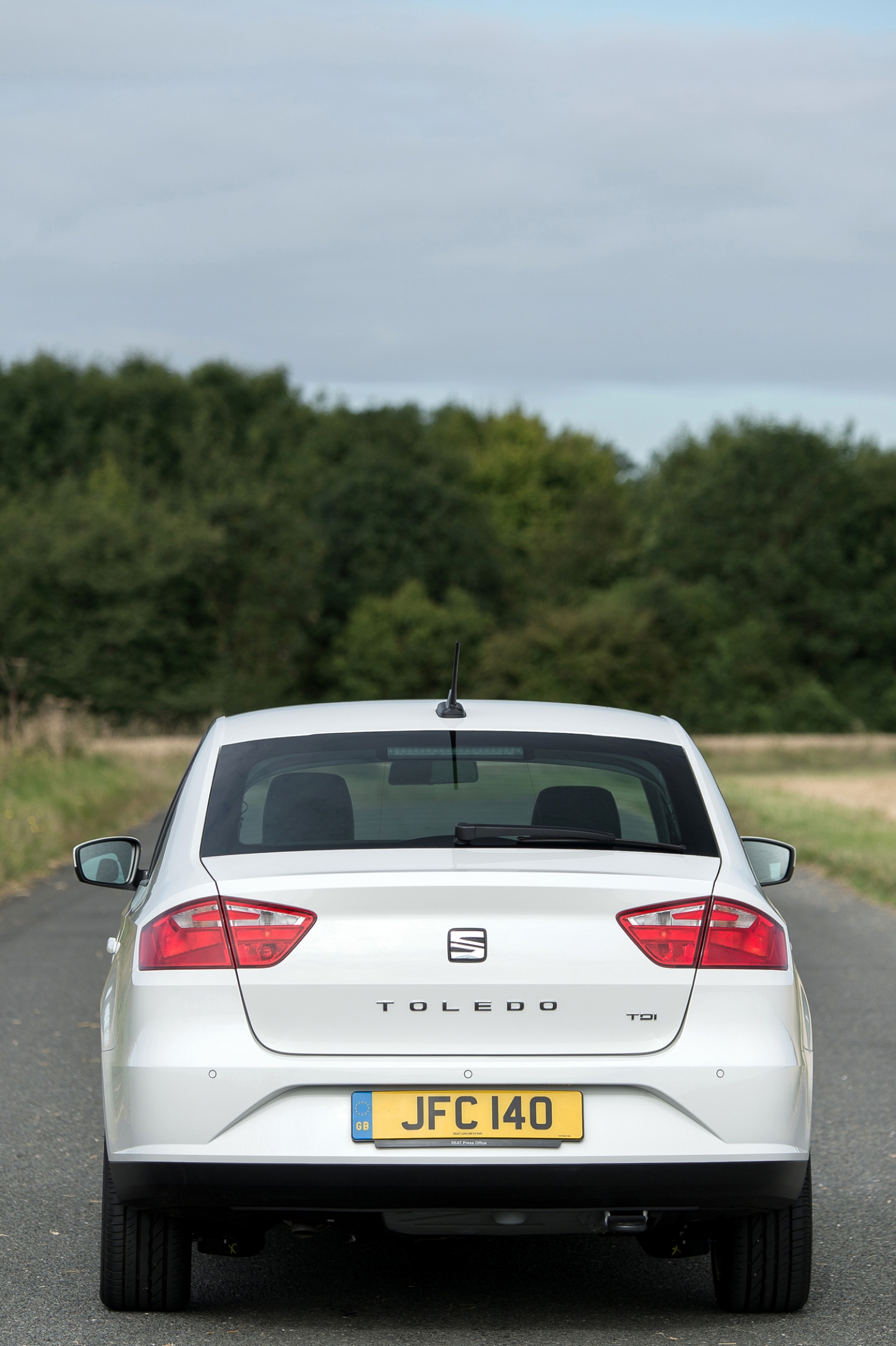
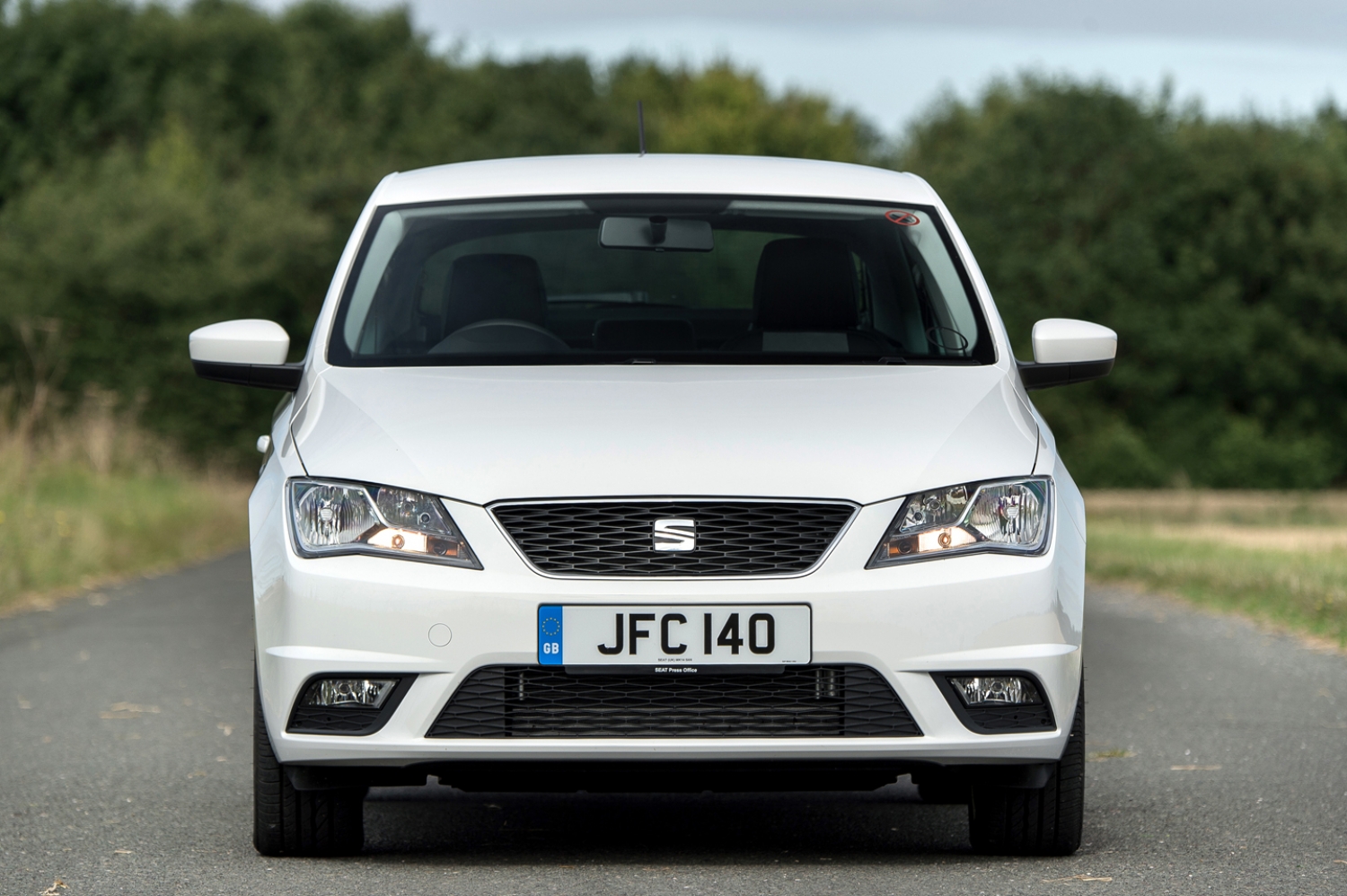
There are also more subtle signs. Do not ignore them. A sweet or slightly burnt smell in the interior can indicate a leaking heater core. Misted or greasy windows are another common symptom. This points to coolant leakage within the ventilation system. In certain models, such as the Seat Toledo, these combinations of symptoms are regularly reported by owners.
Also look out for steam or vapour coming from under the bonnet when you park the car. This indicates that the coolant is boiling over. An irregular idle speed can be related to temperature problems or sensor faults that interfere with engine management.
‘ Never use tap water alone, as this causes limescale and corrosion over time. ’
How to check the coolant level
Check the coolant level when the engine is cold. Open the bonnet and look for the expansion tank, usually a white or semi-transparent reservoir with a coloured cap. There are usually two markings on the side of the tank: MIN and MAX.
The fluid level should be between these marks. If the level is below MIN, there is a leak. In that case, top up with the correct mixture of coolant and water, usually 50/50, unless the manufacturer specifies otherwise. Never use tap water alone, as this causes limescale and corrosion over time.
Check regularly, for example once a month. Do you need to top up coolant? Is there no visible puddle under the car? Then there may be an internal leak. In that case, carry out further investigation quickly.
Visual inspection for leaks
Park your car on a clean surface and leave it for a few hours. Then check if there are puddles or stains visible under the engine. Coolant usually has a bright colour, such as green, pink or orange, depending on the type.
Also look in the engine bay itself for wet spots around hose connections, the radiator, and the water pump seal. Use a torch if necessary to inspect hard-to-reach corners. A pressure test of the cooling system is often more effective than just searching visually. This is especially true for small leaks that are difficult to find.
How much does it cost to replace a thermostat?
The costs for replacing a thermostat are generally between 100 and 300 euros, depending on the car brand, model, and the workshop you choose. The part itself usually costs between 20 and 80 euros, the rest consists of labour costs.
On some cars, the thermostat is easily accessible. The mechanic can reach it quickly. On other models, a large part of the engine shielding or accessories must first be removed. This increases labour time and therefore the costs. A faulty thermostat that does not open causes overheating. A thermostat that does not close leads to an engine that stays too cold and consumes more fuel.
Ask for a quote from several garages and check whether the price includes new coolant and possibly a new gasket. This avoids surprises on the invoice afterwards.
Can you keep driving if your engine overheats?
No, continuing to drive with an overheated engine is not an option. Within minutes, the temperature can rise so high that the cylinder head cracks, the head gasket burns through, or the pistons seize. These damages are costly and often so severe that a complete engine overhaul is required.
If you see the temperature gauge entering the red zone or the warning light comes on, pull the car over safely immediately. Switch off the engine and let it cool down for at least half an hour before opening the bonnet. Never open the expansion tank cap immediately, as hot coolant is under pressure and can spray out.
Call for assistance or tow the car to a garage. Do you really need to drive a little further? Then set the heater to the highest setting. This helps to safely move off the road, for example. That helps to dissipate excess heat from the engine. Do not drive faster than absolutely necessary.
Temporary emergency solution for loss
When you are on the road and notice that the coolant level is too low, you can temporarily top up with tap water to get the car to a garage. This is strictly an emergency measure and not a structural solution. Afterwards, have the system flushed and refilled with the correct mixture ratio.
Do not use so-called stop-leak additives. These products may seal a small leak in the short term. However, they often also clog other channels in the cooling system. This leads to bigger problems later than you originally had.
‘ The result is an overheated engine, while everything looks normal on the dashboard. ’
Most common causes of cooling system problems
The cooling system consists of multiple components, all of which have their own vulnerabilities. A leaking heater core occurs regularly and manifests itself through coolant loss combined with condensation on the windscreen and a sweet smell in the car. This leak occurs in the dashboard and is often not immediately visible.
A faulty water pump ensures that the coolant no longer circulates properly. Symptoms include overheating, sometimes accompanied by a squeaking or rattling noise from the pump itself. The pump is usually driven by the timing belt or a separate V-belt, depending on the engine type.
Leaking hoses and hose clamps are another common cause. Rubber becomes porous over time due to heat and contact with coolant. Check especially the connections where hoses connect to the radiator, engine, and thermostat. A small crack can become larger when heated due to the pressure in the system.
Sensor problems and their consequences
A faulty coolant temperature sensor provides incorrect information to the engine management (the engine’s controller). As a result, the engine may inject incorrectly or the fan may switch on too late or not at all. The result is an overheated engine, while everything looks normal on the dashboard.
If in doubt, have the error codes read out. Modern cars store sensor faults in the memory of the engine control unit (the computer that controls the engine). Only replace a sensor after you have checked whether the wiring and plug connections are in order. A loose plug or damaged cable can give the same symptoms as a broken sensor.
Preventive maintenance of the cooling system
Replace the coolant according to the manufacturer’s maintenance schedule, usually every two to four years. Old coolant loses its protective properties against frost and corrosion. That can lead to rust formation in the radiator and engine blocks.
Have the hoses visually inspected during a major service. Feel the hoses to see if they are still flexible. Hard, brittle, or conversely spongy hoses should be replaced. Also check the hose clamps for rust and corrosion.
A pressure test of the cooling system can detect small leaks before they cause bigger problems. This test is performed with a special pump that builds pressure in the system while the engine is cold. Leaks then become visible or the pressure drops, which indicates a loss.
Discover more about car problems
On the Carnews website you will find extensive information about common car problems, from electrical faults to chassis wear. Read practical tips, recognise symptoms and get clarity on what to expect during repairs. Stay informed and discover more useful articles that help you understand your car better.
Frequently Asked Questions
Early signs of engine overheating include a rapidly rising coolant temperature gauge, the cooling fan starting up and running for longer than normal, loss of power, a warm/burning smell, and sometimes steam or a sweet smell of coolant. Stop as quickly and safely as possible, switch off the engine but leave the ignition on for a moment so the fan can continue to run, and carefully open the bonnet. Do not open the cooling system immediately (danger of burning from hot coolant) and wait until the engine has cooled down. Only then check the coolant level and, if in doubt or if it recurs, have the cooling system (pressure test, thermostat, radiator, hoses) checked by a garage.
Common causes of cooling system problems include leaks (hoses, heater core), a faulty thermostat, a broken coolant temperature sensor, and blockage or leakage in the radiator. Check the coolant level yourself and look around hoses, the radiator and under the car for wet spots or traces of coolant. Pay attention in the interior for a sweet smell, damp mats, and quickly misting windows (often indicates a leaking heater core). Keep an eye on the temperature gauge while driving; if the engine gets hot quickly or the gauge shows strange fluctuations, that is a signal not to continue driving and to go to the garage.
Essential preventive maintenance on the cooling system is timely refreshing of the coolant and regular checks for leaks, hose connections, and the operation of the thermostat and sensors. With sporty driving, it is extra important to keep an eye on the temperature gauge and have the system periodically pressure-tested. This way, small leaks or a malfunctioning thermostat are discovered early and overheating is prevented.
The most suitable coolant is the type prescribed by the manufacturer for your specific car (e.g., G12/G13 or a brand/type in the maintenance booklet); never mix different types together. Ideally, check the level monthly or at least before long trips and if you have any doubts about leakage or overheating. Assess the quality at least once a year: pay attention to discolouration, rust particles, or oil-like contamination. If in doubt, have the cooling system tested by a garage and have the coolant changed in good time according to the maintenance schedule.
Yes, there are various performance upgrades for the cooling system that can improve reliability during intensive use or with a tuned engine. Consider a larger or more efficient aluminium radiator, a water pump with higher output, and a cooler or sports thermostat. A more powerful or additional electric cooling fan and high-quality silicone coolant hoses also increase operational reliability. Ensure that everything is tuned as a complete system and professionally installed.