Between 2004 and 2019, the Seat Toledo saw major differences in reliability across its model years. While older Toledos offer more variety in trim, newer models are known for specific technical issues regarding TSI engines. Your choice between generations affects more than just your driving experience; it impacts maintenance costs and everyday usability. Which model years are preferable, and which ones are best avoided?
Key differences between Toledo generations
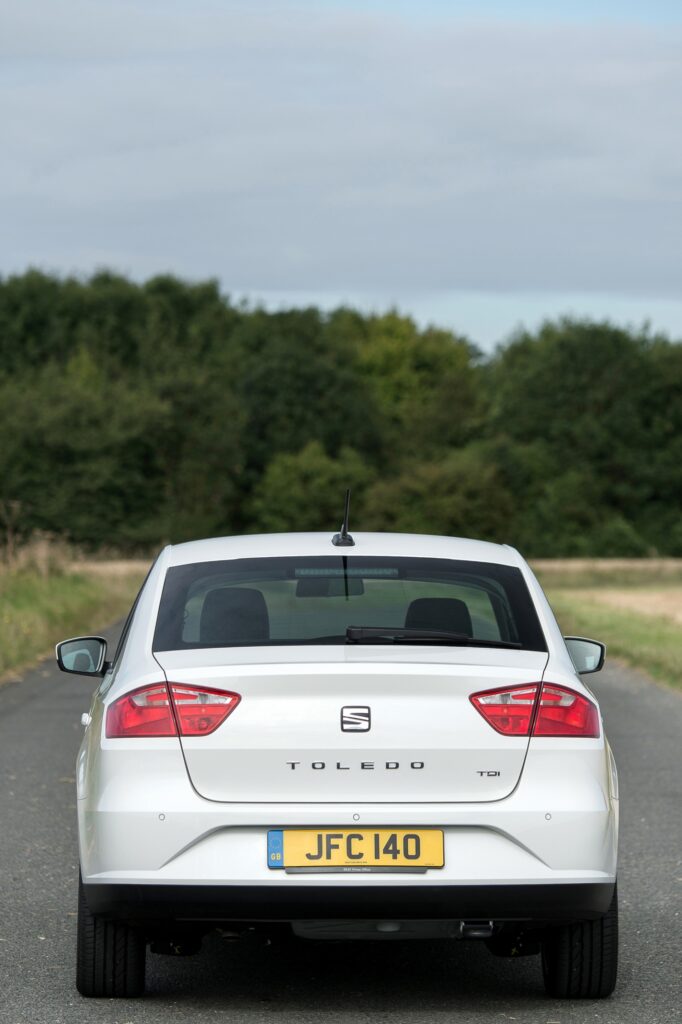
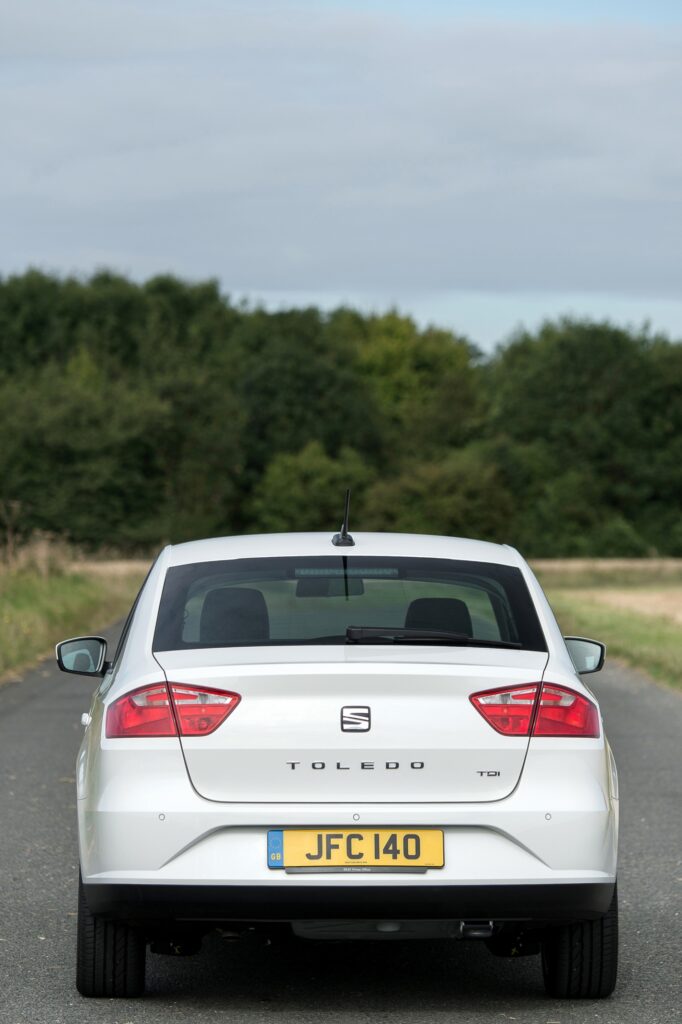
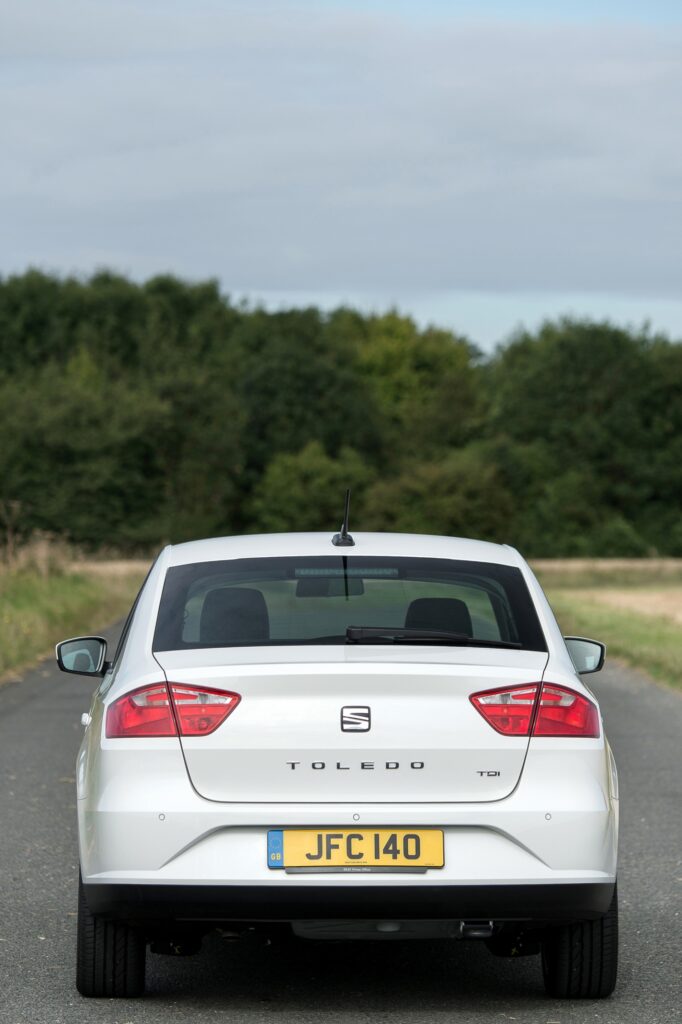
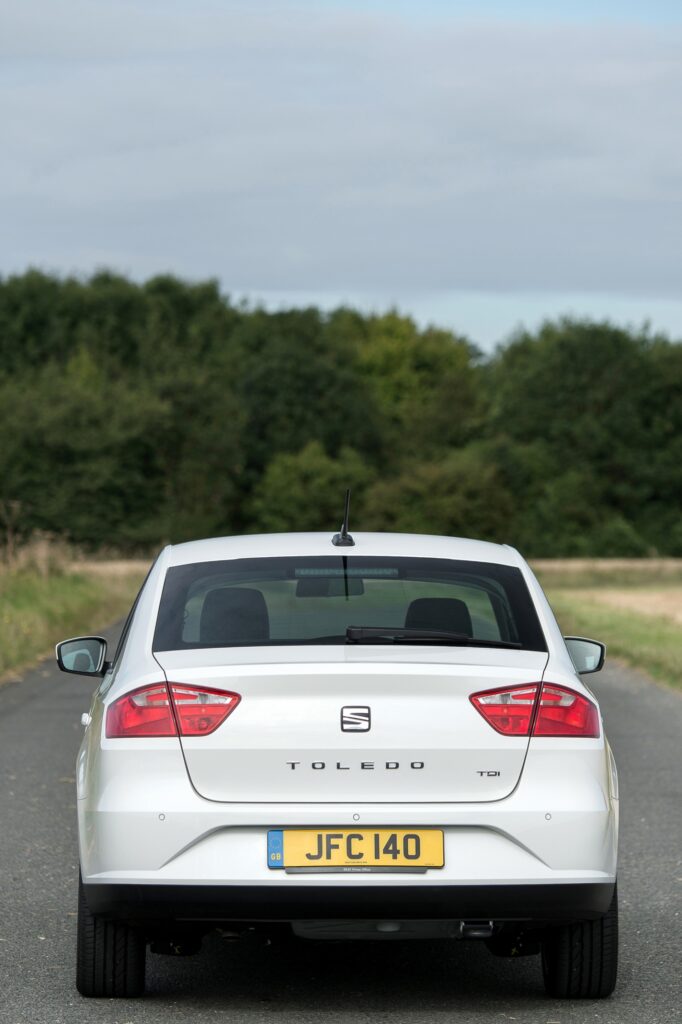
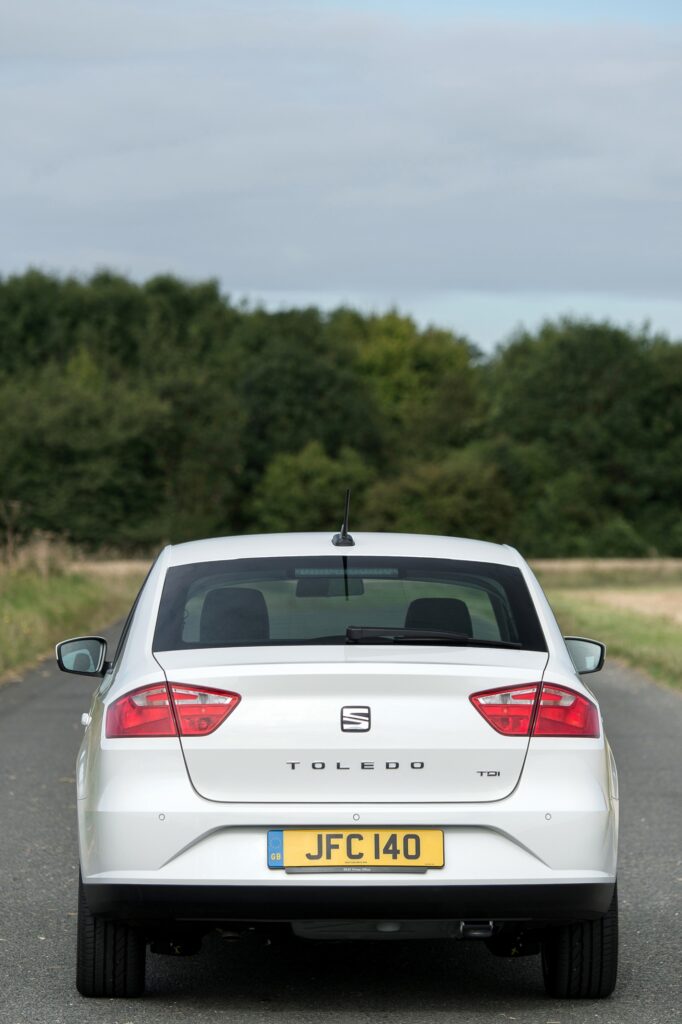
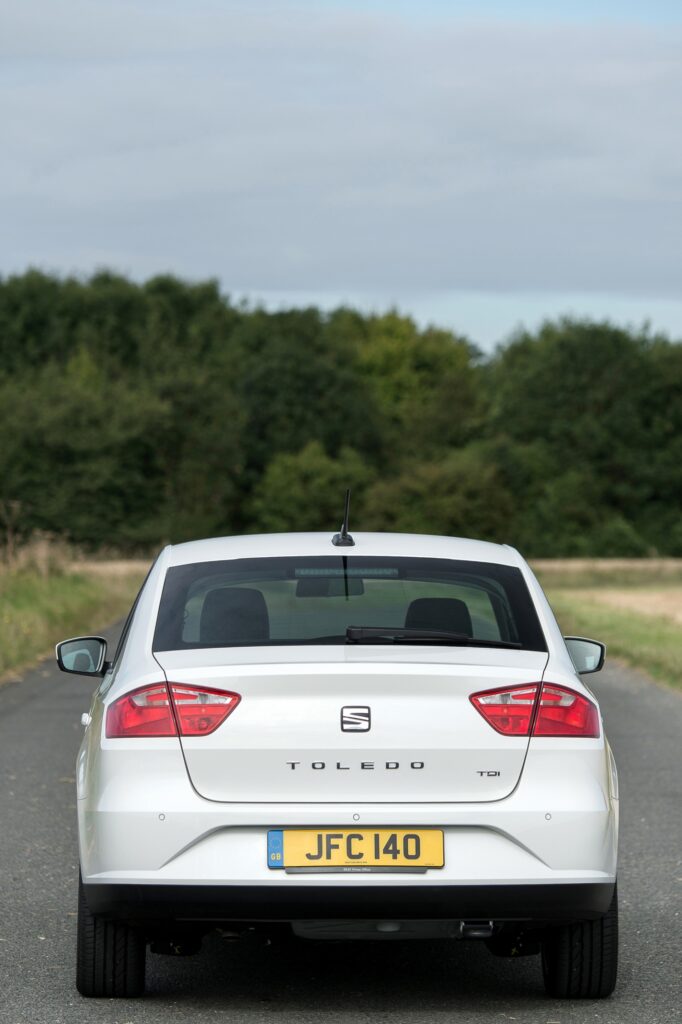
Between 1991 and 2018, the Seat Toledo went through four generations, each with its own character. The third generation (2004-2009) stands out for its taller, MPV-like build and easy entry, which is particularly practical for families and older drivers. The fourth generation (2013-2018) returned to a more compact liftback design with a surprisingly large 550-litre boot.
The technical base varies significantly between generations. While the Toledo III featured various petrol and diesel engines such as the 1.6 base engine and the 150 hp 2.0 TSI, the Toledo IV switched entirely to smaller turbocharged engines. As a result, the Seat Toledo became more fuel-efficient but also more prone to specific technical issues.
The interior space remained a strong point throughout the years. The later Toledo from 2013-2018 offers more luggage space with its 550-litre boot than many competitors in the compact segment. Despite its compact size, this makes the generation suitable for long journeys and family use.
‘ These engines can experience technical issues that may manifest as faults and higher maintenance costs. ’
Which Toledo model year is the most reliable?
The Toledo III (2004-2009) is reasonably reliable if you choose well-maintained examples with a full service history. This generation benefits from tried-and-tested technology and simpler engines. However, be aware of the age of these vehicles; components wear out over time, and preventative maintenance becomes increasingly important.
The Toledo IV (2013-2018) offers more modern technology with fuel-efficient engines, but it requires extra attention regarding the TSI petrol engines. These engines can experience technical issues that may manifest as faults and higher maintenance costs. For this generation, always choose an example with a complete and documented service history.
There are also differences between engine options within a single generation. The diesel engines (1.4 TDI and 1.6 TDI) in the Toledo IV are known as reliable power sources when maintained correctly. In contrast, the 1.2 TSI and 1.4 TSI petrol versions require more vigilance and more frequent servicing.
Problems per model year Toledo 2004-2010
The Toledo III (2004-2009) mainly struggles with age-related issues. Think of worn suspension, leaking seals, and electrical faults that occur more frequently as the car gets older. These problems are not design flaws, but rather the result of years of use and high mileage.
Specific points of attention for this generation:
- Checking the service history is essential for cars 15 years or older.
- Check the condition of the timing belt and replace it preventatively if the date of the last change is unclear.
- Look out for rust on examples that have been kept outside for years.
- Test all electrical functions, including window operation and the air conditioning system.
The higher seating position and spacious interior layout remain strong points of this generation. For those looking for an affordable family car with plenty of room, the Toledo III is an interesting option, provided you check the maintenance history carefully and budget for future maintenance costs.
Specific problems Toledo 2012-2019
The Toledo IV (2013-2018) has a different problem profile, particularly regarding the TSI engines. These small turbocharged engines perform well and are fuel-efficient, but they require meticulous maintenance. Without sufficient servicing, issues can arise with the turbo, spark plugs, and oil consumption.
Common complaints for this generation:
- Engine warning lights on TSI models due to overdue maintenance.
- Increased oil consumption in certain TSI variants.
- Software issues in the infotainment system.
- Faults in the parking assistance system on cars equipped with this option.
The diesel engines in this generation are generally more reliable. The 1.6 TDI provides sufficient power for daily use and keeps fuel consumption low. For this engine, regular checking of the DPF (diesel particulate filter) remains important, especially for those doing many short journeys.
Choose an example with full dealer history. This increases the chance that preventative maintenance has been performed correctly and that any potential recalls have been addressed. Always ask for the latest service and check whether it took place according to the prescribed schedule.
Best Toledo model year for daily use
For daily use, the Toledo IV from 2015-2017 is the preferred choice. These model years combine modern safety features with a sufficient warranty period when purchased from recognised dealers. The cars are young enough not to suffer from major age-related problems.
Within this period, preferably choose:
- The 1.6 TDI diesel for annual mileages above 20,000 kilometres.
- The 1.2 TSI petrol for lower fuel consumption and primarily shorter trips, provided it is fully maintained.
- Trims with at least air conditioning and cruise control for daily comfort.
The Toledo III from 2007-2009 can also be a good choice for those seeking more space at a lower price. These cars are now cheap to buy and offer easier entry due to their taller build. Just count on higher maintenance costs and a more thorough inspection before purchase.
Buying tips for a used Toledo
Start with the maintenance history. A complete set of service receipts from a recognised garage provides confidence and prevents unpleasant surprises. Ask specifically about any recalls carried out and check whether they were performed on your specific vehicle.
During the test drive, look out for:
- Smooth gear shifting without hesitation or strange noises.
- Steady engine idle without vibrations.
- Properly working air conditioning that cools quickly.
- All electrical functions, including seat heating and window operation.
- Steering behaviour without play or pulling to one side.
Check under the bonnet for signs of oil leaks. With TSI engines, slightly increased oil consumption is not uncommon, but fresh oil stains on components point to leaks that need to be repaired. Also, check the condition of the timing belt if applicable, or ask about the last replacement of the timing chain.
The 550-litre boot of the Toledo IV looks spacious on paper, but test whether it meets your needs in practice. Try if your regular luggage fits easily and if the rear seat folds down easily for extra load space.
Which Toledo is best to avoid?
Avoid any Toledo model without a clear maintenance history, regardless of the model year. Without proof of regular maintenance, you run a high risk of hidden defects and expensive repair bills. This applies especially to TSI engines, which are sensitive to overdue maintenance.
Specific points of attention:
- Toledos with very low mileage but advanced age often indicate long periods of inactivity and potential neglect.
- Examples with engine or exhaust modifications increase the likelihood of problems.
- Cars with a history of accident damage require extra checks to ensure they have been repaired correctly.
- Toledo IV examples with the 1.2 TSI engine and unclear service history.
The very first model years of any generation can show teething problems. With the Toledo IV, 2013 models are more prone to software issues than later model years, in which factory updates had already been implemented. When in doubt, choose a 2015 or later model year within this generation.
What determines the choice between generations?
Your choice depends on budget, usage, and personal preference. The Toledo III offers easier entry due to its taller build, which is pleasant for those with back problems or for older passengers. The Toledo IV scores better on fuel consumption and modern aesthetics but requires a higher purchase budget.
Make your choice based on:
- Annual mileage: diesel is more cost-effective above 20,000 kilometres.
- Budget: Toledo III is cheaper to purchase but more expensive to maintain.
- Easy entry: Toledo III sits higher and is more accessible.
- Fuel consumption: Toledo IV is more economical thanks to modern turbocharged engines.
- Space: both generations offer plenty of luggage space.
Test drive both generations extensively before you buy. The driving experience differs due to different suspension and steering settings. Some drivers appreciate the comfortable character of the Toledo III, while others prefer the more direct steering of the Toledo IV.
On the Carnews website, you will find more information about specific Seat models, common issues per brand, and maintenance tips for used cars. Discover which models best suit your situation and what you need to look for when buying.
Frequently Asked Questions
Throughout the generations, the Toledo primarily offered four-cylinder petrol and diesel engines, ranging from simple 1.6 petrols to more powerful turbo blocks such as the 2.0 TSI (approx. 150 hp) in the Toledo III. In the fourth generation, the focus shifted to smaller, efficient turbo engines such as the 1.0, 1.2 and 1.4 TSI and 1.4 and 1.6 TDI, with significantly lower fuel consumption. Older model years are less powerful but mechanically simple and solid, while the later TSI/TDI engines offer more performance and flexibility, but are more maintenance-sensitive. Consequently, the main performance differences between the model years primarily involve power, torque, and above all, fuel economy.
Yes, there are clear differences between the generations in both exterior design and interior comfort. The first two generations are classic, relatively low sedan/liftbacks, while the third Toledo offers a higher, MPV-like body and consequently easier entry and a different seating position. The fourth generation returns to a sleeker, compact liftback line, but with a very large 550-litre boot and a more modern-looking interior. In terms of the interior, material quality, ergonomics, and noise comfort have noticeably improved over the generations, especially in the later models.
Important reliability points vary by generation but primarily revolve around age and maintenance: for older model years (I, II and partly III), wear, corrosion, and an often unclear or incomplete maintenance history play a greater role. With the youngest generation (IV), the focus shifts to the more modern TSI engines, where good and timely maintenance is crucial to prevent known turbo-petrol problems. Also, for the later diesels (TDI), the condition of the particulate filter and the driving style are important for long-term reliability. Finally, mileage and usage (many short trips vs. long motorway trips) are generally decisive when comparing different Toledo model years.
In later Toledo model years, more modern infotainment systems were introduced with features such as navigation and connectivity functions, in line with the Volkswagen technology upon which the car is based. The number of electronic safety systems also increased, such as more advanced braking and stability controls. In the fourth generation, these were joined by more fuel-efficient TSI and TDI engines that work in conjunction with these systems. As a result, the newer Toledos feel more modern and complete than the earlier generations.
For older Toledo generations, maintenance costs generally increase due to age, wear, and the fact that specific parts are becoming scarcer, although basic components are sometimes still cheap due to shared VW technology. For the latest (fourth) generation, parts are more readily available via the VAG network and preventative maintenance is more predictable, though specific TSI and TDI components can actually be more expensive. In general, routine parts (brakes, filters, suspension) for the newer Toledo are easily obtainable, whereas with the oldest generations, one sometimes has to search for specific body and interior parts. Consequently, average maintenance costs for older models are more erratic, while for newer models, the costs are more stable but sometimes higher per repair.