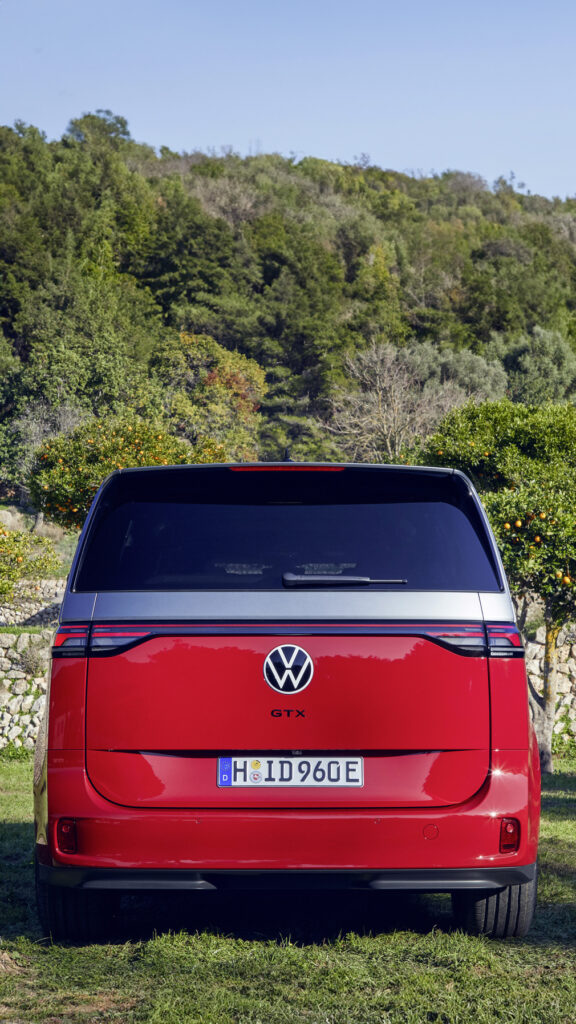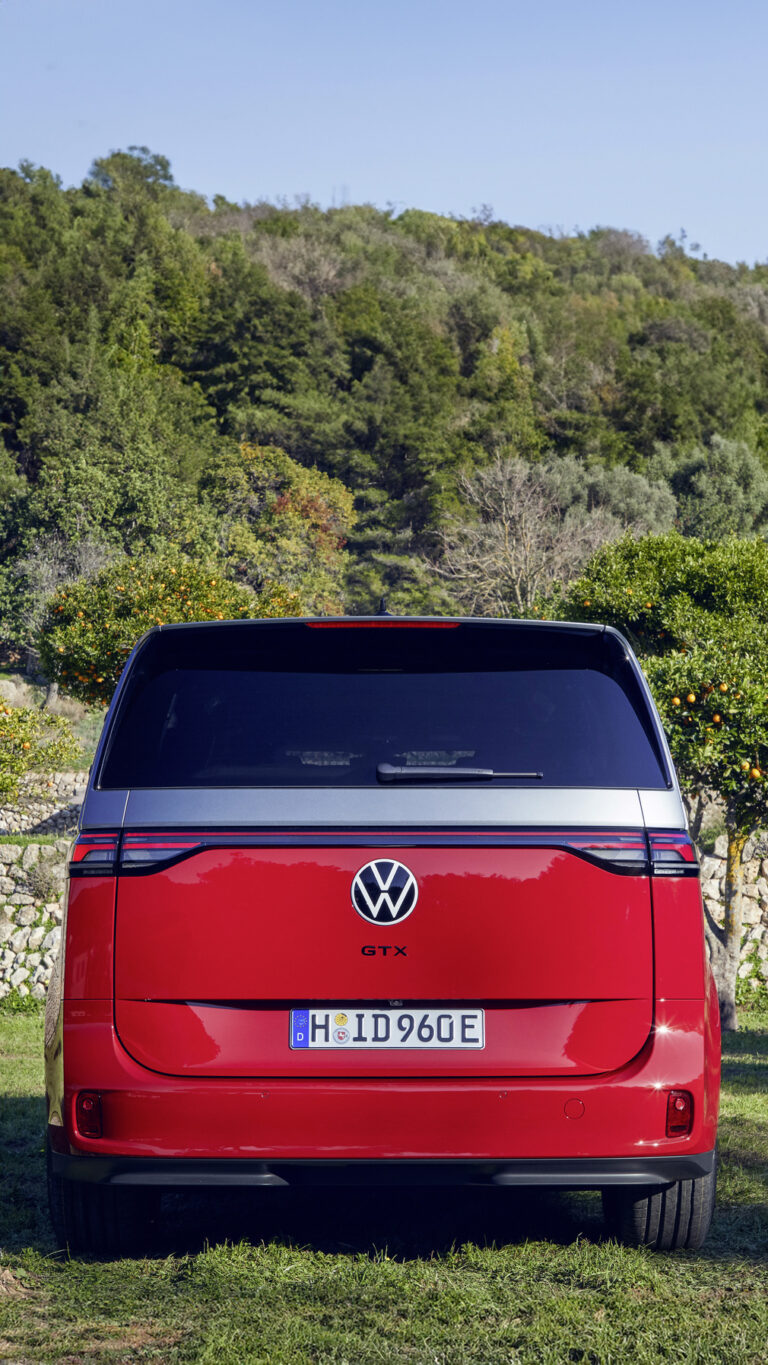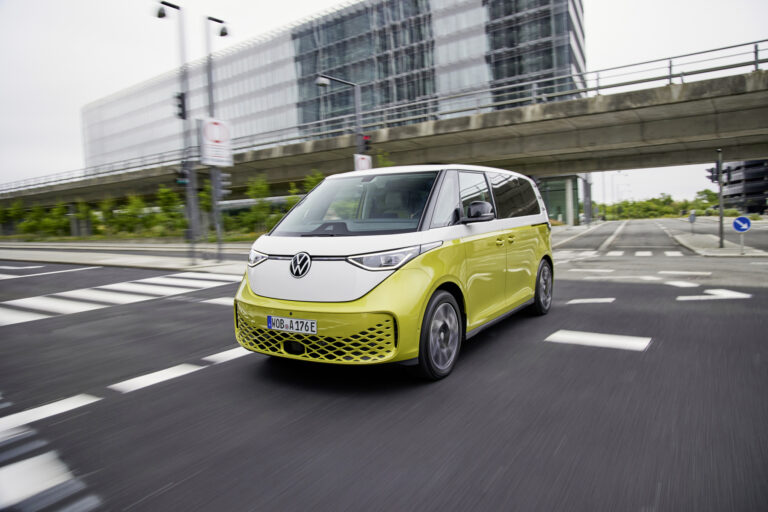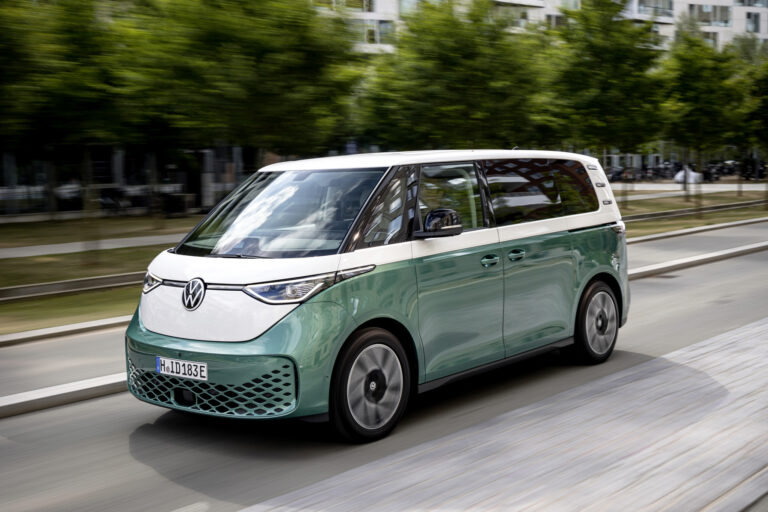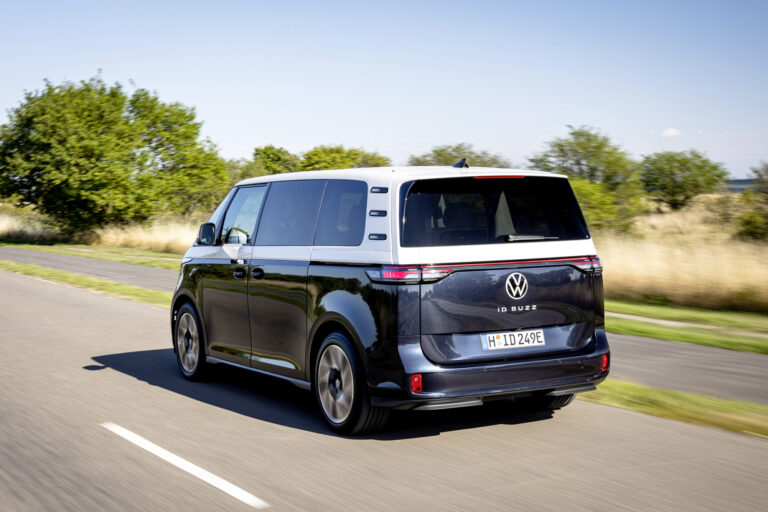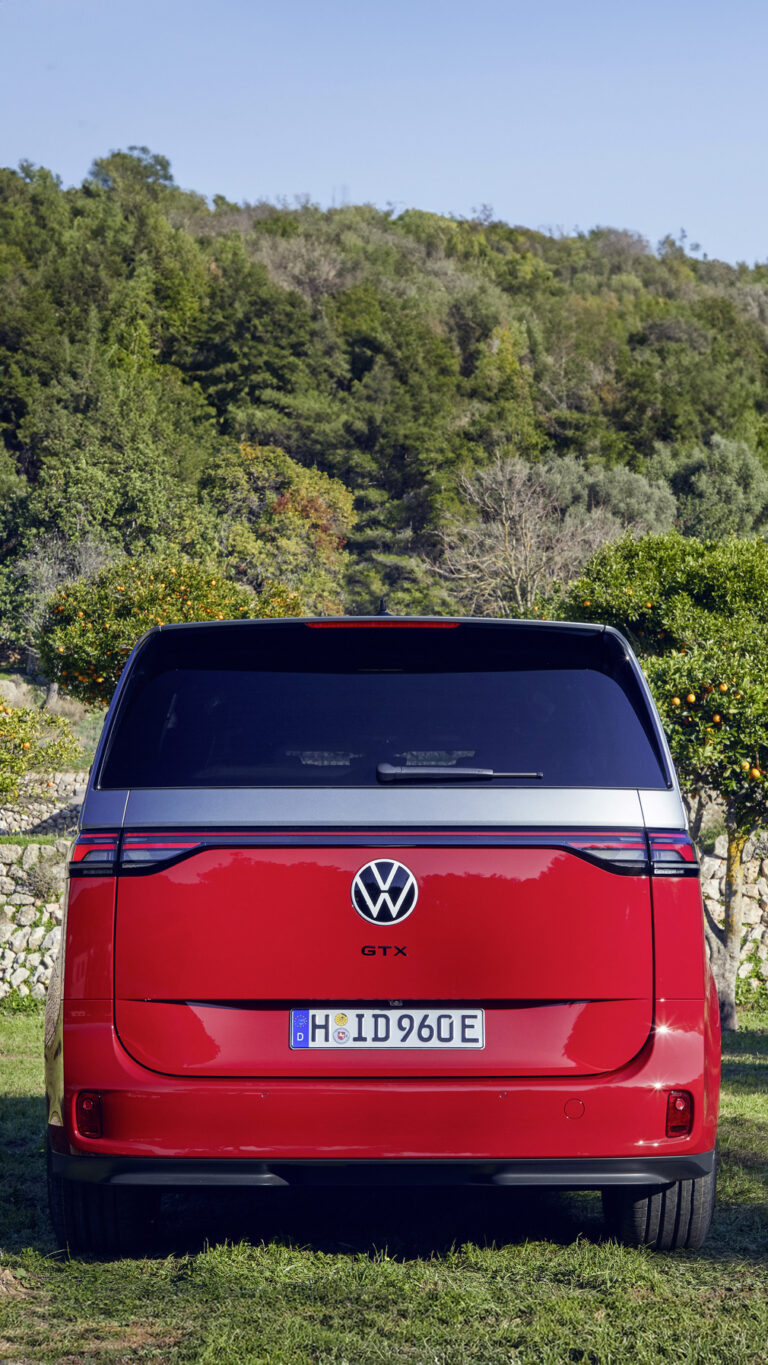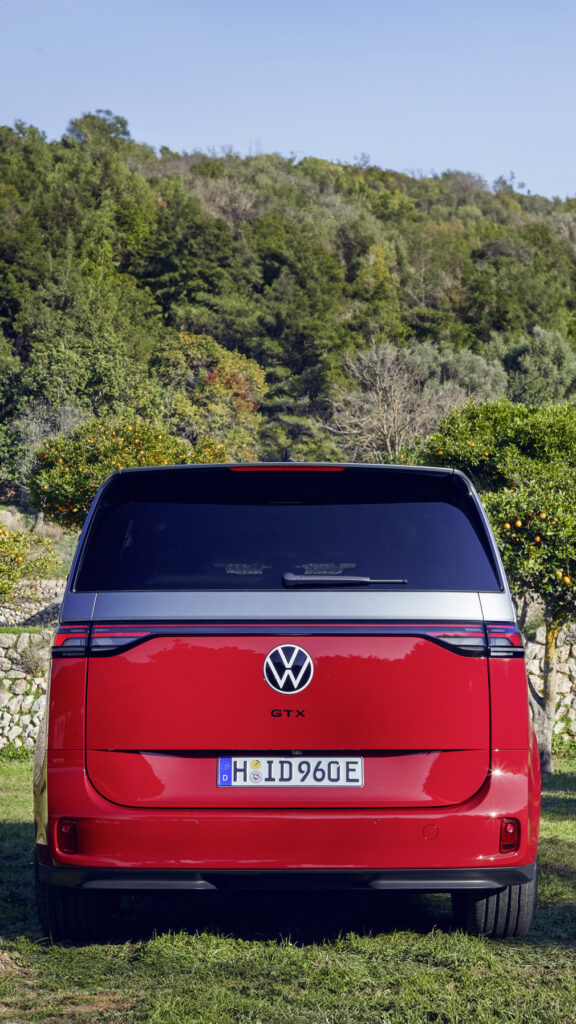
The interior quality and finish of the ID. Buzz present a mixed picture: the cabin is spacious and thoughtfully designed, but hard door panels, touch controls and therefore a less premium feel do not always match the price. Some owners also report occasional rattles. Anyone considering a Volkswagen ID. Buzz should therefore look beyond the retro design. It is especially during a test drive over poor road surfaces that you discover how carefully a particular example has been finished.
How good is the build quality of the ID. Buzz interior?
The basic structure of the ID. Buzz interior generally makes a solid impression. The dashboard has a clear layout, the cabin offers plenty of headroom and the wide sliding doors make the second row easy to access. These are qualities you notice every day. The criticism is mainly about the materials you see and touch.
There is hard plastic on the top of the door panels and on parts of the dashboard. In a light colour scheme this is less noticeable than in a plain one. The material therefore does not feel any softer. In addition, the flat surfaces can give a more businesslike impression than the exterior suggests. So do not judge the car by photos of one trim level alone: when viewing the vehicle, also touch the doors, armrests and dashboard sections.
According to Volkswagen, recycled materials are used in the interior, among other things. That may be a deliberate material choice, but by itself it says little about the tactile quality of a door panel. In trims such as Style and GTX, colour, upholstery and decorative elements create a richer appearance. Check exactly which equipment is present in each car. The trim level and options chosen matter more than just the year of manufacture.
Where are the common finish flaws in the ID. Buzz?
Reports from owners mainly mention noises from the front doors, side panels and rear seats. These are experiences with individual cars, not a confirmed fault in every ID. Buzz. A rattle can arise because a panel, clip, cable or part of a seat lock moves. Noise that only appears in cold weather can also be difficult to identify during a short inspection.
The following areas deserve extra attention when checking the finish:
- Front doors: listen for creaks while driving and check whether the door panel fits evenly all around.
- Rear seats: test for noise with the seats in different locking positions.
- Side panels: look out for tapping around the middle row, especially over cobbles.
- Sliding doors: check the gaps, seals and closing action on both sides.
Also look for scratches and colour differences on light-coloured plastic parts, such as door panels and sections of the dashboard. Such marks do not automatically say anything about build quality, but they do show how the material has been used and maintained. On light seat trim and floor coverings, stains stand out quickly. If you are buying a used car, ask the seller whether damaged panels have been replaced before and have any visible defects recorded before purchase.
Investigating rattling doors in the ID. Buzz
A creaking front door needs a different check from a rattling sliding door. First try to establish when the noise occurs: when opening, when closing or only while driving. Also note the road surface and temperature. With that information, a workshop can search more precisely than with the vague report that something somewhere in the cabin is creaking.
A useful check follows this order:
- Open and close the relevant door several times and listen for where the sound comes from.
- Inspect the seals for dirt, damage and uneven contact.
- Check whether any visible panels are loose, without pulling them off forcefully.
- Take a test drive over cobbles and note whether the sound changes in a bend or over bumps.
- Record your findings for the dealer or workshop, preferably with a short audio recording.
Clean dirty seals carefully in line with Volkswagen’s maintenance instructions. If the noise remains, ask a mechanic to check the adjustment, trim and fixings. Do not remove a door panel on a whim: there may be cables and other components behind it. If the sliding door is electrically operated, an intermittent closing fault should also be dealt with by a workshop.
Recognising loose parts in the ID. Buzz interior
A loose plastic clip sounds different from a rear seat that is not properly locked, but from the driver’s seat those noises are hard to distinguish. So first check the simple causes. Remove loose items from door pockets and storage spaces, fasten the seats again and repeat the same drive. If the noise disappears, you have a clue without dismantling anything.
Does a panel still move audibly? Compare the fit on the left and right and, with the car stationary, gently feel whether an edge has any play. While driving, never press on a panel yourself from the driver’s seat. Let a passenger listen as well, or discuss the noise during a joint test drive with the workshop. Ask the workshop to note the exact location and the repair carried out on the job sheet. That helps if the noise returns.
‘ A screen that looks pleasing during a short demonstration does not have to be just as easy to use on the move. ’
Controls also shape the perception of quality
Finish is about more than materials and assembly. The ID. Buzz uses touch-sensitive controls for various functions, including on the steering wheel and around the climate controls. According to tests gathered in the model information document, the bars for volume and climate are not lit in certain versions. In the dark, that takes more attention to find them.
The response of the haptic steering wheel buttons also deserves attention during a test drive. When parking or steering through a roundabout, you may accidentally touch a button. Also test how easily you can find the desired climate setting, seat heating and navigation functions. A screen that looks pleasing during a short demonstration does not have to be just as easy to use on the move.

How to assess the finish during a test drive
Do not drive only on smooth tarmac. Also choose cobbles, a speed bump and a bend at low speed. With the radio off, listen to the front doors, both sliding doors and the rear seats. Test the sliding doors several times, including from the inside, and see whether the seals fit evenly.
Take your own child seats with you if you plan to use the car for your family. That way you can immediately see whether seat belts and Isofix mounts remain accessible and whether shoes touch the light-coloured door panels. Finally, inspect the upholstery in daylight: artificial light can hide stains and wear. The ID. Buzz can be a practical and pleasantly appointed car, but a careful inspection will show whether the finish of that particular example meets your expectations.
On the Carnews website you will find much more about the ID. Buzz, points to look out for in used cars and other topics for car enthusiasts. Discover more on Carnews before you arrange a test drive or purchase.
Frequently asked questions
The ID. Buzz mainly uses hard-wearing, partly recycled materials and relatively lots of hard plastics, aimed at durability and practical family use. As a result, the interior feels less soft and refined than the traditional ‘soft-touch’ plastics in sporty passenger cars, which are intended chiefly to give a premium impression of quality. Higher trims partly offset this with fabrics, artificial leather and decorative panels.
Volkswagen uses recycled fabrics with a high proportion of recycled plastic fibres, alongside vegan artificial leather and decorative panels with wood-like or coloured finishes. This reduces the use of virgin raw materials, while the hard-wearing and easy-to-maintain materials support a long service life. However, light upholstery, hard plastics and possible rattles can reduce the perceived quality over time.
From a sporty perspective, the high seating position is comfortable and gives a good overview, but it is less low-set and integrated than in a true sports car. The front seats generally offer enough support, although the lateral support can feel limited during dynamic cornering. In addition, the sensitive haptic steering wheel buttons can be triggered unintentionally during brisk steering inputs.
The minimalist dashboard looks modern, spacious and distinctive, but only partly meets the needs of a demanding car enthusiast. The infotainment system offers many functions, but the illogical menu structure and lack of physical buttons reduce ease of use. In particular, the unlit touch strips and sensitive haptic steering wheel buttons can be frustrating while driving. Those who value design and digital functionality will be satisfied, but lovers of intuitive ergonomics and high-quality operation probably less so.
With intensive use on poor roads, the upright rear seats, side panels around the middle row and front doors in particular can start to rattle. Plastic panels can also creak or squeak in low temperatures. Possible causes include loose seat locks, trim, clips, cables or an incorrectly fitted insulating element in a front door; sliding doors are also prone to noises because of adjustment and wear. These complaints occur only occasionally and do not apply to every ID. Buzz.