
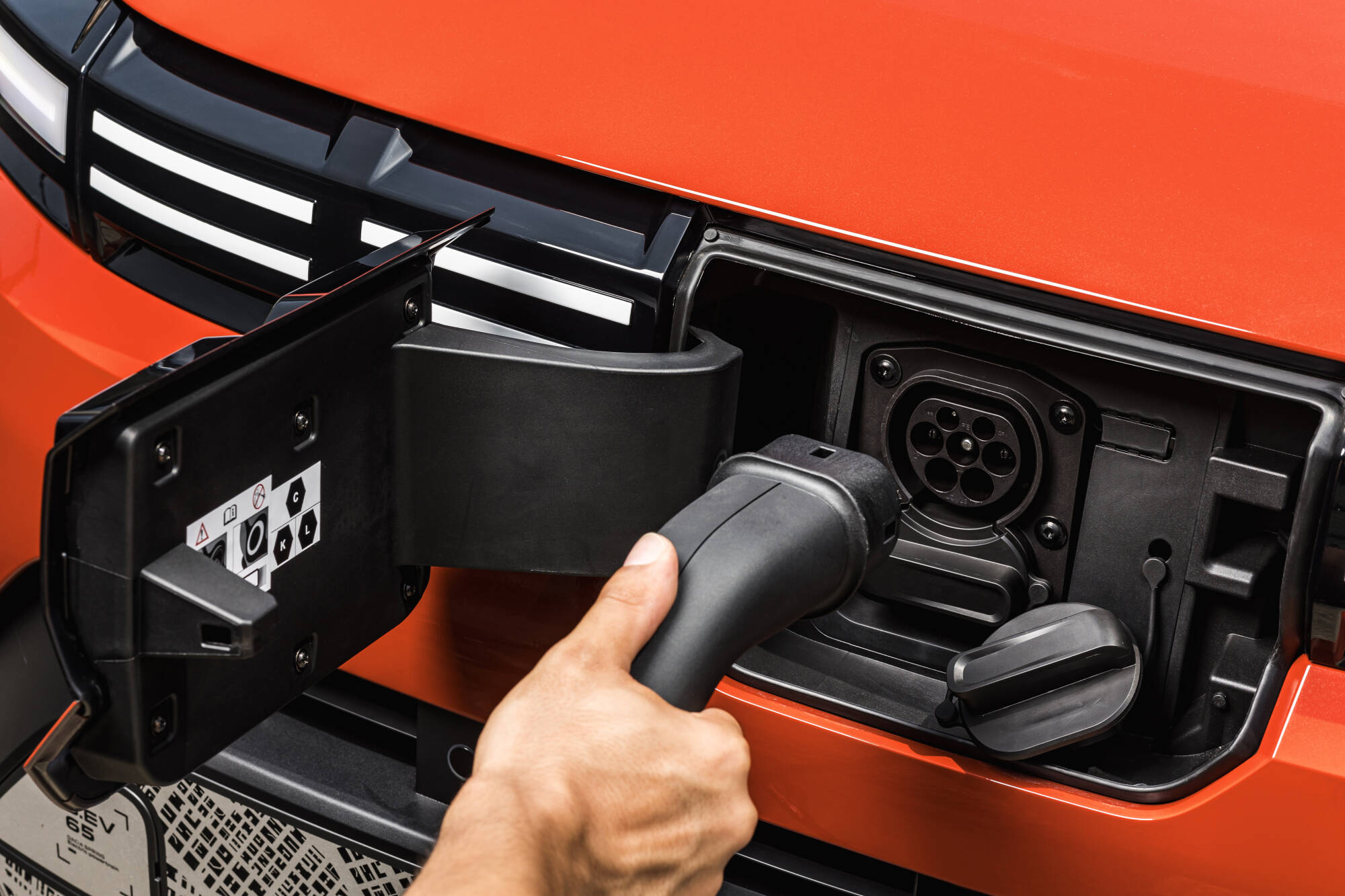
Many owners of the Dacia Spring experience inconsistent charging performance, especially at rapid chargers. Failed attempts, slow charging times and fluctuating results at public charge points are frequently recurring complaints. This problem has two causes. Firstly, there are technical limitations. Secondly, unfavourable conditions play a role. In this article you can read which charging problems are most common, what causes them and how you can improve the charging performance of your Dacia Spring.
Limited rapid-charging capacity leads to long waiting times
The Dacia Spring has limited DC charging capacity. On older models the maximum is 30 kW, on newer versions 40 kW. This is considerably lower than with many other electric cars. It means that a charging session from 20 to 80 per cent can take between 29 and 56 minutes.
In practice, the car does not always reach the maximum charging power. The charging speed depends on the condition of the battery, the temperature and the capacity of the charge point. Some owners report that the car does not charge faster than 25 kW. This happens even at suitable chargers. That significantly increases the waiting time.
DC rapid charging is also not standard. You pay extra for this option, which sometimes comes as an unexpected surprise for budget buyers. When purchasing, check which trim level the car has and whether rapid charging is possible.
‘ On cold winter days charging speeds drop sharply. ’
No battery heating hampers charging in the cold
The Dacia Spring has no heat pump or battery heating. This has major consequences for charging power and driving range at low temperatures. Lithium iron phosphate (LFP) batteries, like those in the Spring, perform less well below 10 degrees Celsius.
On cold winter days charging speeds drop sharply. The battery accepts less power, so even a 40 kW rapid charger only delivers 15 to 20 kW. Charging then takes considerably longer. The range also drops by 20 to 30 per cent, which makes extra charging stops necessary.
Owners recommend parking the car indoors where possible or pre-charging via the app. This helps to keep the battery at temperature. For wintry conditions, it is wise to allow a generous buffer in your range.
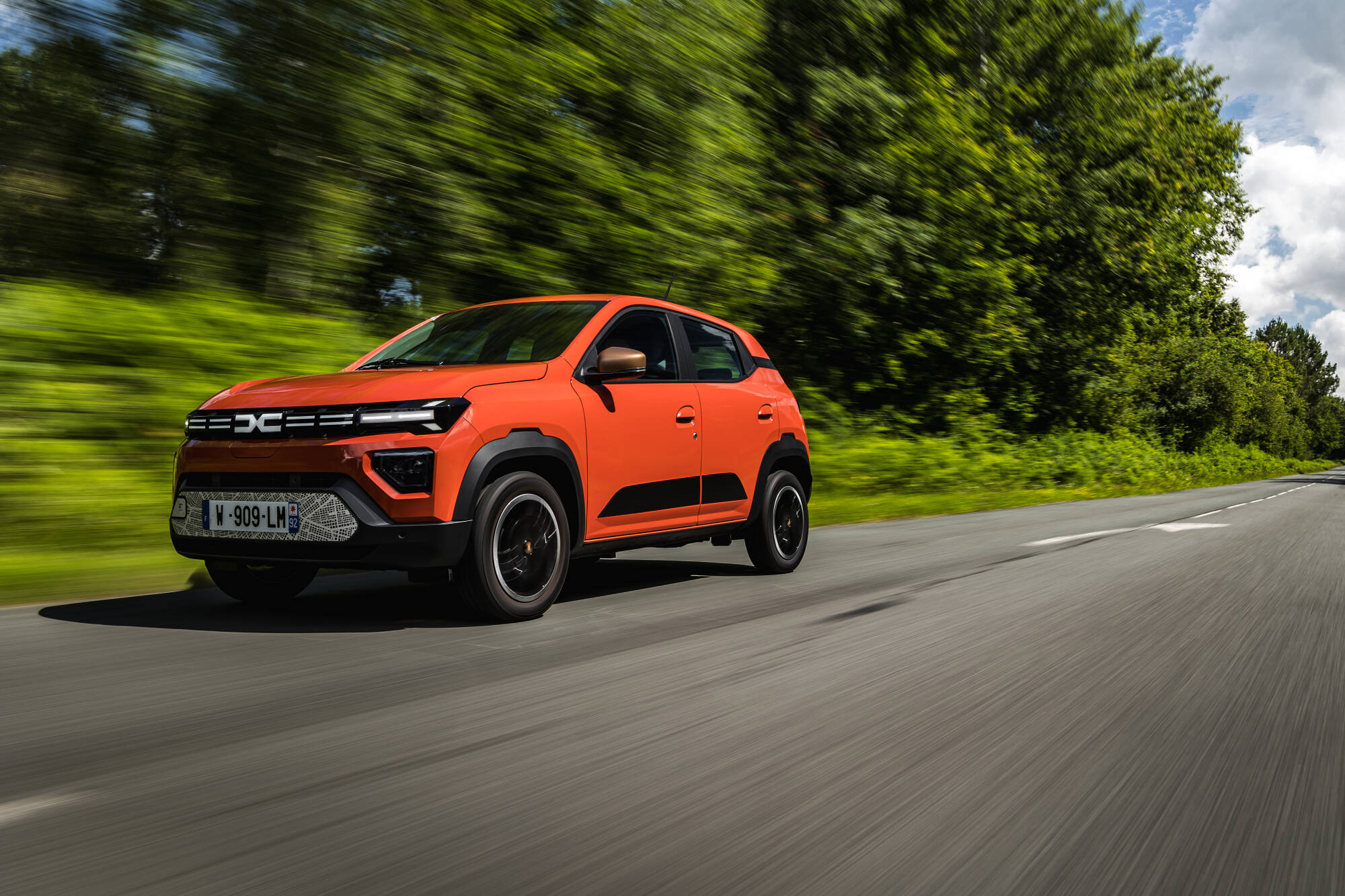
AC charging is limited to 7 kW
The onboard charger of the Dacia Spring supports a maximum of 7 kW when single-phase charging. This means that at home with a wallbox you need roughly 3 hours and 20 minutes to 5 hours to charge from 20 to 100 per cent. Using a normal household socket, charging takes about 13.5 hours.
In practice, many public AC charge points are limited to 3.7 kW. This is due to the phase configuration of the charging station or the limited power capacity at that location. Owners notice that charging sessions at such chargers take impractically long, especially if you rely on public infrastructure.
Preferably install a wallbox with 7.4 kW charging capacity on a 32 amp circuit. This optimises charging speed at home and reduces your dependence on public chargers. In addition, charge preferably at night to benefit from lower electricity tariffs.
Why charging fails at rapid charge points
Owners regularly report that the Spring does not charge at certain rapid chargers. The car shows an error message or stops the session without any clear reason. This problem occurs at different brands of charge points and can have several causes.
A common cause is contamination or moisture in the charging port. The CCS connector (rapid charging plug for direct current) is in the nose of the car, under the grille. This location is vulnerable to dirt, salt and water. Dirty contacts can prevent the charge point from recognising the car or cause it to end the session.
Keep the charging port clean and dry. Gently clean the contacts with a dry cloth and check for damage. Software problems can also lead to failed charging sessions. Check with the dealer whether updates are available and have them installed.
‘ For LFP batteries, the advice is to charge between 20 and 80 per cent. ’
Charging speed decreases after several years of use
Owners of older Dacia Springs report that charging speed gradually decreases. This is partly due to natural battery degradation. LFP (lithium iron phosphate) batteries are more durable than NMC (nickel manganese cobalt) batteries, but still lose capacity over time.
The warranty covers battery capacity down to 70 per cent for 7 years. If capacity drops faster, you may be entitled to replacement or repair. Keep an eye on charging performance and document any irregularities. This can help with a possible warranty claim.
Avoid charging to 100 per cent every day. For LFP batteries, the advice is to charge between 20 and 80 per cent. This slows degradation and extends service life. Use the full capacity only for longer trips.
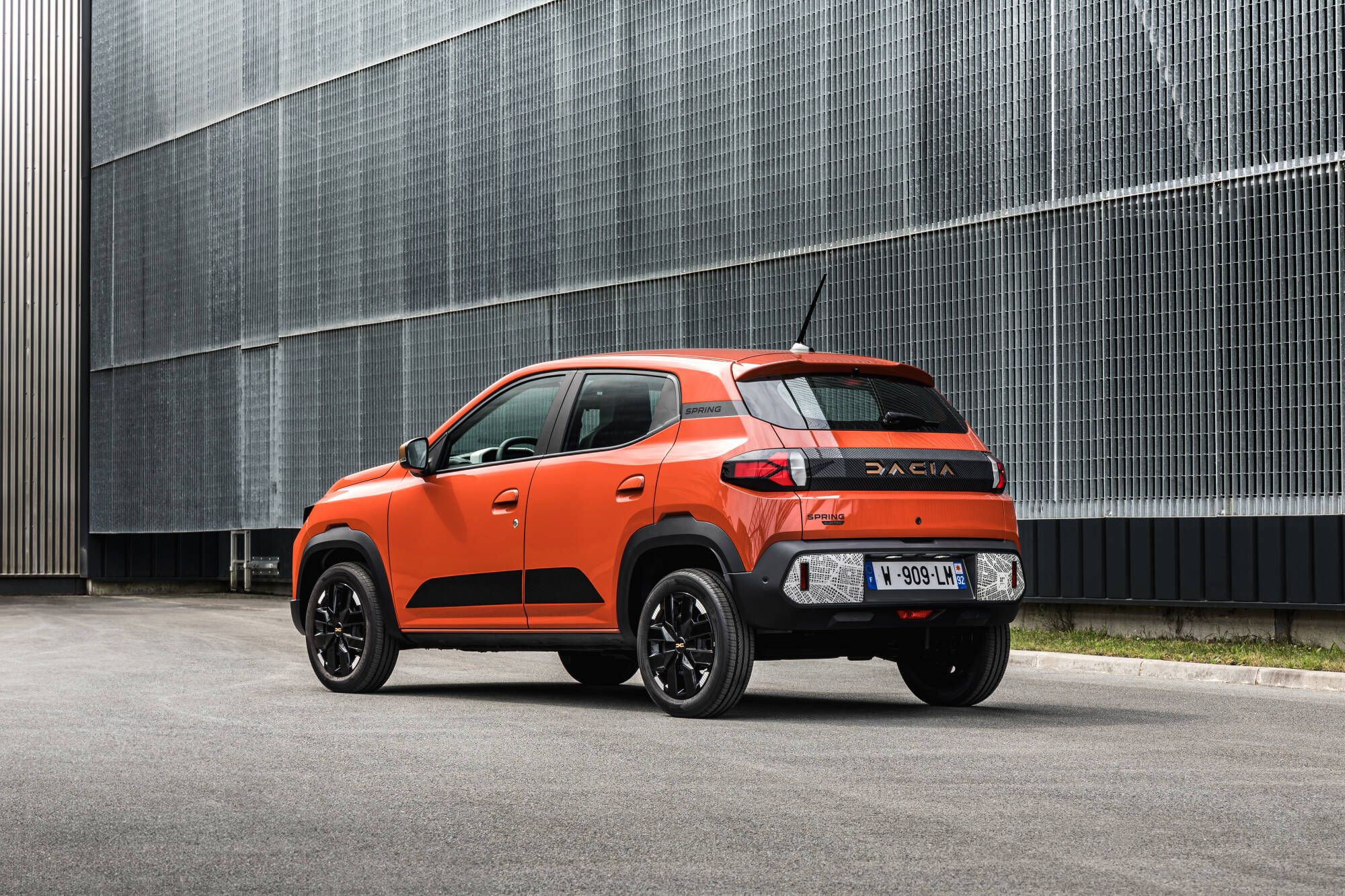
Practical tips to reduce charging problems
You can improve the charging experience of the Dacia Spring by taking a number of practical measures. Plan charging sessions carefully and choose charge points that deliver at least 30 kW. Avoid charging at temperatures below 10 degrees Celsius unless necessary.
Optimise your home installation. A wallbox with 7.4 kW capacity on a 32 amp circuit makes all the difference. Ideally, charge in the evening or at night, when electricity prices are lower and the battery can charge more steadily.
Regularly check the charging port for contamination and moisture. Gently clean the contacts and inspect the cable for damage. Have software updates carried out at the dealer to prevent compatibility issues with charge points.
Drive efficiently to reduce the number of charging stops. Use eco mode and preheat the interior via the app. Do this while the car is still plugged in. This saves battery capacity and increases range. During the winter months, maintain a reserve of at least 20 per cent.
V2L function offers extra use cases
The Dacia Spring has a Vehicle-to-Load (V2L) function, either as standard or as an option. This allows you to power external devices via an adapter on the CCS port. The maximum power is 3.6 kW at 220 volts and 16 amps.
This function is useful for camping, DIY jobs or emergency power supply. You can, for example, connect a cool box, tools or lighting. It makes the car more versatile, especially if you regularly undertake outdoor activities.
Note that using V2L discharges the battery. Plan your range carefully if you want to use the function during a longer trip. Test the function at home first to check whether everything works properly.
‘ The 7‑year battery warranty offers peace of mind. ’
Choose the right trim level
Not all Dacia Springs have the same charging capabilities. Rapid charging and V2L depend on the chosen trim level. The Expression and Extreme variants offer rapid charging as an option or as standard. Base models only have AC charging up to 7 kW.
When purchasing, check which specifications the car has. That way you know exactly where you stand and you avoid disappointments or unexpected costs. For those who regularly drive longer distances, rapid charging is a practical addition. For city use, AC charging is often sufficient.
The 7‑year battery warranty offers peace of mind. The warranty applies as long as capacity remains above 70 per cent. Keep charging logs and have inspections carried out if you are unsure about performance.
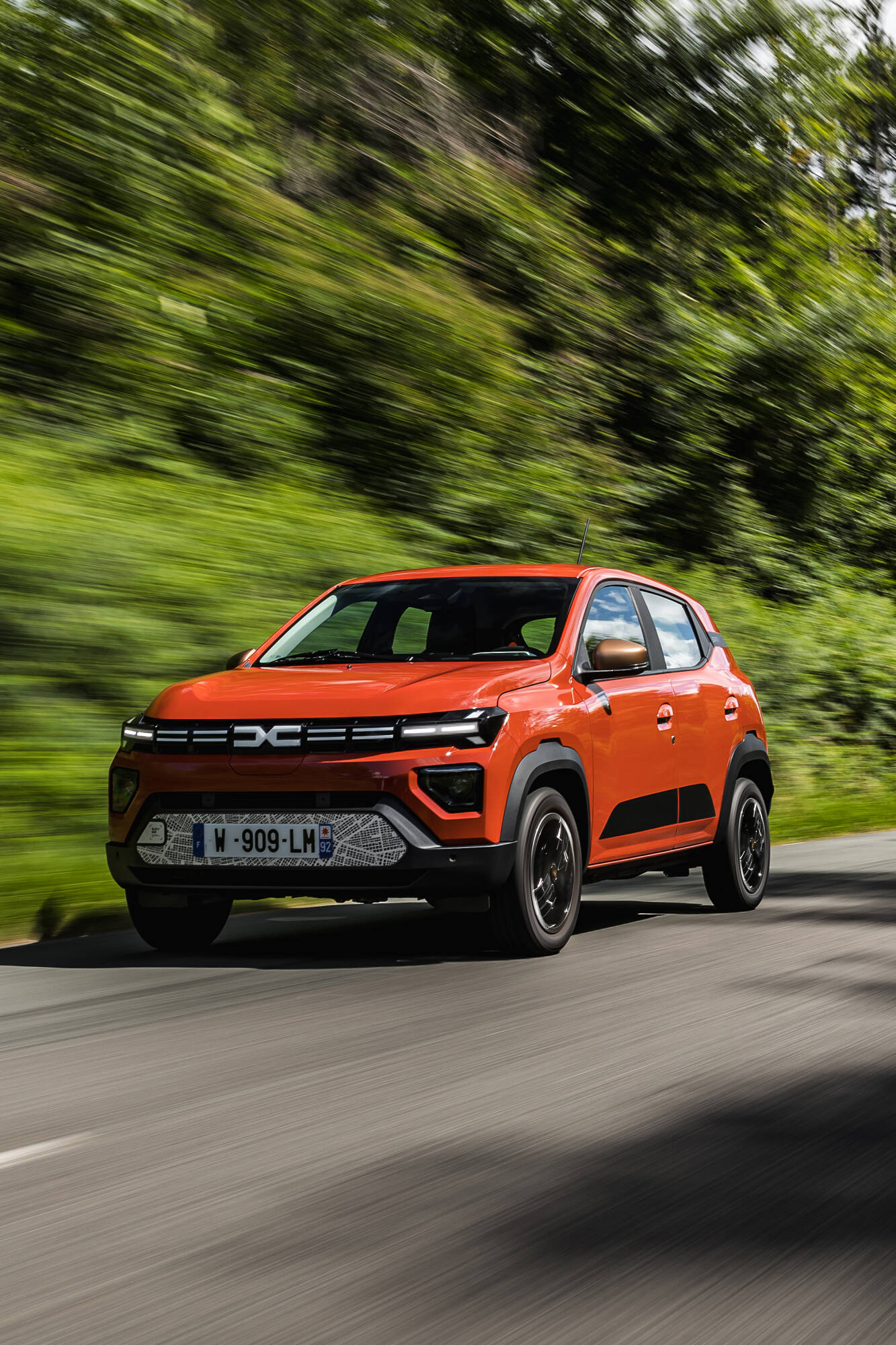
Find out more about the Dacia Spring
The Dacia Spring has specific charging limitations that you need to be aware of as an owner. With the right preparation and adjustments, you can prevent or reduce many problems. On the Carnews website you can find more information about electric cars, maintenance tips and common car problems. Discover which solutions and experiences other car enthusiasts share. Increase your knowledge about your car.
Frequently asked questions
The most common charging problems with the Dacia Spring are the limited AC charging speed (in practice often only 3.7 kW) and the relatively low DC rapid-charging capacity, which means long charging sessions are required. In cold conditions, both the range and the effective charging speed drop noticeably, because there is no active battery heating. In addition, users report inconsistent charging speeds at public charge points due to phase and grid limitations. The front-mounted charging port is also seen as vulnerable and prone to dirt, which can sometimes lead to poor contact.
Charging problems with the Dacia Spring mainly limit flexibility: slow AC charging and (optional) relatively slow DC rapid charging make spontaneous long trips less practical. In winter, both charging speed and range drop noticeably, meaning you have to charge more often and for longer. With only 3.7 kW chargers or a normal socket, you quickly lose many hours, which requires planning. For short daily city use this is usually acceptable, but for frequent long distances the car becomes awkward to use on a day-to-day basis.
Owners can limit charging problems by installing a 7.4 kW wallbox with a separate 32 A circuit at home, so that the car can charge at maximum power (instead of 3.7 kW). At public AC charge points, it helps to specifically choose chargers that support single‑phase 32 A, and to charge the car mainly at night or during longer stops. In winter, preheating (if possible via the app) and charging at a higher battery temperature can improve charging speed and increase range. When buying or exchanging, choosing a version with optional 40 kW DC rapid charging can be a practical workaround for longer journeys.
The charging problems experienced are usually not solely attributable to the car, the charge point or the charging infrastructure, but often arise from the combination of all three. In the case of the Dacia Spring, limitations of the car (such as a relatively slow onboard charger and limited DC rapid charging) play a major role. At the same time, public charge points and grid connections can further limit charging speed. Environmental factors such as low temperatures and grid congestion also influence the actual charging time.
Dacia is mainly addressing the Spring’s charging limitations with a revised version around 2026, in which optional 40 kW DC rapid charging is added (previously 30 kW) and the charging infrastructure and functions are optimised. This is a hardware improvement compared with earlier model years. In addition, charging strategies and efficiency are further refined via software updates, but structural limitations such as the absence of battery heating remain largely hardware-related. New buyers therefore benefit most from the improvements; existing owners are largely bound to the original hardware.