
Citroën C3 Picasso: common car problems and what you need to know
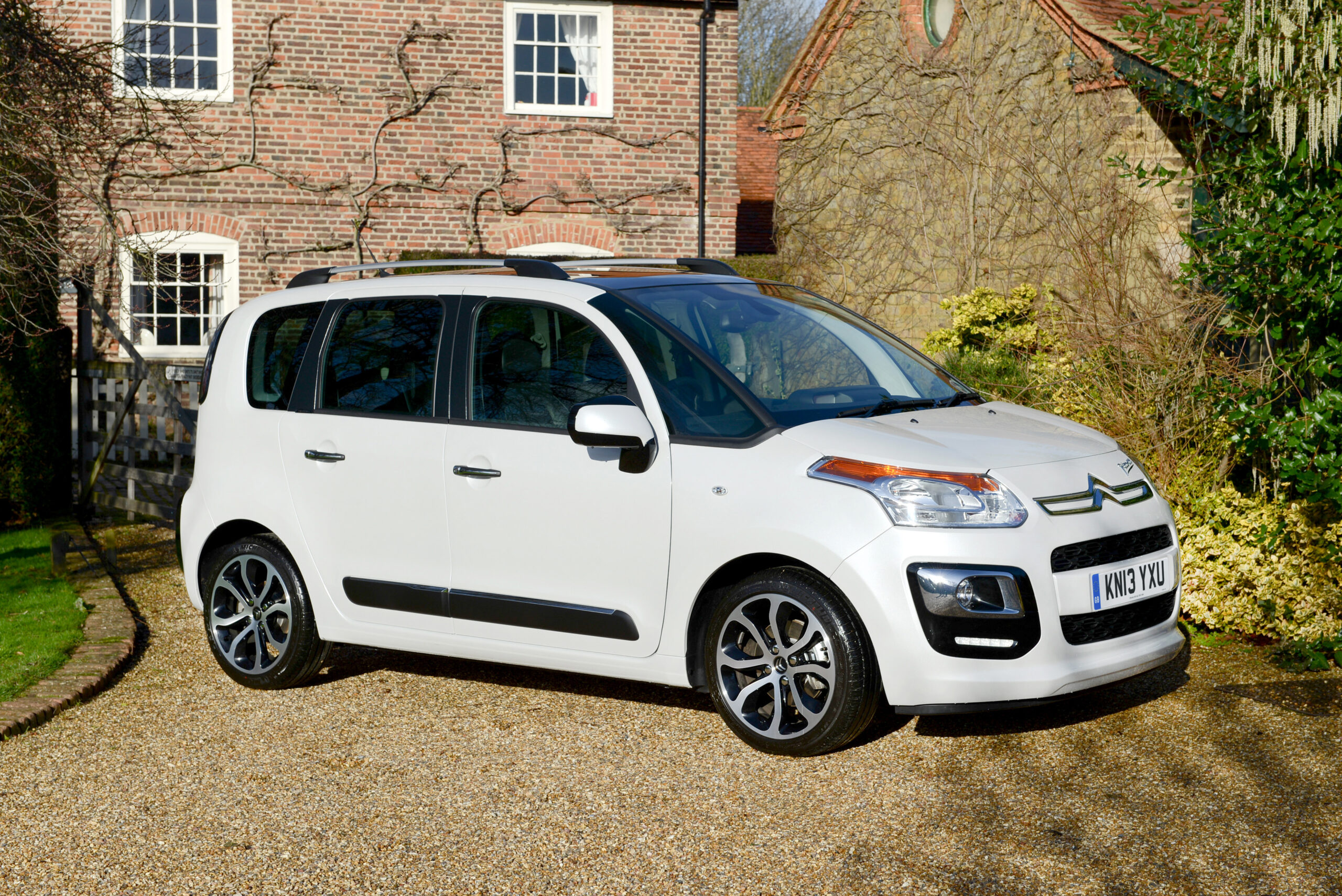
The Citroën C3 Picasso combines space, comfort and efficiency in a compact family vehicle that was produced between 2009 and 2017. Although this compact MPV is popular with families and commuters, the model suffers from a number of specific technical issues that you, as an owner or potential buyer, should be aware of. From engine complaints to electronic faults: the C3 Picasso has weak spots that crop up regularly in garage visits and owner reviews. Want to know what you should look out for?
Why this focus on car problems?
Knowing about common defects is essential for every C3 Picasso owner. It helps you recognise problems at an early stage, prevent costly repairs and make a realistic estimate of future maintenance costs. For potential buyers of a used C3 Picasso, this knowledge provides strong bargaining power and helps avoid expensive surprises after purchase. Also take a look at our overview of car problems with Citroën for a broader view of brand-specific weak points.
‘ Electronic systems are a weak point across the entire production range. ’
Overall reliability: what do owners say?
The reliability of the C3 Picasso scores variably. Early models from 2009–2012 show more teething troubles than later versions. Owners appreciate the practical layout and space, but frequently report technical complaints. The diesel engines, especially the 1.6 HDi, are considered relatively reliable with proper maintenance. The petrol version, a 1.2 PureTech three-cylinder, is sold less often and has built up a more limited reputation. Electronic systems are a weak point across the entire production range.


Engine problems to watch out for
The 1.6 HDi diesel engine, both in 90 bhp and 100 bhp BlueHDi versions, has a few recurring problems. Oil consumption increases on older examples, especially when maintenance has not been carried out according to schedule. This can lead to wear on the turbo and pistons. The turbocharger itself is prone to failure after around 120,000 kilometres. Symptoms include loss of power, smoke and a whistling noise when accelerating.
Another common problem lies in the EGR valve (exhaust gas recirculation). This becomes clogged by soot build-up, especially with lots of short trips. The result is an irregular idle, loss of power and an illuminated engine warning light. Regular longer journeys and the use of quality fuel help to slow this down.
On the petrol version, owners report rattling noises when starting, which may indicate wear on the timing chain. This problem mainly occurs on cars with irregular maintenance. When buying, always have the chain checked to make sure it is still in good condition.
What can you do?
- Check the oil level regularly and top up in good time
- Have the EGR valve cleaned every 60,000 kilometres
- Replace the turbo at the first signs of wear
- Drive longer distances regularly to reduce soot build-up
Transmission: manual or automatic
The C3 Picasso was supplied almost exclusively with manual gearboxes. These are generally reliable, but owners sometimes report notchy gear changes, especially in cold conditions. This is often caused by ageing gearbox oil or wear of the synchromesh.
Some examples suffer from a grinding clutch after 80,000 to 100,000 kilometres, depending on driving style. A heavy clutch pedal or gears that are difficult to engage can indicate an impending clutch replacement. On the first generation, defective clutch cables also occur.
Preventive measures
- Have the gearbox oil replaced according to the maintenance schedule
- Avoid aggressive shifting and driving with the clutch half engaged
- Check the clutch cable on models built before 2012
‘ “Updates at the dealer sometimes solve this temporarily, but a definitive solution is often lacking.” ’
Electrical and electronic faults
The electronic systems are the biggest weak point of the C3 Picasso. Owners regularly report problems with the central locking, probably caused by defective door lock mechanisms. The electric windows may stick or fail due to wear on the window mechanisms or motors.
The infotainment system, especially in Exclusive versions, shows software issues. The screen freezes or stops responding, and Bluetooth connectivity regularly drops out. Updates at the dealer sometimes solve this temporarily, but a definitive solution is often lacking.
Sensors are another sore point. Parking sensors give false alerts or fail completely due to moisture or damage. The rain sensor and light sensor can also fail, meaning the wipers and lights no longer switch on automatically.
Batteries last on average four to five years, but with lots of short trips or heavy accessory use the lifespan can be shorter. A weak battery causes starting problems and can trigger faults in the onboard computer.
Solutions for electronic problems
- Replace defective door lock mechanisms if locking problems keep recurring
- Reset the infotainment system by disconnecting the battery for a few minutes
- Clean parking sensors regularly to prevent false alerts
- Test the battery annually and replace it preventively after four years


Suspension and steering
The suspension of the C3 Picasso is generally durable, but after 80,000 kilometres it often starts to produce knocking noises. Front control arm bushes wear due to the relatively high weight load of the vehicle. This shows up as knocking or creaking noises over bumps or when turning the steering wheel.
Shock absorbers may need replacing after 100,000 kilometres, especially with heavy loads or poor road surfaces. Symptoms are a soft or wobbly feel while driving and uneven tyre wear.
The electric power steering has occasional problems. Owners report loss of power assistance or heavy steering, usually caused by faulty sensors or electric motors in the steering system. Fortunately this does not occur often, but it can appear suddenly.
Maintenance tips for the suspension
- Have the suspension checked at every major service
- Replace control arm bushes in good time to prevent further damage
- Inspect shock absorbers for leaks and replace them if in doubt
Brakes and running gear
The braking system generally works well, but front brake discs may need replacing after 40,000 to 60,000 kilometres. This depends heavily on driving style and use of the car in urban areas. Rear brakes last longer, often more than 80,000 kilometres.
ABS and ESP systems are reliable, but sensors can fail due to dirt or damage. An illuminated ABS or ESP warning light often points to a dirty or faulty wheel speed sensor. These sensors are located in the wheel and are sensitive to corrosion and dust.
On high-mileage models, wheel bearing wear can occur. This shows up as droning noises that increase at higher speeds.
‘ Water damage in the interior can cause electrical faults and mould growth. ’
Bodywork and interior problems
Rust is not a major issue on the C3 Picasso, thanks to good protection of the bodywork. However, small stone chips on the front can lead to rust spots if left untreated. Pay particular attention to the bonnet and bumpers.
Water leaks sometimes occur on older models, especially around the tailgate and door openings. This is caused by ageing rubber seals or blocked drain holes. Water damage in the interior can cause electrical faults and mould growth.
The interior wears reasonably well, but seat upholstery can start to fray after years of intensive use. Plastic parts, especially on the dashboard, may start to creak or come loose. The rear seat is vulnerable to damage when folding it down and putting it back up.
Preventing bodywork and interior problems
- Repair stone chips immediately to prevent rust
- Check rubbers around doors annually and replace them if cracked
- Clean drain holes in doors and the tailgate regularly


Recalls and service bulletins
Over the years, Citroën has carried out several recalls for the C3 Picasso. These concerned, among other things, problems with airbags, brake fluid lines and electrical wiring. Check via the RDW (Netherlands Vehicle Authority) whether your vehicle has ever been involved in a recall and whether it has been dealt with.
Service bulletins have been issued for software updates to the engine management and infotainment systems. These updates can often be carried out free of charge at the dealer and can resolve or prevent certain faults.
Preventive maintenance: keeping costs under control
Preventive maintenance is the best way to avoid major problems. Stick to the maintenance schedule recommended by Citroën: every year or every 15,000 kilometres for diesel models and every 20,000 kilometres for petrol versions.
Replace filters, oil and fluids on time. The diesel versions in particular are sensitive to dirty oil, which can lead to reduced lubrication and accelerated wear. Always use the oil specification recommended by Citroën.
Regularly drive longer distances so the engine and exhaust systems reach proper operating temperature. This prevents soot build-up in the EGR valve and particulate filter. If you mainly drive short journeys, consider a regeneration run or have the particulate filter professionally cleaned.
Key maintenance points
- Oil changes according to schedule: diesel every 15,000 km, petrol every 20,000 km
- Replace air and fuel filters at every major service
- Check brake fluid and coolant annually
- Have the exhaust system and particulate filter checked on diesel models
- Test the battery every autumn and replace it preventively after four years
‘ Electronic problems are difficult and expensive to resolve. ’
Points to check when buying used
Thinking about a used C3 Picasso? Then pay attention to the following points to avoid disappointment. Check the full service history. A car without a clear service book or with large gaps in its history is a risk.
Test the electronic systems thoroughly. Try all functions: central locking, electric windows, infotainment, parking sensors and lights. Electronic problems are difficult and expensive to resolve.
Listen to the engine. Rattling or ticking noises may indicate problems with the timing chain or turbo. Start the engine from cold and watch for smoke or hesitant starting.
Check the suspension by listening carefully for knocking noises over bumps. Ask the seller about any replacement of control arms or shock absorbers. Also inspect the tyres for uneven wear, which may indicate suspension or alignment issues.
Inspect the interior for signs of damp. Pay particular attention under the floor mats and in the boot. Damp patches or a musty smell indicate water leaks, which can lead to electrical problems.
Used-car purchase checklist
- Complete service history available
- No warning lights on the dashboard
- All electronic systems working correctly
- No unusual engine noises or smoke
- Suspension free from knocking noises
- No signs of water leaks or damp
- All recall work carried out
How much do C3 Picasso repairs cost?
Repair costs vary widely, depending on the problem and where you have the car repaired. Replacing a turbo costs between 800 and 1,500 euros, including labour. Cleaning the EGR valve costs around 150 to 250 euros, replacement between 400 and 600 euros.
Replacing a clutch costs 500 to 800 euros, depending on the workshop. Electrical faults are hard to estimate: minor repairs such as replacing a sensor cost 100 to 200 euros, but major wiring or infotainment issues can rise to 500 euros or more.
Repairing the suspension, such as replacing control arm bushes, costs about 200 to 400 euros per axle. Replacing shock absorbers is between 300 and 500 euros for a pair.
Brake maintenance is relatively affordable: replacing front discs and pads costs 200 to 350 euros. A full brake service on both front and rear comes to around 500 to 700 euros.
Is the C3 Picasso a sensible choice?
The Citroën C3 Picasso offers a lot of car for the money for families and commuters, thanks to its spacious configuration and compact dimensions. The vehicle scores well in terms of practicality, but struggles with technical weak points that require extra attention and maintenance. The diesel engines are reasonably reliable when used correctly and serviced on time. Electronic faults, however, remain a pain point that you, as a buyer, must either accept or avoid by testing thoroughly.
For used-car buyers, the advice is: choose an example with a complete service history and preferably from later model years (2013 or newer). Be prepared for regular maintenance and possible electrical problems. With realistic expectations and a preventive approach, you can enjoy this compact family car for many years.