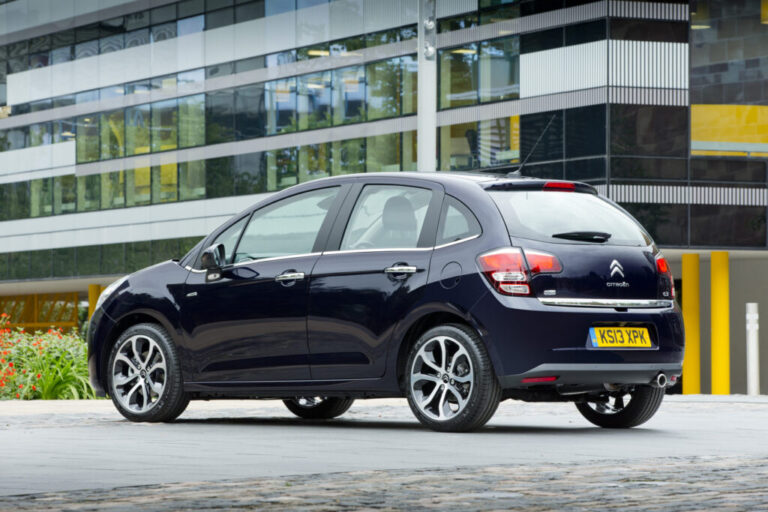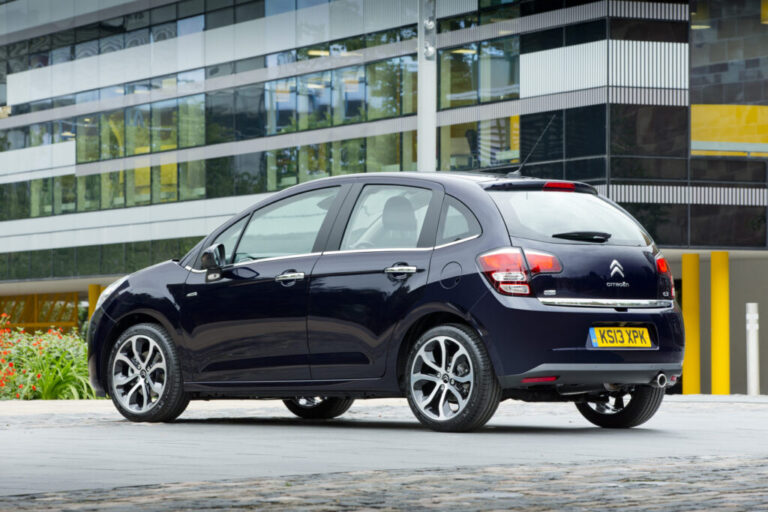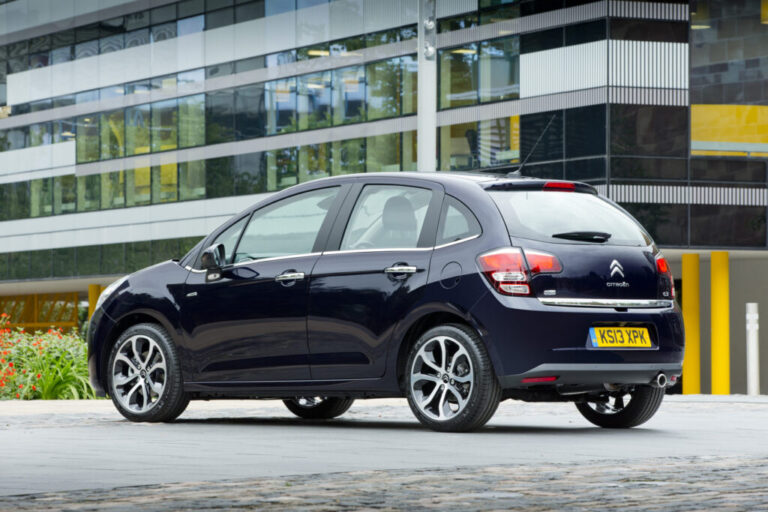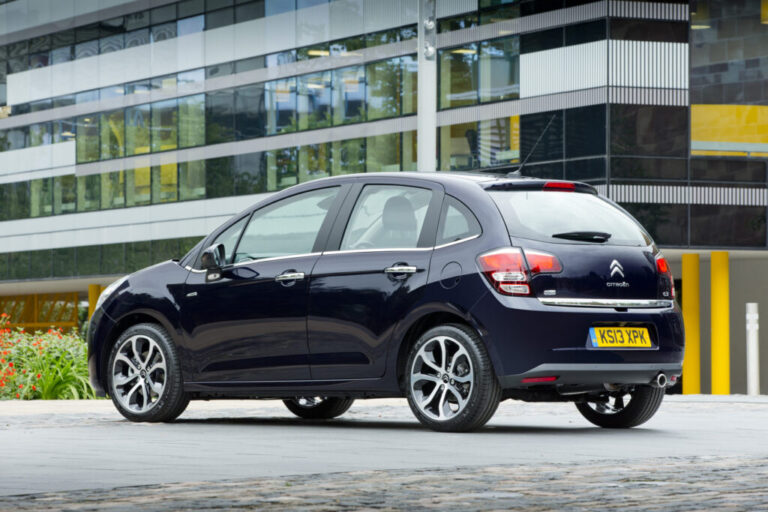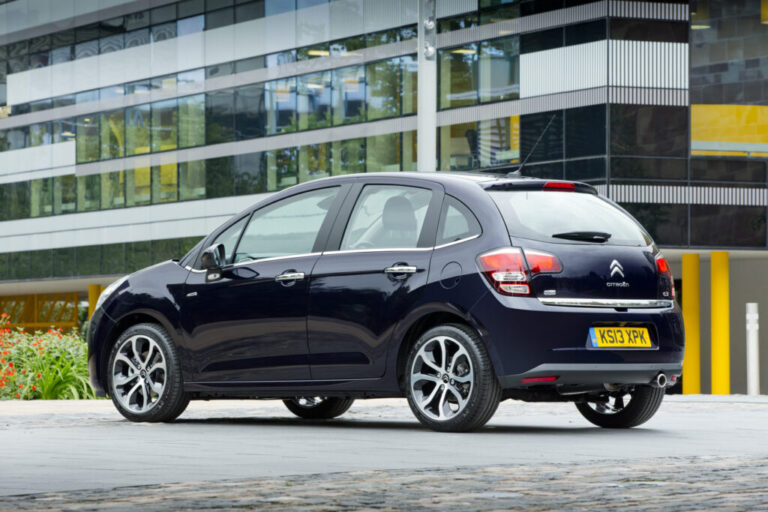
The Citroën C3 is known as a reliable city car, but the braking system has a weak spot: after around 60,000 kilometres, owners regularly run into worn brake pads, shorter stopping distances and a handbrake that can suddenly pop up. These are signs you need to take seriously. Read on and find out why this happens, what it costs and how to deal with it.
Why do the brakes on the Citroën C3 wear out so quickly?
The main reason is driving style. The Citroën C3 is used a great deal in urban traffic, with lots of short trips, traffic jams and frequent braking. It is this combination that wears brake pads out faster than normal. In a city car like the C3, this is felt even more keenly, because the car is almost constantly being slowed at low speed.
Brake pads wear through friction: they press against the brake discs and gradually become thinner as a result. Once the lining drops below three millimetres, replacement is needed. If you wait longer, the brake discs will be damaged too. You will notice this through squealing or grinding noises when braking.
There are also a few other factors at play. If the brake fluid level drops without any visible leak, that is often a sign that the brake pads are nearly worn out. In addition, callipers or wheel cylinders can seize, causing uneven wear. You can feel this because the car pulls to one side when braking. On the overview page on Citroën C3 problems you will find more known complaints that recur with this model.
Signs you should not ignore
Fortunately, the braking system gives clear warnings before things really go wrong. Look out for the following signs:
- Squealing or grinding noises when braking
- Vibrations in the brake pedal or steering wheel when slowing down
- A longer stopping distance or a brake pedal that feels different from normal
- The car pulls to one side when braking
- A falling brake fluid level without a visible leak
- A warning light on the dashboard for the braking system
Persistent squealing is the best-known sign. Yet many owners wait too long before having it checked. That is understandable, but it increases the risk of damaged brake discs, and those cost more to replace than the pads alone.
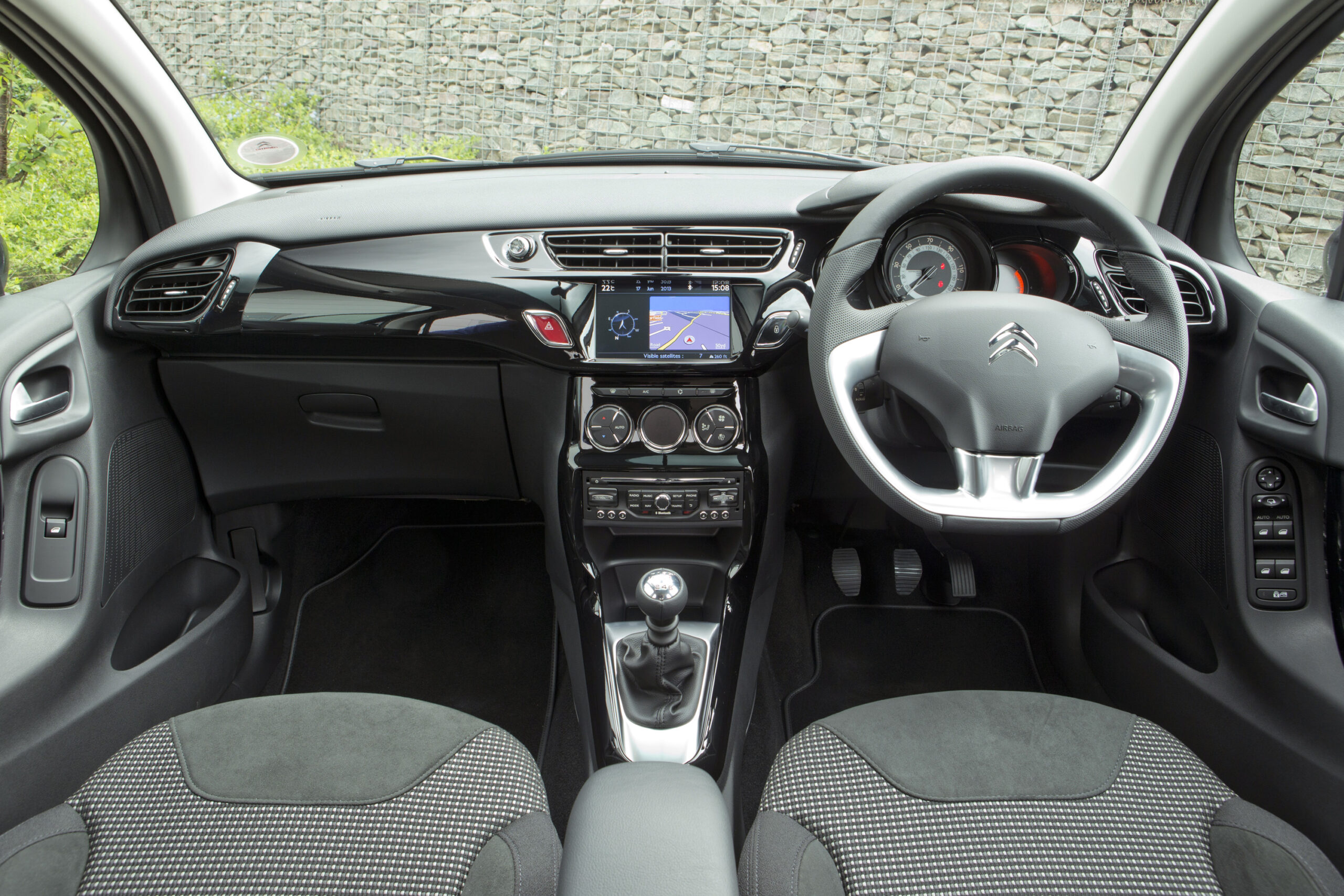
Handbrake problems in the Citroën C3
A handbrake that pops up or does not hold properly is a common complaint with the Citroën C3. This problem usually has a mechanical cause: the handbrake cable stretches over time, reducing the tension. The result is that the handbrake pulls on less firmly or even springs back when you apply it.
In some cases, the problem lies with the rear brake cylinder. It can seize up or start to function poorly. A seized brake cylinder means the braking force on one side is insufficient. You will also notice this uneven braking behaviour during normal driving: the car brakes unevenly or pulls to one side.
Replacing the Citroën C3 handbrake
A handbrake that has gone slack can often be adjusted by resetting the cable. That is a job for a mechanic, but relatively simple and not expensive. If the cable really has stretched or snapped, it must be replaced. If there are problems with the rear brake cylinder, replacement is the most reliable solution. Do not let this drag on for too long: a faulty handbrake is not only inconvenient, but also unsafe on sloping ground.
As a preventive measure, it helps to use the handbrake regularly and not to apply it too tightly if the car is standing still for a long time in winter conditions. Moisture can damage the cable and the brake cylinder.
Replacing brake discs on the Citroën C3: what are the costs?
The cost of replacing brake discs on the Citroën C3 varies depending on the brand of parts and the garage’s labour rate. Cheaper brands start at around 30 to 50 euros per brake disc, while genuine Citroën parts cost more. Brake pads are generally cheaper and are often replaced at the same time.
At a garage, the total cost of a full brake service on the front axle, including labour, is on average between 150 and 300 euros. Similar amounts apply to the rear axle. If you have both the front and rear axles done at the same time, you can sometimes save on labour costs. Always ask for a quote before the work begins.
Brake pads are replaced more often than brake discs
Brake pads wear out faster than brake discs. They therefore need replacing more often. Under normal use, their lifespan can vary considerably, but in urban traffic shorter intervals are more the rule than the exception. Have the brake pads checked at every major service, and certainly once you are over 50,000 kilometres. After replacement, new pads must always be bedded in: do this by braking gently a few times from normal driving speed.
Maintenance tips to reduce wear
You can extend the lifespan of the braking system with a few practical habits:
- Brake progressively rather than always hard and late
- Have the brake pads checked at every major service
- Check the brake fluid level in the reservoir yourself from time to time
- After a wash, brake gently a few times to dry the braking surface
- Use engine braking in built-up areas. That saves the brake pads.
City drivers would do well to have the brakes checked more often than the standard maintenance schedule suggests. An annual visual inspection is a sensible minimum, especially with a used C3 or one with high mileage.
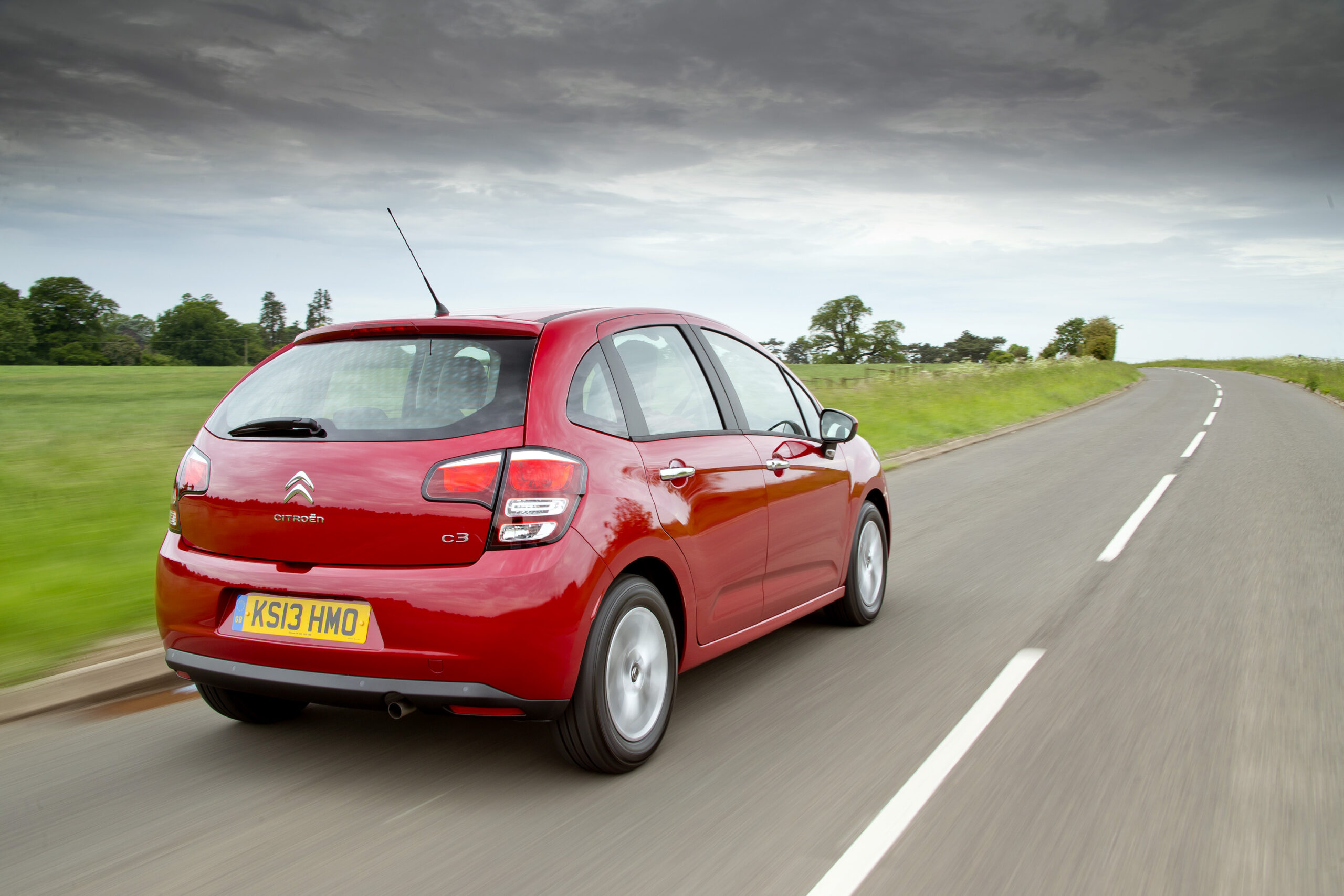
More about the Citroën C3 and other cars on Carnews
Brake wear is only one of the points to watch on the Citroën C3. On Carnews you will find much more information about this model and other cars, from well-known technical problems to maintenance tips and buying advice. Discover everything about your car on the Carnews website.
Frequently asked questions
Symptoms of wear in the braking system of a Citroën C3 include squealing or grinding brake noises and a longer stopping distance or a brake pedal that feels different. Vibrations in the brake pedal or steering wheel while braking, and the car pulling to one side when braking, also point to possible wear or a sticking brake calliper. A falling brake fluid level without a visible leak may indicate brake pads that are badly worn. In addition, visibly thin brake pads and grooves or rust on the brake discs can be signs of advanced wear.
A sporty driving style with lots of hard braking significantly speeds up the wear of the brake pads and brake discs on a Citroën C3. Because braking happens more often and more forcefully, more heat and friction are generated, which makes the brake components wear thin and unevenly more quickly. This can lead to squealing brakes, vibrations in the pedal and shorter replacement intervals. Regular checks of the braking system are therefore especially important when driving sportily.
For the Citroën C3, there are no uniquely “weak” components in the braking system, but the model is sensitive to accelerated wear with lots of urban driving and short trips. Citroën stresses that a falling brake fluid level without a visible leak often simply points to brake pads that are wearing down, which happens regularly with the C3. Squealing brakes and vibrations in the pedal or steering wheel are also important signs that should not be ignored with this model, because they often indicate grooves or distortion in the discs. Regular visual checks of pad thickness, disc surface and brake fluid level therefore have an especially strong impact on the lifespan of the braking system in the C3.
Recommended options are higher-quality brake pads (for example low-dust or performance compounds) and ventilated or high-quality coated brake discs for better heat dissipation and rust resistance. Stainless-steel or improved guide pins and fitting clips help prevent seizure and uneven wear. A high-quality DOT 4 brake fluid, changed regularly, improves pedal feel and prevents corrosion in the system. You could also consider steel brake lines for a more consistent pedal feel under intensive use.
For a Citroën C3, the average cost of replacing only the brake pads at a franchised dealer is often around €200–€300 per axle, and at an independent garage roughly €150–€250 per axle. For brake pads and brake discs together, you would typically pay about €350–€550 per axle at the dealer, and around €250–€450 per axle at an independent garage. Labour time for brake pads alone is usually around 0.5–1 hour per axle, and for pads plus discs around 1–1.5 hours per axle. In practice, garages often schedule around 1–2 hours of work in total for this.