
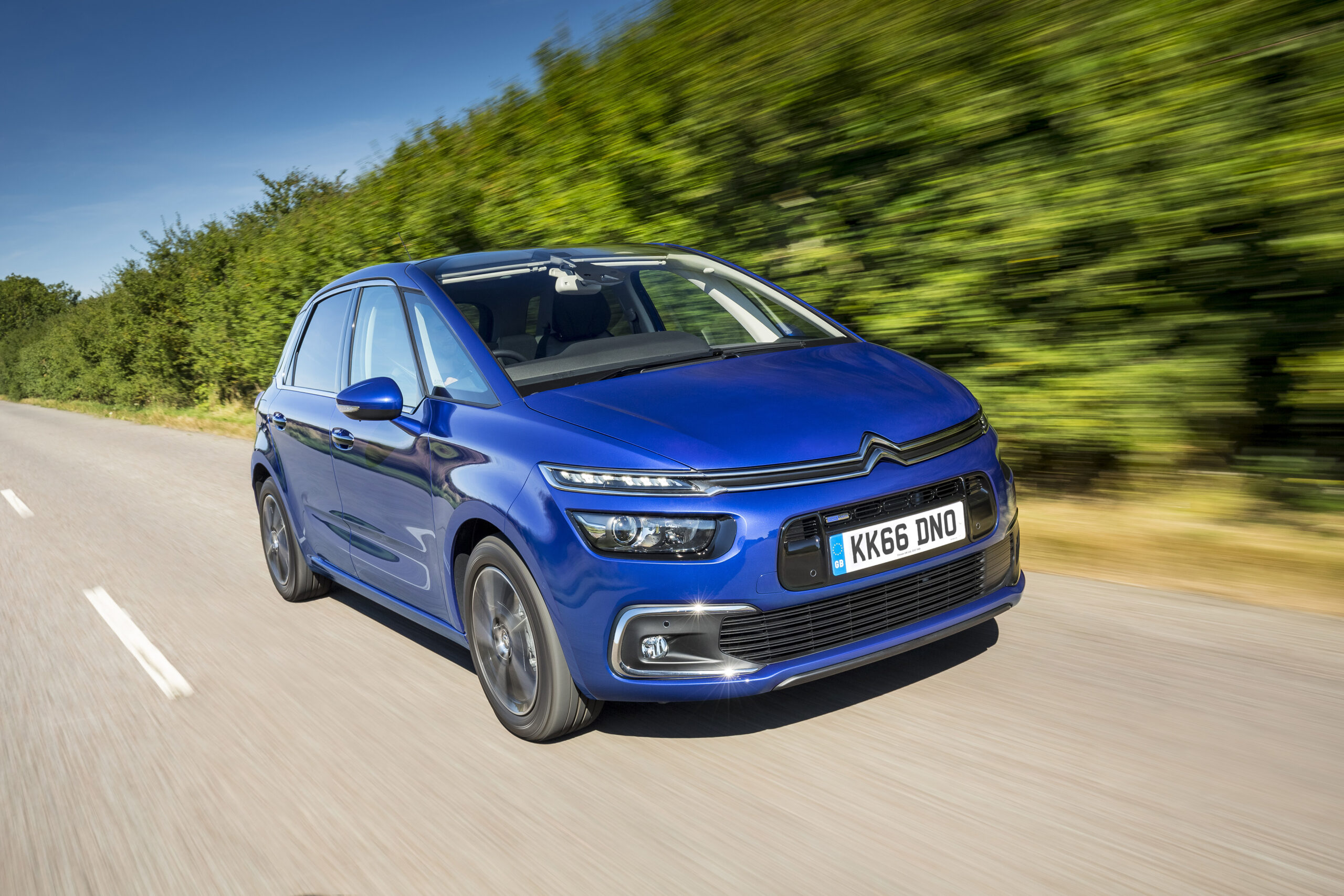
Citroën C4 Cactus: these problems occur frequently
The Citroën C4 Cactus immediately attracts attention with its quirky looks and comfortable suspension. Under those striking Airbumps lie several weak spots. From engine problems to electrical faults, this compact crossover has confronted owners with recurring issues over the years. Want to know what you should watch out for?
Unique design with practical points to note
The C4 Cactus stands out thanks to the iconic Airbumps along the sides of the bodywork. These eye-catching, rubber-like protection panels help prevent dents from parking bumps. They also bring specific vulnerabilities. The Airbumps can start to come loose or discolour due to weather exposure after a few years. This is particularly common on older, pre-2018 models. For more information about various problems with this brand, see Citroën car problems.
The distinctive design goes further than just the bumpers. The large windows and glass roof make for a light cabin, but they also increase the risk of stone chips. On some examples, the paintwork is prone to flaking, especially around the wheel arches and on the bonnet. This problem shows up mainly on cars that are regularly parked outside.
‘ The engine has a notorious weakness. ’
PureTech engine: known issues with the wet belt
On paper, the 1.2 PureTech petrol engine offers a good balance between performance and fuel consumption. The engine does, however, have a notorious weakness. The wet timing belt, introduced to reduce vibrations, runs in engine oil. If the oil level is insufficient or the oil is dirty, this belt can wear prematurely and even snap. This often occurs between 50,000 and 100,000 kilometres.
Symptoms of belt issues include:
- Tapping or rattling noises when starting
- Metal particles in the engine oil
- Sudden loss of power
- Engine failure without prior warning
A broken belt can cause serious engine damage because the pistons and valves collide. Citroën has issued a recall for certain production years. Not all affected cars have been modified. Have the belt replaced preventively at around 60,000 kilometres or after five years. When buying used, always check whether this maintenance has been carried out.
The 1.6 BlueHDi diesel engine has its own points to watch. The diesel particulate filter (DPF) can become blocked, especially if the car mainly does short trips in town. This leads to faults and costly repairs. In addition, the injectors can start causing problems after about 120,000 kilometres, resulting in hard starting and rough engine running.


Transmission and clutch require attention
The C4 Cactus’s manual gearbox has a reputation for reliability. The clutch, however, can show early wear. On examples with the PureTech 110 engine, owners sometimes report clutch problems at around 80,000 kilometres. This is more common on cars that regularly drive in heavy city traffic or with owners who shift carelessly.
Recognisable signs include:
- A high biting point of the clutch pedal
- Slipping when accelerating in higher gears
- Burning smell after pulling away
- Difficulty shifting between gears
The EAT6 automatic gearbox is available on some variants. This transmission suffers from software issues. Gear changes can be jerky or delayed, especially with a cold engine. A software update at the dealer often solves this. During a test drive, pay close attention to the shift behaviour between second and third gear.
Electronics and infotainment: frequently reported complaints
The 7-inch touchscreen is the central control point in the C4 Cactus. This system suffers from teething troubles. Owners regularly report that the screen freezes, responds slowly or restarts by itself. This is particularly common on models from 2014–2016. Software problems can usually be solved with updates. Hardware defects require replacement of the entire unit.
The reversing camera and parking sensors can also fail. Sensors may become dirty or show error messages without an obvious cause. A thorough clean helps temporarily. Defective sensors need to be replaced. This is more common on cars that are regularly driven off-road or in sandy environments.
The keyless entry function is not always reliable. Sometimes the car does not recognise the key, so the doors will not open or the engine will not start. This is often due to a weak battery in the key fob, but it can also point to a defect in the receiver module. Try a new battery before going to the dealer.
‘ Replacing the hydraulic cushions is expensive. ’
Suspension and chassis: comfort at a price
The Progressive Hydraulic Cushions are the C4 Cactus’s calling card. This innovative suspension system delivers excellent comfort, but it is also vulnerable. The hydraulic dampers can start leaking at around 100,000 kilometres. You will notice this through knocking noises over uneven surfaces and a less comfortable ride.
Replacing the hydraulic cushions is expensive because they are specialised parts. When looking at used models, always check that the suspension still feels supple and does not make strange noises. Drive over different road surfaces to detect any issues.
The anti-roll bar bushes wear out relatively quickly. This causes rattling noises when driving over bumps and speed humps. Fortunately, this is a relatively simple and inexpensive repair. Have the bushes replaced as soon as you hear noises to prevent further wear to other components.
The front wheel bearings can develop play. This results in vague steering feel and uneven tyre wear. A MOT inspection should pick this up, but also check it yourself regularly by rocking the wheels while the car is on a lift.


Bodywork and interior: wear in specific areas
The Airbumps themselves are prone to damage. Although they protect against minor knocks, they can be damaged in the process. Sunlight and temperature changes can cause the adhesive to fail. You will then see the bumpers bulging or coming loose at the edges. They can be reattached with special adhesive. Full replacement costs several hundred euros per panel.
The interior shows wear in predictable places. On high-mileage models, the driver’s seat upholstery becomes shiny or shows worn patches. The plastic trim around the gear lever and dashboard can get scratched or discoloured. This mainly affects the car’s appearance.
The rubber door sill seals wear quickly and can tear. Water and dirt can then penetrate more easily into the bodywork. Check these rubbers regularly and replace them in good time to prevent rust. This problem is particularly common on family cars where children frequently get in and out.
Rust itself is not a major issue on the C4 Cactus. Do keep an eye on the bottom edges of the doors and the wheel arches. On examples that have been exposed to road salt, small rust spots can start to appear here after a few years. An annual treatment of the underside effectively prevents this.
Maintenance that prevents problems
Carry out regular maintenance on the C4 Cactus. Replace the engine oil on the PureTech engine every 10,000 kilometres or annually, whichever comes first. Always use the specification prescribed by Citroën. This helps prevent issues with the wet belt. Cheap oil can become contaminated more quickly and damage the belt.
At every service, check whether there are metal particles in the oil. This points to wear of the timing belt. Ask the mechanic explicitly to look out for this. If in doubt, you can have an oil analysis carried out to give a definitive answer.
Keep the diesel particulate filter healthy by taking the car for a longer drive regularly. At least once a month, drive about 30 kilometres on the motorway at a constant speed. This allows the filter to regenerate and helps prevent blockages.
Update the infotainment system software regularly via the dealer. Many electrical faults have been solved in newer software versions. These updates usually cost little or nothing during routine servicing. Always ask about them when booking a service.
Inspect the Airbumps while washing the car. Check that they are still firmly attached and show no damage. At the first signs of detachment you can glue them back with special adhesive. Do not wait too long, as once they have come completely loose they can be damaged while driving.
‘ A warm engine masks certain noises. ’
Checklist for used-car buyers
Research the service history. Ask for the complete service book. Check whether the timing belt has been replaced. This is the main point of concern on PureTech engines. Without proof of replacement, you should assume additional costs of between 1,500 and 2,500 euros.
Thoroughly test all the electrical systems during the test drive. Try the touchscreen, the reversing camera, the parking sensors and the keyless entry several times. Restart the car to see if the system works consistently. Faults often appear randomly.
Listen carefully to the engine when starting from cold. Ticking or rattling can indicate a timing problem. Ask the seller to let the car cool down before your test drive. A warm engine masks certain noises.
Check the condition of the Airbumps thoroughly. Walk around the car and inspect whether they are firmly attached everywhere. Replacement costs can be high, so factor this into your price negotiation. Ask about any warranty on bodywork parts.
Consider the mileage in relation to the car’s condition. A C4 Cactus with 80,000 kilometres and no belt replacement is a higher risk. A car with 120,000 kilometres where this maintenance has been done is a better choice. Always ask for invoices for major services.
Drive the car over different types of road surface. Test the suspension for comfort and unusual noises. A defective hydraulic cushion feels noticeably different from a healthy one. If possible, compare it with another C4 Cactus to have a reference point.


Weighing up the C4 Cactus against its problems
The Citroën C4 Cactus is a distinctive choice in the compact crossover segment. Its comfortable chassis and quirky design appeal to a specific target group. These qualities do, however, come with real technical weaknesses that can have financial consequences.
The PureTech engine and its timing belt issue represent the biggest risk. If you opt for a used car, make sure that this maintenance has been carried out and documented. With a new or nearly new C4 Cactus you should budget in advance for preventive belt replacement. This maintenance is essential.
The electrical teething problems are annoying but usually not fatal. Software updates resolve many of them. Hardware problems do occur, but they are less common than engine issues. Allow some budget for the occasional repair to sensors or the touchscreen. This in itself need not be a reason to reject the car.
For drivers who mostly make short journeys, the diesel version is best avoided due to DPF issues. The PureTech 110 petrol engine is the best choice for mixed use, provided you tackle the timing belt preventively. High-mileage motorway drivers are better off considering alternatives with proven drivetrains.
The C4 Cactus remains an interesting car for those who value comfort and individuality. Go into the purchase with your eyes open, know the weak spots and maintain the car carefully. Then you can enjoy what this model has to offer without being caught out by expensive repairs.