Drive over speed bumps and a bumpy road and listen at the rear for knocking, creaking or rattling noises. At a constant speed, check whether the car drives straight and look for vibrations, an unstable rear end or excessive bouncing. When accelerating, braking and cornering, watch for unexpected movements or steering corrections. If in doubt, have the trailing arm bushes, shock absorbers and other suspension parts inspected on a ramp.
Common BSI-related problems include windscreen wipers or lights operating by themselves, faults with central locking and windows, unexplained warning messages and sometimes starting problems. When buying, check all electrical functions several times, both at cold start and after a longer test drive, and make sure all warning lights go out normally. Have all control modules read out and check the battery, earth connections, fuse boxes and interior for moisture or corrosion, as these can cause BSI-like faults. Be especially cautious if fault codes have recently been cleared or the seller refuses diagnosis.
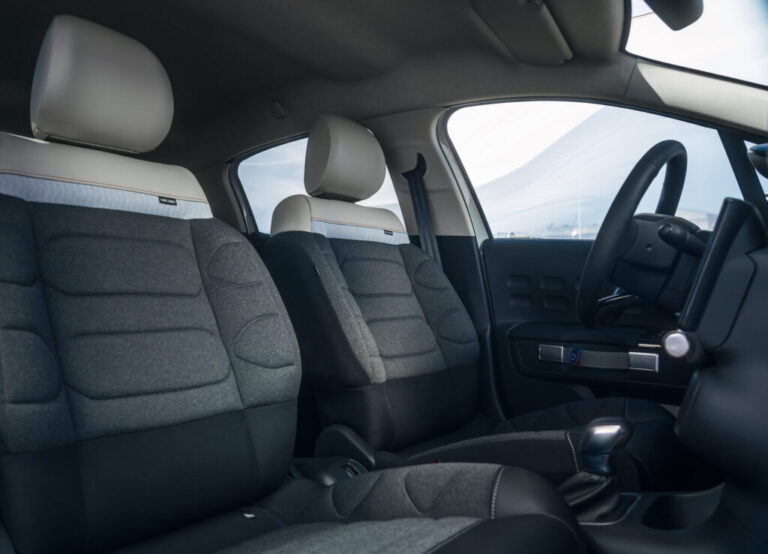
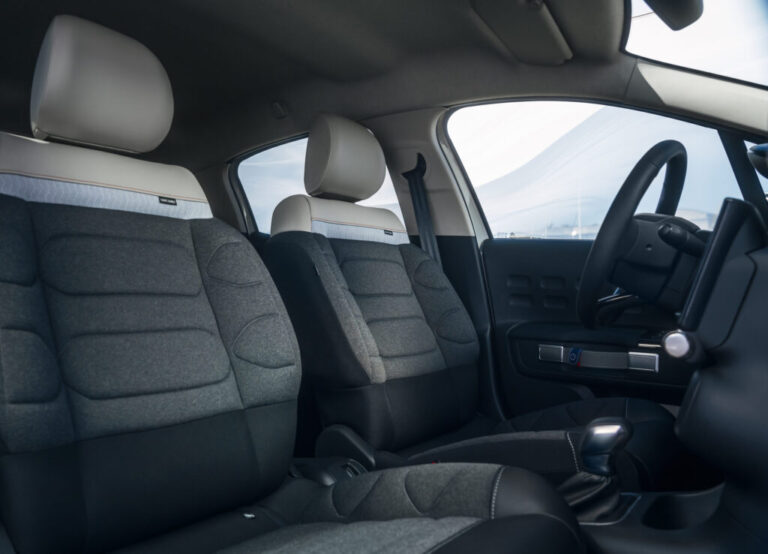
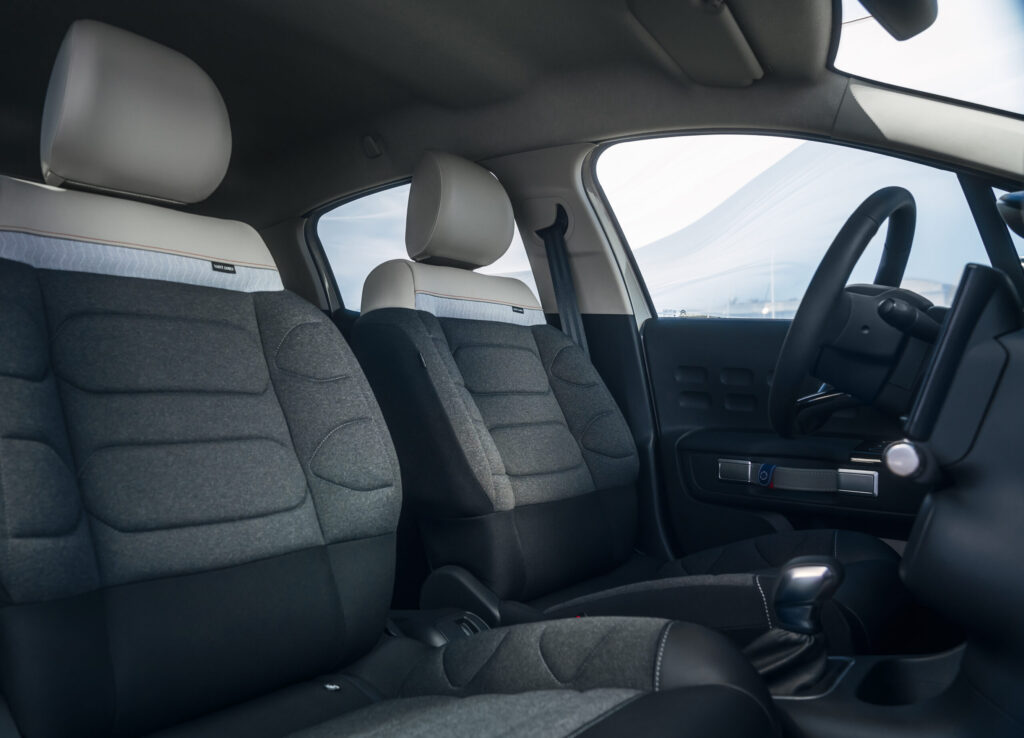
Inspect the ‘carbon’ dashboard trim in daylight from several angles for scratches, discolouration, peeling film and cracks. Check the seat bolsters for worn upholstery, tears, collapsed padding and loose stitching, especially on the driver’s seat entry side. Compare this wear with that on the steering wheel and pedals and with the stated mileage; noticeably heavy wear calls for extra checks of the history and vehicle details.
How can I check the condition of the rear trailing arm bushes and suspension during a test drive?
Drive over speed bumps and a bumpy road and listen at the rear for knocking, creaking or rattling noises. At a constant speed, check whether the car drives straight and look for vibrations, an unstable rear end or excessive bouncing. When accelerating, braking and cornering, watch for unexpected movements or steering corrections. If in doubt, have the trailing arm bushes, shock absorbers and other suspension parts inspected on a ramp.
Which electronic ‘BSI’ problems are common and how can I spot them when buying?
Common BSI-related problems include windscreen wipers or lights operating by themselves, faults with central locking and windows, unexplained warning messages and sometimes starting problems. When buying, check all electrical functions several times, both at cold start and after a longer test drive, and make sure all warning lights go out normally. Have all control modules read out and check the battery, earth connections, fuse boxes and interior for moisture or corrosion, as these can cause BSI-like faults. Be especially cautious if fault codes have recently been cleared or the seller refuses diagnosis.
How do I assess wear in the interior on sensitive areas such as the ‘carbon’ dashboard trim and the seat bolsters?
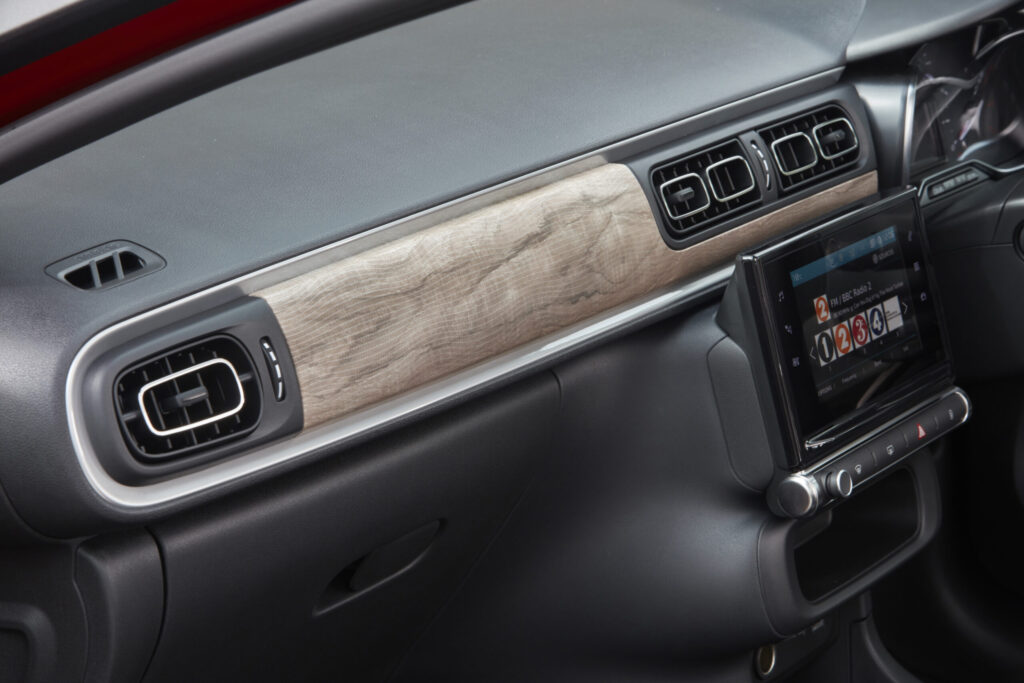
Inspect the ‘carbon’ dashboard trim in daylight from several angles for scratches, discolouration, peeling film and cracks. Check the seat bolsters for worn upholstery, tears, collapsed padding and loose stitching, especially on the driver’s seat entry side. Compare this wear with that on the steering wheel and pedals and with the stated mileage; noticeably heavy wear calls for extra checks of the history and vehicle details.
What specific issues should I look out for with the ‘THP’ engine in a used Citroën DS3?
With the 1.6 THP, the main points to watch are a stretching timing chain, weak chain tensioner, high oil consumption, dirty inlet valves and faults with the high-pressure fuel pump, ignition coils or turbo. Start the engine completely cold and listen for metallic rattling, rough running, hesitation, loss of power and warning lights. Check invoices for chain and tensioner replacement, oil consumption, and have fault codes read. Early examples from before around 2012 without a complete service history are particularly risky.
How can I check the condition of the rear trailing arm bushes and suspension during a test drive?
Drive over speed bumps and a bumpy road and listen at the rear for knocking, creaking or rattling noises. At a constant speed, check whether the car drives straight and look for vibrations, an unstable rear end or excessive bouncing. When accelerating, braking and cornering, watch for unexpected movements or steering corrections. If in doubt, have the trailing arm bushes, shock absorbers and other suspension parts inspected on a ramp.
Which electronic ‘BSI’ problems are common and how can I spot them when buying?
Common BSI-related problems include windscreen wipers or lights operating by themselves, faults with central locking and windows, unexplained warning messages and sometimes starting problems. When buying, check all electrical functions several times, both at cold start and after a longer test drive, and make sure all warning lights go out normally. Have all control modules read out and check the battery, earth connections, fuse boxes and interior for moisture or corrosion, as these can cause BSI-like faults. Be especially cautious if fault codes have recently been cleared or the seller refuses diagnosis.
How do I assess wear in the interior on sensitive areas such as the ‘carbon’ dashboard trim and the seat bolsters?
Inspect the ‘carbon’ dashboard trim in daylight from several angles for scratches, discolouration, peeling film and cracks. Check the seat bolsters for worn upholstery, tears, collapsed padding and loose stitching, especially on the driver’s seat entry side. Compare this wear with that on the steering wheel and pedals and with the stated mileage; noticeably heavy wear calls for extra checks of the history and vehicle details.
Frequently asked questions
What specific issues should I look out for with the ‘THP’ engine in a used Citroën DS3?
With the 1.6 THP, the main points to watch are a stretching timing chain, weak chain tensioner, high oil consumption, dirty inlet valves and faults with the high-pressure fuel pump, ignition coils or turbo. Start the engine completely cold and listen for metallic rattling, rough running, hesitation, loss of power and warning lights. Check invoices for chain and tensioner replacement, oil consumption, and have fault codes read. Early examples from before around 2012 without a complete service history are particularly risky.
How can I check the condition of the rear trailing arm bushes and suspension during a test drive?
Drive over speed bumps and a bumpy road and listen at the rear for knocking, creaking or rattling noises. At a constant speed, check whether the car drives straight and look for vibrations, an unstable rear end or excessive bouncing. When accelerating, braking and cornering, watch for unexpected movements or steering corrections. If in doubt, have the trailing arm bushes, shock absorbers and other suspension parts inspected on a ramp.
Which electronic ‘BSI’ problems are common and how can I spot them when buying?
Common BSI-related problems include windscreen wipers or lights operating by themselves, faults with central locking and windows, unexplained warning messages and sometimes starting problems. When buying, check all electrical functions several times, both at cold start and after a longer test drive, and make sure all warning lights go out normally. Have all control modules read out and check the battery, earth connections, fuse boxes and interior for moisture or corrosion, as these can cause BSI-like faults. Be especially cautious if fault codes have recently been cleared or the seller refuses diagnosis.
How do I assess wear in the interior on sensitive areas such as the ‘carbon’ dashboard trim and the seat bolsters?
Inspect the ‘carbon’ dashboard trim in daylight from several angles for scratches, discolouration, peeling film and cracks. Check the seat bolsters for worn upholstery, tears, collapsed padding and loose stitching, especially on the driver’s seat entry side. Compare this wear with that on the steering wheel and pedals and with the stated mileage; noticeably heavy wear calls for extra checks of the history and vehicle details.
When buying a used Citroën DS3, the check starts with the engine and the service invoices. In particular, an early 1.6 THP without evidence of chain maintenance calls for caution. The oil level, turbo, electronics and the Cabrio roof also deserve attention. A good test drive reveals a lot, but not everything. What tells you that a DS3 is worth a closer look?
Which used Citroën DS3 deserves extra attention?
The known problems with the Citroën DS3 cannot be traced back to just one version. Engine, year of manufacture and maintenance together determine the risk. So first check which engine is in the car before assessing the condition of the paintwork and interior.
The early 1.6 THP is attractive because of its performance, but it requires strict inspection. With this turbocharged engine, complaints are common about the timing chain, chain tensioner, oil consumption and dirty inlet valves. A later THP, including the 165 hp version, is not automatically free of problems. Without invoices for maintenance and any repairs, the risk remains difficult to judge.
The 1.6 VTi does not have a turbo, but here too chain wear, oil consumption and ignition faults are points to watch. With a later 1.2 PureTech, the timing belt runs in engine oil. Belt material can break away and clog the oil pickup strainer. For that engine, ask for proof of belt inspection or replacement, including information about the oil used. For a diesel, the driving pattern, diesel particulate filter, EGR valve and clutch are especially important. Lots of short trips are not a good sign.
‘A verbal assurance that everything has been done is not enough: ask for a record or invoice.’
Service invoices tell you more than a stamp
A completed service book helps, but invoices show what has actually been replaced. Compare dates and mileage with the car’s odometer reading. On the THP, look specifically for work on the chain and tensioner, and on the PureTech for the wet belt. Also ask how much oil the owner tops up between services.
According to Citroën’s service documentation, the prescribed oil and maintenance work depend on the version. So, using the vehicle identification number, or VIN, have a dealer or specialist confirm which specification applies to this car. At the same time, check whether there are any outstanding recalls or campaigns. A verbal assurance that everything has been carried out is not enough: ask for a record or invoice.

What does a cold start say about the chain and oil?
Arrange to view the car when the engine is genuinely cold. If necessary, carefully feel the bonnet before the seller starts it. A pre-warmed engine makes it less reliable to judge start-up noises. On a THP and VTi, listen in particular for metallic rattling immediately after it fires. That can point to wear in the chain or tensioner.
Also check whether the engine idles smoothly and starts without a long cranking time. Blue smoke can indicate oil consumption. Then check the oil level according to the car’s instructions and look around the engine block for leaks. A low level does not prove the cause, but it does require explanation and inspection. Do not buy a rattling car on the promise that the noise can be fixed easily.
How to carry out a meaningful test drive in a DS3
A quick lap around the neighbourhood is too short to assess the drivetrain properly. Drive outside built-up areas as well and include a stretch of road where you can maintain a steady speed. Test the following points, preferably with both a cold and a warm drivetrain:
- Accelerate gently and then more firmly. A THP should deliver power smoothly. Hesitation, loss of power or an engine warning light calls for diagnosis of, among other things, the ignition, fuel supply and turbo boost control.
- Hold a steady speed. Watch for jolts, vibrations and wheel bearing noise. Check whether the car keeps straight.
- Go through all gears. The clutch should not slip under acceleration in a high gear. Also listen for crunching when changing gear and vibrations when pulling away.
- Brake firmly in a safe place. The car should not pull to one side. Vibrations in the steering wheel or pedal deserve further investigation.
After the drive, check under the bonnet for leaks or any unusual smell. Smoke from the exhaust and rough running after the test drive are also reasons not to sign immediately. A fault code can point you in the right direction, but reading codes alone is not yet a diagnosis.
‘If the roof may not be opened during the viewing, you cannot assess it as working.’
Testing electronics, Bluetooth and the Cabrio roof
The DS3 has enough electrical functions to justify a separate check. Operate the windows, mirrors, lights, wipers, air conditioning and any parking sensors yourself. Check that warning lights go out after starting. Look under the floor mats and in the boot for moisture, especially if several electrical functions are behaving oddly.
Test Bluetooth with your own phone: pair the device, play audio and try a call. That way you can tell whether pairing only works on the screen or also in use. Also check the radio, steering wheel controls and navigation if fitted. Only consider a non-working feature a minor issue once the cause has been identified.
If you are looking at a DS3 Cabrio, operate the fabric sliding roof several times and test all available positions. Watch for hesitation, misalignment and damage to the fabric. After rain or a car wash, check the headlining, seals and boot for moisture. If the roof may not be opened during the viewing, you cannot assess it as working.
Is the Citroën DS3 reliable as a used car?
A DS3 can be a good used car, provided the condition of the specific example is convincing. A 1.6 VTi with a smooth cold start and a complete service history may be worth investigating. The same applies to a diesel that has demonstrably done longer journeys, or a THP for which chain work and maintenance are supported by invoices. With a PureTech, proof regarding the timing belt is crucial.
If in doubt, have an independent garage with experience of these engines inspect it before you buy. Have the timing noise, fault codes, oil leaks, turbo and underside checked. If the seller refuses a cold start, diagnostic check or pre-purchase inspection, a major risk remains unknown. On the Carnews website you can find more about related car problems and pre-purchase checks. Find out which points of attention also apply to your next used car.
Frequently asked questions
What specific issues should I look out for with the ‘THP’ engine in a used Citroën DS3?
With the 1.6 THP, the main points to watch are a stretching timing chain, weak chain tensioner, high oil consumption, dirty inlet valves and faults with the high-pressure fuel pump, ignition coils or turbo. Start the engine completely cold and listen for metallic rattling, rough running, hesitation, loss of power and warning lights. Check invoices for chain and tensioner replacement, oil consumption, and have fault codes read. Early examples from before around 2012 without a complete service history are particularly risky.
How can I check the condition of the rear trailing arm bushes and suspension during a test drive?
Drive over speed bumps and a bumpy road and listen at the rear for knocking, creaking or rattling noises. At a constant speed, check whether the car drives straight and look for vibrations, an unstable rear end or excessive bouncing. When accelerating, braking and cornering, watch for unexpected movements or steering corrections. If in doubt, have the trailing arm bushes, shock absorbers and other suspension parts inspected on a ramp.
Which electronic ‘BSI’ problems are common and how can I spot them when buying?
Common BSI-related problems include windscreen wipers or lights operating by themselves, faults with central locking and windows, unexplained warning messages and sometimes starting problems. When buying, check all electrical functions several times, both at cold start and after a longer test drive, and make sure all warning lights go out normally. Have all control modules read out and check the battery, earth connections, fuse boxes and interior for moisture or corrosion, as these can cause BSI-like faults. Be especially cautious if fault codes have recently been cleared or the seller refuses diagnosis.
How do I assess wear in the interior on sensitive areas such as the ‘carbon’ dashboard trim and the seat bolsters?
Inspect the ‘carbon’ dashboard trim in daylight from several angles for scratches, discolouration, peeling film and cracks. Check the seat bolsters for worn upholstery, tears, collapsed padding and loose stitching, especially on the driver’s seat entry side. Compare this wear with that on the steering wheel and pedals and with the stated mileage; noticeably heavy wear calls for extra checks of the history and vehicle details.