

Citroën Nemo: common problems and practical solutions
The Citroën Nemo has a range of technical issues you should be aware of as an owner, from engine problems and transmission faults to electrical failures and a tendency to rust. This compact van, produced between 2008 and 2017, may be practical in size and economical to run, but certain weak points occur so frequently that it is better to be prepared. Are you a Nemo owner or considering buying one?
Why this guide to problems?
Owners of the Citroën Nemo frequently report similar complaints. Certain components turn out to be more prone to wear or failure than you would expect from a van. That makes it important to know what to look out for. Knowing the weak spots enables you to carry out targeted checks and plan maintenance before a minor issue grows into an expensive repair. Would you like to know more about technical faults in other Citroën models? Then take a look at the overview of Citroën car problems for a broader view of make-specific issues.
‘ It is especially the diesel versions that suffer from recurring faults. ’
The engine: the heart of the problems
The Nemo was supplied with 1.4-litre petrol and 1.3/1.4-litre HDi diesel engines (high-pressure common-rail diesels from PSA, the French automotive group that later became Stellantis). It is especially the diesel versions that suffer from recurring faults. The EGR valve (the component that recirculates exhaust gases to reduce emissions) regularly gets clogged with soot. This leads to loss of power and an irregular idle. The problem often arises with frequent short journeys in urban traffic.
In addition, the timing chain of the diesel engine wears after high mileage. A worn chain causes rattling noises when starting. In severe cases this leads to engine damage. Some owners also report turbo failure, particularly after 100,000 kilometres. The turbocharger (the component that compresses intake air for more power) fails due to oil starvation or blocked filters, resulting in severely reduced performance.
Solutions for engine problems
- Clean the EGR valve preventively every 50,000 kilometres or replace it if complaints persist
- Have the timing chain inspected at 120,000 kilometres and replace it if necessary
- Change engine oil according to schedule and use the recommended specification for turbo engines
- Regularly drive longer distances to allow the engine to reach proper operating temperature


Transmission troubles
The Nemo’s manual gearbox is known for gear-selection problems. The clutch shows noticeable wear after 80,000 kilometres, which manifests itself as clutch slip or heavy gear changes. On some models gears are difficult to engage, especially second and third.
Owners of Nemos with automated gearboxes report jerky gearchanges. Over time, the automated clutch responds less smoothly, particularly at low speeds in city traffic. This is due to wear in the clutch actuator cylinder or contamination of the hydraulic fluid.
What to do about transmission complaints
- Replace the clutch at the first signs of slipping to prevent further damage
- Have the transmission fluid in manual gearboxes changed after 100,000 kilometres
- Check the clutch actuator cylinder in automatic versions if gearchanges are jerky
- Avoid aggressive shifting and heavy loads when the gearbox is cold
Electrics and sensors: small faults, big consequences
The Nemo suffers from various electrical issues that are often difficult to trace. The power steering system cuts out due to a faulty sensor or electrical fault, which shows as a warning light on the dashboard and heavy steering. This problem is particularly common on models built before 2012.
The ABS sensors (part of the anti-lock braking system) and ESP sensors (part of the electronic stability control) regularly generate faults due to contamination or corrosion. Water ingress into the connectors causes short circuits and error messages. The starter motor also often fails after years of use. This is usually due to worn brushes or a faulty solenoid.
Tackling electrical problems
- Clean ABS sensors when replacing brakes and check for rust
- Protect connectors against moisture ingress with contact spray
- Have diagnostic trouble codes read when dashboard warnings appear, for a targeted diagnosis
- Replace the battery preventively after five years to avoid starting problems
‘ The track rod ends also develop play, leading to vague steering and uneven tyre wear. ’
Chassis and suspension: comfort and safety
The Nemo’s suspension is set up firmly for commercial use, but this comes at the expense of durability. Shock absorbers wear out more quickly than on comparable models, especially at the rear. This results in a bouncy ride and knocking noises over uneven surfaces.
The anti-roll bar bushes often show cracks and wear after 60,000 kilometres. The control arm bushes also become damaged. This causes rattling while driving and has a negative effect on handling. The track rod ends also develop play, leading to vague steering and uneven tyre wear.
Maintaining chassis and suspension
- Check shock absorbers annually for leaks and replace them if damping is reduced
- Inspect the suspension bushes at every service
- Have the wheel alignment checked if there is uneven tyre wear
- Lubricate control arm bushes where possible to limit premature wear


Bodywork and interior: the visible defects
Rust is a known issue on the Nemo, especially around the wheel arches and rear door hinges. Due to insufficient protection against stone chips and road salt, corrosion sets in after a few years. The bottom edges of the sliding doors and the sills are also prone to rust.
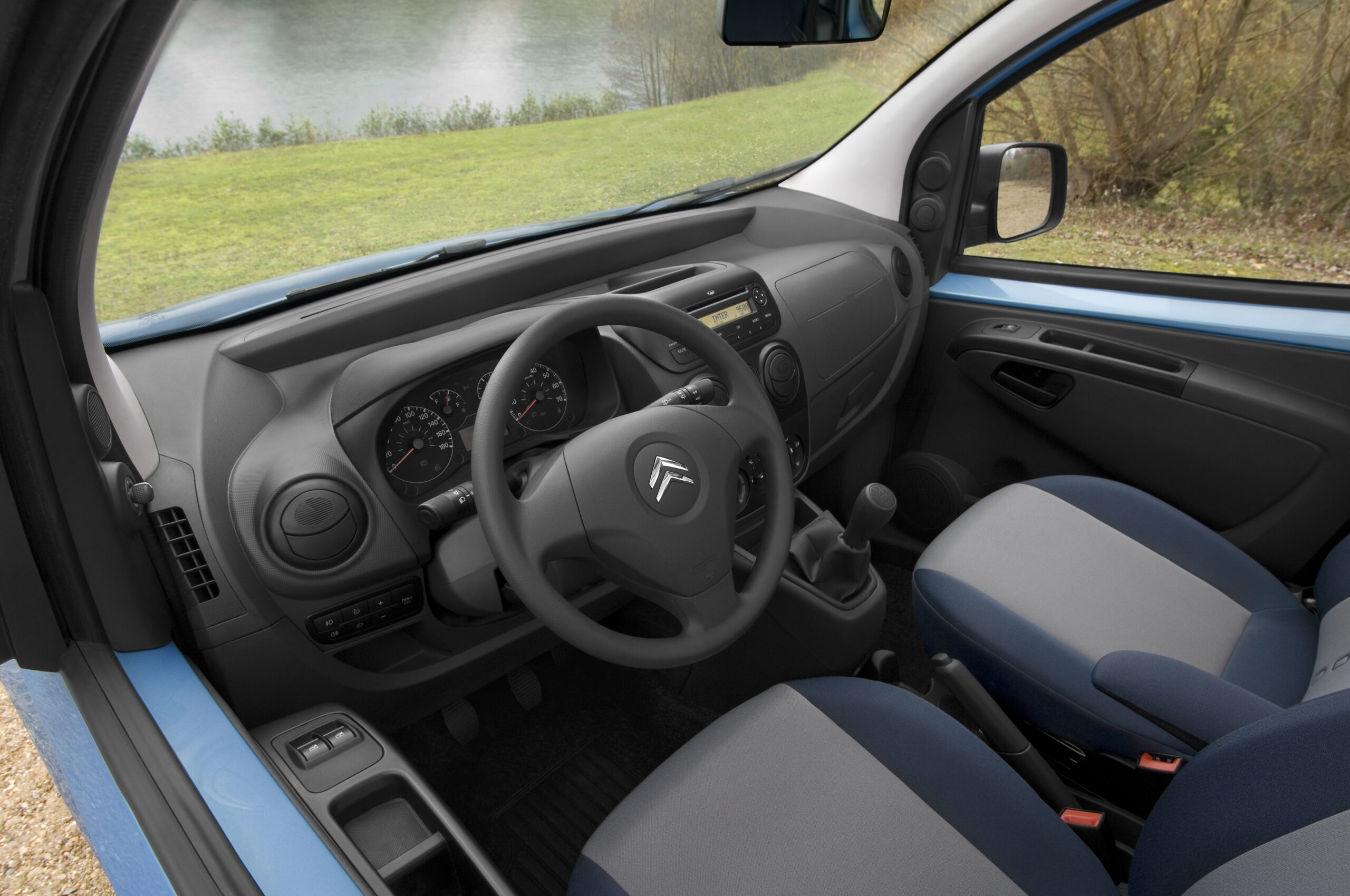
Water leaks are common, particularly via the rear light units and roof edge. Moisture penetrates into the load area or behind the trim. This leads to mould and further rust. Inside, the seat upholstery and dashboard buttons wear quickly with intensive use.
Protecting bodywork and interior
- Treat wheel arches preventively with cavity wax or an anti-rust coating
- Check the window and door seals annually and replace them if cracked
- Clean drain holes in the doors and load area to prevent water build-up
- Investigate damp patches immediately and trace the source of any leaks
Prevention and maintenance: keeping your Nemo in top condition
Regular maintenance significantly reduces the likelihood of most problems. Stick to the service intervals prescribed by Citroën and use genuine or high-quality replacement parts. For diesel engines it is important to let the engine fully warm up regularly by making longer trips.
Check fluid levels monthly, paying attention to engine oil, coolant and brake fluid. A low oil level causes turbo and engine damage. Inspect the wheels and tyres for wear and keep tyre pressures at the correct level for optimum performance and safety.
Practical maintenance schedule
- Every 15,000 kilometres or annually: minor service with oil and filter change
- Every 30,000 kilometres: major service including checks of brakes and suspension
- Every 50,000 kilometres: cleaning or replacement of the EGR valve on diesel models
- Every 100,000 kilometres: replacement of timing chain and transmission fluid
‘ Many problems are easier and cheaper to solve at an early stage than once they have got worse. ’
What to do if problems arise?
When a problem occurs, quick action is important. Do not ignore warning lights and have error codes read at a garage straight away. Many problems are easier and cheaper to solve at an early stage than once they have got worse.
Keep all maintenance records carefully. This helps when tracing recurring problems and increases the resale value. For complex faults it is wise to consult a specialist who is familiar with PSA models (Peugeot, Citroën and Fiat), as the Nemo shares its technology with these brands.
Step-by-step plan for faults
- Note the symptoms, such as noises, behaviour and the circumstances in which the problem occurs
- Check fluid levels and warning lights on the dashboard
- Have the car scanned at a garage to identify error codes
- Request a repair quote and compare prices at several garages
- Consider preventive replacement of related components to avoid new faults
In summary
The Citroën Nemo offers practical dimensions and economical engines for urban use, but it has weak spots you cannot afford to ignore. Engine issues such as EGR contamination and chain wear, transmission faults and electrical problems are all relatively common. Susceptibility to rust and water leaks mean the bodywork also requires attention.
With forward-looking maintenance and timely repairs you can prevent or limit many problems. When buying, preferably choose models built after 2012 with a full service history. Inspect the wheel arches particularly carefully. Check the timing chain thoroughly. Pay close attention to the electrics. The Nemo can be a reliable workhorse, provided you know its weak points and actively manage them.