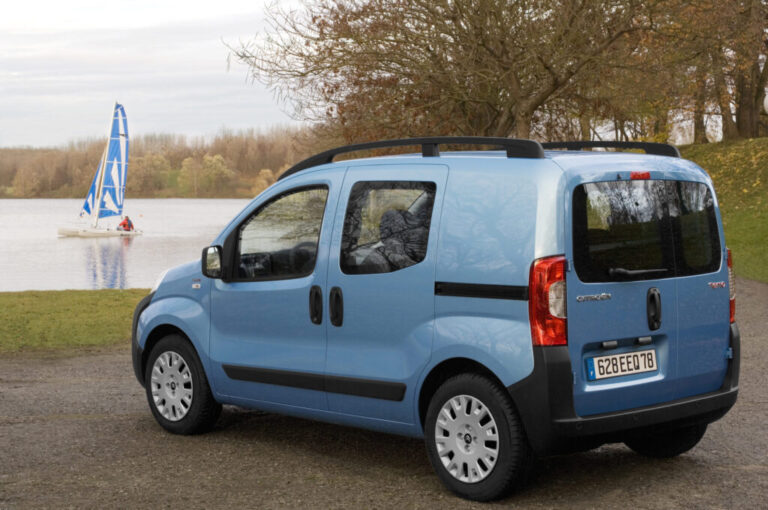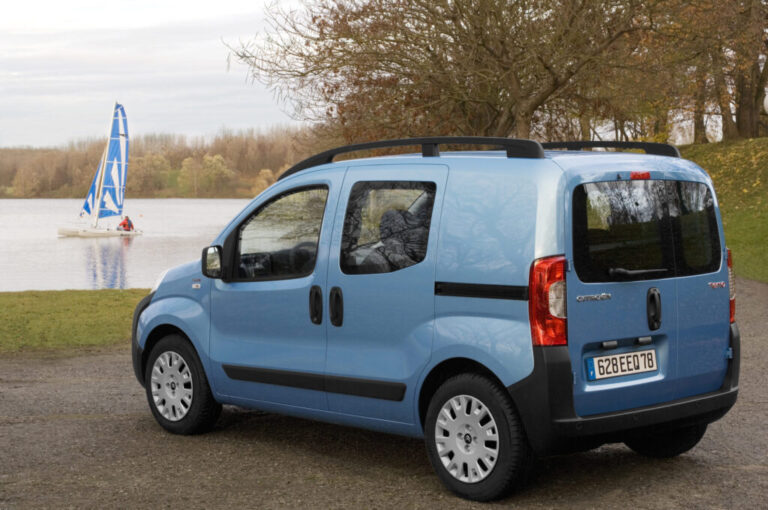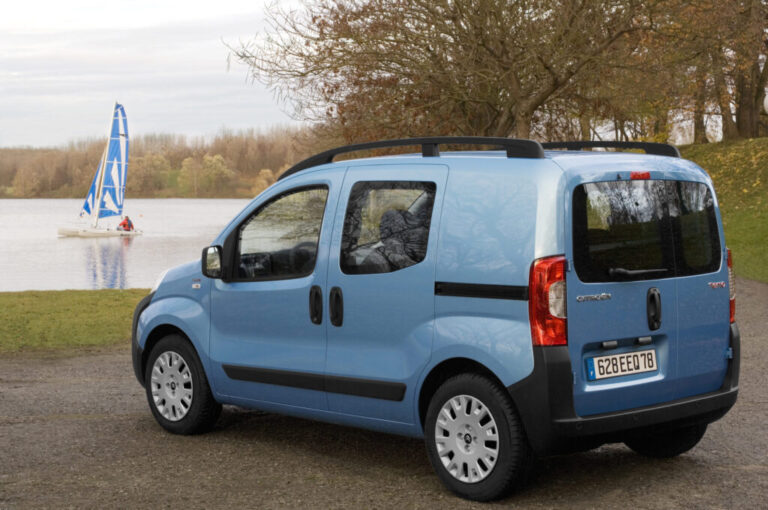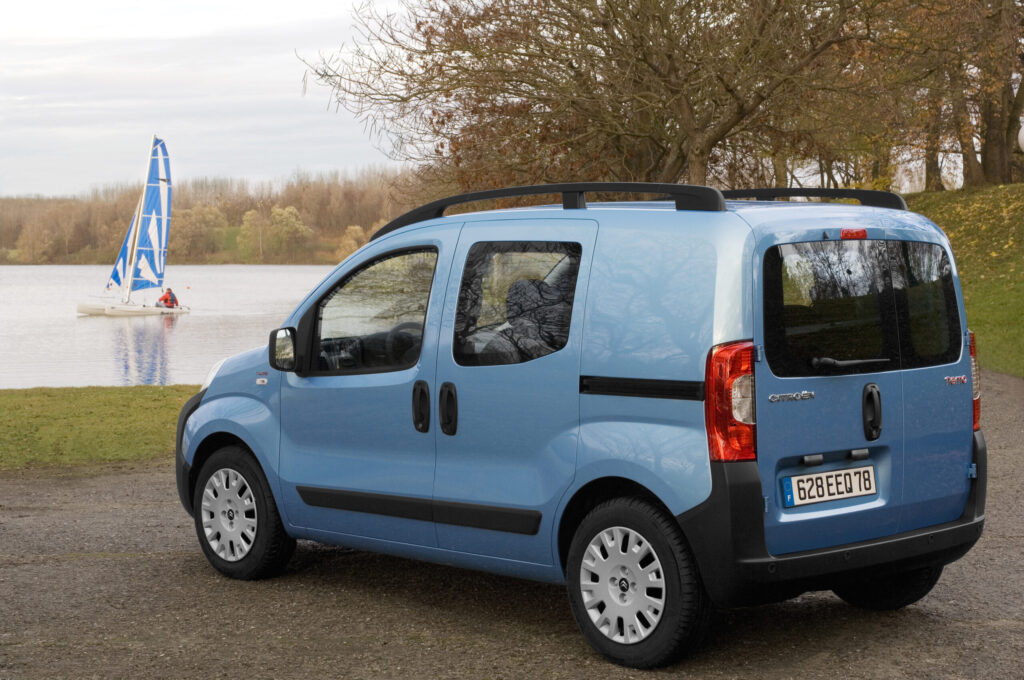
DPF blockage in the Citroën Nemo is often caused by short journeys, frequent stops and interrupted regenerations. However, a blocked filter is not always the real cause. Targeted diagnosis of soot loading, ash loading, pressure differential and engine management prevents unnecessary replacement of an expensive diesel particulate filter. Recognise the signs in time and tackle the problem before limp mode sets in.
Citroën Nemo DPF warning: how do you fix it?
A DPF warning in a Citroën Nemo calls for more than just a motorway drive. The compact van is often used for city work. Deliveries and short distances are also common. That kind of use does not suit a diesel engine with a particulate filter. The exhaust then does not stay hot for long enough to burn off the stored soot.
In a Citroën Nemo with known issues, it is wise to first establish which diesel engine is fitted. The Nemo is available as a 1.4 HDi of around 68 hp and as a 1.3 HDi of around 75 hp. Not every version has exactly the same filter, the same sensors or the same regeneration software. Always check the year of manufacture, engine code and emissions variant before ordering parts.
A diesel particulate filter is also called a DPF, short for diesel particulate filter. Citroën and Peugeot also use the name FAP on some versions. The filter traps soot particles from the exhaust. Once the engine and exhaust are hot enough, the engine management system tries to burn off the soot through regeneration.
Short journeys interrupt regeneration
A regeneration takes longer than a trip to a customer or the DIY store. If the engine is switched off in the meantime, the process may stop before enough soot has been burnt away. If this pattern repeats often, the calculated soot load rises. Eventually a warning, loss of power or limp mode follows.
Signs that may point to an active regeneration are:
- a slightly higher idle speed;
- a temporarily higher fuel consumption;
- cooling fans continuing to run after parking;
- a hot smell around the exhaust;
- an engine that briefly responds differently to accelerator input.
These symptoms do not on their own prove that the DPF is blocked. They may in fact indicate that the car is busy cleaning itself. Preferably do not switch the engine off when this can be safely avoided.
Diagnosing a DPF blockage in the Nemo 1.3 HDi
When the Nemo 1.3 HDi has a DPF blockage, reading the system with brand-specific diagnostic equipment is the right first step. A universal OBD reader often sees fault codes, but it does not always provide the values needed for a reliable assessment. Think of calculated soot mass, estimated ash mass, regeneration status and pressure difference across the filter.
According to the technical operation of a DPF system, the engine computer does not determine fill level based only on miles driven. It also uses data from the differential pressure sensor. That sensor compares the pressure before and after the particulate filter. A high pressure drop may indicate resistance in the filter, but an incorrect sensor reading can produce the same picture.
Check the pressure sensor and hoses first
The differential pressure sensor is an important point to check on the Citroën Nemo. Thin pressure hoses run from the exhaust to the sensor. Those hoses can become blocked with soot, be damaged by heat or split. Wiring and connectors also deserve checking. An inaccurate pressure reading can block regeneration or trigger it unnecessarily.
A workshop should assess the pressure difference in several situations:
- with the engine off, as a zero check;
- with the engine warm and at idle;
- at a raised engine speed;
- during a test drive, where this can be done safely.
A constant implausible reading points more towards the sensor, hose or wiring than towards a heavily clogged filter. A rising pressure value that matches engine load makes a physical restriction in the exhaust system more likely. Also have the exhaust checked for kinks or damage.
Soot is not the same as ash
Soot burns away during a successful regeneration. Ash remains in the filter structure. That ash is formed from additives in engine oil and combustion residues. That is why a Nemo with correctly working regeneration can still end up with excessive back pressure after many miles.
For certain Nemo parts, replacement intervals of roughly 130,000 to 190,000 kilometres are mentioned. That is not a fixed service life. Heavy city use, oil consumption, the wrong oil or engine problems can load the filter earlier. Measured values matter more than mileage alone.
When does a regeneration drive help the Nemo?
A regeneration drive can only help where soot loading is limited and the engine is otherwise healthy. The car must not already be in severe limp mode and there must be no faults active that prevent regeneration. Think of problems with exhaust temperature, air mass, EGR, fuel pressure or boost pressure.
For a minor warning, you can follow this approach:
- First check the oil level, coolant and fuel level.
- Warm the engine fully before joining a main road.
- Then drive for around 20 to 30 minutes as evenly as possible.
- If traffic and the law allow it, keep to around 60 to 80 km/h.
- Avoid unnecessary idling and do not switch the engine off in between.
Technical information for the 1.3 HDi mentions a drive of around 24 to 28 minutes at 65 to 80 km/h as support for regeneration. Do not see this as a repair method for every fault. If the warning remains on or the power drops sharply, a diagnostic check is needed.
Forced regeneration is not a DIY fix
A forced regeneration is started through diagnostic equipment when normal regeneration does not work. The filter must not yet be too heavily loaded. During this process, exhaust temperatures rise sharply. That is why this task belongs in a professional workshop, in a safe place and after checking fault codes and measured values.
Carrying out a forced regeneration without investigating the cause can cause damage. If an injector atomises poorly, an EGR valve sticks or a turbo hose leaks, the engine produces extra soot. The filter then becomes blocked again after the treatment. Excessive oil consumption also needs investigating first, because oil deposits can contaminate the filter.
With recurring DPF complaints, have these components assessed.
- the EGR valve and inlet system;
- injector corrections and fuel pressure;
- air mass meter and air filter;
- boost pressure, turbo hoses and intercooler pipes;
- exhaust temperature sensors;
- oil consumption and the type of oil used.
Only use the engine oil specified for the engine. Low-SAPS oil contains fewer ash-forming components and limits the ash loading of the DPF. The wrong oil type will not clear a blockage immediately, but it can shorten the filter’s service life.
‘ Never order a DPF based on the model name Citroën Nemo alone. ’
Clean or replace the DPF on a Citroën Nemo?
Professional cleaning is possible if the ceramic core of the filter is intact. Off-car cleaning can remove ash and deposits better than a product sprayed into a fitted filter. Quality varies by method. Always ask how the filter is checked for flow and damage.
Replacement is more likely if the core has melted, broken or remains structurally blocked. If the pressure drop remains too high after cleaning, a new filter is often the best choice. Never order a DPF based on the model name Citroën Nemo alone. Check engine code, year of manufacture, power output, sensor ports and emissions variant.
After cleaning or replacement, fault codes, adaptation values and the calculation of filter loading must be updated according to the correct diagnostic procedure. Then have the pressure readings checked to see whether they are plausible again. Otherwise the engine computer may still be working with old data.
Prevent DPF problems with city use
For a Nemo that does a lot of urban driving, the driving pattern is the biggest factor you can influence. A longer journey with the engine hot gives the system a chance to complete a regeneration. Do not wait months with a warning, because a light soot load can turn into an ash problem that regeneration will no longer fix.
Practical points to bear in mind are:
- if you do a lot of short trips, regularly plan a longer drive outside the city;
- keep enough fuel in the tank when regeneration may be needed;
- follow the service schedule for the oil, air filter and fuel filter;
- have recurring faults read out immediately;
- note down fault codes and diagnostic values for your next workshop visit.
A DPF blockage in a Citroën Nemo is often manageable, provided you distinguish between soot, ash, sensor problems and an engine that is producing too much soot. On Carnews you will find more information about Citroën faults, diesel technology, maintenance and related car problems. Discover more on the Carnews website.
Frequently asked questions
For the 1.4 HDi, a controlled regeneration drive is best: first warm the engine up, then drive evenly for 20–30 minutes at around 60–80 km/h, without stopping unnecessarily. Do not interrupt an active regeneration and make sure there is enough fuel. In the event of limp mode, persistent warnings or high ash loading, a diagnostic regeneration or professional cleaning is needed.
Before limp mode, you will usually notice less engine power and slower throttle response, as if the exhaust is being choked. Fuel consumption often rises and the diesel particulate filter or engine warning light comes on. Regenerations may also occur more and more often, with a higher idle speed, a strong hot smell and cooling fans that keep running after the drive. With further blockage, the engine may be difficult to start or may stall.
With intensive city use and lots of short trips, the diesel particulate filter in a Citroën Nemo generally lasts considerably less time, because regenerations are often interrupted and soot builds up more quickly. Longer journeys keep the exhaust hot enough for a full regeneration and therefore extend service life. As a rough guide, around 130,000–190,000 km is mentioned, but with heavy city use replacement or cleaning may be needed much earlier; an exact difference cannot be determined.
For this Citroën Nemo, a diagnostic forced regeneration gives the best results when the loading is mainly soot. Where there is ash, oil or stubborn deposits, removing the DPF and then using chemical soaking and thorough flushing is most effective. Cleaning without removal is generally less thorough; checking and repairing sensors, EGR, injectors and the turbo prevents rapid re-blockage.
No, completely mapping out and physically removing the diesel particulate filter is not technically responsible. It does not address the underlying cause, increases emissions and can cause faults, legal consequences and failure at inspection. First have the sensors, EGR, injectors and turbo system diagnosed, then choose regeneration, professional cleaning or replacement of the filter.