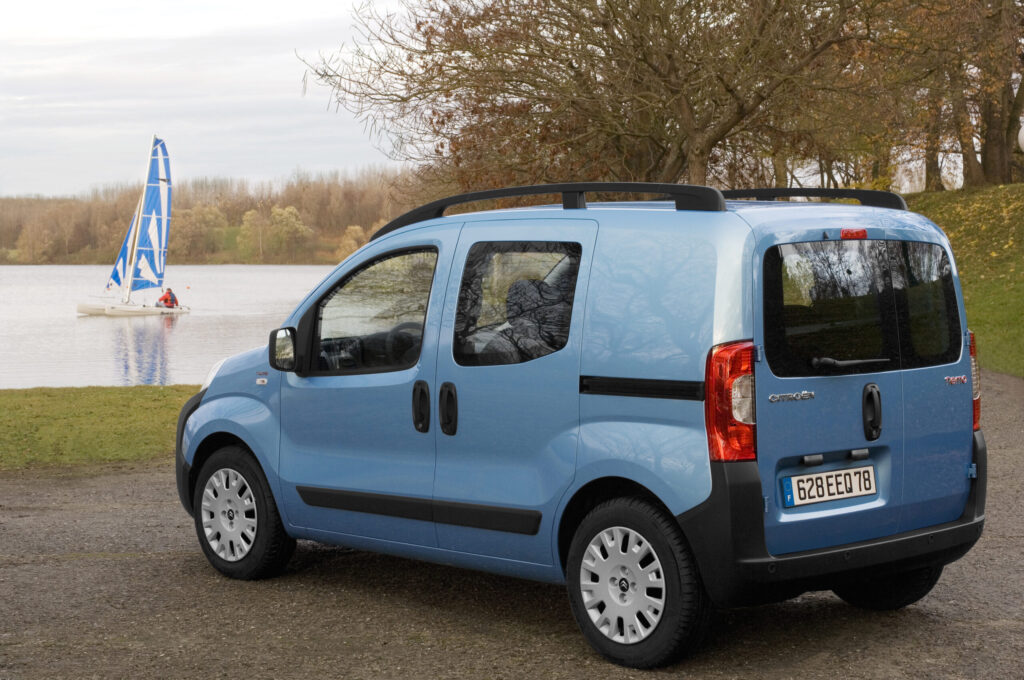
Common EGS faults in the Citroën Nemo are caused by defective or sticking clutch and gearshift actuators, contaminated hydraulic fluid, leaks or pressure loss, worn clutch components, and electrical wiring or control faults. A lost or incorrect calibration of the clutch and actuators can also disrupt the engagement and shift positions. As a result, the gearbox shifts late or jerkily, refuses to select gears or neutral, stays stuck in one gear, and the engine may stall at low speed or fail to start.
What are the technical causes of the common ‘EGS’ transmission faults in the Citroën Nemo, and how do they affect gear-changing behaviour?
Common EGS faults in the Citroën Nemo are caused by defective or sticking clutch and gearshift actuators, contaminated hydraulic fluid, leaks or pressure loss, worn clutch components, and electrical wiring or control faults. A lost or incorrect calibration of the clutch and actuators can also disrupt the engagement and shift positions. As a result, the gearbox shifts late or jerkily, refuses to select gears or neutral, stays stuck in one gear, and the engine may stall at low speed or fail to start.
Frequently asked questions
What are the technical causes of the common ‘EGS’ transmission faults in the Citroën Nemo, and how do they affect gear-changing behaviour?
Common EGS faults in the Citroën Nemo are caused by defective or sticking clutch and gearshift actuators, contaminated hydraulic fluid, leaks or pressure loss, worn clutch components, and electrical wiring or control faults. A lost or incorrect calibration of the clutch and actuators can also disrupt the engagement and shift positions. As a result, the gearbox shifts late or jerkily, refuses to select gears or neutral, stays stuck in one gear, and the engine may stall at low speed or fail to start.
Faults in the Citroën Nemo clutch are often caused by wear to the clutch plate, pressure plate or operating mechanism. This is especially true for a van that often pulls away and manoeuvres. Slipping and difficult gear changes call for different diagnoses: a leak or, with SensoDrive, an actuator can also be the cause. Also see the known issues with the Citroën Nemo. How can you tell which component needs attention?
Why does the Citroën Nemo clutch slip?
With a slipping clutch, engine power is lost before it reaches the gearbox. You will notice this especially when the revs rise while the Nemo barely accelerates. In fourth or fifth gear, this often becomes apparent sooner than during gentle city driving.
Under heavy use, the clutch wears faster. A loaded van, for example, often pulls away, reverses slowly or manoeuvres on a slope. In doing so, the clutch plate rubs against the flywheel and pressure plate for longer. The heat generated in this way speeds up wear of the friction material.
Other causes can also lead to a slipping clutch. A weak pressure plate means the disc is not clamped firmly enough. In addition, oil from a leaking crankshaft seal or gearbox seal can get onto the disc. The clutch may then slip unevenly at times, even if the friction lining is not yet completely worn. When carrying out repairs, therefore, check whether there are traces of oil in the clutch housing.
This is how you recognise clutch problems in the Nemo
Not every clutch fault starts with obvious slip. A changing pedal feel or difficulty selecting reverse may be noticed first. Pay particular attention to the combination of symptoms and the moment they occur.
These signs help narrow down the search:
- The revs rise without a corresponding increase in speed: the clutch may be slipping.
- The Nemo shudders when pulling away: have the clutch checked for wear or contamination and also have the engine mounts inspected.
- First gear or reverse is difficult to engage: the clutch may not be disengaging fully.
- The pedal suddenly feels soft or stays down: check the operating system for leaks.
- You hear a noise when pressing the pedal: have the release bearing checked.
- After pulling away, you can smell burnt material: avoid further heat build-up and have the clutch inspected.
A high bite point on its own proves very little. If the bite point becomes noticeably higher and the Nemo slips under load, wear is more likely. Also note whether the complaint only occurs with a cold or warm engine, or when heavily loaded. That makes a workshop test drive more targeted.
SensoDrive requires a different diagnosis
Some versions of the Nemo have SensoDrive, an automated manual gearbox. The car still uses a mechanical clutch, but actuators operate the clutch and gear changes. A jolt when pulling away on this version does not automatically mean that the clutch plate is worn.
With SensoDrive, look out for delayed pull-away, a gear that will not engage, getting stuck in one gear, or a fault message. Lost calibration can also disrupt the operation. Have the transmission control system and actuators read with equipment that can access this system. A basic tester that only reads engine faults may not provide a useful picture.
After work on the clutch or actuator, an adaptation procedure may be needed. This teaches the control system where the clutch bites again. If the Nemo still shudders after repair, ask whether this procedure has been carried out before any parts are replaced again.
From complaint to targeted repair
A good repair starts by distinguishing between slip, incomplete disengagement and a fault in the operating mechanism. Ask the workshop to work through the following steps:
- Describe when the problem occurs: during pull-away, in a high gear, while changing gear, or when manoeuvring.
- On manual versions, check the pedal feel, the pedal return, the fluid level and any visible leaks.
- Test for slip during a short acceleration run in a high gear. If the speed lags behind the revs, stop the test to avoid extra heat.
- When dismantled, inspect the clutch plate, pressure plate, release bearing, flywheel and any oil leaks.
- On SensoDrive, also read out the transmission control system and check the calibration after work.
If the mechanical clutch is worn, replacing the disc, pressure plate and release bearing as a set is usually the sensible option. The gearbox has to be removed for that work anyway. Leaving an old release bearing in place may mean dismantling it again later. Do ask for an itemised quote, though: the flywheel or a seal only needs replacing if the inspection gives reason to do so.

Does a ten-year-old Nemo need a new clutch?
Age alone does not determine when the clutch needs replacing. A ten-year-old Nemo that has mainly done long journeys may have less clutch wear than a younger example that is used every day for loaded city driving. Mileage, use and noticeable symptoms matter more than the date on the registration document.
When buying or maintaining one, take a test drive with both a cold and a warm drivetrain. After pulling away a few times, try first gear and reverse while stationary. Then briefly check for slip in a high gear and ask about any previous repairs to the clutch, operating system or actuator. That way, you avoid mistaking a high bite point for proof that the clutch must be replaced immediately.
Do not keep driving if the clutch is slipping heavily, the pedal stays on the floor, there is a strong burning smell or the Nemo is no longer disengaging reliably. Have the car checked safely instead of loading the clutch again. On Carnews you will find more about the Citroën Nemo and about faults such as gearbox and other component issues. Find out which other checks can help with maintenance and buying.
Frequently asked questions
What are the technical causes of the common ‘EGS’ transmission faults in the Citroën Nemo, and how do they affect gear-changing behaviour?
Common EGS faults in the Citroën Nemo are caused by defective or sticking clutch and gearshift actuators, contaminated hydraulic fluid, leaks or pressure loss, worn clutch components, and electrical wiring or control faults. A lost or incorrect calibration of the clutch and actuators can also disrupt the engagement and shift positions. As a result, the gearbox shifts late or jerkily, refuses to select gears or neutral, stays stuck in one gear, and the engine may stall at low speed or fail to start.