
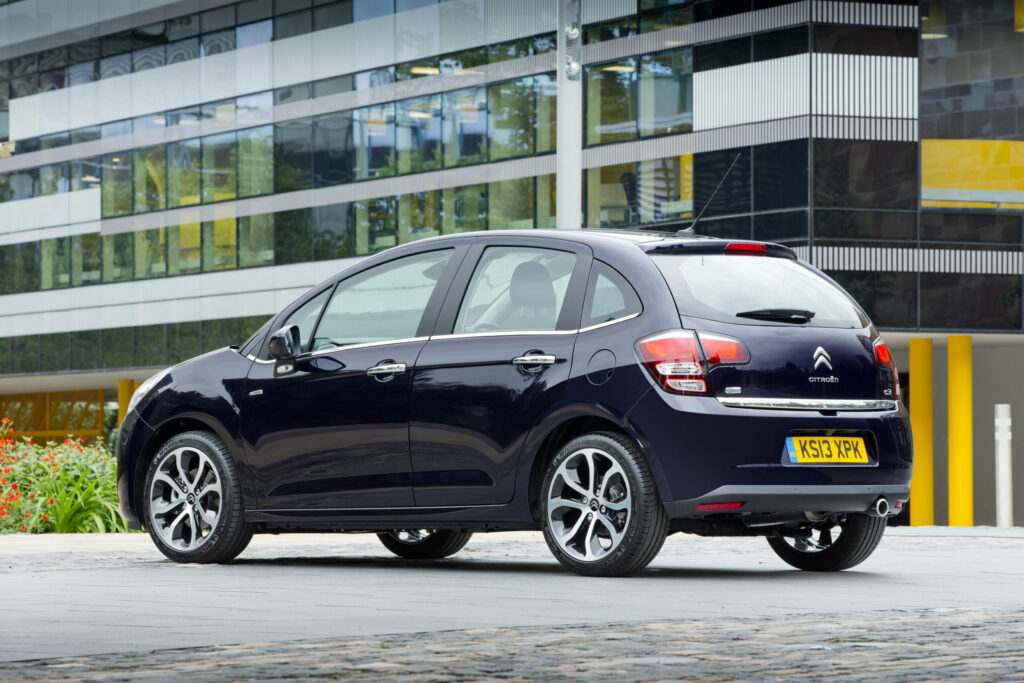
Cruise control faults in the Citroën C3 are not a coincidence but a structural problem. This problem mainly affects older generations. Buttons that do not respond, an on/off switch that suddenly refuses to work and a system that activates unreliably are familiar issues. These are common complaints among owners. The cause usually lies in corrosion, worn switches or defective wiring, but fortunately you can tackle many faults yourself with the right approach. Read on and discover how to solve these frustrating problems step by step.
Why the cruise control fails on the Citroën C3
The cruise control in the C3 depends on an interaction between several components. These are electronic sensors, switches and wiring. If one link in this chain falters, the whole system fails. This problem occurs mainly in the first generation (2000–2009) and second generation (2010–2016) and is almost always related to wear or contamination of components. Even the Citroën C3 from later years is not immune to this.
Corrosion plays a leading role in these faults. Connectors in the engine bay or near the steering wheel are exposed to moisture and dirt. This blocks the signal between components. Owners regularly report that cleaning these connectors already solves the problem. In addition, the switches wear out through intensive use. These switches are located on the brake pedal and the clutch pedal. They ensure that the cruise control switches off as soon as you brake or depress the clutch. If they are defective, the car constantly thinks you are pressing one of the two pedals.
The buttons on the steering wheel are another weak point. Behind the steering wheel is a so‑called clock spring. This component passes on electrical connections while the steering wheel turns. Over time this clock spring can break or wear out, causing the cruise control buttons to no longer transmit a signal. Finally, blown fuses or defective relays can completely shut the system down.
‘ A dashboard warning with a fault code usually points to an electrical problem. ’
Do you recognise these symptoms
Cruise control faults show themselves in various ways. The signs vary per situation. Often the buttons on the steering wheel simply no longer respond when you press them. You hear no click and the dashboard gives no confirmation. In other cases the system will not activate, even above the required minimum speed of 40 to 45 kilometres per hour. Some owners report that the cruise control works intermittently, with shaking the cables or turning the steering wheel affecting its operation.
A dashboard warning with a fault code usually points to an electrical problem. You can read this problem using an OBD2 scanner. That is a small device that reads out the car’s computer. Also check whether the cruise control switch itself still works properly. You must physically turn it to the ‘CRUISE’ or ‘ON’ position before you can activate the system with the SET button.
This is how you track down the cause
Start with the simplest checks. Only then start digging deeper. Make sure the cruise switch is in the correct position. Test the system only above 40 kilometres per hour on a straight road without a gradient. Activate the function by pressing the SET button or the plus symbol after you have reached the desired speed.
Then open the fuse box under the dashboard or in the engine bay. Inspect the fuses related to the cruise control and the instrument panel. Corrosion on the fuse holders is common and blocks the power supply. Clean contaminated contact points with contact cleaner spray.
Next, check the switches. These are located on the brake pedal and on the clutch pedal. You will find these small switches at the top of the pedals and they are relatively cheap to replace. Use a multimeter to measure whether they switch correctly between open and closed when you press the pedal. If in doubt, replacement is the safest choice.
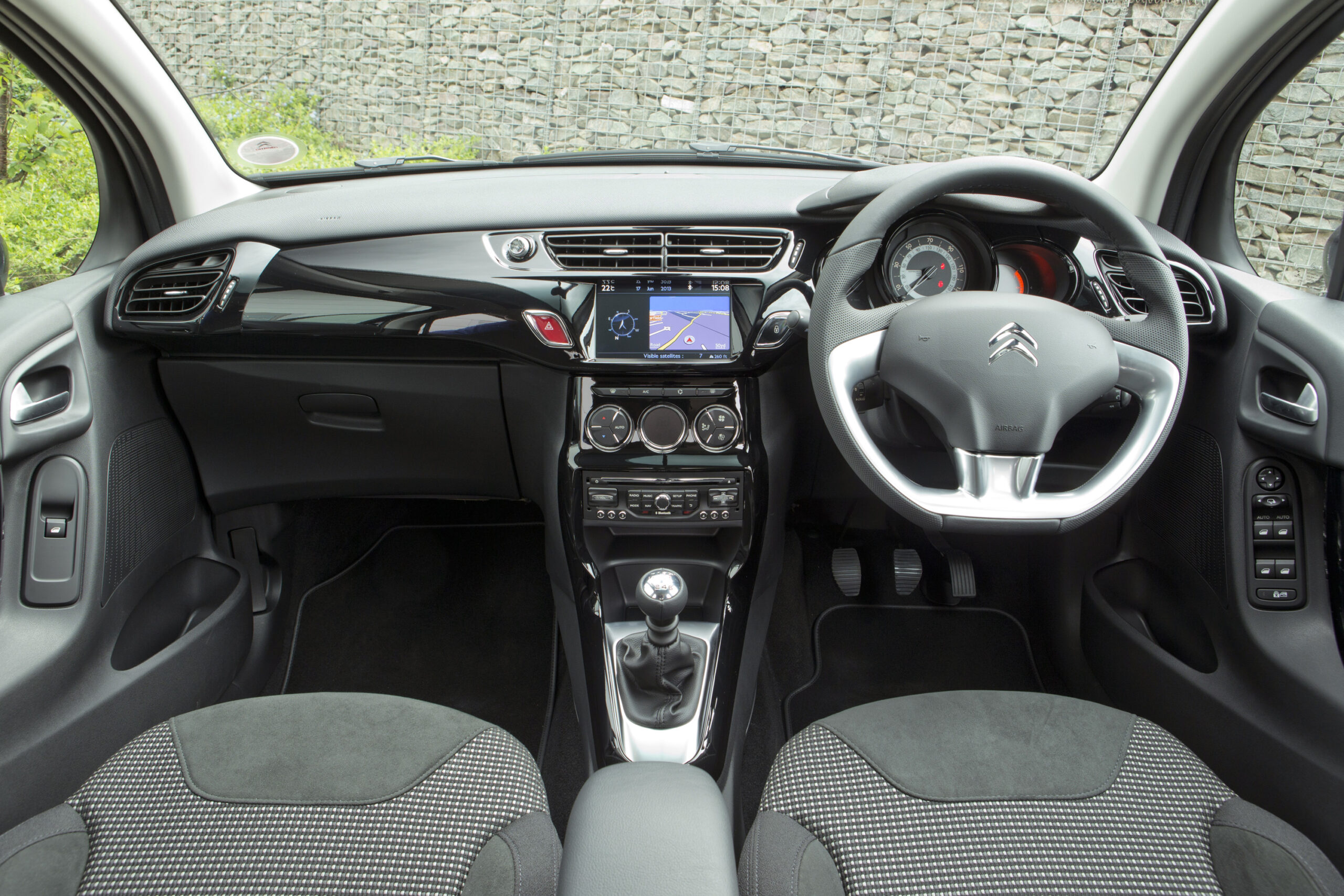
For a more in‑depth inspection, remove the airbag and steering column trim to gain access to the steering wheel buttons and the clock spring. The clock spring is a spiral‑shaped component that transmits power while steering. Make sure you safely disconnect the airbag first. Check all connectors for corrosion and clean them with an electronic contact cleaner. Also inspect the entire wiring loom towards the accelerator pedal and the ECU for cracks or damaged insulation. The ECU is the engine control unit, the electronic brain of the car.
An OBD2 scanner helps you read any fault codes that specifically point to the cruise control. If the scanner does not show any codes, the problem probably lies with the hardware rather than the software.
Practical solutions owners are using
Cleaning corroded connectors solves many problems. According to estimates this accounts for about half of all cruise control problems, as reported by several C3 owners. Their systems were fully restored after cleaning the wiring in the engine bay. This does not require technical knowledge, only patience and the right cleaning agent.
Replacing parts is sometimes unavoidable. The pedal switches cost between 10 and 20 euros and can be replaced yourself with some basic tools. YouTube tutorials show the procedure step by step: how to remove the old switch and then install a new one. The cruise control stalk costs between 50 and 100 euros. This is the part with the buttons on the steering column. This repair is also DIY‑friendly if you are able to dismantle the steering column.
It is best to have the clock spring replaced by a professional. This component is located close to the airbag. A wrong move can trigger the airbag unintentionally or permanently damage the system.
Dealers often refer to MMC faults without offering concrete solutions. Independent garages with specific Citroën diagnostic equipment are often more effective and cheaper. Expect costs between 100 and 300 euros for diagnosis and repair, depending on the underlying cause.
‘ Cleaning connectors, replacing pedal switches and checking fuses do not require expensive tools or specialist knowledge. ’
DIY repair or go to the garage
You can fix many cruise control faults yourself if you have basic knowledge of automotive electrics and are prepared to inspect the wiring. Cleaning connectors, replacing pedal switches and checking fuses do not require expensive tools or specialist knowledge. There are plenty of detailed guides and videos online that focus specifically on the C3.
There are, however, limits to what you can safely do at home. Working around the airbag and clock spring involves risks and is not advisable without experience. In‑depth diagnostics with professional scan equipment also remains the domain of garages. If cleaning and simple replacements do not deliver results, a visit to a specialist is necessary for an ECU reset or a thorough electrical check.
Prevent future problems
Regular maintenance prevents many cruise control faults. During the annual MOT or service, check the condition of the pedal switches. These wear gradually and often show signs of deterioration before they fail completely.
Avoid DIY radio upgrades unless you work with a proper wiring diagram – a technical drawing that shows all electrical connections. If you do work on the wiring yourself, document every step and use original connectors.
Related models with the same problems
The technology behind the cruise control in the C3 is identical to that in the Citroën C2 and some Peugeot models. These cars share the same technical platform and suffer from the same vulnerability to corrosion and defective switches. Owners of these models can use the same diagnostic and repair tips.
Older systems work with analogue resistance switches. These are more susceptible to wear than more modern digital variants. This explains why the first and second‑generation C3 in particular experience faults more often than more recent models.
‘ From electrical faults to mechanical issues, there is much more to discover about the Citroën C3 and how to keep it reliable. ’
Discover more about the Citroën C3
Cruise control faults are just one of the issues C3 owners may encounter. On the Carnews website you will find extensive information about your model. You can read about common problems and maintenance tips, as well as practical advice. From electrical faults to mechanical issues, there is much more to discover about the Citroën C3 and how to keep it reliable. Dive deeper into the knowledge and get the most out of your car.
Frequently asked questions
The most common causes are worn or contaminated brake and clutch pedal switches, which make the system think you are constantly braking or disengaging the clutch. Oxidised or loose connectors and wiring (especially around the steering wheel and engine bay) are also very common. In addition, defective steering wheel controls/clock spring and blown fuses or relays regularly cause problems. In some cases the cause lies in faults in the engine ECU or incorrect installation of accessories such as a non‑original radio.
Start with basic checks: make sure the cruise control is set to “CRUISE/ON”, drive at least 40–45 km/h on a straight road and then try pressing “SET/+” to see whether the system responds. Next, check the relevant fuses in the fuse box for blown fuses or corrosion, and clean them if necessary with contact cleaner spray. Inspect the brake and (if fitted) clutch pedal switches to see whether they move freely mechanically and, using a multimeter, whether they switch cleanly between open and closed. Finally, use an OBD2 scanner to read fault codes; if there are no software errors, focus on cleaning and checking the connectors and wiring around the steering wheel buttons, clock spring and pedals.
The average cost of having a cruise control fault repaired on a Citroën C3 is usually between €100 and €300 at a garage, depending on the diagnostic work and labour time. Simple problems such as cleaning or replacing pedal switches or connectors are usually at the lower end of this range. More complex faults, for example involving the clock spring or extensive wiring/ECU diagnostics, can approach the upper limit. DIY solutions (cleaning connectors, replacing a simple switch) can significantly reduce the cost.
On the Citroën C3, cruise control faults are relatively common, mainly due to worn brake or clutch switches, dirty or oxidised connectors and problems with the steering wheel controls or the clock spring behind the steering wheel. Complaints include a system that will not switch on (often below 40–45 km/h), non‑responsive buttons or warning messages on the dashboard. Prevention is mainly about periodically checking and cleaning the pedal switches and connectors, and being careful with modifications to the wiring/radio. For persistent or recurring faults, reading out the system with a (Citroën‑specific) OBD scanner and, if necessary, replacing the relevant switch, steering wheel controls or clock spring is the recommended approach.