
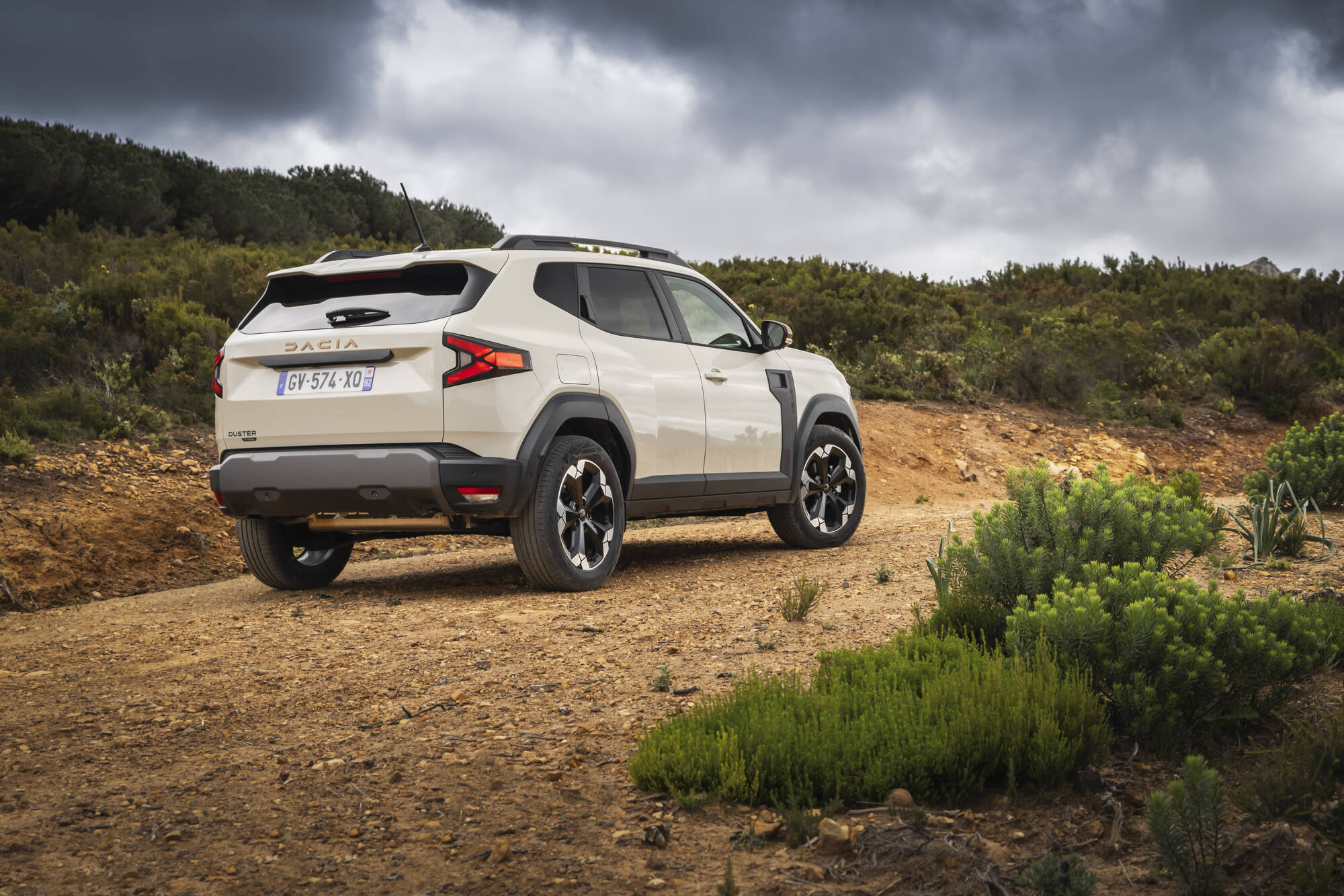
The 1.2 TCe engine in the Dacia Duster is known for its high oil consumption. If it is not checked often enough this can lead to mechanical damage, a juddering clutch pedal and even engine hesitation. These problems are reported regularly by owners, especially at higher mileages. Do you want to know what to expect and how to prevent these issues?
Why does the 1.2 TCe engine use so much oil
Owners of the Dacia Duster with the 1.2 TCe engine often report increased oil consumption. Their car uses considerable amounts of engine oil between services. This phenomenon occurs mainly in models that are already a few years old. The increased oil consumption is caused by wear on the piston rings and valves.
When these components no longer seal properly, a problem arises. Engine oil then seeps into the combustion chamber. There, the oil burns along with the fuel, something you can often recognise by blue-grey smoke from the exhaust. This is not only bad for emissions, but can also lead to contamination of the catalytic converter and particulate filter. The catalytic converter cleans the exhaust gases, but becomes blocked by burnt oil. The particulate filter traps soot particles and suffers from the same problem.
Many owners only notice the oil consumption too late. At first, the engine gives few warnings. Only when the oil level becomes dangerously low does the warning light come on. By then, the damage has sometimes already been done.
What are the consequences of a low oil level
The oil level remains too low for too long. Moving parts in the engine then receive insufficient lubrication. This leads to increased friction and heat build-up. Damage to crankshaft, conrods and bearings can be the result. This happens especially when the engine continues running with too little oil for a long time.
Engine seizure is the most extreme consequence. This is caused by a lack of lubrication. The engine then locks up completely. Fortunately, this does not happen every day, but the risk increases at higher mileages and when the oil consumption is not monitored.
Other problems associated with insufficient lubrication are:
- Increased wear of the turbocharger, which operates at high temperatures and constantly needs cooled and lubricated oil
- Contamination of the oil pump by combustion residues that enter the sump via the pistons
- Clogging of the oil filter, which further worsens lubrication
- Damage to the timing chain due to insufficient oil pressure in the chain tensioner

Problems with clutch and pedal feel
In addition to the high oil consumption, owners regularly report complaints about the clutch pedal. The pedal then feels jerky when pressing or releasing it. Sometimes the pedal vibrates or offers resistance at unexpected moments.
A worn clutch kit can cause these problems. A defective release bearing is also a possible cause. The release bearing is a component that ensures smooth movement of the clutch plate. It connects the clutch pedal to the clutch plate. When this bearing wears or runs dry due to a lack of grease, jolts and vibrations develop.
Another related problem is the hydraulic clutch cylinder. This component ensures that the pressure of your foot on the pedal is transferred to the clutch. The cylinder starts to leak. Air can also enter the system. The pedal feel then becomes spongy. The clutch no longer works properly. You particularly notice this when changing gear, when the gears engage stiffly or with grinding noises.
How to prevent engine damage in the 1.2 TCe
Check the oil level at least once a month, or more often if you make many short journeys or mainly drive in town. Under these driving conditions, the engine uses more oil.
Top up immediately when the oil level drops below the minimum. Always use the oil specification prescribed by Dacia. The wrong oil can worsen the problem due to different viscosity or incorrect additives.
Do you notice increased oil consumption? Then have the oil changed more frequently than the standard intervals prescribe. Fresh oil has better lubricating properties and collects less contamination. This slows down further wear on engine components.
With consistently high oil consumption, an engine inspection is sensible. Have this carried out by a specialist. A specialist can use a compression test or leak-down test to determine whether the piston rings or valves need to be replaced. This prevents you from ending up at the roadside with engine damage.
‘ A completely worn clutch can damage other components, such as the flywheel. ’
When should you replace the clutch
A juddering or vibrating clutch pedal is often a sign of wear. The clutch kit is then due for replacement. With the 1.2 TCe engine, this typically happens between 100,000 and 150,000 kilometres, depending on driving style and use.
Do not keep driving with the clutch for too long once the problems start. A completely worn clutch can damage other components, such as the flywheel. Replacing the flywheel costs considerably more than just a new clutch kit.
Are you having the clutch replaced? Then also replace the release bearing and the hydraulic cylinder straight away. These components often have a similar service life. By replacing them all at once, you avoid having to pay labour costs again shortly afterwards.

Reliability when buying a used model
Are you looking to buy a used Dacia Duster with the 1.2 TCe engine? Then be careful. Always ask for the service history and check whether oil has been topped up regularly between services. This gives insight into the oil consumption.
During the test drive, test the clutch pedal thoroughly. Watch out for jolts, vibrations or irregular pedal feel. Shift through all gears and listen for grinding noises or stiff gear changes. This points to clutch problems.
During the inspection, check the exhaust for blue smoke, especially when accelerating or lifting off. This indicates oil burning. Also look under the car for oil leaks at the engine or gearbox.
Check the mileage. Compare it with the service history. A car with a high mileage and no documentation of oil top-ups or clutch replacement has a higher risk of problems. Models that have mainly been used for short journeys often suffer more from increased oil consumption than cars that regularly cover longer distances.
What are the costs of engine problems
A simple replacement of valve stem seals costs a few hundred euros. With more serious wear to the piston rings, the engine has to be opened up. This quickly costs thousands of euros in labour and parts.
Replacing a complete clutch kit including labour costs between 600 and 900 euros, depending on the garage and region. If the flywheel also needs replacing, the costs rise to 1200 euros or more.
In the case of engine seizure due to lack of oil, a complete engine overhaul or replacement is often required. This can run to several thousand euros. In some cases, the car is an economic total loss, especially with older models that have limited residual value.
Preventive maintenance prevents high repair costs. Regular oil checks are therefore essential. Topping up a few litres of oil costs a few tens of euros. Repairing engine damage can cost a thousand times more.
‘ A gradual increase is often an early warning sign that maintenance is needed. ’
Practical tips for owners
Keep a logbook of oil top-ups. Each time, note the date, mileage and the amount of oil added. This gives you insight into how the oil consumption is developing. A gradual increase is often an early warning sign that maintenance is needed.
Regularly warm the engine up properly on longer journeys. Short trips where the engine does not reach operating temperature increase oil consumption. Therefore, plan a longer drive from time to time to let the engine warm through properly.
Avoid high revs and aggressive acceleration. This increases the load on pistons and valves and speeds up wear. Pay particular attention to this when the engine is still cold. First let the engine warm up gently before using full throttle.
On the Carnews website you can find more technical background information about car problems with different makes and models. You can read about common faults, maintenance schedules and cost overviews for repairs. This way you can better estimate what you can expect from your car.
Frequently asked questions
Regular maintenance according to the service schedule (including timely replacement of engine oil and filters) significantly reduces the risk of engine problems. Check the oil level regularly and top up in good time to prevent oil starvation and wear. Allow the engine to warm up gently and avoid high revs or heavy loads immediately after starting. Respond immediately to warning lights, unusual noises or loss of power by having a diagnosis carried out as soon as possible.