
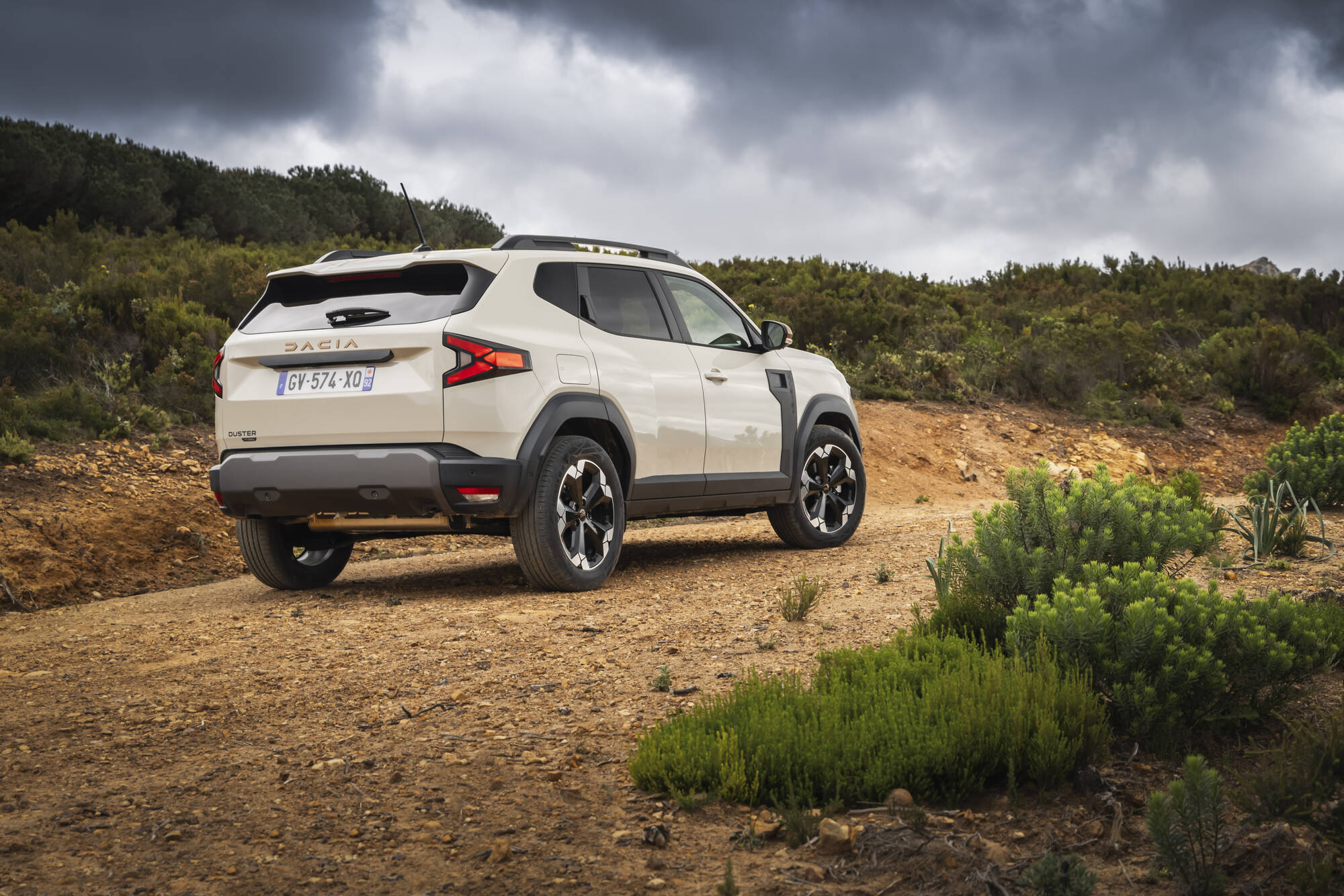
The engine warning light on the Dacia Duster regularly comes on due to sensor faults such as a defective knock sensor or overheating, which causes emission problems and in some cases black smoke. This warning light points to faults in the fuel injection system or serious engine problems that you should not ignore. Do you want to know exactly why this light comes on and what you can do about it?
Why does the engine warning light come on in the Dacia Duster
The engine management light is a warning that something is wrong in the engine management system. In the Dacia Duster this problem occurs relatively often. The light can be orange or red, with red indicating immediate danger and orange indicating that you can continue driving to a limited extent.
The most common causes in the Duster are sensor faults. A defective lambda sensor no longer measures the oxygen in the exhaust gases correctly, so the engine management receives incorrect information about the fuel mixture. This leads to loss of power and irregular idling. A failed knock sensor also causes error messages, as does a coolant temperature sensor that is not functioning properly.
In addition, the fuel and air supply system plays an important role. A fuel cap that is not properly tightened disrupts the vacuum in the fuel system. A defective mass air flow sensor can pass on incorrect readings to the engine, while worn spark plugs cause misfiring.
Electrical problems are no exception either. Loose battery terminals or a discharged battery can trigger the light. Problems with the alternator or damaged wiring around sensors also generate error messages. In some cases, the light indicates low engine oil pressure, especially when cornering or braking hard. A defective catalytic converter or outdated engine software can also be the cause.
‘ Clearing error codes offers temporary relief, but the problems return. ’
Recognisable symptoms reported by owners
Owners of the Dacia Duster report recognisable patterns when the engine warning light is on. The engine does not start immediately, or only after a few minutes. In many cases, the engine initially runs on two cylinders before the other cylinders kick in. This causes an irregular running pattern and vibrations.
Loss of power is a common complaint. The car accelerates less well and the engine can suddenly cut out while driving. The idle speed fluctuates or the engine struggles to maintain operating temperature. Some users notice that the light becomes dimmer when accelerating, but does not go out completely.
In some Dusters several warnings appear on the dashboard at the same time, such as overheating warnings or brake system messages. In those cases the on-board computer often shows a full error log. Clearing error codes provides temporary relief, but the problems return. Owners report that this pattern can repeat itself two to three times a month.
What to do when the engine warning light comes on
If the engine warning light is red and flashing you must stop immediately and switch off the engine. This indicates an acute risk of severe engine damage. Call roadside assistance and do not attempt to start the car again. An orange light gives you more leeway, but still requires prompt action.
First check the most common causes yourself. Tighten the fuel cap properly until you hear a click. In many cases a loose fuel cap already solves the problem. Check the engine oil level with the dipstick and top up if necessary. Also check the battery terminals and clean the connections if there is visible corrosion.
For the Duster there is a specific starting procedure that sometimes helps. First insert the key into the door lock to synchronise the key and the car. After turning on the ignition, wait until all the lights on the dashboard have come on before starting. If the steering column is locked, do not try to bump-start the car, as this can cause additional damage.
Have the error codes read with an OBD diagnostic tool. Many dealers offer this free of charge, or you can buy your own scanner. The error codes provide concrete clues as to which sensor or component is causing problems. If the same code reappears after clearing, this points to a real defect in the sensor or the wiring.
Specific approach for each cause
In the case of sensor faults you can start by cleaning the connectors. Dirt or corrosion on the connections disrupts the signal. If the error code keeps coming back, the sensor needs to be replaced. The lambda sensor and knock sensor are relatively often the culprits in the Duster.
You can recognise problems with the mass air flow sensor by fluctuating revs and jerky acceleration. Cleaning with a special spray sometimes helps, but a defective sensor must be replaced. Check the spark plugs for wear and replace them according to the manufacturer’s maintenance schedule.
Electrical problems start with the battery. Test the voltage and capacity. A battery below 12 volts causes malfunctions. Check the alternator for correct charging output. Inspect the wiring around sensors for wear, breaks or damaged insulation.
You can resolve low oil pressure by topping up the oil level and changing the oil regularly. If the pressure remains too low, the oil pump may be defective. With catalytic converter problems you need to go to a garage, as replacement requires specialist work. Outdated engine software can be updated at the dealer, especially on 1.6 16V models, which are known for starting problems.
‘ Note: resetting without fixing the underlying fault is pointless, the light will come back on. ’
Resetting the Dacia Duster engine warning light: step-by-step guide
After fixing the cause you can try to reset the light. Note: resetting without resolving the underlying fault is pointless, the light will come back on. This method only works if you have actually solved the problem.
The first method is a manual reset via the battery. Switch off the engine and open the bonnet. Disconnect the negative terminal of the battery and wait five minutes. Reconnect the cable and start the engine. The engine management system will reset itself and the light should go out if there is no active fault.
Using an OBD scanner you can reset more precisely. Connect the device to the OBD port under the dashboard. First read the error codes and make a note of them. Use the reset function in the menu to clear the codes. Start the engine and check whether the light stays off. Take a short test drive to see whether the warning returns.
Some Duster models have a built-in reset procedure via the dashboard. Switch on the ignition without starting the engine. Fully press the accelerator pedal three times within five seconds. Switch off the ignition and wait ten seconds. Start the engine. This method does not work on all versions, but is worth a try.
If the light stays on after resetting, the fault has not been resolved or there is a deeper underlying issue. In that case professional diagnosis is necessary. Dealers have advanced scanning systems that detect hidden faults.

Prevention and maintenance
Regular maintenance prevents many engine warning light problems. Stick to Dacia’s service schedule for oil changes and filter replacements. Replace spark plugs at the recommended intervals, usually between 30,000 and 60,000 kilometres.
Have the engine software updated during services. Dacia regularly releases improved software versions – new versions of the engine management software – that tackle known problems with the injection system. Also periodically check the wiring for wear, especially around moving engine parts.
Pay attention to fuel quality. Fill up at reliable stations and use the recommended octane rating. Do not use additives unless the manufacturer advises this. Keep the cooling system topped up and replace coolant according to the schedule. Overheating damages sensors.
At the first signs of irregular engine behaviour you should take action. Waiting makes repairs more expensive and increases the risk of consequential damage. Replacing a sensor costs a few tens to a few hundred euros, a new engine runs into the thousands.
Discover more about the Dacia Duster
The engine warning light is just one aspect of car ownership. On the Carnews website you will find extensive information about many more problems, maintenance tips and experiences with different car models. Whether you are unsure about a purchase, want to solve a fault or simply want to learn more about automotive technology, you will find an answer to almost every question. Discover what other Duster owners experience and how to get the best out of your car.
Frequently asked questions
The most common causes are defective or dirty sensors (such as the lambda sensor, mass air flow sensor, coolant temperature sensor or knock sensor) and problems in the fuel and air system, such as a fuel cap that is not properly tightened or poorly functioning spark plugs. In addition, electrical problems occur, such as loose or oxidised battery terminals, a weak battery, alternator issues or damaged wiring around sensors. A failing catalytic converter, low engine oil pressure or a required software update of the injection system can also cause the light to come on. With a red (flashing) light there is often an immediate risk of engine damage.
With a constantly illuminated orange engine warning light you can usually continue driving for a short distance, but only calmly and directly to a garage to have the fault read. If the light is red or starts flashing, or you notice loss of power, strange noises, smoke or a strong smell of petrol/oil, you must stop immediately in a safe place and switch off the engine. Also stop straight away if other warning lights come on in addition to the engine light (for example oil pressure or coolant temperature). In all cases have the car read out as soon as possible to prevent severe engine damage.
First check whether the fuel cap is properly tightened, and check the oil level and battery terminals (clean the terminals if necessary and top up the oil if required). Observe whether the engine runs irregularly, loses power or is difficult to start, and note when this happens (cold/warm, when accelerating, etc.). If possible, use a simple OBD scanner to read the error codes and write down the codes or take a photo of them. With a constant orange light, drive gently to the garage and avoid high revs and heavy loads; stop immediately if the light is red (flashing).
The average repair costs for the most common causes of an engine warning light in a Dacia Duster are roughly between €100 and €500. Simple problems such as a poorly sealing fuel cap or cleaning sensor connectors often cost under €100. Replacing sensors (such as the lambda sensor, mass air flow sensor or coolant temperature sensor) is usually between €150 and €350, depending on the part and labour. More serious problems such as catalytic converter faults or extensive electrical issues can rise to €400–€800 or more.
Prevent problems with the engine warning light by strictly following the maintenance schedule, including timely replacement of spark plugs, air filter and engine oil. During every service have the sensors (such as the lambda sensor and mass air flow sensor), wiring and plug connections checked and cleaned if necessary. Regularly check the oil level yourself, the battery terminals and whether the fuel cap is properly tightened. When updates or recalls are available, have the engine software updated at the dealer to avoid error messages caused by outdated software.