
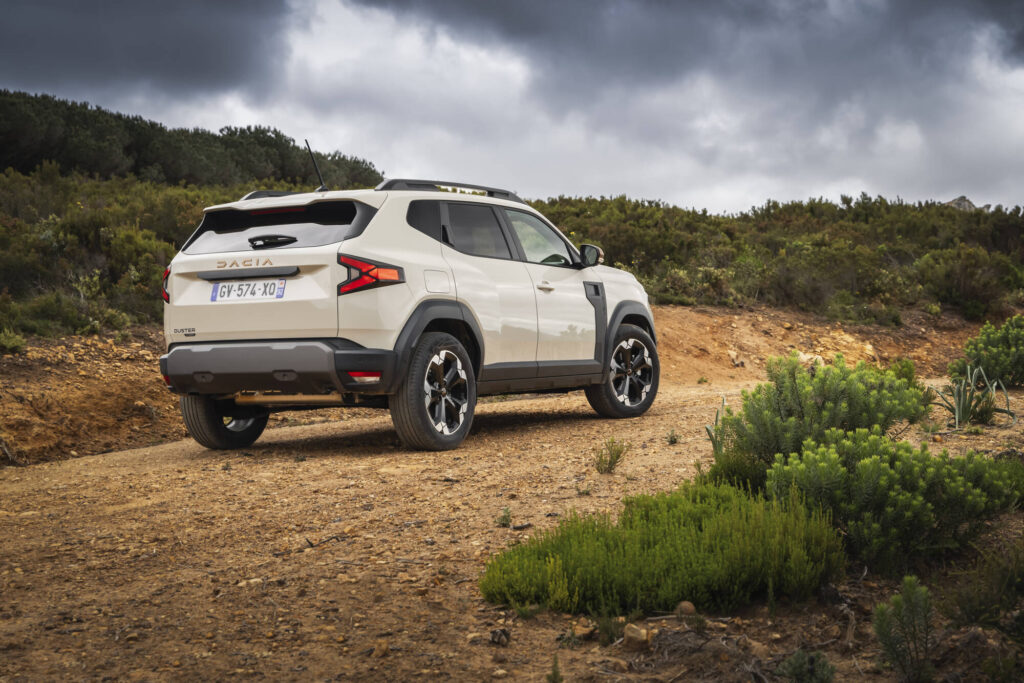
The Dacia Duster with LPG installation offers attractive fuel savings, but older and converted models sometimes suffer from leaks and system failures. Factory LPG is safer and more reliable than aftermarket conversions, thanks to integrated safety valves and full warranty cover. Read on to discover what to look out for with LPG issues and how to keep your Duster economical and safe.
Why choose factory LPG in the Dacia Duster?
The Dacia Duster with factory LPG, also known as ECO-G, combines a petrol tank with an LPG tank in the spare wheel well. This bi-fuel set-up provides a range of over 1,300 kilometres. You switch smoothly to petrol as soon as the LPG tank is empty, without losing any boot space. That makes the Duster a practical choice for long journeys.
The factory installation complies with the R67-01 standard and includes several safety features. Think of a non-return valve, 80% fill limiter, flow limiter, solenoid valve and pressure relief valve. The tanks are six times stronger than older generations, which reduces the risk of damage. In addition, factory LPG has a positive effect on the engine. The cleaner combustion process preserves the oil properties for longer and reduces vibrations thanks to the high octane rating.
Another advantage is access to multi-storey car parks. Thanks to the pressure relief valve, no restrictions apply. Refuelling convenience also plays a role: one in four European filling stations offers LPG. With an app you can easily find the nearest location.
‘ Leaks pose a more serious risk. ’
LPG problems Dacia Duster tank leakage
Despite the advantages, owners regularly report problems with the LPG system. Sudden failure is a frequently heard complaint. The system then no longer switches over to LPG and the car runs on petrol only. Often the cause lies in a defective fuse or a ‘sleeping’ installation that does not activate correctly.
In more recent Duster models, such as the 2023 version, warning lights appear due to incorrectly adjusted sensors in gas mode. The higher temperatures in LPG mode lead to fault messages. Renault Group offers a free calibration at the dealer to solve this problem.
Leaks pose a more serious risk. Users of older or converted systems report gas leaks, whereas factory versions have robust valves to prevent this. Always check for a smell of gas around the tank or a drop in pressure in the system. If in doubt, you must stop driving immediately and call in a specialist.
In hot climates, for example during holidays in Italy, the system can fail due to overheating. Some owners also lose road tax discounts on the LPG surcharge for bi-fuel models. On forums, users complain about changeover problems while travelling, although a simple reset via the switch often helps temporarily.
Benefits of a second-hand Dacia Duster on LPG
A second-hand Dacia Duster with LPG can be a cost-effective choice, provided you carry out the right checks. Factory LPG is preferable to aftermarket conversions. With factory installations the full warranty applies to both the car and the LPG system, which gives peace of mind in the event of any problems.
The fuel saving is substantial. LPG costs on average 40% less than petrol, which really adds up if you drive high mileages. For business drivers and commuters who cover long distances every day, this provides a significant benefit. The dual tanks also make the Duster suitable for trips where LPG stations are scarce.
When buying second-hand, pay attention to the following points:
- Check whether it is a factory LPG installation, recognisable by the ECO-G designation
- Ask for the service booklet and check whether the LPG installation has been inspected regularly
- Test the changeover system during a test drive and watch out for warning lights
- Smell around the tank and filling point to see if any gas odour is noticeable
- Ask about any past issues with failures or leaks
Aftermarket conversions are cheaper to purchase, but come with more risks. The installation is not covered by the factory warranty and the quality varies greatly depending on the installer. With older conversions, the risk of leaks and malfunctions is greater.
Dacia Duster on LPG: reliable and economical?
The reliability of a Dacia Duster on LPG depends on the type of installation and the maintenance. Factory LPG scores well on safety and durability. The engine always starts on petrol, which is ideal for cold starts and protects the system. After warming up, the car automatically switches over to LPG.
Its economical character is maintained. A Duster on LPG uses slightly more than on petrol because of the lower energy density of gas, but the lower price per litre more than compensates for this. On average you drive 30% to 40% more cheaply with LPG, depending on current fuel prices.
The engine benefits from the cleaner combustion process. The octane rating of LPG is higher than that of petrol, which reduces vibrations and slows down wear on internal components. The oil stays clean for longer, which means that in favourable conditions the replacement interval can be slightly longer.
Practical tips for Dacia Duster LPG owners
To prevent problems and extend the life of your LPG installation, follow these practical tips. Check the tank pressure monthly for leaks. Never fill more than 80% of the tank, because LPG expands when warm. Refuel at reliable stations to avoid contamination of the system.
In the event of malfunctions, you can take the following steps:
- Check the fuse of the LPG system with a fuse puller or needle-nose pliers
- Reset the system by holding the switch down for a few seconds
- Start the engine on petrol and let it warm up before switching to LPG
- If fault messages persist, make an appointment at a Dacia dealer for free calibration
The warranty also applies abroad via the ANWB or a local dealer. Plan routes with LPG apps so you always know where the nearest filling location is. If you are unsure about the availability of LPG stations, you can temporarily drive on petrol without any problems.
If leaks persist, you must stop driving immediately and have a professional carry out a check. Gas leaks pose a safety risk and must never be ignored. A smell of gas around the tank or a rapid pressure drop are warning signs.
Conversion versus factory LPG on the Duster
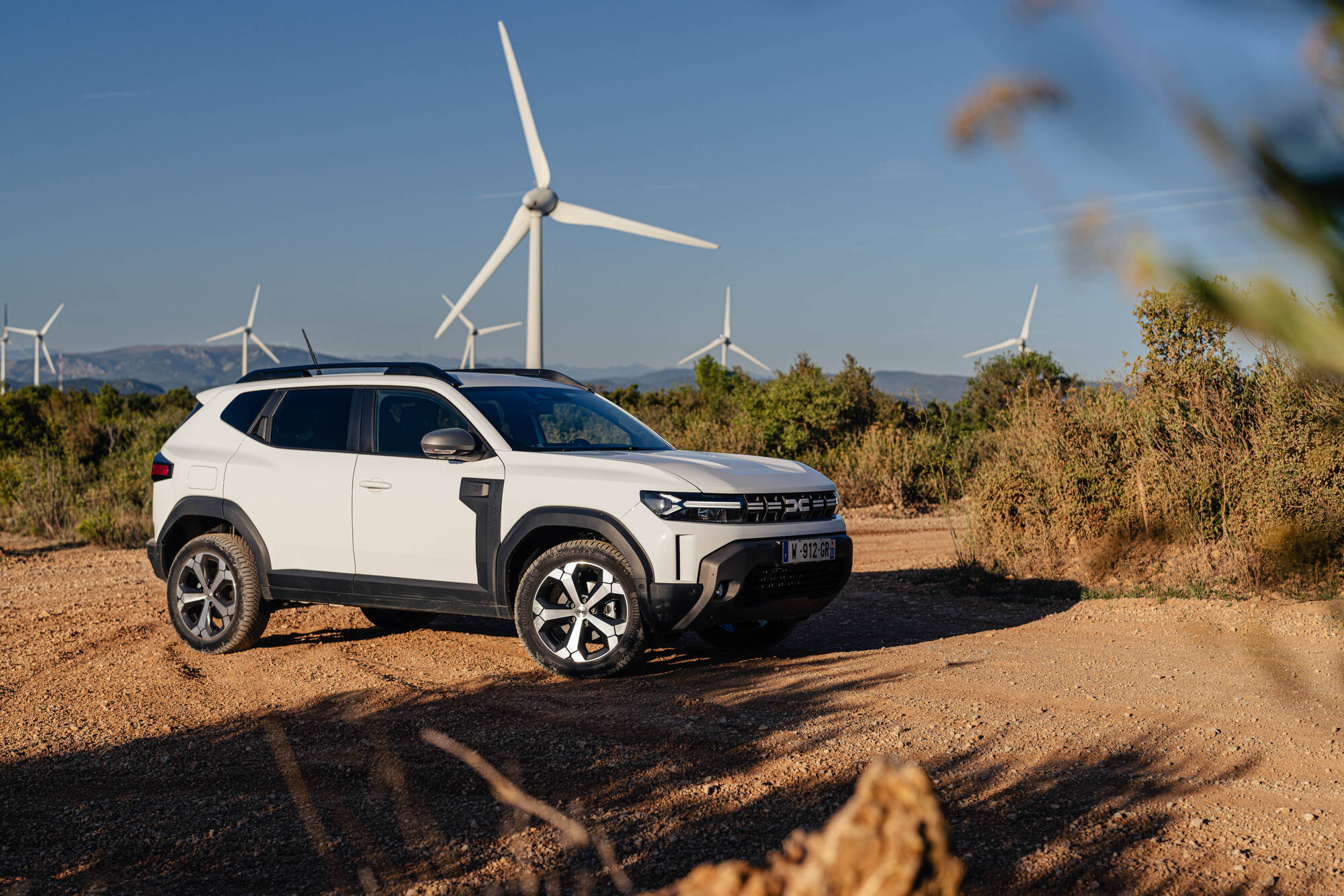
The difference between an aftermarket conversion and factory LPG is significant. With a conversion, the LPG installation is fitted afterwards by a specialist company. This is cheaper than a factory LPG model, but has drawbacks. The factory warranty often partly lapses and the quality depends on the installer.
Factory LPG is integrated into the design of the Duster. All components are matched to each other and to the engine. Control runs via the original software, which is more reliable. With a conversion, external components are added that sometimes conflict with the factory electronics.
Another difference lies in inspection. Factory LPG meets all requirements straight away. With a conversion, the installation must be approved and inspected periodically, which brings additional costs. Factory installations generally have a longer warranty on the LPG components.
For the Duster as a daily workhorse, factory LPG is the safest and most reliable choice. You earn back the extra investment through lower maintenance costs and a lower risk of malfunctions. When buying second-hand, this difference becomes even more noticeable.
Maintenance and inspection of the LPG system
Regular maintenance extends the life of your LPG installation. Have the system checked annually by an authorised dealer or specialist. This inspection includes the pipes, connections, valves and the tank. Minor leaks are detected early, before they lead to bigger problems.
The filters in the LPG system must be replaced according to schedule. Contamination of filters leads to pressure issues and reduced performance. Use only original parts or parts of equivalent quality to prevent compatibility problems.
Pay attention to noises while refuelling. A hissing sound may indicate a leak in the filling valve or connection. After refuelling, check that the cap is properly closed. Gas residue around the filling point is a sign that the seal needs to be replaced.
In the case of long periods of non-use, for example during a holiday, it is better to park with an empty LPG tank. This reduces the pressure in the system and lowers the risk of leakage due to temperature fluctuations. Then start on petrol and only switch over to LPG once the engine is up to temperature.
On the Carnews website you can find much more information about maintenance tips, common problems with different models and practical advice for car enthusiasts. Discover our extensive guides and stay up to date with everything you need to know about your car.
Frequently asked questions
A Dacia Duster with factory LPG (ECO-G) is generally considered quite reliable in the long term, provided the installation is properly maintained. Leakage risks in the factory installation are limited by modern safety features (R67-01 standard, multiple valves, pressure protection), but in older or aftermarket conversions, gas smells and minor leaks occur more often. Specific points of attention are the sensors, injectors and fuses of the LPG system, which in some model years can cause faults and changeover problems. Regular checks for gas odour, pressure loss and timely calibration/maintenance at a franchised dealer significantly reduce the likelihood of leaks and premature wear.
An LPG conversion or factory LPG Duster generally delivers 30–40% lower fuel costs per kilometre compared with running on petrol only, meaning the additional cost of the installation is usually recovered within a few years at higher annual mileages. In the long term, the savings remain in place as long as you cover many kilometres and LPG remains relatively cheap compared to petrol. Extra maintenance costs due to possible LPG leaks usually remain limited to periodic checks and occasional repairs with a factory installation, provided you act promptly if you notice gas odour or pressure loss. With poorly maintained or aftermarket systems, recurring leakage and fault repair costs can (partly) cancel out the financial benefits.
A well-executed (preferably factory) LPG conversion has virtually no noticeable impact on the performance or driving characteristics of a Dacia Duster in practice; the power output is almost identical and the changeover between petrol and LPG is normally seamless. Poorly set up or non-factory installations, however, can lead to fault messages, rough running or failure of the LPG system. Components particularly prone to leaks are the connections around the LPG tank, pipes, valves and couplings, although factory LPG systems are additionally protected with R67-01 components (such as a non-return valve, 80% fill limiter and pressure relief valve). Regular checks for gas odour and pressure drop, plus maintenance by an authorised LPG specialist or Dacia dealer, minimise the risk of leaks.
The most effective measure is to choose factory LPG (ECO-G) instead of an aftermarket conversion, because this installation is fully protected in accordance with R67-01 and is covered by the full factory warranty. Then have the LPG system checked periodically by an authorised Dacia dealer for leaks, correct sensor calibration and correct changeover between petrol and gas. Only refuel at reliable LPG stations and never fill above 80% to prevent pressure problems and safety risks. If you suspect a leak, pressure drop or unexplained failure of the LPG function, stop driving immediately and have the system inspected professionally.
The first signs of an LPG leak are usually a clear smell of gas around the car, possibly combined with an audible hissing sound or unexplained pressure drop / an LPG tank that runs empty more quickly. If you suspect a leak, switch off the engine immediately, switch over to petrol if possible and avoid sparks, open flames and smoking near the car. Ask all occupants to get out and move to a safe distance, especially on the side away from the wind from the suspected leak. Then contact a Dacia dealer or authorised LPG specialist straight away and do not drive the car any further until the system has been checked and repaired.