
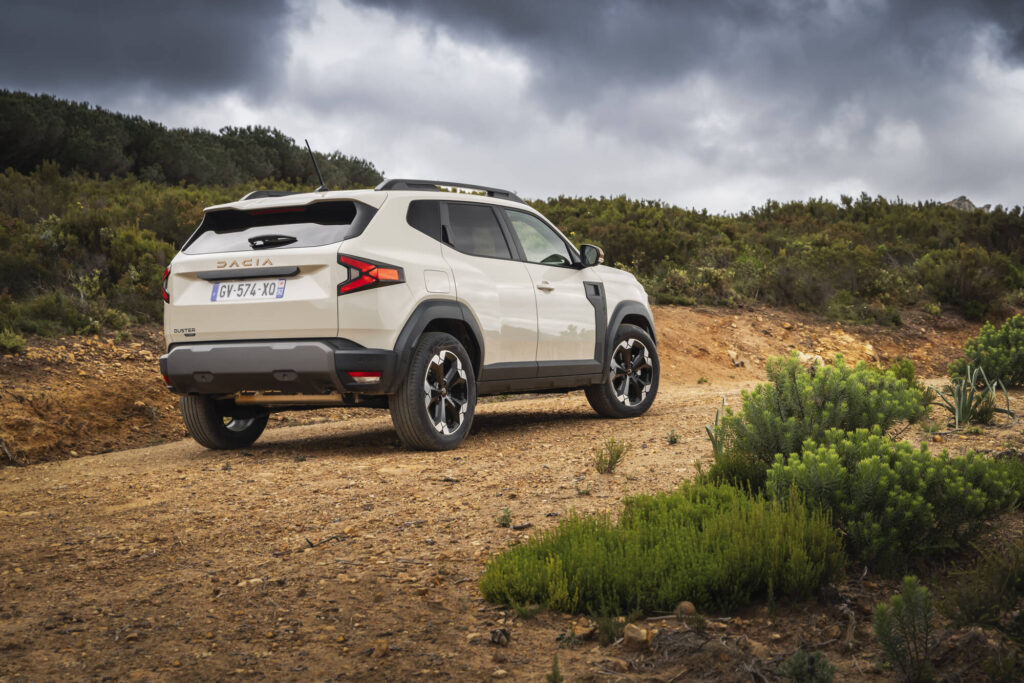
Overheating caused by faulty sensors and black smoke from the exhaust point to serious engine and emission issues with the Dacia Duster. These complaints occur regularly and require swift action, as they can lead to costly engine damage and MOT failure. Read on to understand the causes and find out how to prevent this.
The Dacia Duster is popular thanks to its affordable price and rugged looks, but some owners struggle with recurring technical problems. Overheating and black exhaust smoke are among the most frequently reported issues. These symptoms often indicate underlying mechanical faults that you must not ignore.
Do you recognise the warning light on your dashboard, or do you see steam coming from under the bonnet? Then immediate action is required. This article explains the main causes, warning signs and concrete solutions you can take as an owner.
Black smoke from the exhaust: causes and consequences
Black smoke from the exhaust indicates an overly rich fuel mixture. This means more fuel is being burnt than necessary, often due to a fault in the fuel supply system or the air intake system. In diesel versions of the Duster, this is mainly caused by problems with the DPF (Diesel Particulate Filter).
This filter traps soot particles to reduce emissions. When the filter becomes clogged due to insufficient regeneration, back pressure builds up in the exhaust system. This leads to black smoke and reduced engine performance. You will notice this by:
- Visible black soot from the exhaust while accelerating
- Reduced engine performance and slower acceleration
- Increased fuel consumption
- Burning smell after switching off the engine
A faulty DPF can lead to failure at the MOT (APK). The emission values then no longer meet legal standards. In addition, driving for a long time with a clogged filter can cause damage to the turbo and other engine components.
Overheating caused by sensors and thermostat
The thermostat regulates the flow of coolant to the engine and keeps the temperature around 90 degrees Celsius. In modern Duster models this is controlled electronically by the engine management computer. When the thermostat fails or jams, the coolant can no longer flow properly through the system.
This is a common cause of overheating. You can recognise a faulty thermostat by:
- Temperature gauge that goes abnormally high
- Engine that warms up slowly or does not reach operating temperature at all
- Coolant loss without visible leaks
- Overheating warning light on the dashboard
Besides the thermostat, sensors can also cause problems. The coolant temperature sensor measures the temperature of the coolant and sends this information to the engine management system. If the sensor is faulty, the system receives incorrect information, causing the fan not to switch on at the right time or the thermostat not to respond correctly.
Coolant circulation and water pump faults
The water pump ensures that coolant is pumped through the entire cooling system. Without good circulation, the engine cannot cool sufficiently. A faulty water pump is a serious problem that quickly leads to overheating.
Possible causes of circulation problems are:
- Defective water pump due to worn bearings
- Blockage in the cooling system due to rust build-up
- Damaged or porous coolant hoses
- Air pockets in the system after maintenance
You can often recognise a faulty water pump by sound. A squeaking or grinding noise from under the bonnet often indicates a poorly running water pump. Also check the coolant level regularly. If it keeps dropping without any visible leak, there may be an internal leak or a defective pump.
Radiator problems and air flow
The radiator cools the coolant by means of air flow. If not enough air flows through the radiator, the coolant cannot release its heat. This mainly happens at low speeds or when stationary, when the natural airflow disappears.
The electric fan compensates for this by blowing extra air past the radiator. When this fan fails or does not switch on correctly, overheating will quickly occur. Owners of more recent Duster models regularly report a loud fan after switching off the engine. This is normal behaviour, especially after longer drives.
Pay attention to these signs of radiator problems:
- Dirty or clogged radiator due to leaves or debris
- Damaged radiator fins due to stones or a collision
- Fan that does not run while the engine is hot
- Visible leakage at the radiator
Preventing Dacia Duster engine overheating
Preventive maintenance is the best way to avoid overheating. Replace the coolant every 50,000 kilometres or every two years. Always use coolant recommended by the manufacturer. Never top up with tap water or distilled water. This disrupts the operation of the cooling system and also causes corrosion.
Check the coolant level in the expansion tank every month. Always do this with a cold engine to prevent burns. The level must be between the minimum and maximum marks. If the level drops regularly, the system should be checked for leaks.
In addition, have the following checked regularly:
- Condition of coolant hoses for cracks or porosity
- Operation of the electric fan at higher engine temperatures
- Condition of the radiator for contamination or damage
- Coolant temperature sensor for correct operation

What to do in case of acute overheating
Do you notice while driving that the temperature gauge rises quickly? Or does the warning light come on? Then act immediately. Switch off the air conditioning to reduce the load on the engine. Turn the heater to the highest setting; this helps to remove heat from the cooling system.
Do you see steam coming from under the bonnet? Then pull over immediately in a safe place. Switch off the engine and leave the vehicle. Do not open the bonnet straight away, as the steam can reach temperatures of more than 100 degrees Celsius. Wait at least 30 minutes until the engine has cooled down.
After cooling down, you can carefully check the coolant level. Open the cap of the expansion tank slowly and with a cloth over it. If necessary, you can top up with water to drive the car to a workshop, but have this replaced with the correct coolant as soon as possible.
Dacia Duster emission problems and MOT consequences
During the MOT (APK) test, your car’s emissions are measured. Black smoke from the exhaust almost always results in excessively high emission values. The test centre measures the amount of unburnt hydrocarbons, nitrogen oxides and soot particles. In diesel engines, the soot measurement is often the culprit.
A clogged DPF means soot particles are no longer effectively trapped. This leads to an immediate MOT defect. You will then be given a period in which to repair the problem. Without repair, you are no longer allowed to drive on public roads.
The cost of replacing a DPF ranges between 800 and 1,500 euros, depending on the model and the workshop. Some workshops offer a cleaning service, in which the filter is cleaned. This costs between 200 and 400 euros and can be effective in cases of light contamination.
When professional help is needed
Some problems you can solve yourself, such as topping up coolant or cleaning the radiator. For more complex faults, professional help is needed. Consult a specialist workshop in the following cases:
- Consistent loss of coolant without visible leakage
- Warning lights that remain on after cooling down
- Unusual noises from the engine or around the water pump
- Reduced engine performance combined with black smoke
- Problems that persist after basic maintenance
A workshop can use diagnostic equipment to read out which sensors are generating error codes. This saves time and prevents unnecessary replacement of components that are not actually faulty. In the case of emission problems, an exhaust gas test is needed to determine the exact cause.
More information about car problems
On the Carnews website you will find a lot more information about common problems with various car makes and models. Discover tips on maintenance, repairs and practical solutions you can carry out yourself as an owner. Take a look and stay up to date with everything you need to know as a car enthusiast.
Frequently asked questions
The most common causes of overheating in the Dacia Duster are a faulty thermostat, problems with coolant circulation (such as a defective water pump, blockages or leaking hoses) and insufficient airflow due to a dirty or poorly functioning radiator/fan. Abnormal exhaust smoke and a burning smell are often related to problems in the exhaust system, in particular a clogged or faulty diesel particulate filter (DPF) in diesel versions, which creates extra heat and smoke.
A car enthusiast can first check the coolant level (only with a cold engine) and look around the engine bay for visible leaks, loose or damaged hoses and a dirty or blocked radiator. They can then check whether the cooling fan switches on with a warm engine and whether any warning lights come on or the temperature gauge rises on the dashboard. In the case of exhaust smoke, they can note the colour (white, blue, black) and when the smoke appears (idling, under acceleration, with a cold or warm engine) to get an idea of the possible cause. It is also useful to check for burning or combustion smells after switching off the engine and to note any previous maintenance or fault codes for the garage.
Driving on with an overheating or smoking Dacia Duster can cause severe engine damage, such as a warped cylinder head, damaged gaskets and defective cooling system components. Excessive heat in the engine bay can also cause fire, especially if there are leaking fluids or oil present. In addition, faults in the exhaust system (such as a clogged DPF) can lead to increased pressure and heat, with a risk of damage to exhaust parts and surrounding components. This creates an immediate danger for occupants and other road users due to possible engine failure, fire risk and loss of vehicle control.
Essential preventive maintenance tips include: replacing the coolant on time (roughly every 50,000 km or 2 years) and always using the coolant specified by Dacia. Check the coolant level monthly and inspect hoses, radiator and connections for leaks, damage and contamination. Keep the radiator and surrounding area free of dirt so that airflow remains good, and if in doubt have the thermostat, water pump and cooling fan checked preventively. Follow the official maintenance schedule strictly, including checks of the exhaust system and DPF in diesel versions to prevent smoke formation.
In the Dacia Duster there are known issues with the cooling system (thermostat, water pump, clogged radiator or air in the system) that can cause overheating. In addition, in diesel versions, blockages in the particulate filter (DPF) or other exhaust problems can lead to a burning smell and smoke development. Watch out for warning lights, a high engine temperature, loss of coolant, visible smoke or burning smells and a loud or continuously running fan after switching off the engine. In the case of repeated symptoms or unexplained coolant loss, a prompt inspection at a workshop is important to prevent engine damage.