
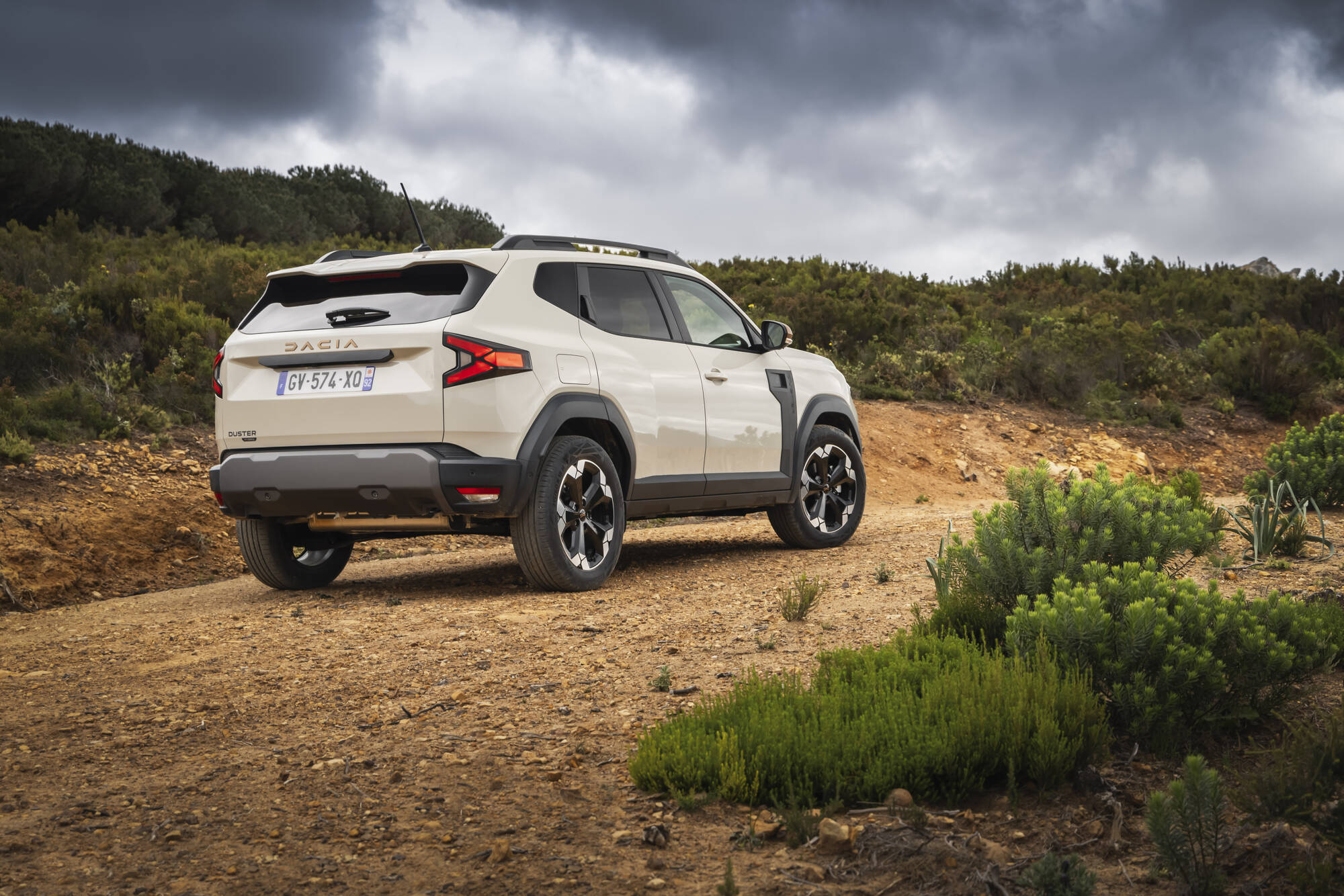
The Dacia Duster combines affordability with versatile towing capacity, with 4×4 models allowed to tow up to 1500 kg braked. This compact SUV offers plenty of scope in its price range, from taking a caravan to the campsite to driving off the beaten track. However, when buying a used example it is important to pay extra attention to wear caused by intensive use. Discover what you need to know about towing capacity, towing a caravan and off-road use.
What is the towing capacity of the Dacia Duster 4×4
The maximum towing capacity differs per engine and drivetrain. The Dacia Duster with four-wheel drive achieves 1500 kg braked towing capacity in many cases. This applies, for example, to the TCe 130 4×4 Extreme and the TCe 150. These versions deliver 230 Nm of torque (the turning force of the engine), which helps when towing heavier loads on hills and in mountainous areas.
Two-wheel-drive variants and hybrid versions are often limited to 1200 kg or even 750 kg towing capacity. The Hybrid 140 (hybrid drivetrain variant) ranges between 750 and 1200 kg, depending on the specific configuration. For the Eco-G 100/120 (LPG/petrol engine variant) and dCi 4×2 (diesel engine with front-wheel drive) the maximum is 1200 kg. Always check the type plate of your specific model, because there can be differences even within the same model year.
The noseweight is 75 kg as standard for most versions. This is the vertical weight resting on the tow bar and it affects stability and braking performance. The kerb weight is around 1465 kg for the TCe 130 4×4 Extreme, with a maximum permitted gross vehicle weight of about 1895 kg. These figures are important when calculating the ideal weight ratio between car and caravan.
‘ If you stay below this limit, you retain sufficient stability and braking performance. ‘
Is the Dacia Duster suitable for towing a caravan
The Duster can certainly be suitable for towing a caravan, provided you keep to the right weight ratio. Experts advise choosing a caravan that weighs no more than 75 to 80 per cent of the loaded weight of the car. For a fully loaded Duster of about 1895 kg this means a caravan weight of around 1400 kg. If you stay below this limit, you retain sufficient stability and braking performance.
Pay attention to how the weight is distributed. Wherever possible, place luggage and heavy items in the car instead of the caravan. This improves traction at the rear wheels and reduces the risk of snaking. Some owners report good experiences with caravans up to 1500 kg in mountainous areas, but this does require experience and carefully balanced loading. Keep the noseweight at 75 kg for optimum grip and braking power.
When overtaking and climbing on the motorway, the engine runs between 3100 and 3700 rpm. The TCe 130 4×4 provides enough power for trips abroad with hills, but it does require an adjusted driving style. Avoid very high speeds and allow for longer braking distances. With a category B driving licence you are allowed to drive these combinations, as long as the total weight remains below 3500 kg.
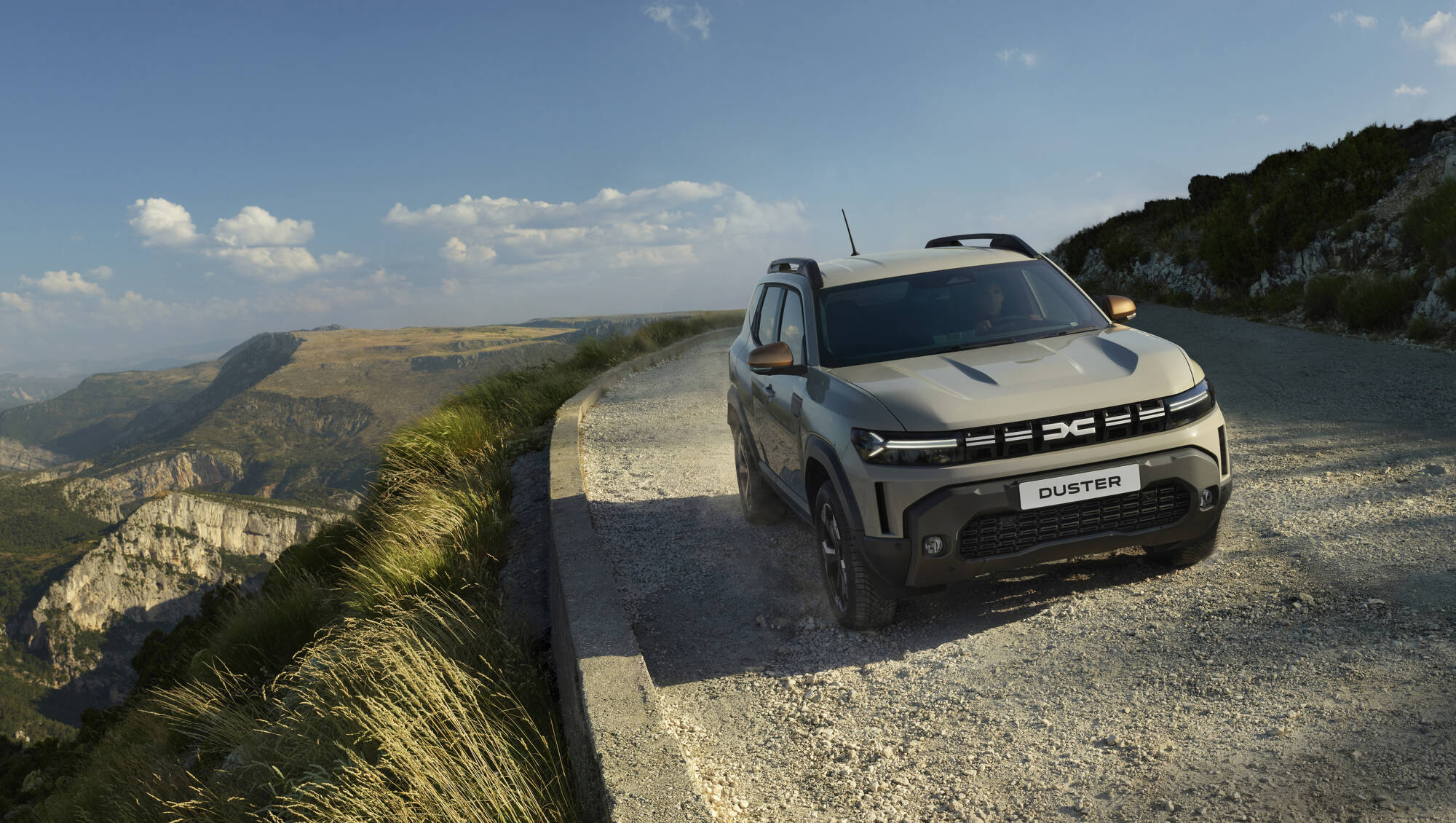
What should you look out for with a used Duster with tow bar
If you are buying a used Duster that has regularly towed a caravan or trailer, check especially carefully for wear. The clutch and transmission can wear faster under heavy towing, particularly in combination with off-road use. Ask about the service history and, if in doubt, take a test drive with a trailer or caravan attached.
Inspect the tow bar for cracks, rust or loose mountings. Also check the electrical connection for corrosion or loose contacts. With 4×4 models it is sensible to have the universal joints (joints in the prop shaft), differential and drive shafts checked. These components may have been subjected to extra stress from towing heavy loads on unpaved roads.
During the test drive, pay attention to any odd clutch behaviour, vibrations when pulling away or unusual noises from the drivetrain. Pay particular attention to the clutch and any vibrations. Also listen for unusual sounds from the drivetrain. Users report that the Duster generally remains reliable, even after three years of intensive towing use, but poorly maintained examples can develop problems more quickly. Ask specifically about the traction control (electronic system that limits wheel slip) and the four-wheel-drive system if you have off-road ambitions.
How do you use the 4×4 function to best effect
The standard 4×4 version of the Duster switches automatically to four-wheel drive when needed. This system detects when the front wheels lose grip and then sends power to the rear wheels. You do not need to press any buttons yourself, which makes it easy to use in changing conditions such as mud, snow or unpaved roads.
For off-road use, a few simple adjustments help you get the best out of the Duster. Lower the tyre pressure slightly for extra grip on loose sand or mud, but do not forget to pump them back up afterwards. Use low gears on steep slopes so that the 230 Nm of torque is used to best advantage without overloading the engine.
The Duster has short overhangs and sufficient ground clearance for light to moderate off-road driving. However, avoid deep water and extremely rocky terrain, as this car is not designed for that. When towing a caravan on wet or hilly roads, four-wheel drive does provide noticeably more stability and traction than a two-wheel-drive variant. Mild-hybrid assistance of 17 hp supports the torque during acceleration, without adding much extra weight.
Practical tips for off-road and rough terrain
If you want to drive off-road regularly, make sure you are well prepared. The automatic four-wheel-drive system engages quickly enough for most situations, but anticipate loose stones or deep ruts. Keep your speed low and drive smoothly, without sudden steering corrections. The high ground clearance helps when tackling obstacles, but the Duster is still a compact SUV and not a hardcore off-roader.
A few important points to note for off-road use:
- Check the tyre pressure beforehand and adjust it to suit the type of terrain
- Use engine braking when descending steep hills instead of relying solely on the brakes
- Avoid sudden acceleration on loose surfaces to prevent wheel spin
- After each off-road outing, inspect the underside for damage or trapped branches
- Have the four-wheel-drive system checked regularly if you use it intensively
Users particularly appreciate the Duster for its reliability in rough terrain, provided you stay within the car’s capabilities. The combination of towing capacity and off-road ability makes it suitable for camping holidays with a trailer over unpaved campsite grounds or forest tracks. For more extreme off-road work, specialist vehicles are better suited. For recreational use, the Duster offers enough.
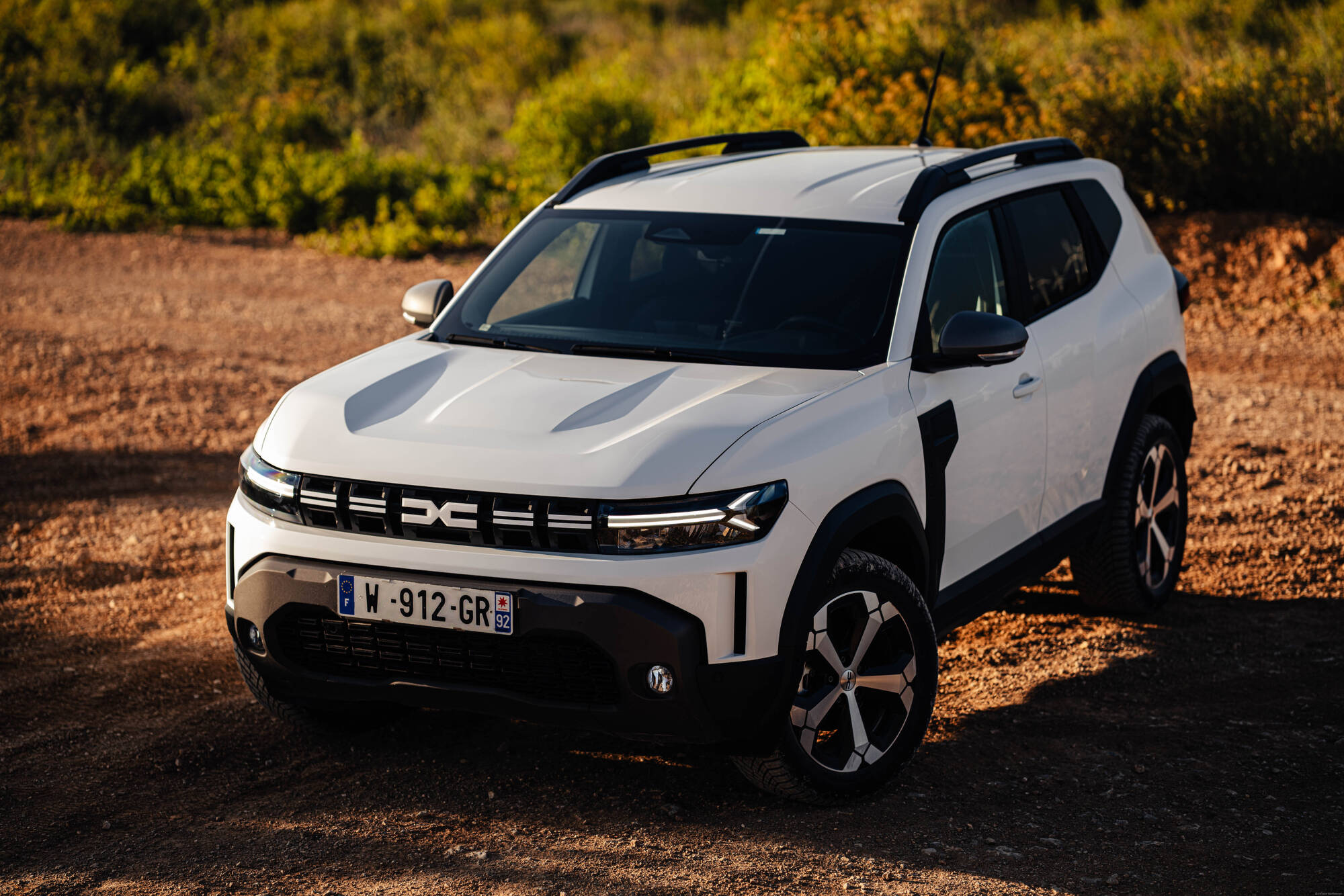
Optimising loading and weight distribution
The way you load the car and caravan has a direct impact on stability and safety. Aim for a weight ratio of no more than 88 per cent between the unladen car and the caravan. If you go above 93 per cent, the risk of snaking in crosswinds or during overtaking increases. For an unladen Duster of about 1465 kg, this means a maximum caravan weight of around 1290 kg for optimum safety.
Place heavy items low down and centrally in the car, directly above or in front of the rear axle. This improves traction and lowers the centre of gravity. Load the caravan with lighter items and make sure the caravan’s centre of gravity is in front of the axle. This reduces the leverage effect on the tow bar and keeps the noseweight within the permitted 75 kg.
Always test the combination on a quiet road before joining the motorway. Pay attention to how it behaves when braking, overtaking and in crosswinds. Adjust the loading if necessary. Aerodynamic drag (resistance of the air while driving) and the dimensions of the caravan affect fuel consumption and performance more than weight alone. A tall, wide caravan requires more power than a streamlined model of the same weight.
Frequently asked questions about towing capacity
Owners often want to know whether the stated maximum of 1500 kg is really safely achievable. Technically, you are allowed to go up to that weight, but in practice lower weights between 1200 and 1400 kg are more comfortable and safer on longer journeys and mountain routes. The difference lies in stability, braking distance and the load on the drivetrain.
Another common question concerns the difference between braked and unbraked towing capacity. Braked means that the trailer or caravan has its own braking system that is linked to the car. Unbraked towing capacity is much lower, often around 730 kg, and applies to light trailers without their own brakes. For caravans you always need a braked system, otherwise you will quickly exceed the permitted limits.
The choice between a 4×4 and a 4×2 model depends on how you use the car. For towing a caravan on paved roads, a two-wheel-drive version is often sufficient, provided the towing weight remains within the permitted maximum. If you regularly go off-road, drive on slippery or steep roads, or tow in wet conditions, four-wheel drive offers noticeably more grip and control. The TCe 130 4×4 is the most popular choice among caravan owners.
On the Carnews website you will find more background information on maintenance tips, common problems and experiences with various Dacia models. Discover what other car enthusiasts share about towing experiences, off-road adventures and practical modifications for your car.
Frequently asked questions
Depending on engine and version, the Dacia Duster may tow a maximum of roughly 1200 to 1500 kg braked, with the more powerful petrol and 4×4 versions reaching 1500 kg. For safe and comfortable driving, however, experts advise working more around 75–80% of the car’s weight as caravan weight (usually somewhere up to about 1400 kg). This makes the Duster in practice well suited for many common caravans and boat trailers within that weight class. Always check the specific type plate and the data for your engine variant and trailer.
The Dacia Duster’s 4×4 system performs surprisingly well in challenging terrain for its price class, thanks in part to its automatic four-wheel drive, high ground clearance and short overhangs. In light to moderately heavy off-road situations (mud, snow, unpaved tracks and steep slopes) it can hold its own or even outperform many competitors in the budget and mid-range segment. However, in very heavy terrain, without low-range gearing and advanced differentials, it has to concede to the more expensive, more specialist SUVs. The Duster mainly stands out for its favourable balance between off-road capability and cost.
In off-road terrain, select 4×4 lock or automatic 4×4 mode and always drive in a low gear so that you make maximum use of the engine torque (around 230 Nm) and prevent wheel spin. In sand, mud or gravel, lower the tyre pressures slightly for more contact area, but inflate them again as soon as you are back on tarmac. Keep your speed low, choose smooth driving lines and avoid sudden braking or steering, especially when driving downhill; here, rely mainly on engine braking. Avoid deep water or obstacles higher than the ground clearance, and if in doubt, get out and inspect the surface first.
There are various accessories that improve practical usability (such as a heavier-duty tow bar, AT/all-terrain tyres and upgraded suspension), but they do not increase the legally permitted towing capacity. For better 4×4 performance you can opt for all-terrain tyres, a mild lift kit and sump/tank guards for more ground clearance and protection. A differential lock (if available from the aftermarket) or an electronic traction upgrade can also noticeably improve traction in difficult terrain. Bear in mind that every modification has to remain within the vehicle and approval limits specified by Dacia.
For demanding users who want both high towing capacity and genuine 4×4 capabilities, the most attractive engine variants are mainly the TCe 130 4×4 and the TCe 150 (4×4 where available), thanks to their maximum braked towing capacity of 1500 kg and generous torque (around 230 Nm). In practice, these offer the best combination of stability with a caravan, power on slopes and off-road suitability. The older 4×4 1.6 with 1500 kg towing capacity is a good alternative, but less powerful. The Hybrid 140 and Eco-G variants are less suitable for heavy towing and intensive 4×4 use because of their lower permitted towing capacities (usually 750–1200 kg).