
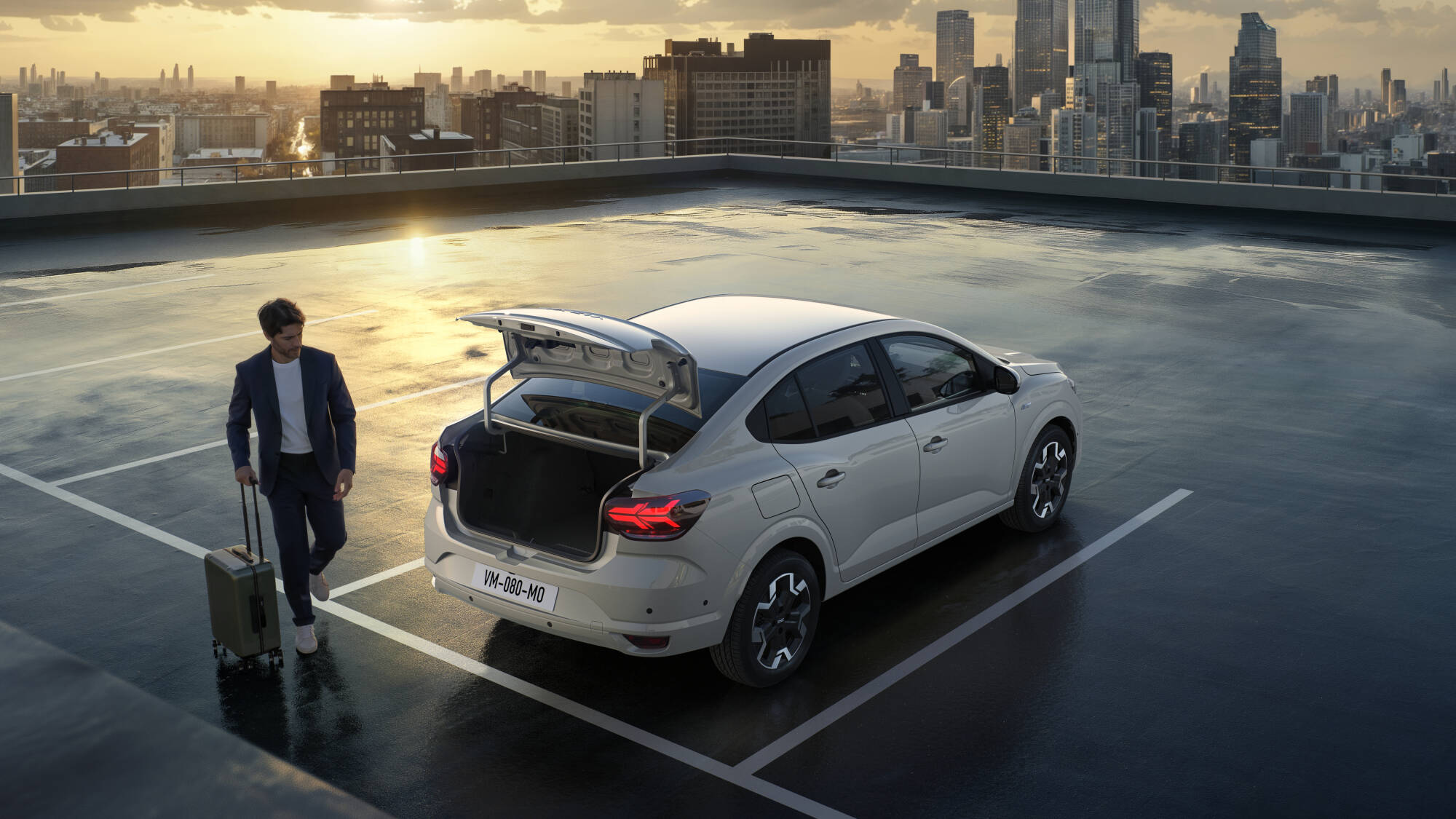
Clogged air filters, worn spark plugs and an inefficient fuel system are common causes of reduced fuel efficiency in the Dacia Logan. While the Logan is known for its frugal character, with consumption of around 5.4 litres per 100 km, many owners notice a clear increase in fuel consumption over time. This problem often develops gradually and can rise to 10–20% extra consumption after 50,000 km. What exactly is behind this increase and how do you tackle it?
Clogged air filters and worn spark plugs as main cause
The air filter is an important part of the combustion process in your engine. When this filter becomes clogged with dirt and dust, the engine does not get enough oxygen. This directly leads to inefficient combustion, where more fuel is needed to deliver the same performance. Dacia Logan owners often see a noticeable increase in consumption when the air filter has not been replaced for too long.
Worn spark plugs make this problem even worse. Spark plugs provide the spark that ignites the mixture of fuel and air. After prolonged use, the electrodes wear, causing the spark to become weaker. This results in incomplete combustion and higher fuel consumption. In the widely used 1.0 TCe 90 PS engine this is a known issue after around 50,000 km.
Both components are relatively easy and affordable to replace. Check the air filter every 20,000 km and replace it if it is dirty. Spark plugs usually have a lifespan of 30,000 to 60,000 km, depending on driving style and fuel quality. Regular maintenance prevents this wear from leading to structurally higher consumption.
‘ In practice this results in a saving of 5 to 10 percent in fuel consumption. ’
Fuel system and pressure problems
A defective fuel pressure regulator or leaking fuel lines disrupt the optimal pressure in the fuel system. This leads to an incorrect ratio between fuel and air, resulting in higher consumption and increased emissions. The engine receives too much or too little fuel, so efficiency drops immediately.
Symptoms of fuel system problems include irregular consumption, loss of power and sometimes black smoke from the exhaust. When you recognise these signs, have the fuel pressure regulator and all lines checked at your garage. A poorly adjusted or defective pressure regulator reduces efficiency immediately and can lead to structurally increased consumption of 1 to 2 litres per 100 km.
In addition, fuel injectors become dirty over time. Small deposits and contamination block the fine nozzles, so the fuel spray is no longer optimal. Clean the injectors every 20,000 km with special additives. In practice this results in a saving of 5 to 10 percent in fuel consumption.
Engine and catalytic converter wear after intensive use
After intensive use and higher mileage, various engine components start to wear. A contaminated catalytic converter obstructs the flow of exhaust gases and causes back pressure in the system. The engine has to work harder to deliver the same performance, which drives up consumption. This problem occurs mainly in cars that make many short trips, where the catalytic converter does not fully reach operating temperature.
Carbon deposits in the combustion chamber and on valves reduce combustion efficiency. These deposits are caused by incomplete combustion and build up over time. This is particularly an issue in turbo engines such as the 1.0 TCe used in many Logan models. A thorough engine intervention with cleaning can offer relief here.
The engine timing can also become disturbed. When the timing belt wears or the timing is not correctly set, the ignition moment deviates from the optimal point. This leads to reduced combustion efficiency and increased consumption. Have the timing checked during regular maintenance, especially after replacing the timing belt.
Influence of tyre pressure and overall condition
Tyre pressures that are too low increase rolling resistance and force the engine to work harder. This simple maintenance point is often overlooked, but can increase consumption by 0.5 to 1 litre per 100 km. Check tyre pressure monthly and keep it at the recommended value between 2.2 and 2.5 bar.
Worn tyres with insufficient tread depth also increase rolling resistance. In addition, the condition of brake lines and brake pads affects efficiency. Brake pads that do not release properly create constant friction, meaning the engine has to deliver extra energy. You can recognise this problem by warmer wheels after driving.
Use of air conditioning also affects consumption. The aircon compressor demands power from the engine, which can add up to 0.5 litre extra per 100 km with intensive use. Use the aircon consciously and switch it off once the desired temperature has been reached. On the motorway, aircon is in fact more efficient than open windows, because open windows increase aerodynamic drag.
‘ At speeds above 100 km per hour, aerodynamic drag increases exponentially, so every kilometre per hour faster costs extra fuel. ’
Driving style and short trips as consumption factor
Aggressive acceleration and hard braking significantly increase fuel consumption. By driving proactively and keeping the engine speed below 2,500 revolutions per minute, you can achieve a saving of around 1 litre per 100 km. This requires awareness and an adapted driving style, but delivers quick results.
Short journeys under 5 kilometres use relatively more fuel because the engine does not reach operating temperature. With a cold engine, combustion is less efficient and the engine uses more fuel. Combine short trips into one longer journey where possible. This not only saves fuel, but also reduces wear on the engine and exhaust system.
Use cruise control on the motorway when conditions allow. A constant speed is more economical than varying speeds where the engine constantly has to accelerate. At speeds above 100 km per hour, aerodynamic drag increases exponentially, so every kilometre per hour faster costs extra fuel. Take this effect into account when choosing your driving speed.
Practical tips to restore efficiency
Regular maintenance according to the prescribed service schedule prevents many problems. Replace oil and filters on time and have the engine periodically read out with a diagnostic computer. Modern OBD scanners provide real-time information on fuel consumption and engine parameters, allowing you to quickly spot anomalies.
After major maintenance or after replacing important components, it can help to reset the ECU. The engine computer learns along with the condition of the engine and adjusts fuel delivery accordingly. After replacing parts, this adaptation may no longer match the actual condition of the engine. A reset returns the ECU to factory settings.
Also consider these adjustments for long-term improvement:
- Use quality fuel from well-known brands with detergents
- Plan maintenance proactively rather than reactively after problems arise
- Monitor your consumption consistently via the trip computer or refuelling records
- If in doubt, have a compression test carried out to determine the condition of the engine
- Check the operation of the lambda sensor, which controls fuel mixture management
Software updates from the manufacturer can also improve efficiency. These updates optimise engine management and can correct irregularities in fuel control. Ask your dealer whether updates are available for your Logan model and model year.
When professional diagnosis is necessary
Some causes of increased consumption require specialist knowledge and equipment. When simple maintenance measures produce no improvement, thorough diagnosis is necessary. A professional garage can use computer diagnostics to determine exactly where the problem lies and which sensors or components are showing abnormal values.
Watch out for these signs that indicate more serious problems:
- Sudden increase in consumption by more than 2 litres per 100 km
- Warning lights on the dashboard
- Irregular engine speed when idling
- Loss of power when accelerating
- Strange smells or smoke from the exhaust
These symptoms may indicate defects in the turbo, hydraulic valve lifters or even internal engine wear. Do not wait too long to get a professional check, because ongoing damage leads to higher repair costs. Timely diagnosis prevents small problems from developing into major repairs.
The Dacia Logan remains an economical and reliable car when you keep up with maintenance and drive consciously. Reduced fuel efficiency is often the result of accumulating small problems that together have a major effect. By checking systematically and intervening in time, you can keep consumption under control.
On the Carnews website you will find extensive information on common car problems, maintenance tips and practical experiences with various models. Discover more about how to maintain your car optimally and which warning signs you should never ignore.
Frequently asked questions
The most likely technical causes are problems in the fuel system, such as a defective fuel pressure regulator or (micro) leaks in fuel lines. In addition, contaminated or worn components such as air and fuel filters, spark plugs, injectors and a partially clogged catalytic converter often cause higher consumption. Increased rolling resistance due to incorrect tyre pressure or excessive tyre wear can also have a noticeable impact. In newer (mild) hybrid versions, software updates or degradation of the hybrid system can reduce the efficiency of the drivetrain.
Pay particular attention to timely maintenance of the fuel system (clean injectors, correct fuel pressure regulator and no leaking lines) and replace spark plugs, air filter and fuel filter regularly. Check tyre pressure monthly (around 2.2–2.5 bar) and ensure tyres are in good condition with the correct rolling resistance. Where applicable, have the engine software/ECU and any (mild) hybrid updates checked and updated by the dealer. Also keep the exhaust system and catalytic converter clean and in good condition to prevent increased back pressure from driving up consumption.
Yes, there are specific tips to improve the fuel efficiency of a Dacia Logan. In terms of driving behaviour, it helps to stay below roughly 2,500 rpm, change up early, anticipate traffic and use cruise control where possible, while avoiding short trips as much as possible. For preventive maintenance, timely replacement or cleaning of air and fuel filters, spark plugs and injectors, and maintaining tyre pressure (about 2.2–2.5 bar) are important. In addition, checking the fuel pressure regulator and regularly reading the car via an OBD scanner can detect problems at an early stage that cause extra consumption.
First check tyre pressure (cold, according to the value in the door pillar) and see whether the tyres show uneven or excessive wear, as tyres that are too soft or worn increase consumption immediately. Replace or clean basic parts such as the air filter and (if needed) spark plugs, and use an injector cleaner in the fuel to reduce contamination in the fuel system. Over a few refuels, keep an accurate record of how many litres you fill and how many kilometres you drive, and relate this to your driving style (engine speed below about 2,500 rpm, gentle acceleration, fewer short trips) to see whether consumption improves. With a simple OBD scanner, you can also read fault codes and live data (such as lambda sensor and fuel trim values) to check whether there is a problem with sensors or mixture control.
Effective solutions include replacing or correctly adjusting the fuel pressure regulator and checking for leaking fuel lines. In addition, timely replacement of air and fuel filters, spark plugs and cleaning the injectors often lead to a noticeable improvement in consumption. Checking and correcting tyre pressure (around 2.2–2.5 bar) and resetting the ECU after maintenance help the engine to run closer to factory values again. A more relaxed driving style with low engine speeds and use of cruise control also results in a clear reduction in consumption in everyday use.