
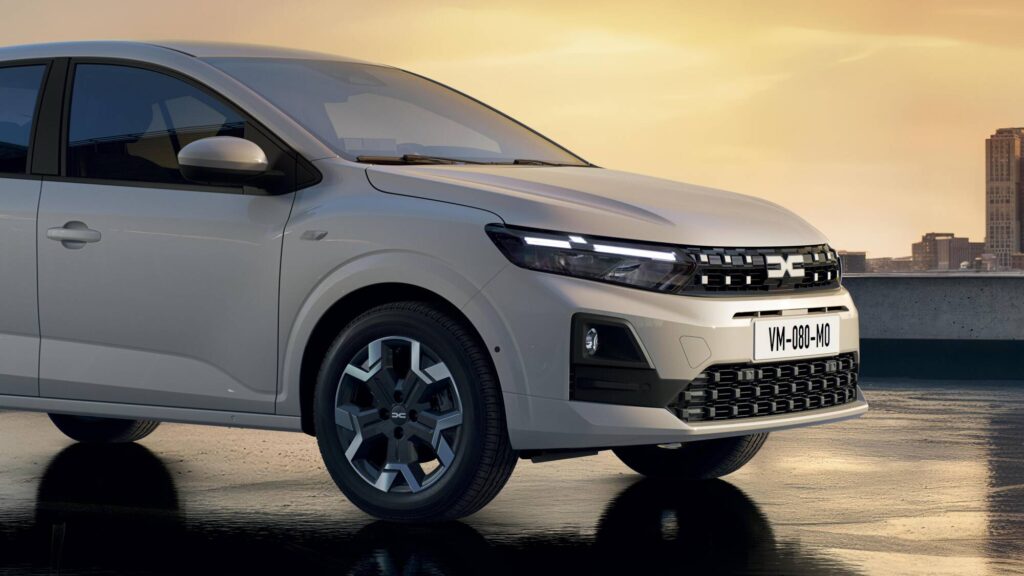
Dirty air filters, worn spark plugs and TDC sensor failures significantly reduce performance and increase the fuel consumption of your Dacia Logan MCV. These issues are common in older models, but can easily be prevented with regular maintenance. What are the specific causes and how do you fix them?
Why does the fuel consumption of your Dacia Logan MCV increase?
The decline in fuel efficiency is a common complaint among Logan MCV owners. As the car gets older, various factors build up that together cause noticeably higher consumption. The main causes lie in the air intake system, the ignition system and the fuel system itself.
Clogged air filters restrict the airflow to the engine. This creates a mixture that is too rich in fuel, where the ratio between air and fuel is no longer optimal. The engine has to work harder to deliver the same performance, which directly leads to higher consumption. In extreme cases of contamination, the difference can increase to as much as 10 percent more fuel.
Worn spark plugs directly affect combustion efficiency. When the spark plugs are past their best, they no longer produce an optimal spark. This results in incomplete combustion of the fuel, with energy literally disappearing through the exhaust. Replacing spark plugs according to the service schedule largely prevents this problem.
Contaminated fuel injectors are a third important factor. Carbon deposits disrupt the spray pattern, meaning the fuel is not atomised finely enough. This reduces combustion efficiency and noticeably increases consumption. Regular cleaning of the injectors can reverse this process.
‘ Owners report that the warning light comes on more often than in comparable cars. ’
Common engine faults Dacia Logan MCV 1.4 and 1.6 MPI
The petrol models with 1.4 and 1.6 MPI engines, especially those produced between 2006 and 2013, regularly suffer from specific faults. These problems are well documented and can often be traced back to a few known weak spots in the design.
Dirty throttle body causes power loss
A dirty throttle body is the most frequently reported cause of power loss in MPI engines. Carbon deposits build up on the valves and interfere with their opening and closing. This leads to reduced throttle response, jerky driving and, in severe cases, even engine stalling while driving.
The solution is to remove and thoroughly clean the throttle body in accordance with factory specifications. After refitting, recalibration is sometimes required to ensure the throttle functions correctly. Ideally, you should have this work carried out by an experienced mechanic familiar with Dacia engines.
TDC sensor issues cause starting problems
The TDC sensor, also known as the top dead centre sensor, plays an important role in ignition timing. When this sensor fails, you may experience starting problems with a cold engine and an irregular idle speed. The engine feels rough when pulling away and responds sluggishly to throttle input.
Diagnosis is carried out using a diagnostic tool that reads fault codes from the engine control unit. Replacing the sensor resolves the problem permanently. This is a relatively simple repair that can be completed within an hour in most workshops.
Check engine light caused by loose connector
Owners report that the warning light comes on more often than in comparable cars. A common cause is a loose electrical connector behind the ignition switch. This sends false signals to the engine control unit, causing the light to come on without an actual fault.
Checking this connector is a quick and free first step when a warning light comes on. If it is properly secured, more extensive diagnostics are needed to identify the real cause.
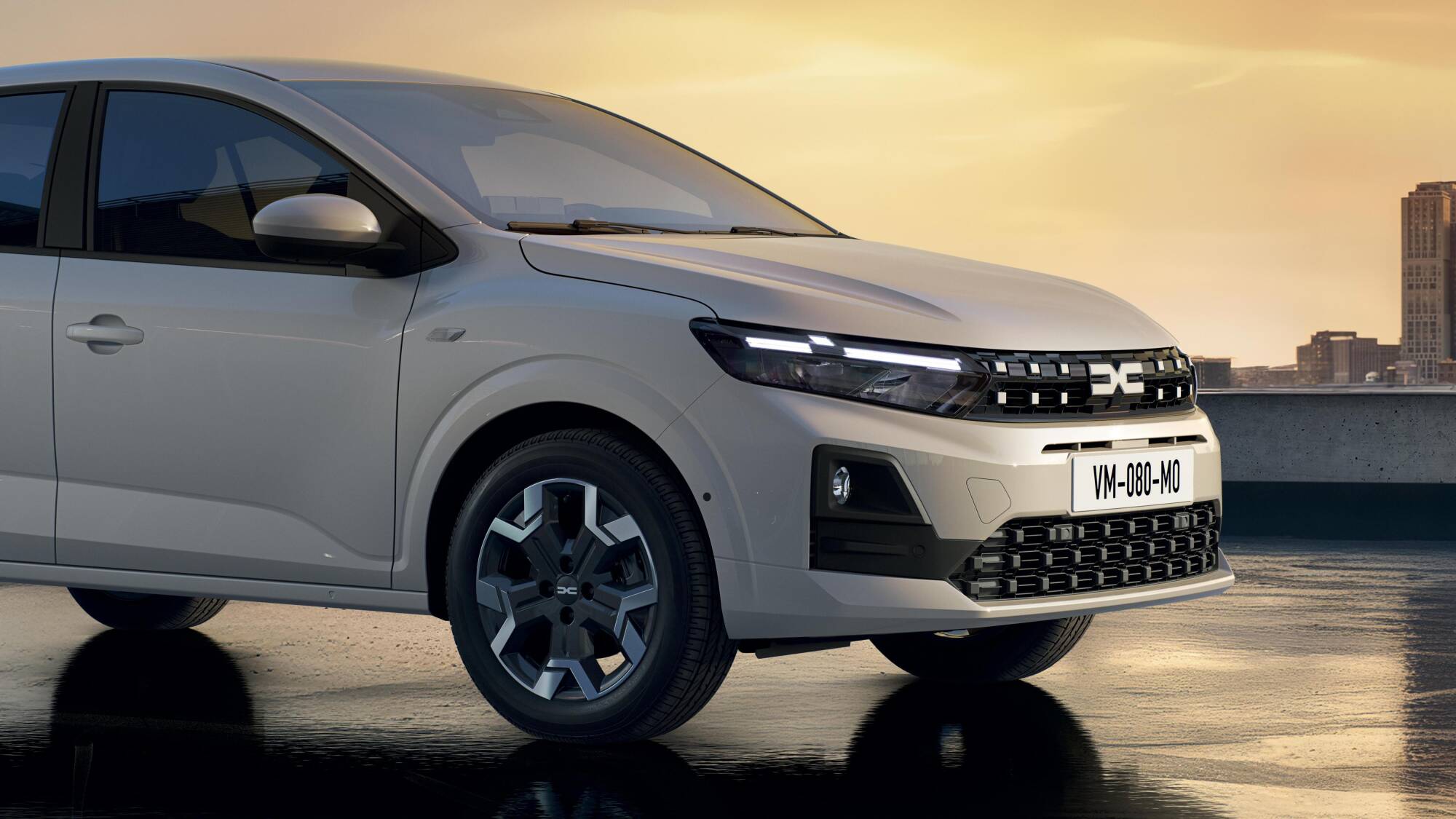
How to improve Dacia Logan MCV engine performance
Improving engine performance requires a systematic approach in which you check several components and service or replace them where necessary. The following steps will give you the greatest return on your investment.
Replace the air filter regularly
The air filter deserves your attention at every service. Visually check its condition and replace it if there is visible contamination or in accordance with the manufacturer’s recommendation. For most drivers with normal use, this means replacement every 15,000 to 20,000 kilometres. If you often drive on dusty roads, replace it more frequently.
A new air filter costs between 10 and 20 euros and can be replaced in a few minutes without tools. The improvement in responsiveness and consumption is immediately noticeable, especially with heavily contaminated filters.
Clean or replace spark plugs according to schedule
You should check spark plugs according to the manufacturer’s service schedule, usually around every 30,000 kilometres. Replacement is relatively inexpensive but delivers significant gains in performance and reliability. Always use spark plugs that meet Dacia’s specifications.
When replacing, make sure you use the correct tightening torque to avoid damaging the thread in the cylinder head. Incorrectly tightened spark plugs can lead to costly repairs.
Have the fuel system professionally cleaned
You should have the fuel system, including injectors and valves, cleaned when there are noticeable symptoms or preventively every 60,000 kilometres. Professional ultrasonic cleaning removes stubborn carbon deposits that fuel additives cannot shift.
The costs range between 100 and 200 euros, depending on the method chosen and the degree of contamination. This prevents more serious problems and extends the lifespan of expensive components such as injectors and the turbo.
Monitor oil consumption in TCe models
If you have a TCe engine, regularly check the oil level. These engines are known for increased oil consumption, especially at higher mileage. Check at least every 1,000 kilometres and top up if the level drops below the minimum.
Too low an oil level leads to increased wear and, in the worst case, engine damage. Always use the oil specification prescribed by Dacia to avoid problems with the timing system.
Air conditioning noticeably reduces power
Owners of Logan MCV models with smaller engines notice that switching on the air conditioning clearly reduces the available power. This is not a fault but inherent to the design of compact engines. The smaller the engine capacity, the greater the share of power demanded by the air conditioning compressor.
With the 1.4 MPI engine, this effect is most noticeable when accelerating or on inclines. The engine has to drive the car and run the compressor at the same time, which limits the power available for propulsion. This is normal behaviour and not a sign of a defect.
If you want optimum performance, switch the air conditioning off during overtaking manoeuvres or when climbing. This immediately sends more power to the wheels and noticeably improves acceleration.
Preventive maintenance avoids expensive repairs
Preventing engine problems is always cheaper than repairing them afterwards. By sticking to a consistent maintenance schedule, you significantly extend the lifespan of your Logan MCV and avoid unexpected breakdowns.
The most important maintenance points for preserving engine performance are:
- Check and replace the air filter according to schedule
- Replace spark plugs at service intervals
- Replace engine oil and oil filter as per factory advice
- Clean the fuel system periodically
- Check the throttle body in case of power loss
- Regularly inspect electrical connections
By working through these points systematically, your Dacia Logan MCV will continue to deliver reliable and efficient performance. Record all work carried out to keep a complete maintenance history.
On the Carnews website you will find much more information about common car problems, maintenance tips and practical solutions for various makes and models. Discover more articles and expand your knowledge of car technology and maintenance.
Frequently asked questions
The Dacia Logan MCV often suffers power loss due to a dirty throttle body, clogged air filters or worn spark plugs. In TCe engines, increased oil consumption and timing chain problems are common. Switching on the air conditioning can also noticeably take away power, and the ‘check engine’ light sometimes comes on without reason due to a loose connector behind the ignition switch. Regular maintenance, such as cleaning/replacing the throttle body, filters and spark plugs and monitoring oil consumption, is essential to limit these engine problems.
Based on the information provided, I cannot formulate a suitable answer to the question “[object Object]”.
The most common engine problems in the Dacia Logan MCV are power loss due to a dirty throttle body, declining fuel efficiency and increased oil consumption in TCe engines. In addition, timing chain problems and noticeable drops in power when the air conditioning is switched on occur. Regular maintenance, such as cleaning or replacing air filters, spark plugs, injectors and the throttle body, is crucial to limit these issues. It is also important to monitor oil consumption and, if the ‘check engine’ light comes on, to check the electrical connections.
The Dacia Logan MCV is known for offering good value for money, but it regularly shows issues with engine performance such as power loss due to a dirty throttle body. As the car gets older, fuel consumption and wear to components such as air filters and spark plugs increase, which reduces efficiency. TCe engines need extra attention because of increased oil consumption and potential timing chain problems. Regular maintenance and timely diagnosis (especially if the ‘check engine’ light is on) are crucial to prevent costly damage.