
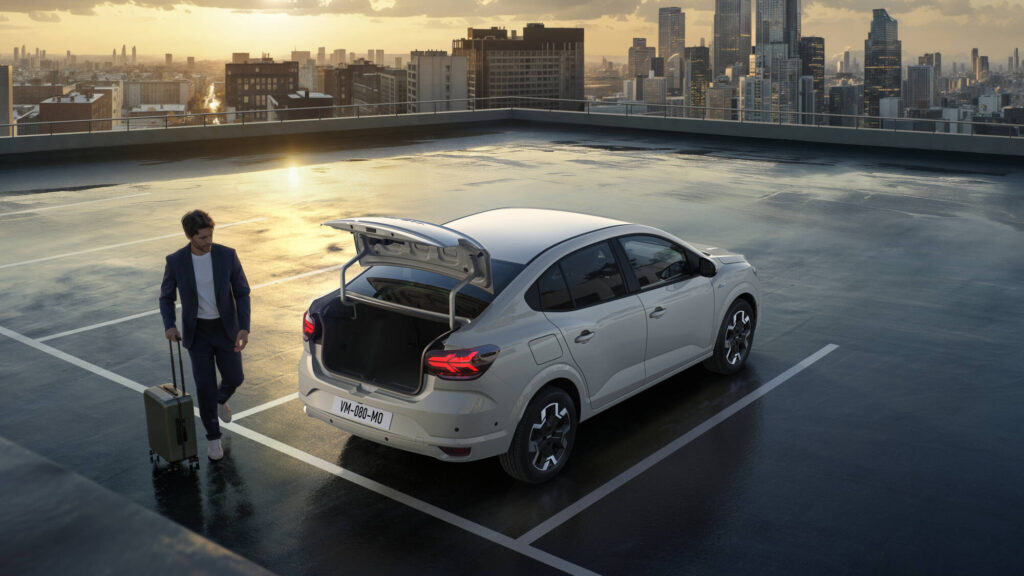
The Dacia Logan regularly suffers from starting problems, frozen intercooler hoses and moisture build-up at low temperatures. These known weak spots mainly affect older models and require preventive maintenance. Discover below which faults you can expect and how to avoid winter misery.
Why won’t the Dacia Logan start in winter?
At temperatures below -3°C many Dacia Logans do not start straight away. The engine briefly runs up, but then stalls without properly starting. This happens with both diesel and petrol versions, especially the Logan MCV from 2012 and earlier. Owners report that the revs rise for a moment but do not follow through into a full start.
Possible causes of this cold-start problem include a weakened battery, a contaminated fuel filter or faults in the starter motor. In diesel versions, the lack of a preheating system also plays a role. In winter the battery has to work extra hard to get cold oil and a cold engine moving. If the charging capacity is insufficient, the starting system simply does not have enough power.
In addition, condensation in the fuel system can cause icing. Water in the fuel filter freezes in frost and blocks the supply of diesel or petrol. This explains why the engine runs briefly on the remaining fuel, but then cuts out.
‘ Replace the hose if in doubt, because a defective hose can cause serious engine damage. ’
Common winter faults with the Dacia Logan
Besides starting problems there are several complaints that appear specifically in winter. Knowing about these weak spots helps you carry out targeted checks and take preventive measures.
Frozen intercooler hose
In turbo diesel versions, the intercooler hose can freeze. This component cools the air compressed by the turbo before it enters the engine. In extreme cold, moisture inside the hose can freeze, blocking the air supply. The result is loss of power, juddering or even the engine cutting out while driving.
Check the intercooler hose for cracks and moisture build-up. Replace the hose if in doubt, because a defective hose can cause serious engine damage. Parking in a garage or warm environment prevents this problem in many cases.
Insufficient heating in the driver’s cabin
A recurring complaint is the lack of warmth in the driver’s footwell. This problem occurs with both dCi diesels and petrol versions. The cause is often a blocked air duct or a build-up of dirt under the dashboard.
Crouch down in the pedal area and check whether dirt, leaves or insulation material are blocking the flow of warm air. Carefully remove any obstructions. Also check that the flaps in the ventilation system move smoothly. Sometimes the cable that opens and closes the flap gets stuck.
Battery and start-stop system stress
The start-stop system reacts sluggishly in freezing conditions. The battery and engine are put under extra strain while warming up, so the system only activates later. This is normal behaviour, but it can cause confusion. Test the battery for capacity before winter and replace it if the voltage collapses under load.
Head gasket and climate control
On some older Logans, the head gasket is prone to cold-related wear. Sudden temperature changes can cause small cracks, leading to coolant leaks or overheating. In addition, the air conditioning sometimes fails in winter, which indirectly contributes to condensation forming on the windows.
Practical winter tips for the Dacia Logan
Preventive maintenance and targeted checks keep your Logan reliable during the cold months. Follow the steps below to avoid freezing and starting problems.
Fitting winter tyres
Fit winter tyres when temperatures drop below 7°C. Winter tyres are three times more effective on snow than summer tyres. The braking distance on wet roads at 80 km/h is 4 metres shorter, on ice at 30 km/h even 20 metres shorter. Replace tyres when tread depth is below 3 to 4 mm or when they are older than six years, as the rubber hardens and grip decreases.
Checking frost protection
The coolant must be protected down to at least -25°C. Use a hydrometer or have the coolant and screenwash checked at the dealer. Top up with suitable antifreeze if necessary. Also check the windscreen wipers, brake fluid and tyre pressures.
Winter maintenance checklist
Have the following parts checked before the freezing season:
- Battery: charging capacity and terminals for corrosion
- Windscreen wipers: rubber for cracks and wear
- Brakes: wear on brake pads and discs
- Lights: operation of all bulbs
- Fuel filter: replace if in doubt
Diesel preheating when parked for long periods
When parking for long periods in freezing conditions, an engine pre-heater is helpful. This device keeps the engine at temperature and prevents starting problems. For diesel engines this is especially valuable, as diesel becomes more viscous in extreme cold.
Tackling moisture build-up
Regularly check for moisture under the mats and in the boot. Moisture can freeze and hinder the heating system. Place moisture absorbers in the car and run the air conditioning regularly to remove excess moisture.
Experiences of owners with the Logan in winter
Owners report mixed experiences on forums. Some drive 16,000 kilometres without problems with a fuel consumption of 5.2 litres per 100 kilometres, even towing a trailer in the snow. With snow chains, the Logan remains easy to control on winding snow-covered roads.
Others suffer from repeated breakdowns in cold weather. These problems are often solved by a dealer check and targeted repairs. The message is clear: prevention pays off with the Logan. With regular attention, the car remains cost-effective and reliable.
‘ Don’t wait too long to have repairs carried out, as damage can escalate quickly. ’
When should you go to the garage?
Visit the garage if you have persistent starting problems, loss of power or strange noises. A winter check at the dealer includes inspection of tyres, brakes and fluids. This gives peace of mind and helps prevent unexpected faults during the coldest period.
Watch out for coolant leaks, white smoke from the exhaust or highly fluctuating engine revs. These can be signs of a blown head gasket or other internal engine problems. Don’t wait too long to have repairs carried out, as damage can escalate quickly.
On the Carnews website you will find much more information about common faults, maintenance schedules and tips for other Dacia models. Discover what other car enthusiasts share and expand your knowledge of car technology and practical solutions.
Frequently asked questions
In freezing conditions Dacia Logan owners mainly report cold-start problems: the engine fires briefly, the revs rise for a moment and then the car stalls again or will not start at all, both with petrol and diesel models (especially older MCVs). This is often related to a weak battery, fuel or glow system issues and insufficient antifreeze protection of the coolant and screenwash. You can prevent this by having a winter check carried out (battery, glow plugs/ignition, fuel filter, coolant, screenwash) and by not leaving the car unused outside for long periods in severe frost. Extra measures such as good diesel or engine preheating and driving regularly instead of only making short trips further help to limit starting problems.
The heating in the Dacia Logan is often considered mediocre, especially in the driver’s footwell, where it sometimes barely gets warm in severe cold. The ventilation and demisting are adequate, but if the air conditioning has issues, condensation can build up on the windows more quickly in winter. A known weak point is that air ducts in the pedal area can be partially blocked by dirt or trim, which worsens heat distribution. Regularly checking the air ducts and proper HVAC maintenance help to noticeably improve performance in winter.
The driving stability and grip of a Dacia Logan on snowy or icy roads depend heavily on fitting good winter tyres; with the right tyres the car remains predictable and fairly stable, but it is still a simple front-wheel drive without advanced four-wheel drive. Winter tyres are strongly recommended below 7°C, because on snow they provide up to three times more grip than summer tyres and clearly shorten the braking distance. Choose quality winter tyres with at least 3–4 mm tread and replace them when they are more than about 6 years old. For mountainous or extremely snowy areas, snow chains are also recommended.
For winter maintenance on a Dacia Logan, particular attention should be paid to coolant (antifreeze), screenwash with antifreeze, engine oil (preferably with a viscosity suitable for cold conditions) and brake fluid, as well as components such as battery, brakes, windscreen wipers and tyres. A complete winter check at an independent garage or dealer (inspection + topping up fluids, visual check of brakes/battery/wipers/tyres) generally costs €40–€80. Renewing coolant or brake fluid usually costs €70–€150 per service, depending on the garage and engine type. New windscreen wipers and winter/all-season tyres are the biggest variable costs: wipers around €20–€50 per set and tyres including fitting approximately €60–€120 per tyre.
Yes, in severe frost owners report that the door locks on the Dacia Logan can freeze solid, as can the windscreen wipers (especially if they remain stuck to the glass overnight). An effective solution for the locks is to use a silicone or graphite spray preventively in the lock cylinders and on the rubber seals, and to keep the rubbers clean and dry. For the windscreen wipers, it helps to lift the blades off the glass in frosty conditions, use de-icer and not to operate the wipers on a frozen windscreen. If problems persist, updated lock mechanisms or wiper arms/blades with better rubber can be fitted.