
The Dacia Spring 2026 becomes significantly more powerful and quicker to charge thanks to a completely new battery, offering up to 100 hp and an improved chassis. These updates make the compact electric city car much more practical for everyday use and increase reliability. Curious how Dacia is taking Europe’s cheapest EV to the next level?
The updated Spring will come to market with two motor variants: an entry-level version with 69 hp and a top version with 99 hp. This is a major step forward compared with the previous generations with 45 and 65 hp. The more powerful motor not only provides faster acceleration, but above all makes overtaking on secondary roads and keeping up on motorways more comfortable and safer.
It is especially the 99 hp version that shows impressive improvements. Whereas accelerating from 80 to 120 km/h in the old Dacia Spring was quite a challenge, the new version does this in 6.9 seconds. The old variant needed no less than 14 seconds for the same sprint. The 69 hp version also performs considerably better, with 10.3 seconds compared with the 26.2 seconds of its predecessor.
LFP battery improves durability and charging speed
Dacia is switching to a lithium iron phosphate battery with a capacity of 24.3 kWh. This LFP technology (lithium iron phosphate) is more robust than traditional lithium-ion batteries and is known for a longer service life and more charging cycles. The battery is also more resistant to heat, which is particularly beneficial during hot summers or intensive use.
The range remains around 225 kilometres, despite a slightly smaller battery capacity. This is due to the car’s low weight, which remains under 1,000 kilograms. The improved aerodynamics, with a drag coefficient (a measure of the car’s air resistance) of 0.66, also contribute to its efficiency.
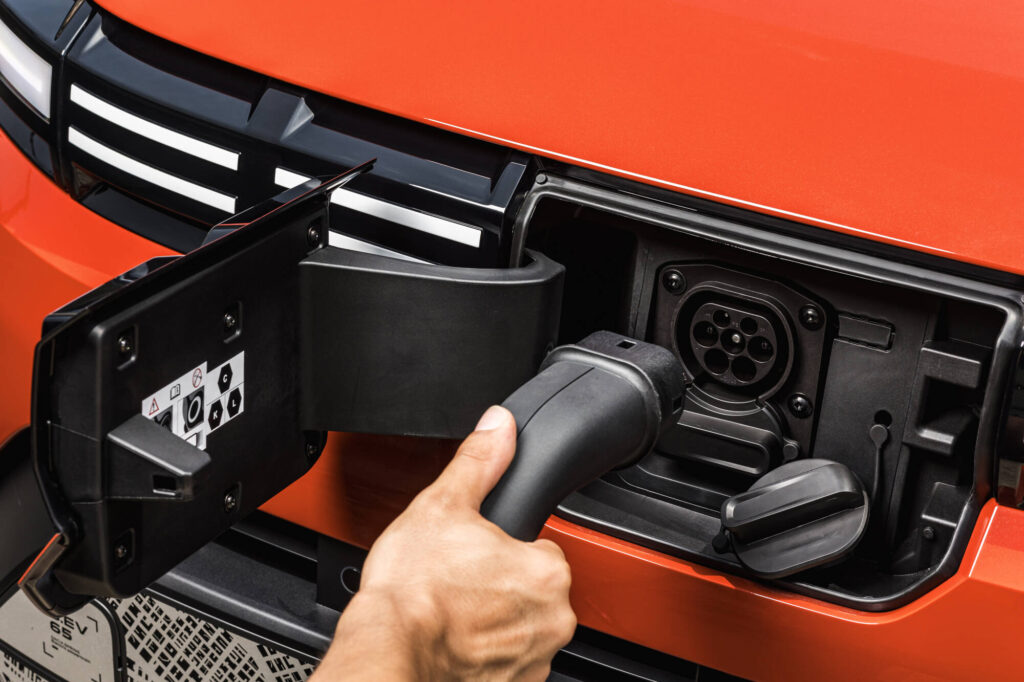
The charging capacity increases to 40 kW for rapid charging, an improvement over the 30 kW of the previous model. As a result, you can charge the battery from 20 to 80 per cent in 29 minutes. This makes the Spring more suitable for longer journeys where a charging stop is required.
What are the biggest upgrades in the Dacia Spring 2026
The chassis has received considerable attention. Dacia has added new anti-roll bars and retuned the shock absorbers and springs. These adjustments improve stability in corners and increase braking performance. The front wheels now have ventilated brake discs with a diameter of 238 millimetres.
The chassis itself has been reinforced for better rigidity and weight distribution. This improves crash protection and contributes to safer handling. The new battery placement plays an important role in this.
Key improvements at a glance:
- Two motor options: 69 hp and 99 hp for better performance
- 40 kW rapid-charging capacity saves charging time
- LFP battery with longer life and heat resistance
- Anti-roll bars and tuned chassis for more stable handling
- Ventilated brake discs for improved braking performance
- Reinforced chassis with better crash protection
Is the Dacia Spring 2026 more reliable than earlier models
The new technology points to improved reliability. LFP batteries last longer and show less capacity loss after thousands of kilometres. Users of this type of battery report minimal degradation after long-term use, which keeps the battery in good condition for many years.
The chassis and brakes benefit from more robust components. The anti-roll bars reduce the load on the chassis in corners, which reduces wear on the suspension and tyres. The larger, ventilated brake discs stay cooler during intensive use, which extends their service life.
Dacia has expanded the electronics and safety features. On higher trim levels, a reversing camera, blind-spot warning and hill start assist now come as standard. Front and rear parking sensors help when manoeuvring in tight city spaces.
The Spring’s simple construction helps keep maintenance costs low. Electric drivetrains have fewer moving parts than combustion engines, which reduces the risk of faults. The low weight keeps the load on components limited.
Trim levels offer practical features
The Spring is available in two versions: Expression with the 69 hp motor and Extreme with 99 hp. The Expression comes with a 7-inch digital instrument cluster, manual air conditioning, cruise control and the Media Control system. The latter allows you to use your smartphone as a screen for navigation and entertainment.
The Extreme version adds a 10-inch touchscreen with wireless Apple CarPlay and Android Auto. This version also has electrically operated windows and copper design accents in the interior. The boot space is VDA certified and offers sufficient room for everyday use.
Practical tips for choosing the right version:
- Do you mainly drive in the city? The 69 hp Expression is more than adequate
- Do you regularly plan motorway miles? Choose the 99 hp Extreme for safer overtaking
- Missing a touchscreen? The Media Control app on your phone works fine with Android Auto
- Keep an eye on tyre pressure for optimum range – this can save up to 10 per cent energy
- Consider all-season tyres for better grip on wet roads
‘ This makes the Spring one of the most affordable electric cars on the European market. ’
When will the Dacia Spring 2026 be available and how much will it cost
The Dacia Spring 2026 will be available from around 16,900 euros. The price varies by market and may be lower due to subsidies and tax benefits for electric cars. In the United Kingdom, the price including grants is 12,240 pounds.
This makes the Spring one of the most affordable electric cars on the European market. For budget-conscious drivers switching to electric, this model offers an easy entry point. The low purchase price is combined with limited running costs thanks to simple maintenance and favourable electricity tariffs for charging.
The top speed is 125 km/h, which is sufficient for urban traffic and secondary roads. The light steering and tight turning circle make the car extremely suitable for urban environments. Parking in narrow streets and manoeuvring in heavy traffic are effortless.
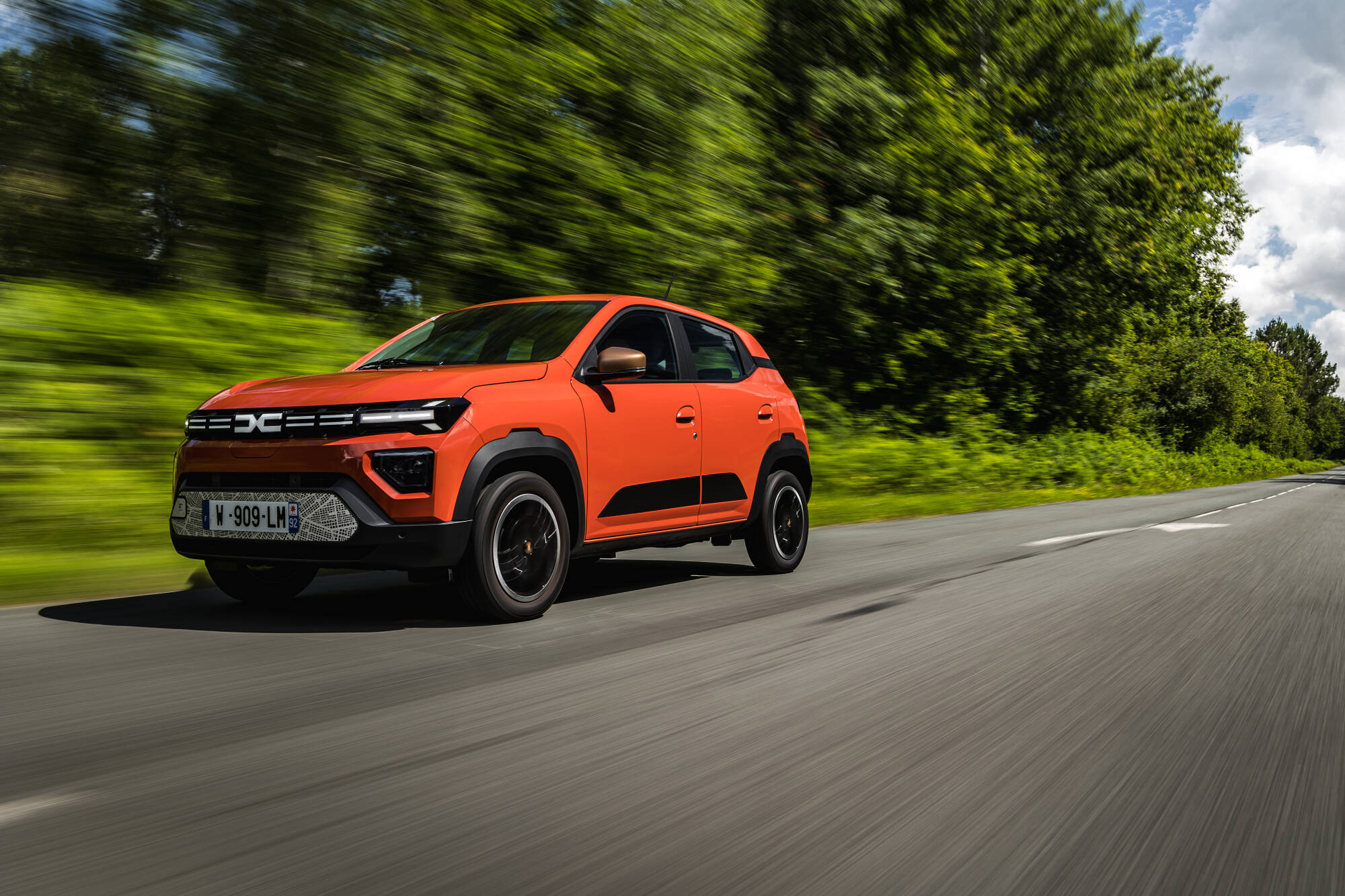
The 2026 version is available in various colours, including eye-catching shades such as khaki and seafoam for those who want to stand out. The quiet, smooth driving experience is typical of electric propulsion and makes short city trips in particular very comfortable.
Real-world experiences point to improved ease of use
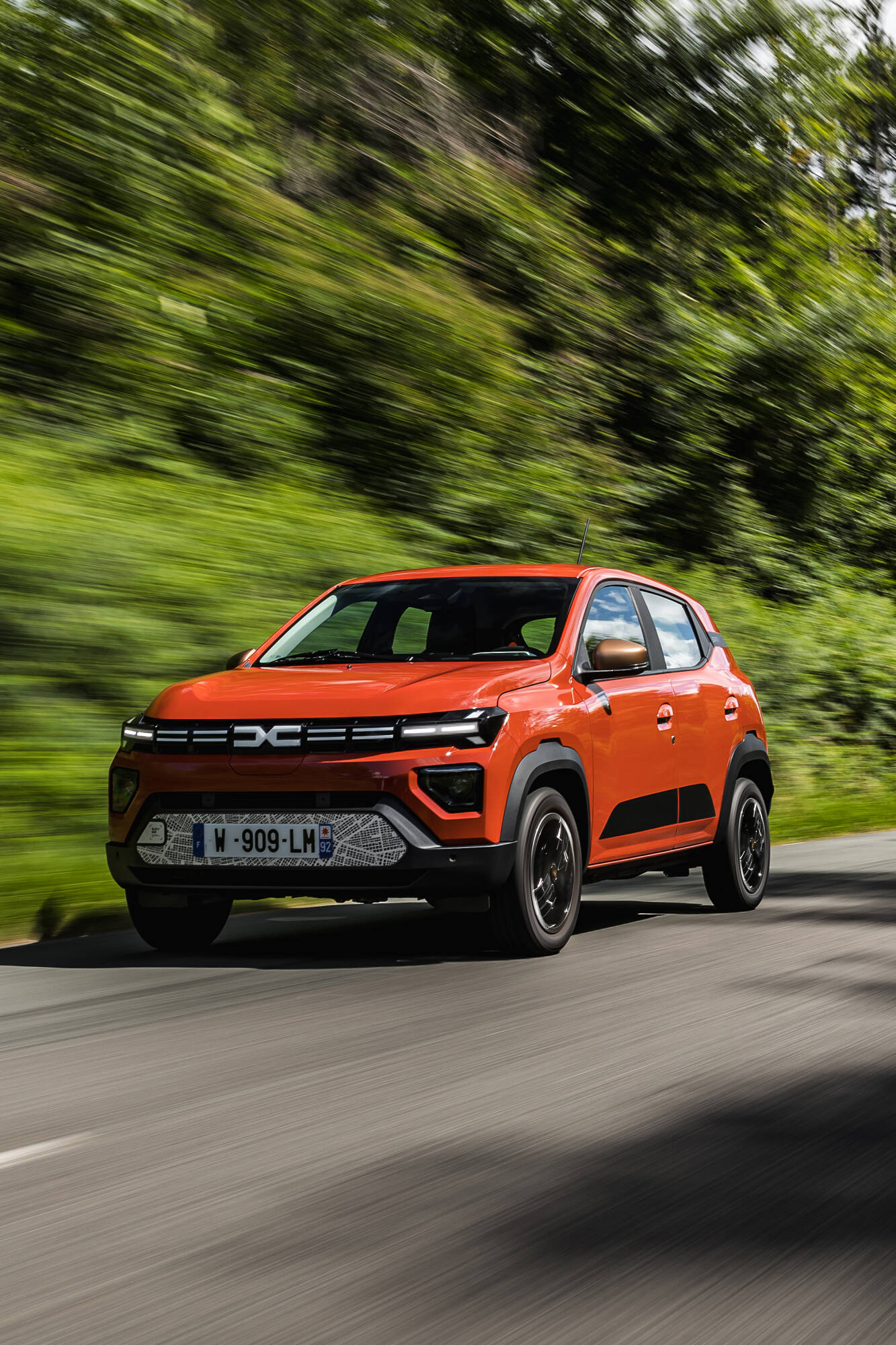
The improvements to the motor and chassis make the Spring better suited to varied use. Whereas earlier models mainly performed well in the city, the new version also offers acceptable performance outside urban areas. The stronger acceleration makes situations where you need to pull away quickly safer and less stressful.
The improved chassis provides more stable handling in corners. This increases confidence behind the wheel, especially on twisty roads or at higher speeds. The better brakes give you more control during emergency stops or when braking on descents.
The faster charging capability enhances everyday usability. A coffee stop of half an hour is enough to recharge the battery largely, making longer trips feasible. For daily use in an urban environment, home or workplace charging is usually sufficient.
On the Carnews website you will find more information about electric cars, maintenance advice and practical tips to increase your range. Discover which electric models suit your driving profile and get the most out of your EV experience.
Frequently asked questions
The Dacia Spring 2026 maintains a driving range of around 225 km (WLTP, approx. 140 miles), despite a slightly smaller 24.3 kWh LFP battery, thanks to higher efficiency and lower weight. Charging speed has been improved by increasing the maximum DC rapid-charging capacity from 30 kW to 40 kW. As a result, the battery can now be charged from 20% to 80% in about 29 minutes.
We can expect a refreshed interior with a digital instrument cluster, a larger central touchscreen, and improved materials and finish for greater comfort. On the technology side, there will be more connectivity options, such as (wireless) Apple CarPlay and Android Auto, plus more extensive driver-assistance systems. Ease of use will also be enhanced by better ergonomics, more storage compartments and practical features such as parking sensors and a reversing camera. Finally, USB ports and smart integration with smartphone apps will make everyday use even simpler.
Yes, modifications have been made to both the chassis and the drivetrain that improve handling and acceleration. The chassis has gained new anti-roll bars and retuned shock absorbers and springs, which improve stability and braking performance. The drivetrain has been upgraded with more powerful electric motors (69–70 hp and 99–100 hp instead of 45 and 65 hp), which makes mid-range acceleration (80–120 km/h) much quicker. The ventilated brake discs and improved weight distribution also contribute to more secure and pleasant handling.
The Dacia Spring 2026 positions itself clearly below many competitors in the electric city-car segment in terms of price, with a starting price of around €16,900, making it one of the cheapest EVs. Despite the low price, the Expression trim already offers a 7″ digital instrument cluster, air conditioning, cruise control and basic connectivity, which is competitive in this segment. The more expensive Extreme version adds, among other things, a 10″ touchscreen with wireless Apple CarPlay/Android Auto and extra comfort and design features, meaning that in practice its equipment is on par with, or even ahead of, some more expensive rivals. As a result, the Spring 2026 takes on the role of price breaker with surprisingly complete equipment for its price point.