
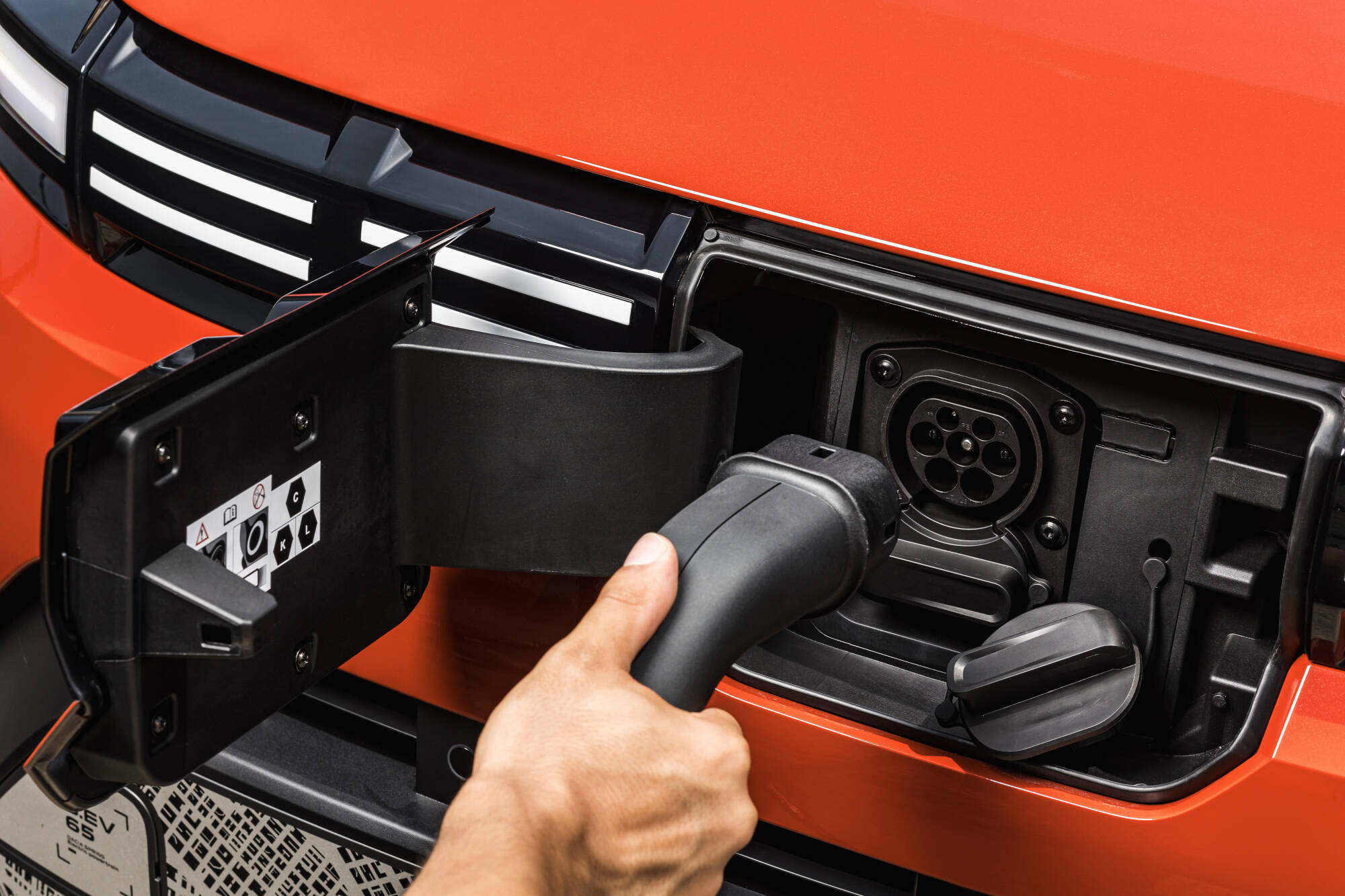
The Dacia Spring is Europe’s cheapest electric car. However, the car struggles with persistent reliability problems. Alternatives such as the BYD Atto 2 and Citroën ë-C3 do not show these faults. While the Spring will receive upgrades in 2026, other compact electric cars already offer better battery cooling, fewer faults and a longer winter range. Reliability comes at a price, but how much should that be?
Known problems with the Dacia Spring
The Dacia Spring attracts many city drivers with its low entry price. However, owners regularly report faults. These disrupt the driving experience. The most common problem is the rapid discharge of the 12V battery. This auxiliary battery runs flat within a few days when the car is parked. The cause is a high parasitic current draw. The problem is often due to reversed polarity or a defective DC/DC converter. This converter works together with the charger. As a result, diodes on the circuit board blow.
In addition to battery problems, many drivers report faults while driving. These concern sensor errors and safety issues. The car suddenly switches to safety drive mode, with the battery indicator dropping unexpectedly. Some owners see the capacity fall by sixty per cent. This happens within just a few kilometres. Steering balance is weak in bends and the motor sometimes keeps running after switching off. The rear seat lock also jams on some models, requiring a recall at the dealer.
The Spring does not have battery cooling. This is a system that keeps the battery pack at the right temperature. Without thermal management, battery degradation speeds up. This happens especially at temperatures above 25 degrees Celsius. Frequent rapid charging also accelerates degradation. In cold climates, the practical range drops to just 65 miles, because the heating function uses a lot of energy. The My Dacia app regularly fails and software updates do not resolve many of the reported problems.
‘ The Dacia Spring scored just one star in the Euro NCAP test, while alternatives such as the ë-C3 achieve four to five stars. ’
Comparison with reliable alternatives
Alternatives in the same market segment show clear differences in reliability. By market segment we mean compact, affordable electric cars for city use. The BYD Atto 2 and Citroën ë-C3 are slightly more expensive, but offer active battery cooling that significantly extends service life. This cooling prevents rapid degradation at higher temperatures. It also prevents wear during DC rapid charging. This is fast charging with direct current. The practical winter range for these models is at least 150 miles, twice as much as the Spring in comparable conditions.
The safety score is another clear difference. The Dacia Spring scored just one star in the Euro NCAP test, while alternatives such as the ë-C3 achieve four to five stars. These models have more driver assistance systems. They also offer better crash protection. The infotainment system is more reliable, without the app issues and software faults that Spring owners frequently report.
In terms of purchase price, the Spring remains the lowest entry-level model on the market. For city use over short distances this may be sufficient. However, longer journeys place higher demands. Harsh winters and long-term battery performance also demand more. With alternatives you pay a higher price. In return, you get significantly better thermal management. There are also fewer faults.
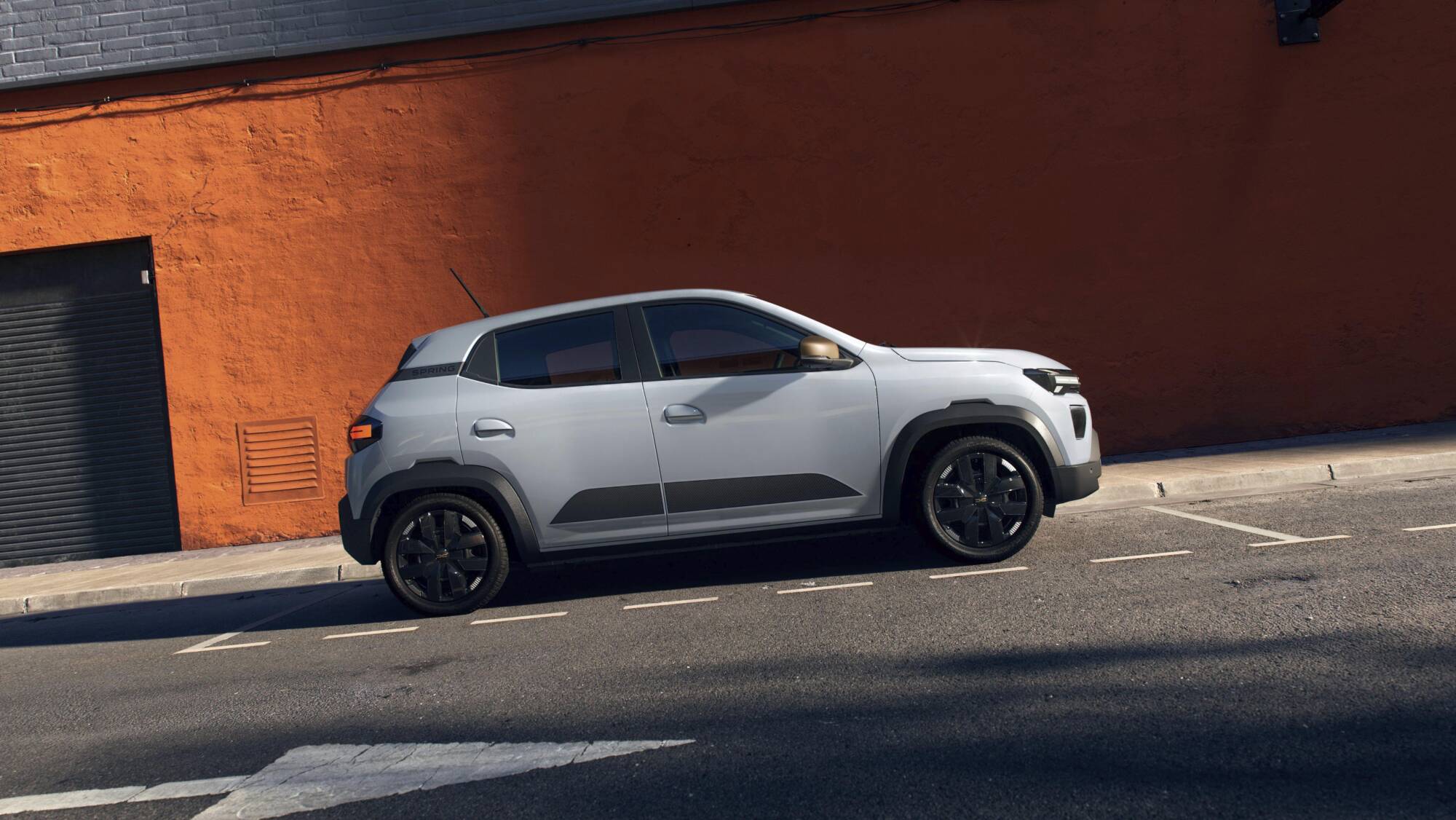
Is the Dacia Spring more reliable than the Citroën Ami?
The Citroën Ami and Dacia Spring serve different segments. The Ami is a four-seat quadricycle that can be driven without a driving licence, with a top speed of 45 kilometres per hour and limited range. The Spring is a fully fledged car with number plate and higher speed. In terms of reliability, the Spring struggles with more complex electronics. This results in more electronic faults. The Ami is more simply built and has fewer technical problems.
The Ami has no DC/DC converter. This is a component that converts voltage for electrical systems. The Ami also has no active safety systems. These can fail. As a result, most complaints about the Ami are limited to low range and limited comfort, without the sensor problems and 12V discharge that Spring owners regularly experience. For anyone looking for a reliable vehicle for very short city journeys, the Ami therefore poses less risk of technical faults, but also offers far less functionality.
Which EV is better without faults?
Compact electric cars with active battery cooling and more stable electronics perform better for reliability. By more stable electronics we mean control systems that are less prone to faults. This is done in a separate sentence for clarity. The BYD Atto 2 has advanced thermal management that protects the battery chemistry in both heat and cold. This prevents the rapid loss of capacity that occurs with the Spring. The Citroën ë-C3 also offers battery cooling and higher safety standards, with fewer reported faults in user forums.
The Renault Zoe, although not a direct competitor in terms of price, now has a long track record of proven reliability. The electronics are stable and the 12V battery does not show structural discharge problems. Owners occasionally report software updates, but without the frequent sensor errors and safety mode activations that occur with the Spring.
Looking for better reliability without too much extra cost? Then look at the second-hand market. Models such as the Volkswagen e-up! and the Skoda Citigo iV offer proven technology and easy maintainability. These cars have a lower chance of electronic faults and have better thermal management than the Spring.
‘ Alternatives with better reliability cost more, but save on long-term maintenance costs and provide more peace of mind. ’
Should you trade in a faulty Dacia Spring?
Trading in depends on the problems. Look at the nature of the faults. Also pay attention to how frequently they occur. Regular 12V discharge requires weekly checks or fitting a trickle charger when parked for a long time. This is annoying, but manageable. With persistent sensor faults or safety problems while driving, trading in is a realistic option, because these faults can affect road safety.
First check whether the dealer can help. Ask about software updates. Also ask about recalls. These are call-backs where the manufacturer fixes a known problem free of charge. Some problems are resolved this way, although users report that not all complaints disappear. If the car is still under warranty, record all faults and discuss possible solutions or replacement with the dealer. Repairs outside warranty can be expensive. This applies especially to circuit board defects. Converter defects are also costly. By converter defects we mean faults in the DC/DC converter that converts voltage.
Trading in often means loss of value, because the known problems push down the second-hand value. Alternatives with better reliability cost more, but save on long-term maintenance costs and provide more peace of mind. Weigh up whether the low purchase price of the Spring outweighs the frequent faults and limited durability of the battery without cooling.
Upgrades in 2026 and practical tips
Dacia has announced modifications for the Spring in 2026. For example, the manufacturer is planning improvements to the software and battery cooling. These upgrades are expected to include improved software. There will also be adapted thermal management. There may also be an improved 12V battery control system. It remains to be seen whether these changes will fully resolve the current problems. Owners of existing models may not automatically benefit from these improvements.
For current Spring owners, a few practical measures are useful:
- Drive the car daily to prevent 12V discharge
- Fit a trickle charger when the car is parked for a long time
- Avoid frequent rapid charging to limit battery degradation
- Precondition the car via the app before cold starts
- Have software updates carried out at the dealer
- Regularly test cruise control and air conditioning for correct operation
The Spring remains suitable as a second car for short city journeys. For longer trips, severe winter weather or for those who prioritise reliability, alternatives with battery cooling and more stable electronics offer more assurance. The low price goes hand in hand with a higher risk of faults and faster battery wear.
Reliability or low price
The Spring offers the lowest entry price in the EV market and is sufficient for short city journeys. However, do you value reliability, winter performance and long battery life? Then choose models with active cooling and more stable electronics. The BYD Atto 2 and Citroën ë-C3 cost more to buy, but offer fewer faults, lower maintenance and more peace of mind. Anyone who has doubts about the Spring because of the known problems would be wise to test alternatives before buying.
On the Carnews website you will find more information about electric cars, maintenance tips and comparisons between different models. Discover which EV best suits your driving style and read about other car enthusiasts’ experiences.
Frequently asked questions
For a car enthusiast, the Dacia Spring feels more like a basic, lightweight city car than a serious EV: little power, limited cornering stability and a less refined chassis than direct rivals. Competitors with a better chassis and more carefully tuned stability inspire more confidence at higher speeds and in bends, and offer quieter, more solid driving characteristics. Because of the lack of battery cooling and its poor winter performance, the Spring feels more vulnerable and less consistent than rivals that deliver their power and regeneration more steadily. In addition, faults (sensor errors, 12V issues) spoil the experience, whereas competitors generally offer a more trouble-free, mature EV experience.
With the Dacia Spring, the main specific problems mentioned are rapid discharge of the 12V battery, recurring sensor and software faults, limited range (especially in winter) and accelerated battery wear due to the lack of active cooling. There are also reports of defects in the DC/DC converter, safety mode switching on unexpectedly and poor app/infotainment functionality. Compared with alternative compact EVs (such as BYD and Stellantis models), these generally score better on reliability thanks to more advanced thermal battery management, fewer electronic faults and a more stable range. As a result, the overall reliability and expected durability of competing, slightly more expensive EVs is in practice higher than that of the Dacia Spring.
Compared with alternative entry-level EVs, the Dacia Spring has a clearly more limited practical range, especially in winter, and lacks active battery cooling, which reduces its usability on longer journeys. Its charging speed and use of the charging infrastructure are also simpler and slower than with slightly more expensive competitors, which often offer faster and more stable charging performance. On the other hand, the Spring is much cheaper to buy, which keeps it financially attractive as a city car or second car. For the enthusiastic driver who is looking for driving pleasure, reliability and versatile use (including outside the city), alternative entry-level models are generally a better fit than the Spring.
Yes, there are alternative compact EVs that can be a smarter investment than the Dacia Spring, particularly models such as the Citroën ë-C3 and (in some markets) smaller BYD models. These are indeed more expensive to buy, but generally offer a greater practical driving range, better battery and thermal management and significantly higher safety levels (more and better assistance systems, often 4–5 Euro NCAP stars instead of 1). In addition, they are often better equipped (comfort, infotainment, charging options) and are likely to be more reliable in the long term, which can partly offset the higher purchase price. For the car connoisseur who values engineering, safety and residual value, these types of alternatives are usually a more rational choice than the Spring.