
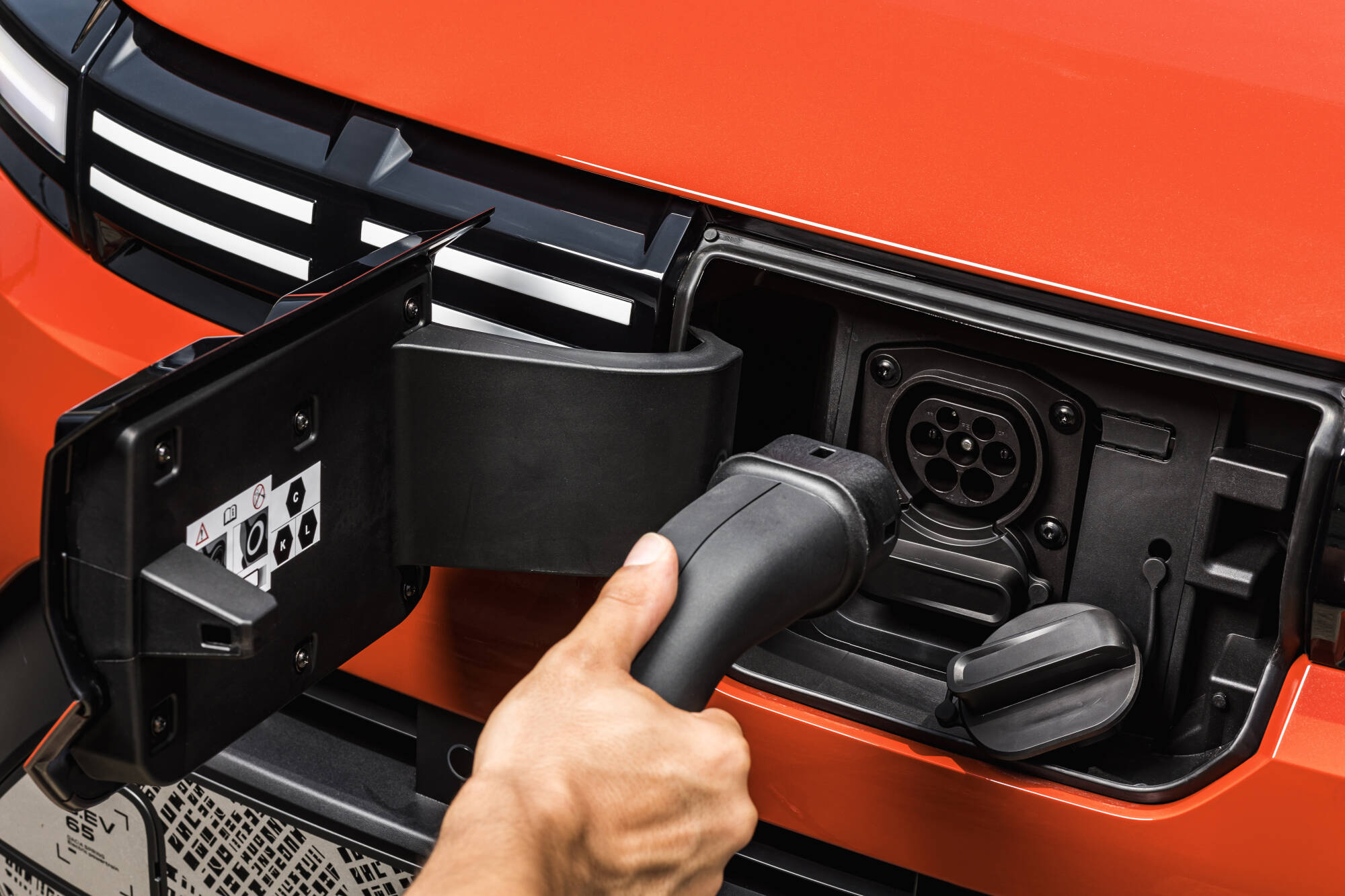
The Dacia Spring may be the cheapest electric car on the market, but early defects in the suspension, brakes and lighting make this entry-level model more expensive than expected according to TÜV reports and user experiences. Repairs to the Dacia Spring can already amount to thousands of euros at low mileages. So is that attractive purchase price really such a good deal?
High defect rates in young cars
TÜV reports show that the Spring displays problems strikingly often in relatively young vehicles. This is surprising for an electric car that, due to its simple drivetrain, should actually require less maintenance than petrol or diesel cars. Most complaints concern suspension issues, worn axles and defective lighting.
Owners report that these defects in some cases occur after just one to two years of use. This means you can face unexpected costs even within the warranty period, especially if the fault falls outside standard coverage. A thorough inspection when buying a used example is therefore essential.
‘ Although electric cars often show less wear on brake discs and pads thanks to regenerative braking, this advantage turns out to be limited with the Spring. ’
Suspension problems lead to high bills
Worn axles and leaking shock absorbers are among the most frequently reported defects. Repair costs for suspension problems range between 500 and 2000 euros. That is a hefty outlay for a car that is available new from around 20,000 euros.
The weight of the Spring plays a role here. Despite its compact size, the car is relatively heavy because of the battery pack. This extra weight puts more strain on the suspension and chassis than you would expect from such a small city car. Always check the condition of the suspension at the MOT or before purchase.
Brakes wear faster due to weight
The brakes also suffer from the vehicle’s weight. Although electric cars often show less wear on brake discs and pads thanks to regenerative braking, this advantage turns out to be limited with the Spring. Owners notice that brake components need replacing more often than on comparable models.
Repair costs for brake maintenance vary from 300 to 600 euros. Have them checked at every service or MOT to prevent costly damage to the braking system. Early replacement prevents further wear and expensive consequential damage.
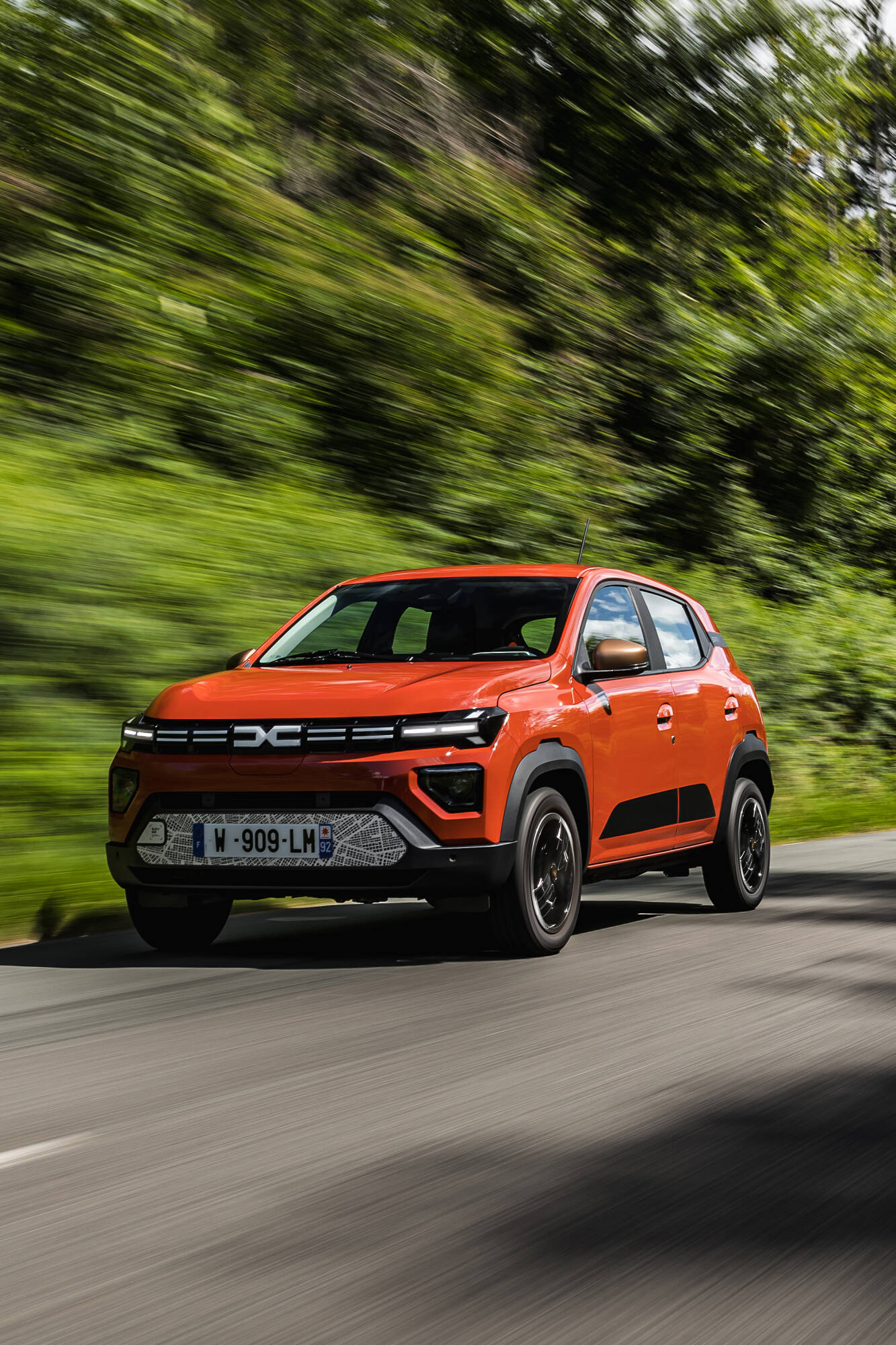
Lighting defects require regular attention
Defective lights occur regularly with the Spring. This may sound like a minor issue, but it can still cost you 100 to 300 euros per repair if you have it done at a dealer. The cause is often a combination of electrical faults and poor mounting of lighting components.
Many owners choose to carry out simple bulb changes themselves. Doing it yourself significantly reduces costs in practice. Do bear in mind that electrical faults sometimes lie deeper and require professional diagnostics. Pay attention to warranty conditions here: DIY repairs can affect your warranty entitlement in certain situations.
Higher tyre costs due to fast-wearing rubber
In addition to repairs to mechanical components, tyres are a recurring expense. The Spring runs on 165/70 R14 tyres which, due to the car’s weight, wear faster than on conventional city cars. Expect to pay 200 to 400 euros per set, depending on the brand chosen.
You will need new tyres more often than with lighter cars. This increases total annual maintenance costs. Ideally choose energy-efficient tyres such as the Michelin Energy Saver to limit wear somewhat and optimise driving range.
‘ Most of the costs therefore do not stem from the car’s electric nature, but from the quality of the chassis and electronics. ’
Annual maintenance costs remain limited
Despite the repairs mentioned, annual maintenance costs at a dealer remain limited to around 150 to 200 euros for standard services. This is because an electric drivetrain does not require oil, filters or spark plugs. All-in packages at dealers cover standard work including original parts, which keeps costs predictable.
The electric drivetrain itself is reliable and needs little attention. The battery comes with an eight-year or 120,000-kilometre warranty, giving you peace of mind regarding the most expensive component. Newer models from 2026 onwards even get a total factory warranty of seven years.
Most of the costs therefore do not stem from the car’s electric nature, but from the quality of the chassis and electronics. Air conditioning maintenance and tyre replacement, together with the repairs mentioned earlier, make up the largest expenses.
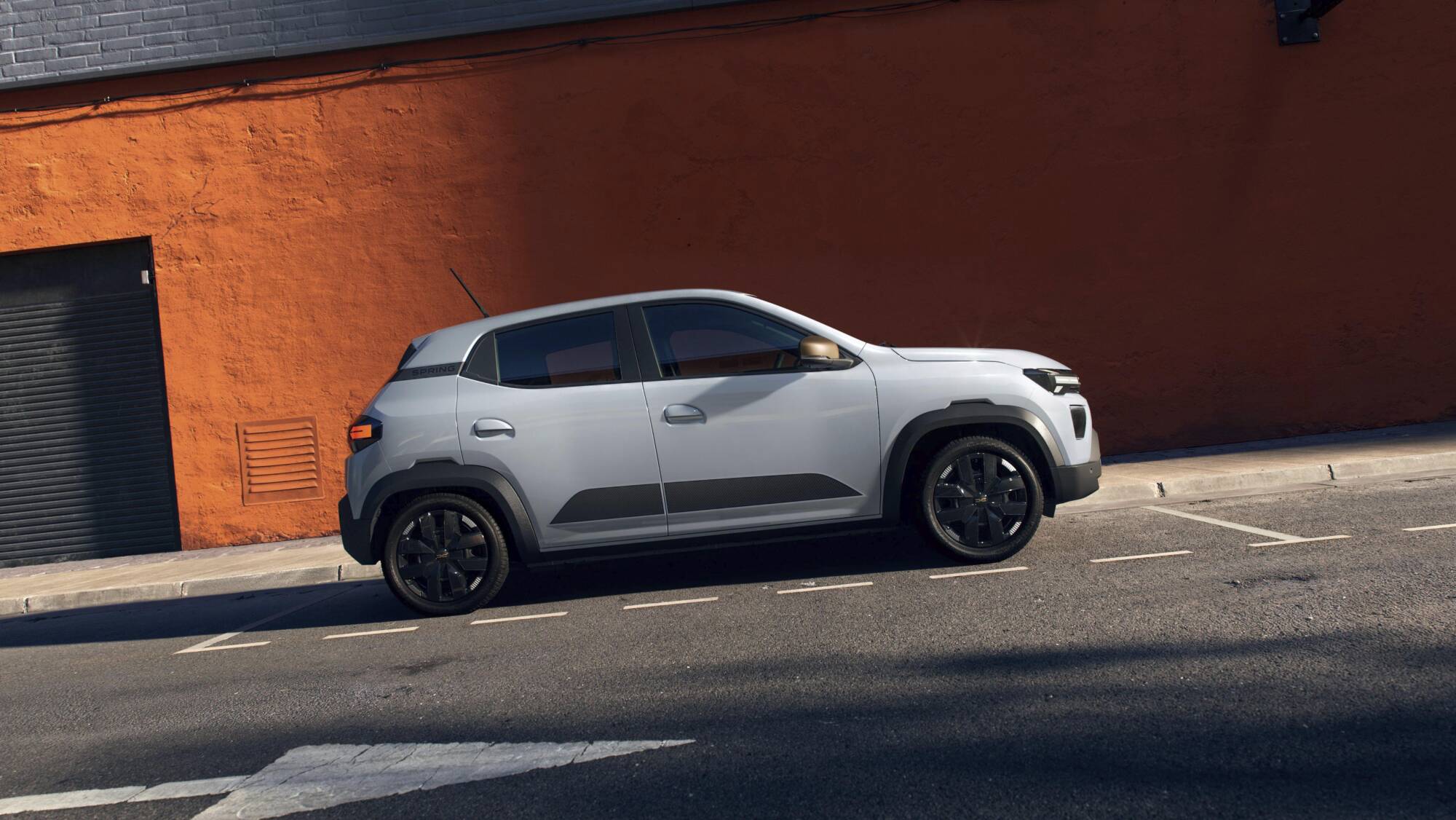
Warranty offers protection, but not for everything
The standard warranty is three years or 100,000 kilometres. On top of that you get six years’ bodywork warranty and two years’ paint warranty on the body. Dealers also offer a one-year warranty on repairs carried out and roadside assistance during the warranty period.
Do note that not all defects are automatically covered by the warranty. Wear to suspension and brakes is often seen as normal wear and tear, meaning you have to bear these costs yourself. Read the warranty conditions carefully and ask your dealer for clarification if you are in doubt.
Does the Spring still pay for itself despite defects?
Whether the Dacia Spring pays for itself depends on your driving habits and maintenance costs. For daily use in town, running costs are low thanks to cheap electric miles. You save on fuel and benefit from low vehicle tax.
Set against these benefits are higher repair costs for suspension, brakes and lighting. In the event of unexpected defects, the total bill can mount up considerably. You run the greatest risk of costly surprises with used examples without remaining factory warranty.
Anyone who covers many miles in the city and mainly sees the car as a functional means of transport may still find the Spring attractive. Drivers looking for a worry-free car with minimal maintenance costs will find better alternatives. In both cases, make sure you have a financial buffer for unexpected repairs.
Tips to keep costs under control
Various measures help keep costs manageable. When buying, always opt for the version with the 30 kW DC fast charger. This option costs 600 euros extra but significantly increases the resale value. Without the fast-charging option, the car is less attractive on the used market.
Always have a thorough inspection carried out when buying second-hand. Check the suspension, brakes and lighting in particular. An investment of a few dozen euros in a pre-purchase inspection regularly reveals thousands of euros’ worth of hidden defects.
Choose dealer all-in maintenance packages with fixed prices. This makes costs predictable and prevents discussions about what work is covered. Some dealers offer extensive warranty packages that also cover wear and tear.
In addition, it helps to keep an eye on the following points:
- Check tyre pressures regularly to prevent unnecessary wear
- Schedule services according to the prescribed maintenance schedule
- Report minor defects to the dealer in good time, especially during the warranty period
- Keep all maintenance and repair invoices for resale value
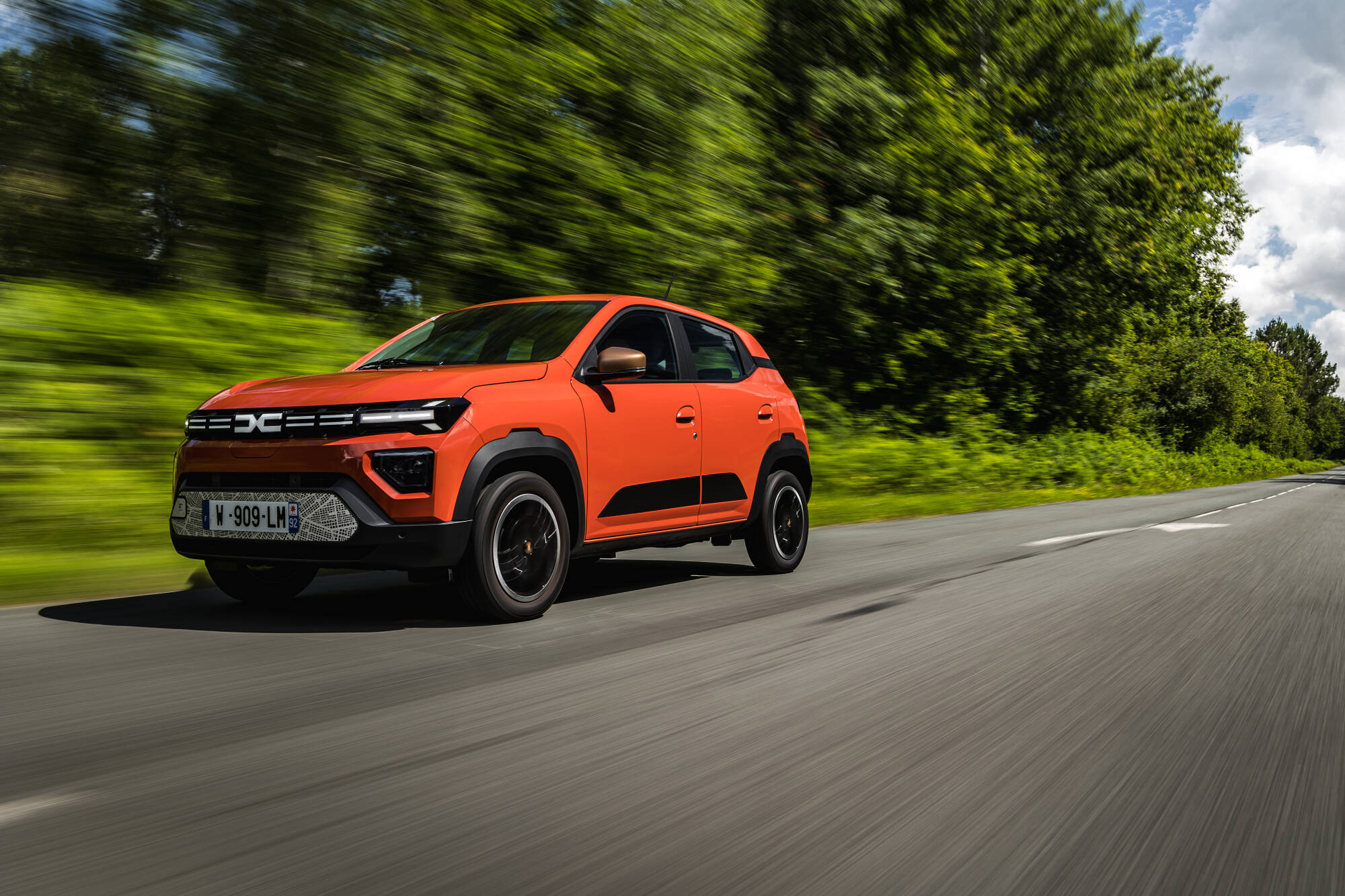
What is the best strategy when buying?
For anyone considering buying a Spring, it is sensible to look at new models with the longer warranty from 2026 onwards. The broader coverage gives you more peace of mind against unexpected costs in the first few years.
With used examples, caution is advised. Always ask to see the full service history and check whether known issues have been resolved. Pay attention to cars that have already had suspension or brake repairs: this may indicate that future problems have already been dealt with.
Avoid basic models without a DC fast charger unless you only ever charge at home and never plan to sell the car on. The investment in the Extreme trim pays off thanks to better equipment and higher residual value. Before subsidies were withdrawn, this version was available from 23,400 euros.
On the Carnews website you will find extensive information about the Dacia Spring and other electric cars. Discover more about maintenance costs, common problems and practical tips for electric vehicle owners.
Frequently asked questions
The repair costs of a Dacia Spring are generally low, partly due to the simple electric drivetrain and inexpensive original parts. Compared with other ‘budget’ EVs, routine services are often slightly cheaper, but the car can incur relatively high costs for suspension, axles and tyres. As a result, a used Spring with hidden wear can ultimately generate similar or even higher repair bills than some competing budget EVs. With a well-maintained example, however, total costs usually remain below the level of more expensive electric models.
The most common defects on the Dacia Spring are problems with the suspension/axles (worn axles, leaking shock absorbers), increased wear of brakes and tyres, and minor faults in the lighting. Repairs to suspension and axles cost on average about €500 to €2,000, depending on the damage. Brake repairs are usually around €300–€600. A new set of tyres generally costs about €200–€400, while minor lighting repairs often remain between €100–€300.
Parts for the Dacia Spring are generally readily available through the official dealer network, partly because it shares technology with other Renault/Dacia models. This keeps most repairs relatively affordable, with routine services starting at around €150–200. However, specific EV components and suspension parts can push up costs to several hundred to well over a thousand euros in cases of premature wear. Overall, though, repair prices remain lower than for many other electric cars.
The Dacia Spring’s electric drivetrain reduces labour costs for repairs because there are fewer moving parts and no maintenance is required on a combustion engine. This makes services simpler and shorter, which translates into fewer workshop hours. In practice, repair and maintenance costs therefore remain relatively low compared with petrol or diesel cars.
The Dacia Spring comes with a standard 3‑year/100,000‑km factory warranty and, specifically for the battery pack, 8 years or 120,000 km, with the requirement that capacity remains above a certain threshold. Within this period, defects in expensive components such as the battery pack are in principle repaired free of charge if they fall under the factory warranty. Outside the warranty period, the costs for replacing or carrying out major repairs on the battery pack can run into thousands of euros, depending on whether it is a partial or full replacement. For exact prices, dealers generally provide tailored quotes, as costs vary greatly depending on the damage and mileage.