
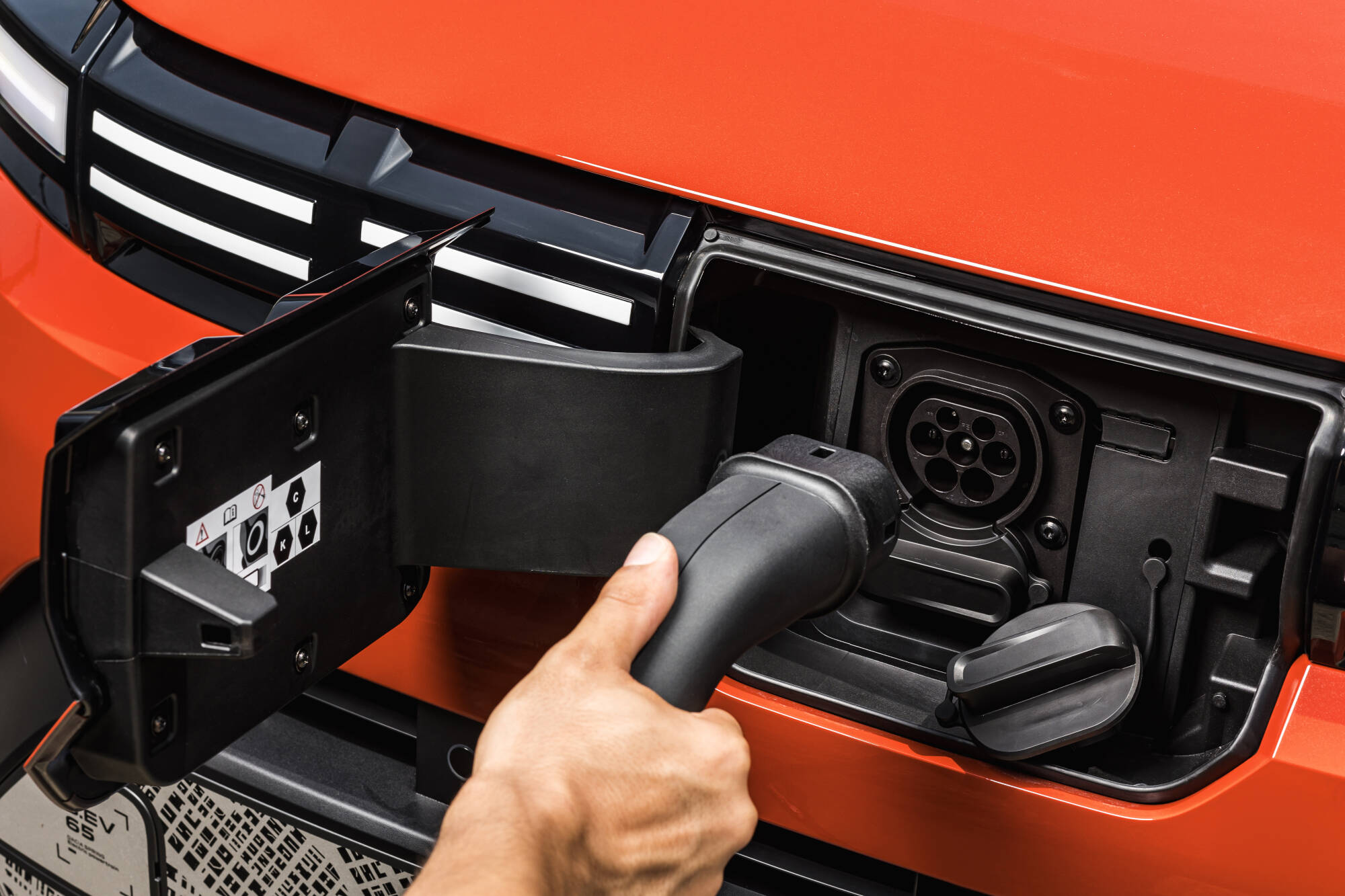
The Dacia Spring achieves just one star in the 2021 Euro NCAP safety tests. Protection of the legs, chest and neck is inadequate in frontal collisions. The car also performs poorly in side impacts. After an impact, the doors are difficult to open. The passenger compartment itself remains intact. This affordable electric city car does not offer the safety level of a modern car. You are entitled to expect more from a contemporary vehicle. Discover where the specific weaknesses lie and whether this car could still be an option for you.
How safe is the Dacia Spring in a frontal crash
In a frontal collision, the Dacia Spring performs disappointingly. Protection for adult occupants is insufficient. Euro NCAP rates occupant protection at 49 percent. The driver’s chest protection in particular is a cause for concern. The test results indicate that the impact is not absorbed sufficiently. The risk of serious chest injuries is considerable.
The crash tests reveal further weaknesses. Neck protection for rear-seat passengers is marginal. In a frontal offset test, a six-year-old child receives inadequate neck support. A frontal offset test is a crash test in which the car hits an obstacle at an angle. For a ten-year-old, protection is not optimal either. Children on the rear seat are especially vulnerable. This is particularly true in frontal collisions.
Accessibility after a crash is also a problem. This is a risk factor. High forces are required to open the doors after an impact. This makes rescue operations more difficult. Rapid evacuation is essential in emergencies. The structure of the passenger compartment itself remains reasonably intact.
What are the weaknesses in the crash tests
The crash tests reveal several shortcomings. These explain the low safety score. Chest protection in frontal impacts is weak. In addition, the Dacia Spring also scores mediocrely in side impacts. Chest protection is marginal there as well. A side impact brings major risks.
The Spring has few safety features. This means the car only has a minimal level of equipment such as airbags and driver assistance systems. The vehicle does have an automatic emergency braking system. However, it only responds to other vehicles. Cyclists and pedestrians are not detected. As a result, the system falls short precisely in urban traffic. This is striking. The car is primarily intended for city use.
A few specific weaknesses from the crash tests:
- Insufficient protection of chest and legs in frontal collisions
- Marginal neck protection for children in oblique frontal collisions
- Weak protection for vulnerable road users. The score is just 21.3 points.
- No multi-collision braking system to prevent secondary accidents
- High forces required to open doors after impact
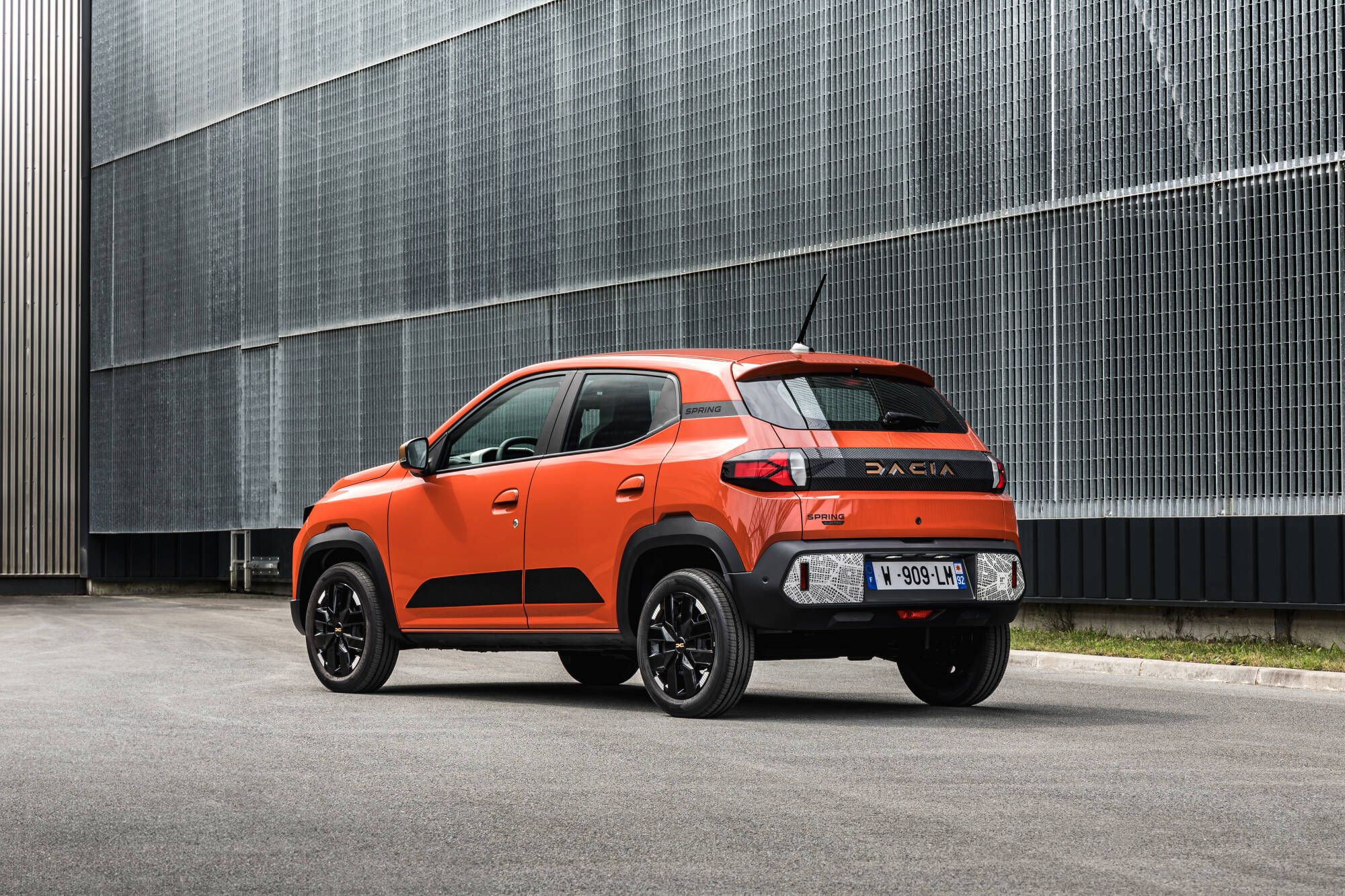
Limited protection for vulnerable road users
Protection for pedestrians is disappointing. Protection for cyclists is also inadequate. Euro NCAP awards the Spring just 21.3 points in this category. This score is marginal. In a collision with a pedestrian, the front of the car provides too little cushioning. This can lead to serious head injuries.
The lack of detection systems for cyclists and pedestrians could have been avoided. The Spring is mainly used in the city. These road users are present there in large numbers. The automatic emergency braking function only brakes for other vehicles. As a result, near-misses with cyclists occur regularly. This is evident from user experiences on online forums.
The Spring’s light weight contributes to agility. The low weight also helps with efficient energy consumption. However, it offers less protection in collisions. The car weighs just 979 kilograms. This makes it more vulnerable in collisions with heavier vehicles. Some owners warn that they feel unsafe at higher speeds. This is especially the case on main roads.
Should you avoid the Dacia Spring because of its safety scores
Whether you should avoid the Spring depends on how you use it. It also depends on your priorities. For short trips in the city the risk is more limited. You are mostly driving at low speed. For longer distances on main roads, the risk is higher. The minimalist construction is optimised for low costs and urban use. The car is not designed for maximum crash safety.
Do you mainly use the car on your own for commuting on quiet city routes? Then the Spring can be a workable option. For families with children, the one-star rating is a serious concern. It is also an issue for regular motorway use. Many owners mainly use the Spring as a second car. They do not use it as their primary family car.
It is sensible to base your decision on the following factors:
- Do you mainly use the car in the city? Do you drive at low speeds there?
- Do you often drive with passengers or children on board
- Have you considered alternatives with higher safety scores? Are there models that perform better?
- Is the low purchase price attractive for your situation? Does it outweigh the safety risk?
Owners who prioritise safety often make a different choice. They opt for models with at least four stars. The Spring is mainly attractive to buyers who consciously weigh price against safety. This car has its limitations and buyers are aware of that.
‘ This approach does come at the expense of safety features. ’
Contrasting environmental performance of the Spring
The safety score is disappointing. By contrast, the Spring performs excellently in environmental terms. In the 2025 Green NCAP tests the 48 kW version achieves five stars and a score of 100 percent. Green NCAP is an independent test that assesses the environmental performance of cars. Consumption in urban use is between 11.7 and 15 kWh per 100 kilometres. kWh stands for kilowatt-hour and is the unit used to measure electricity consumption. This consumption is exceptionally low for an electric car.
The Spring has low life-cycle emissions of 90.4 grams CO2-equivalent per kilometre. This makes the car attractive for environmentally conscious city dwellers. The car produces no exhaust gases. This contributes to better air quality in urban areas. The car is interesting for anyone mainly looking for a green mobility solution.
The Spring is derived from the Renault Kwid and City K-ZE. These models were developed using frugal engineering. Frugal engineering is a design approach focused on extreme cost savings. This approach keeps costs down. However, it does come at the expense of safety features. The 27.6 kWh battery is relatively small. This contributes to the low weight. It also helps with low energy consumption. At the same time, it contributes to the limited protection in collisions.
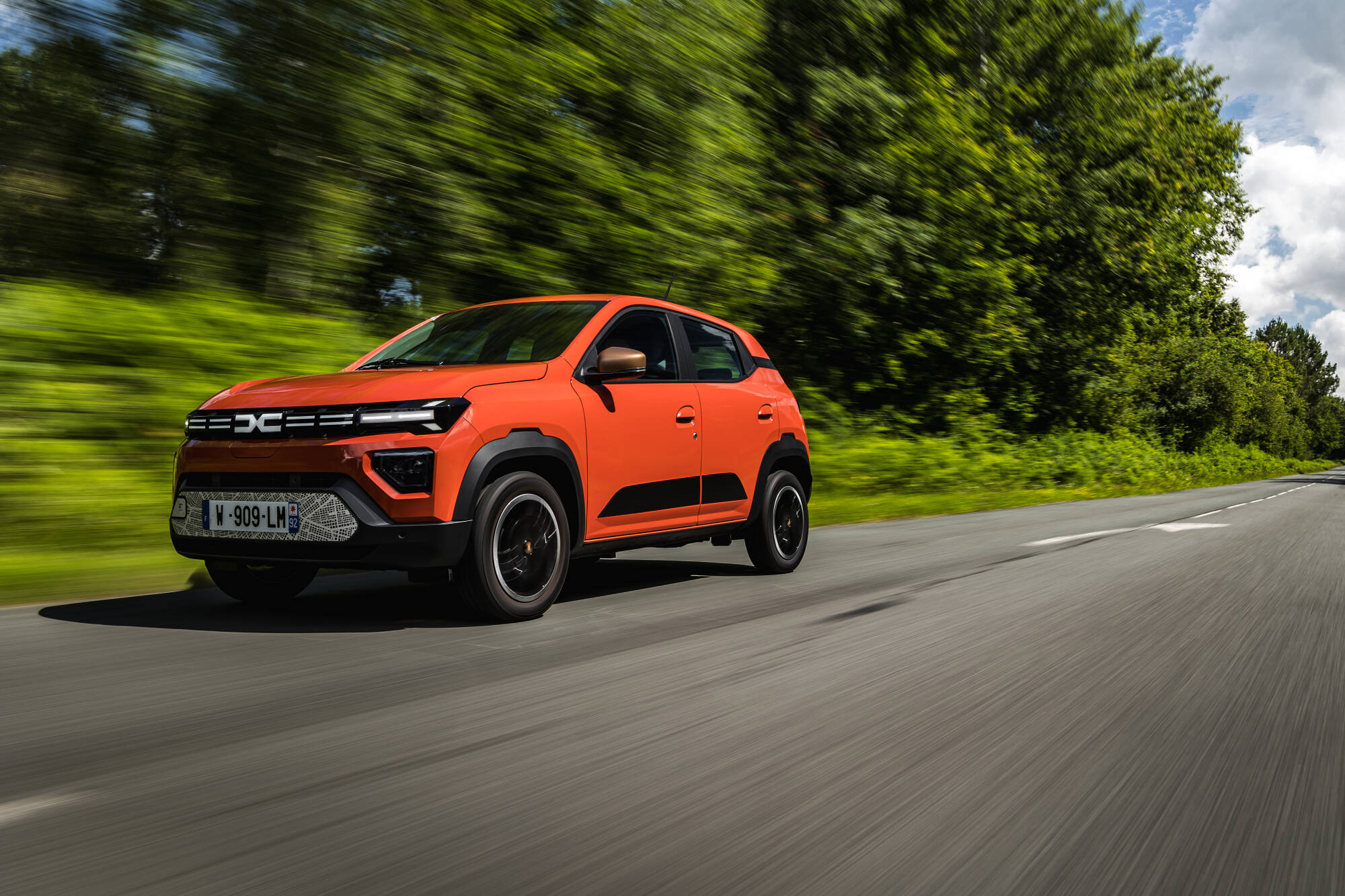
Practical tips for owners and potential buyers
Do you already own a Spring? Or are you thinking of buying one? There are a few practical points to bear in mind. During a test drive, thoroughly test how the doors open. That way you will know how much force is required. This gives you insight into the structural design. It helps you gauge how accessible the car is in emergencies.
Always activate the cabin heating function in cold weather. You can programme this function in advance. The PTC heater is slow. PTC heating is electric heating that draws energy from the battery to warm up the car. The footwell stays cold for a long time. This can be distracting while driving. By preheating while the car is still plugged in, you can save battery capacity. You also increase comfort.
Where possible, choose higher trim levels. Opt for better assistance systems. Trim levels are the different versions of a car model with increasingly more options. Assistance systems are technologies such as brake assist and lane-keeping systems that support safety. The basic version is minimal. Some trims offer additional support. This increases safety to some extent. Preferably keep the car within the city. There, its light weight offers advantages in terms of manoeuvrability. Lower speeds reduce the risks.
Comparison with other models in the segment
Within the segment of affordable electric city cars there are several options. There are alternatives with higher safety scores. Models such as the Renault Zoe and the Peugeot e-208 perform significantly better in Euro NCAP tests. Euro NCAP is an independent organisation that tests the crash safety of new cars and awards a star rating. These models achieve four or five stars. These cars offer a more extensive safety package. They provide better protection in crashes. They are also more expensive to buy.
The Spring mainly stands out because of its low price. Its minimalist concept is also a distinguishing feature. For buyers looking for an entry-level model, the Spring is a logical choice. These buyers consciously forgo advanced safety systems. Advanced safety systems include modern technologies such as blind spot monitoring and adaptive cruise control. For those who prioritise safety, other considerations apply. Alternatives with higher scores are definitely worth considering.
The one-star rating does not mean that the Spring is immediately unsafe in all situations. However, protection does lag behind modern standards. Modern standards typically require at least four stars nowadays. Daily use often takes place in calm city traffic. In those situations, the risks are manageable. At higher speeds, the limitations become more apparent. With passengers on board, the limitations are also more clearly visible.
‘ Ultimately, it comes down to how much you want to spend and what level of safety you expect in return. ’
Discover more about car safety and model comparisons
The Dacia Spring illustrates the trade-off between affordability and safety in today’s car market. Ultimately, it comes down to how much you want to spend and what level of safety you expect in return. On the Carnews website you will find extensive information about other models. You can also find information there about safety tests. In addition, there are practical tips for car enthusiasts. Are you unsure about a purchase? Do you want to know more about specific car problems? There is a lot more to discover. You can read more about the cars that interest you.
Frequently asked questions
Euro NCAP found weak chest protection for the driver in frontal collisions in the Dacia Spring and only marginal chest protection in side impacts. Neck protection for children (especially the 6-year-old dummy) in a frontal offset collision was also disappointing. In addition, pedestrian protection is only marginal and the AEB system brakes only for vehicles, not for cyclists or pedestrians. Finally, after a collision the doors require relatively high forces to open, which can complicate rescue operations.
The low Euro NCAP rating points to limited protection in common accidents, such as frontal and side impacts, which increases the likelihood of serious injury to occupants. In particular, the driver’s chest protection and children’s neck protection in frontal collisions are inadequate, which can lead to more severe injuries in real-world crashes. In addition, doors are difficult to open after a collision, extending rescue time in emergencies. The lack of effective emergency braking systems for pedestrians and cyclists further increases risk in busy city traffic, where such scenarios are especially common.
The crash safety of the Dacia Spring is significantly worse than that of many other (budget) EVs in a similar price range, as evidenced by its 1-star Euro NCAP score. While competing small EVs and budget cars often achieve 3 to 4 stars, the Spring scores poorly on protection in frontal and side impacts. In particular, chest protection for the driver and the limited effectiveness of driver assistance systems (such as AEB that does not recognise pedestrians or cyclists) put it at a disadvantage. As a result, it is among the least crash-safe choices in its segment.
Dacia has announced that it intends to reinforce the structure of the Spring to improve passive safety in frontal and side impacts. In addition, the seat belt systems and airbag systems are being revised to increase chest and neck protection for occupants. In terms of active safety, Dacia is working on more comprehensive driver assistance systems, including improved AEB functionality and additional assistance systems. These measures are intended to achieve a higher score in a future Euro NCAP test.
Potential buyers and current owners of a Dacia Spring do not need to panic, but they should be aware that the car clearly underperforms in crash safety because of its 1-star Euro NCAP score, especially in frontal and side impacts. Anyone who places a high value on safety would be wise to look at EV alternatives with at least 4 stars, such as the Renault Zoe, VW e-Up/Skoda Citigo e iV, or a used Hyundai Kona Electric/Kia e-Niro. For purely urban solo use and low speeds, the Spring can be a defensible choice, but it is less suitable as a family car or for frequent motorway driving. So consider your usage pattern carefully: lots of motorway miles and frequent passengers mean you are better off choosing a safer alternative.