
Multiple dashboard warning lights that stay on often indicate electrical faults or sensor errors. These can usually be solved by reading out the fault codes. This problem is often caused by a weak battery, faulty earth (ground) connections or sticking relays. It occurs regularly with various car brands. How can you solve this effectively without going straight to the garage?
Why do several lights stay on at the same time?
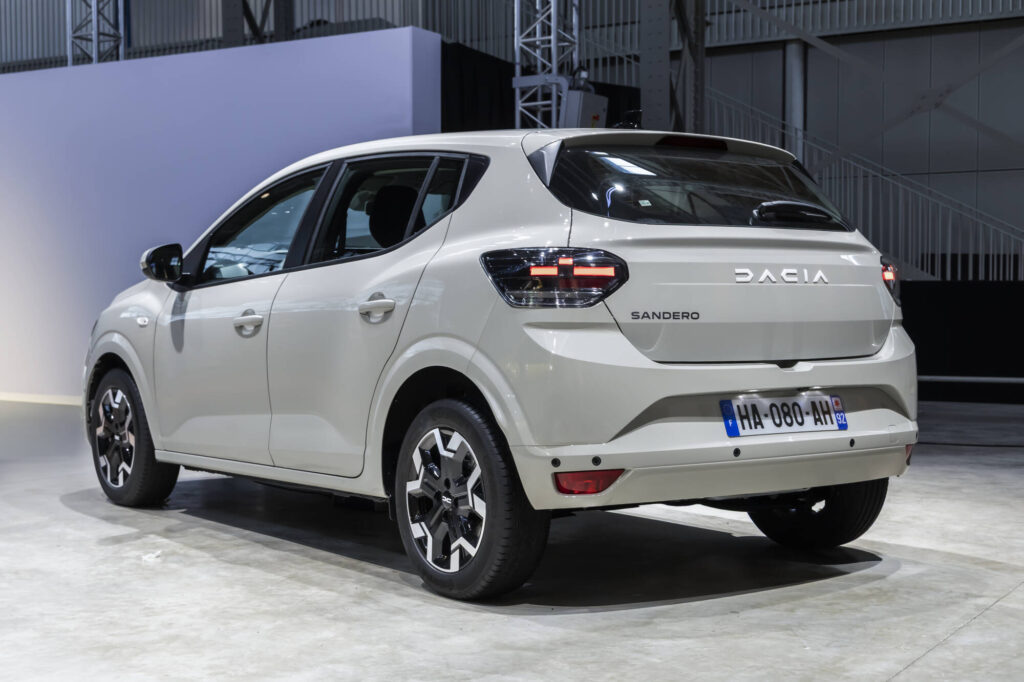
Several warning lights stay on simultaneously. This rarely points to multiple separate problems. The cause is usually in the electrical system that controls all the lights. In the Dacia Sandero from 2022 this occurs relatively often due to the simple 12V system, which is sensitive to voltage fluctuations.
A weak or almost flat battery supplies just enough power for the lights. Heavier systems such as the starter motor do not get sufficient power. As a result, warning lights stay on while the engine does not start or barely starts. This explains why owners see multiple lights without anything actually being wrong with the airbag, engine management or other systems.
Besides battery problems, poor earth (ground) connections can also be the cause. Current then looks for alternative routes. This mainly happens when there is corrosion on battery terminals or at earth points under the bonnet. The current then continues to flow through lights, even when the ignition is off.
Common causes of dashboard lights that stay on
Most cases of dashboard lights that stay on have a few common causes. By checking these points systematically, you can often solve the problem yourself.
Flat or weak battery
The battery is the most common culprit. After standing still for a long time, the battery no longer delivers sufficient voltage. A faulty alternator (the part that charges the battery while driving) can also mean the battery is no longer being properly charged. Measure the voltage with a multimeter: a healthy battery delivers at least 12.6 volts with the ignition switched off. Anything below 12 volts means it needs charging or replacing.
Earth and grounding problems
Corrosion on earth connections disrupts the current flow (the route that the electrical current follows through the car). Check the following points:
- Negative battery terminal and the connection to the bodywork
- Earth cable between engine and chassis
- Grounding points at the fuse box
- Contact points in door locks and switches
Clean corrosion with contact cleaner or a solution of baking soda and water. Good contact often immediately restores correct operation.
Faulty relays or dirty fuses
A sticking relay for dashboard lighting keeps lights on constantly. The relay is usually in the fuse box under the dashboard or near the battery. Pull the relay out and check whether the lights go out. If they do, you can replace the relay for about 10 euros.
Fuses can make poor contact due to dirt or moisture. Remove fuses one by one, clean the contact points and refit them. This simple maintenance prevents many electrical faults.
Broken door or light switches
A faulty door switch in the door lock registers that the door is still open, causing interior lighting and some warning lights to stay on. Test this by pressing the switch manually with a pen. If the lights then go out, the switch needs to be replaced.
Electrical leakage current
Damaged wiring at the alternator (generator that produces current), the ignition switch (the lock you turn the key in) or other components that draw a lot of power causes leakage current (unwanted current loss). This leads to a rapidly draining battery and lights that stay on. You measure leakage current with an ammeter between the negative terminal and the battery cable with the ignition switched off. Anything above 50 milliamps indicates leakage.
How do you read fault codes on the Dacia Sandero?
For a thorough diagnosis you need an OBD2 scanner (a device for reading fault codes from the onboard computer). These devices cost between 20 and 100 euros and are compatible with almost all cars from 2001 onwards. Plug the scanner into the OBD port, usually under the steering wheel to the left of the accelerator pedal.
Follow these steps to read out the codes:
- Switch on the ignition without starting the engine
- Connect the scanner and wait until it connects
- Select ‘Read Fault Codes’ or ‘Read Codes’
- Write down all codes that start with P, B, C or U
- Look up the meaning of the codes in the manual or online
Fault codes are divided into different system categories. Codes starting with P concern the engine and exhaust. B codes are about body electronics such as airbags and sensors. C codes point to chassis systems. U codes relate to communication errors between modules. After solving the problem you can clear the codes using the scanner.
Many Sandero owners report that fault codes often point to sensor faults that disappear after resetting the battery. To do this, first disconnect the negative terminal, wait 15 minutes and reconnect it. This resets the onboard computer and can remove false warnings.
When are warning lights urgent?
Not all dashboard lights require immediate action, but some warnings must be taken seriously. A red oil pressure or temperature light means you must stop immediately. Continuing to drive risks serious engine damage within a few kilometres.
The red brake warning light also requires immediate checks. This may indicate too little brake fluid or faulty brakes. Test the brakes carefully and do not drive on if they feel spongy or respond poorly.
Amber or yellow lights are warnings that you should not ignore, but they do not always require you to stop immediately:
- Engine management light: have it checked within a week, unless the engine runs strangely
- Airbag light: airbags may not work in an accident, drive carefully to the garage
- ABS light: the brakes still work, but without anti-lock function
- Tyre pressure light: check the pressures as soon as possible
When several lights come on at once without an obvious cause, the urgency depends on how the car behaves. Does the engine start normally and does it drive as expected? Then it can often wait until you have checked the battery and earth connections. Does the car behave strangely or start poorly? Then have it read out at a garage straight away.
‘ On average, a battery lasts five to seven years; after that its capacity decreases rapidly. ‘
Practical tips to prevent electrical faults
Regular maintenance of the electrical system prevents many problems. Check the battery voltage monthly, especially on older cars or after periods of standing still. On average, a battery lasts five to seven years; after that its capacity decreases rapidly.
Clean the battery terminals and earth connections annually with a wire brush and coat them with battery grease or petroleum jelly. This protects against corrosion and ensures good electrical contact. Also check that cables are firmly attached and not frayed.
For long-term storage, for example in winter, it is best to remove the fuse for small consumers or use a trickle charger. This prevents the battery from draining due to small consumers such as the clock or alarm system.
Regularly drive longer distances to charge the battery properly. Short trips of only a few kilometres do not give the alternator enough time to fully recharge the battery, which in the long run leads to discharge.

What to do if you can’t solve it yourself?
If dashboard lights stay on after checking the battery, earth points and fuses, professional diagnosis is needed. A garage has advanced scanners that can look deeper into the systems than cheap OBD2 devices.
The cost of diagnosis is between 50 and 150 euros, depending on the garage and the time required. With complex electrical faults, fixing the problem can be more expensive, especially if wiring has to be replaced or modules are defective.
Always ask for a diagnosis with a cost estimate before repairs are carried out. Many faults such as sensor or relay defects are relatively cheap to fix, while other problems such as defective power steering modules can cost hundreds of euros.
Bear in mind that for airbag warning lights the garage must perform a specialised reset after repair. You cannot reset these systems yourself for safety reasons.
Discover more about car problems on Carnews
Dashboard lights are just one of the many electrical and mechanical issues that can occur with modern cars. On the Carnews website you will find extensive information about faults, maintenance tips and practical guides for various car brands and models. Discover more about common car problems and learn how you can carry out many repairs yourself.
Frequently asked questions
Dashboard lights usually have three colours: green/blue (informative, safe to keep driving), amber/yellow (warning: you can usually continue driving carefully but have it checked soon) and red (immediate danger: stop safely as soon as possible and switch off the engine). A red oil pressure light, temperature light or brake warning light means you must stop immediately. An amber engine management, tyre pressure or diesel particulate filter light generally means you can continue driving for a short time, but not for long and preferably gently. Always consult your car’s handbook for the exact meaning of each symbol.
Common causes of warning lights staying on are a (nearly) flat or bad battery, poor earth or grounding connections, faulty relays or fuses, broken door or light switches and general electrical leakage current or damaged wiring. You can check the battery yourself (measure voltage, clean terminals), clean and tighten the earth and battery points, visually check the fuses and relays in the fuse box and swap them if necessary, and test door switches by pressing them manually. You can also use a simple OBD2 scanner to read fault codes and search more specifically. If a red light (such as oil pressure or coolant) stays on, you must stop immediately and not continue experimenting yourself.
It is necessary to visit a garage immediately if red warning lights stay on, if the car has starting problems or if several lights come on at the same time. If lights stay on after driving or after a battery reset, professional checks are also needed. A professional can make diagnoses such as a weak or faulty battery, problems with the alternator or charging circuit, poor earth or grounding, or faulty relays, fuses and sensors. In addition, they can use an OBD scan to read fault codes and test components to determine the exact electrical or mechanical fault.
Prevent future problems with dashboard lights by having regular maintenance carried out: timely oil and filter changes, checks of the battery, alternator, fuses and earth connections. Also have the electronic system read out during services so that early faults (sensors, diesel particulate filter, airbag) are detected in time. Drive with gentle acceleration, keep revs and speed within the recommended limits and avoid only making short trips, so that the battery and diesel particulate filter remain healthy. React immediately to warning lights and do not continue driving for long with red or flashing lights illuminated.
Yes, with a simple OBD-II scanner you can read out the car’s fault codes yourself, as long as your car has an OBD-II connection (virtually all cars from around 2001 onwards). The scanner then shows fault codes (e.g. P0xxx) that you can look up online or in the manual to see which sensor or system is reporting problems. Use this information to check or have components tested more specifically (for example battery, sensors, earth connections) instead of randomly replacing parts. If a serious light (red or flashing) remains on or you do not understand the code, have the car read out and repaired further by a garage.