
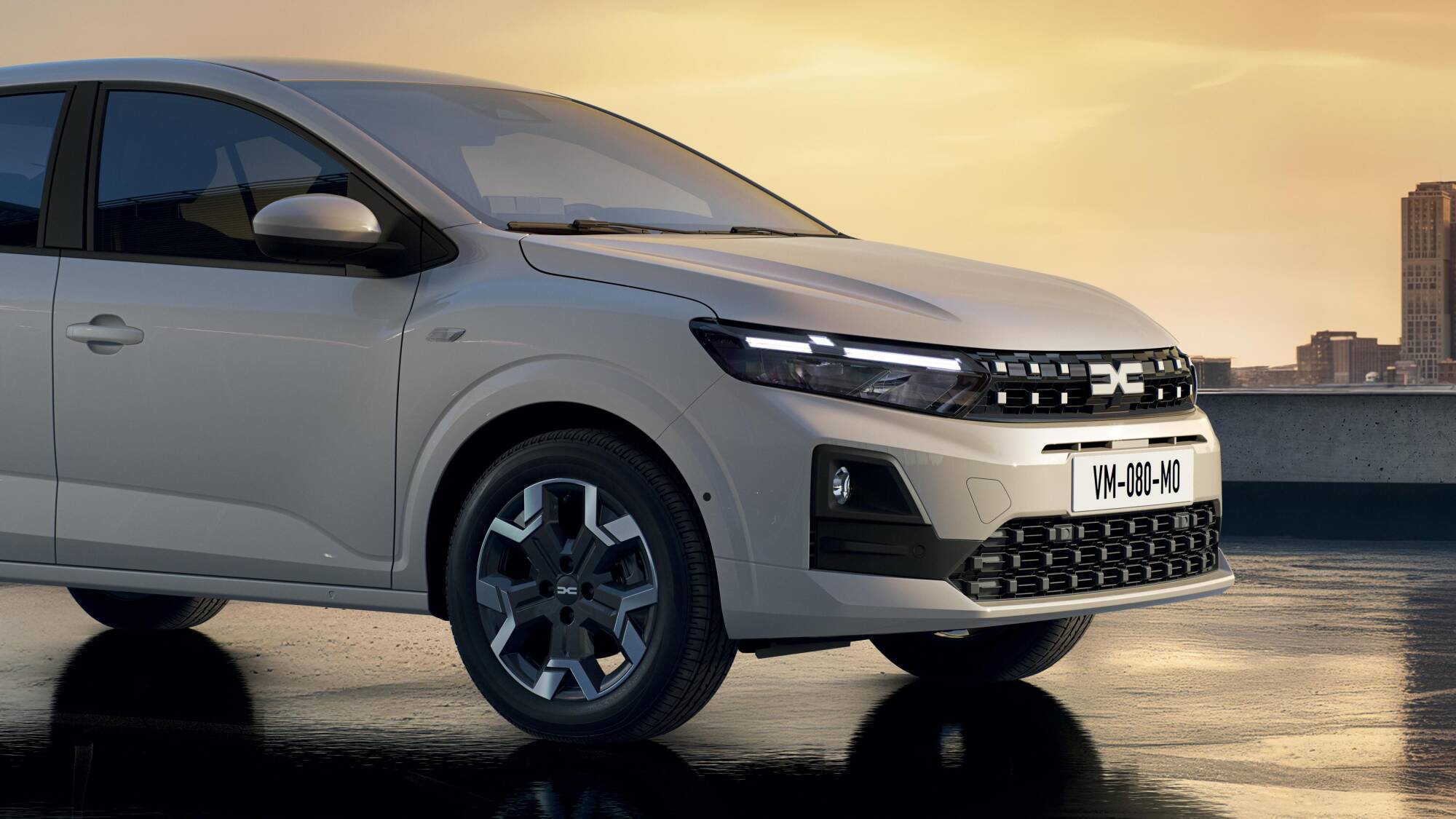
Exhaust and catalytic converter corrosion is a common problem with the Dacia Logan MCV. The main cause is insufficient protection against moisture and road salt. Rust can lead to leaks, reduced performance and high repair costs. In this article you will read how to recognise corrosion in time, which symptoms point to catalytic converter problems, and what you can expect in terms of prevention and repair.
Why is the Logan MCV exhaust system prone to rust?
The exhaust system of the Dacia Logan MCV is particularly vulnerable to corrosion. Moisture and road salt are the main culprits, especially during the winter months. These substances accumulate under the vehicle and attack metal components. The protective coating on the exhaust, silencer and catalytic converter is often thinner than on more expensive models, so rust takes hold more quickly.
Short journeys make the problem worse. The exhaust then does not reach a temperature at which moisture fully evaporates. Condensation remains in the system and accelerates corrosion from the inside. This makes the Logan MCV particularly vulnerable for owners who mainly drive around town or regularly leave the car parked up for a few days.
‘ Changes in sound also point to problems. ’
How do you recognise exhaust corrosion on the Dacia Logan MCV?
Rust on the exhaust is often visible. Look under your car for brown or orange discolouration on the exhaust pipe, silencer and catalytic converter. Also look for holes or flakes in the metal. These are clear signs that corrosion has developed.
Changes in sound also point to problems. A loud roaring or rattling noise while driving indicates a leak in the exhaust system caused by rust holes. Sometimes you hear a ticking noise on a cold start. This may indicate a leak at the joints. A constant hissing noise while driving is also suspicious.
A visual check is easy to carry out. Park your car on a flat surface and use a torch to look underneath the vehicle. Inspect the entire length of the exhaust for rust spots, cracks or loose parts. Pay particular attention to the welds and connecting points, where moisture most easily accumulates.
Symptoms of catalytic converter problems on the Logan MCV
A faulty catalytic converter manifests itself in several ways. Reduced engine performance is a common sign. The car responds more slowly when accelerating and feels less powerful. A damaged or blocked catalytic converter restricts the exhaust gases. As a result, the engine works less efficiently.
Noticeably higher fuel consumption is also a warning sign. The engine has to work harder to deliver the same performance, which directly results in higher consumption. Some owners report an increase of 10 to 15 per cent in fuel costs before they discover the cause.
Specific smells can also indicate catalytic converter damage. A strong sulphur-like or rotten egg smell from the exhaust indicates a poorly functioning catalytic converter. The converter no longer properly converts harmful substances. Also watch out for:
- A burning smell under the car after driving
- Blue or black smoke from the exhaust
- A lit engine warning light on the dashboard
- A vibrating or uneven-running engine
Causes of catalytic converter corrosion and failures
Corrosion caused by moisture and salt is the main cause of catalytic converter damage on the Logan MCV. The catalytic converter is located under the vehicle and is exposed to spray, mud and road salt while driving. These substances eat through protective layers and cause rust on the housing.
Leaks in the exhaust system speed up the deterioration. If there is a hole somewhere in the exhaust, oxygen and moisture can reach the catalytic converter. This disrupts its operation and accelerates internal damage. The catalytic converter can also overheat due to a poorly running engine.
Excessive fuel consumption due to incorrect engine tuning puts additional strain on the catalytic converter. Unburnt fuel reaches the converter, causing overheating and damage to the ceramic core. Faulty lambda sensors (these sensors measure the amount of oxygen in the exhaust gases) reinforce this effect because the engine no longer maintains the correct mixture ratio.
‘ Ceramic is effective, but also brittle and sensitive to shocks and temperature fluctuations. ’
Material and vulnerability of the catalytic converter
Catalytic converters for the Dacia Logan MCV are usually made from ceramic. This material contains small channels coated with precious metals such as platinum and palladium. These metals convert harmful exhaust gases into less harmful substances. Ceramic is effective, but also brittle and sensitive to shocks and temperature fluctuations.
The metal housing around the ceramic core is prone to corrosion. If the protective layer is damaged, moisture penetrates and the rusting process starts. Once started, rust spreads quickly. The housing can disintegrate and expose the ceramic core to even more moisture and dirt.
Costs of exhaust repair and catalytic converter replacement
The cost of replacing a catalytic converter on the Dacia Logan MCV varies considerably. Prices range between 188 and 928 euros, depending on the type of part. Original parts are more expensive but often offer better quality and a longer service life. Aftermarket alternatives are cheaper but may wear out more quickly.
Labour costs are added on top. A garage typically charges 1 to 2 hours for replacing a catalytic converter, which comes to 75 to 150 euros in labour. Add any costs for new mounting materials and gaskets, and the total bill quickly rises to 300 to 1100 euros.
Replacing a silencer or exhaust pipe due to corrosion is cheaper. A silencer costs between 50 and 200 euros, and fitting usually takes less than an hour. Replacing a complete centre silencer or front pipe can cost between 150 and 350 euros together.
Prevention and maintenance against corrosion
Regular checks are the best protection against serious corrosion damage. Inspect your exhaust system at least twice a year for rust spots, cracks and loose parts. Do this especially after winter, when road salt has caused the most damage.
Clean the underside of your car regularly to prevent a build-up of salt and dirt. A thorough wash with special attention to the wheel arches and underside helps slow down corrosion. Many car washes offer an underbody wash, which is especially worth the investment in the winter months.
Take longer journeys to allow the exhaust to dry out properly. On short trips, condensation remains in the system. A drive of at least 20 minutes brings the exhaust up to temperature and allows moisture to evaporate. This significantly extends the service life of all exhaust components.
Have the engine tuning checked if you suspect the engine is using too much fuel. A properly tuned engine protects the catalytic converter from overload. Replace lambda sensors and air filters on time according to the maintenance schedule. This prevents the catalytic converter from being overloaded due to an incorrect fuel–air ratio.
‘ Do not wait too long, because small leaks quickly grow into bigger problems. ’
When should you go to the garage?
Go to a garage as soon as you hear strange noises from the exhaust or discover visible rust holes. Do not wait too long, because small leaks quickly grow into bigger problems. Timely repair prevents you from having to replace the entire exhaust system.
If performance drops or fuel consumption increases, a diagnosis is necessary. The garage can use special equipment to check whether the catalytic converter is still functioning properly. They can also measure the exhaust gases to see whether too many harmful substances are being emitted.
Also have the car checked if the engine warning light comes on. This may indicate a problem with the catalytic converter or lambda sensors. A quick diagnosis prevents further damage and saves costs in the long term.
More information about the Dacia Logan MCV
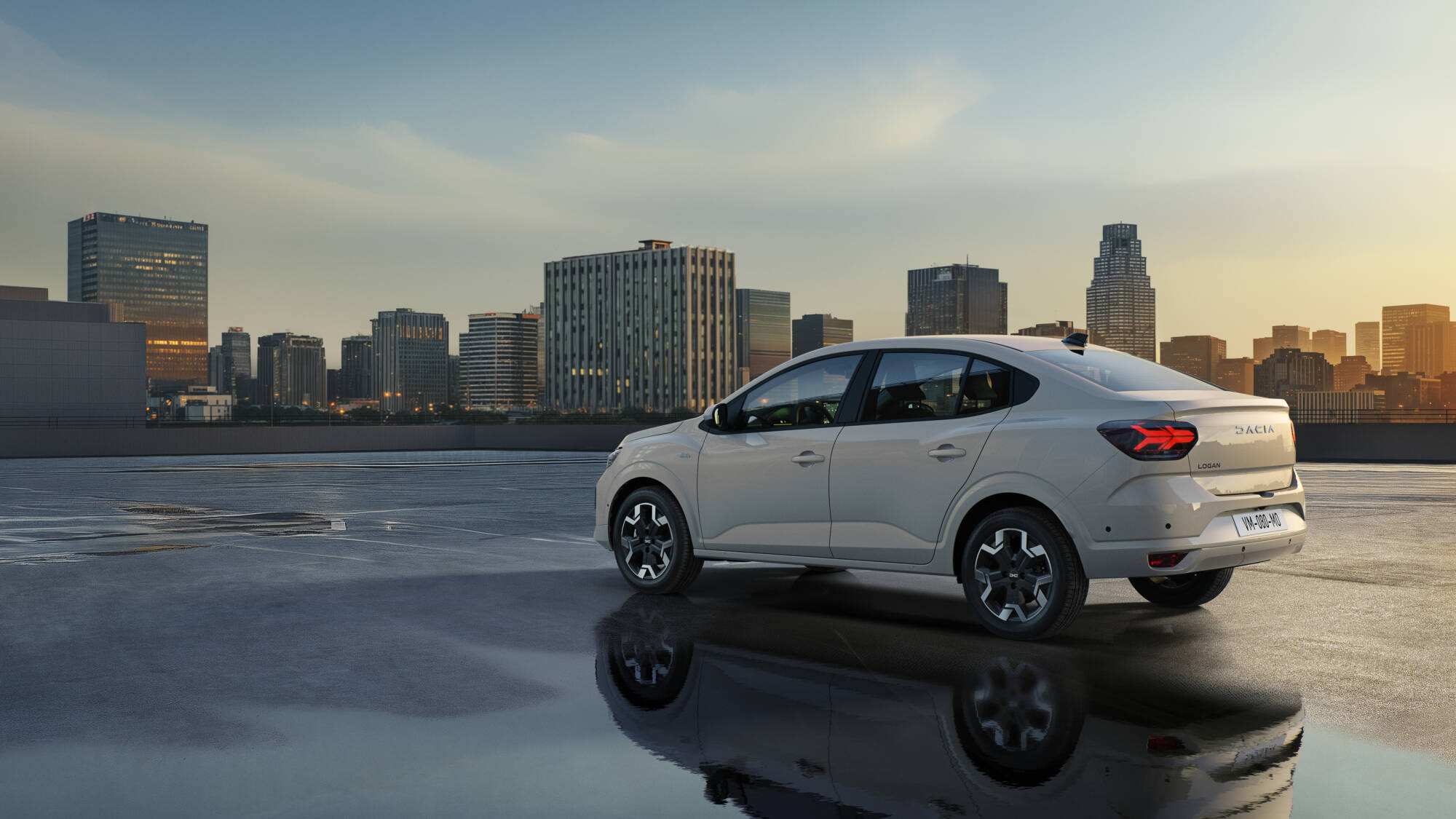
On the Carnews website you will find extensive information about the Dacia Logan MCV and other car models. Discover more articles on common problems, maintenance tips and practical experiences from owners. Explore the website and stay up to date with everything you need to know as a car enthusiast.
Frequently asked questions
On the Dacia Logan MCV, exhaust and catalytic converter corrosion is a recurring problem because the exhaust system is heavily exposed to moisture and road salt, especially in winter, which speeds up rust formation. The (ceramic) catalytic converter used and the material of the exhaust components are sensitive to these influences and are therefore more quickly affected. In addition, leaks in the exhaust system and a poorly tuned engine (with excessive fuel consumption) put extra strain on the catalytic converter and accelerate failures. This results in a combination of material choice, environmental influences and engine-related factors that repeatedly lead to corrosion problems.
Early signs of corrosion on the exhaust or catalytic converter of a Dacia Logan MCV include initial rust spots, slight leakage noises when accelerating and a gradual drop in engine performance or an increase in fuel consumption. You may also notice a duller or changed exhaust note. If ignored, corrosion can develop into leaks, loss of catalytic converter function and MOT failure. Ultimately this can lead to costly replacement of the catalytic converter and possibly further engine damage.
Having the exhaust system visually inspected on a regular basis and having minor leaks or damage repaired in good time prevents accelerated deterioration. During the winter period, rinse the underside of the car (including the exhaust) regularly to remove accumulated salt and moisture. Make sure the engine is well maintained and correctly tuned, so that there is no excessive fuel consumption or unburnt fuel entering the exhaust. Preferably park in a dry place so that condensation and moisture have less chance to remain in the exhaust system and cause rust.
With a corroded exhaust on a Dacia Logan MCV, the affected section or the entire exhaust section is usually replaced; welding or temporary sealant repairs only make sense in the case of light, surface rust or a small leak. For the catalytic converter, you almost always opt for replacement, because internal damage or severe corrosion cannot be reliably repaired and the emission values have to be correct. Repair (for example welding flanges or pipe sections) is only an option if the catalytic converter itself is still functioning properly and the corrosion is local and limited. In the case of a rusted-through housing, persistent fault codes or loss of power, full replacement is the best choice.
Yes, there are aftermarket exhausts and catalytic converters available for the Dacia Logan MCV that often use better corrosion-resistant coatings and materials than some original parts. These versions vary greatly in price and quality, from budget options to premium stainless-steel or additionally coated systems. The product description usually states whether there is improved corrosion protection. However, it remains important when buying to explicitly pay attention to the type of material and any anti-corrosion coatings.