
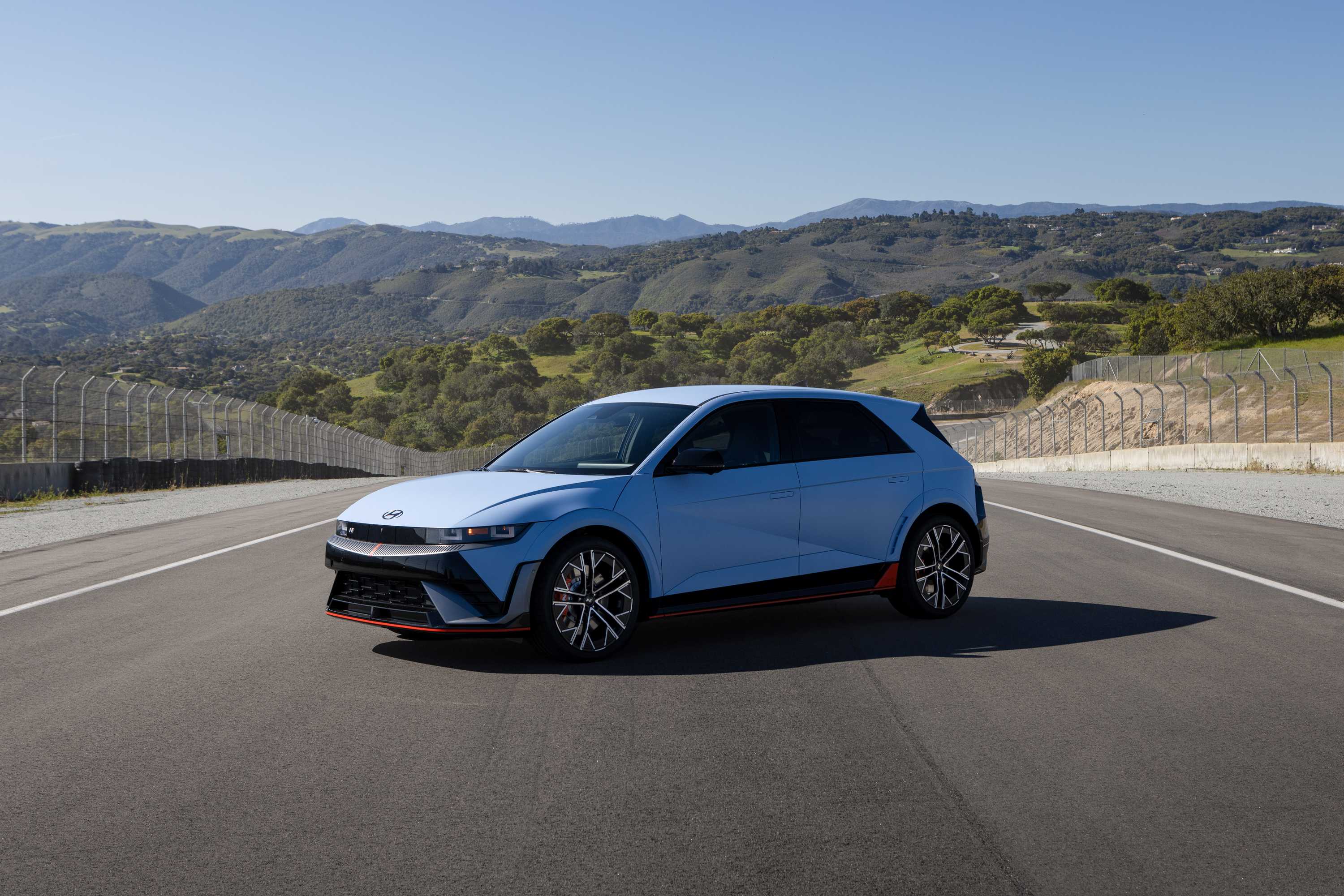
The Hyundai Ioniq 5 often fails to reach the promised 230 kW charging speed, especially in cold weather. Cold batteries, overheated charging ports and faulty charging modules mean that fast charging can be very disappointing. Despite software updates, many owners continue to experience problems. Why doesn’t your electric Hyundai charge as you expect?
Why the Ioniq 5 charges slowly in winter
The Ioniq 5’s battery performs up to 40 per cent worse at temperatures below 21°C. For optimal fast-charging speeds, the battery needs to be at the right temperature. In practice, this means that in winter you often won’t get beyond 100 to 130 kW charging speed, while under ideal conditions the system can reach a peak of 350 kW. On paper, the 800V architecture offers major advantages, but cold conditions largely neutralise this benefit.
Hyundai has acknowledged this problem and released software updates that add a preheating function. When you drive to a fast charger using the navigation, the car automatically activates battery heating. This process takes at least 30 minutes and can be recognised by a snowflake icon on the dashboard. Even so, owners continue to report that charging speeds in the winter months vary widely, both in kW achieved and in total charging time.
For anyone who regularly suffers from car problems with the Hyundai Ioniq 5, it’s useful to know that not all fast-charging issues are immediately visible. Some factors are at play beneath the surface.
‘ Fully charging at 11 kW normally takes 8 to 9 hours; if it drops back to 5.5 kW you’re soon looking at around 16 hours. ’
Overheating of the charging port
Besides issues in cold weather, the Ioniq 5 also suffers from overheating during level 2 AC charging (charging via a normal home or public charge point). This mainly occurs when charging at home or at public AC charging points. Dirt, wear on the charging cable or outdated charging equipment (EVSE) cause poor contact. This creates frictional heat, which makes the charging port too hot and causes the charging session to stop abruptly.
Hyundai has released a software update for the VCMS (a control module for charging). This update was announced via a Technical Service Bulletin (TSB, an official service notice to dealers). The update detects rising temperatures and automatically reduces the charging current from 40A to 23A. This allows charging to continue, but it takes twice as long. Fully charging at 11 kW normally takes 8 to 9 hours; if it drops back to 5.5 kW you’re soon looking at around 16 hours.
Many owners work around this problem by manually lowering the charging speed to 40A or 32A via the settings in the car. This prevents overheating and ensures more stable charging sessions. Also clean the charging port regularly and use high-quality cables to minimise issues.
ICCU module frequently fails
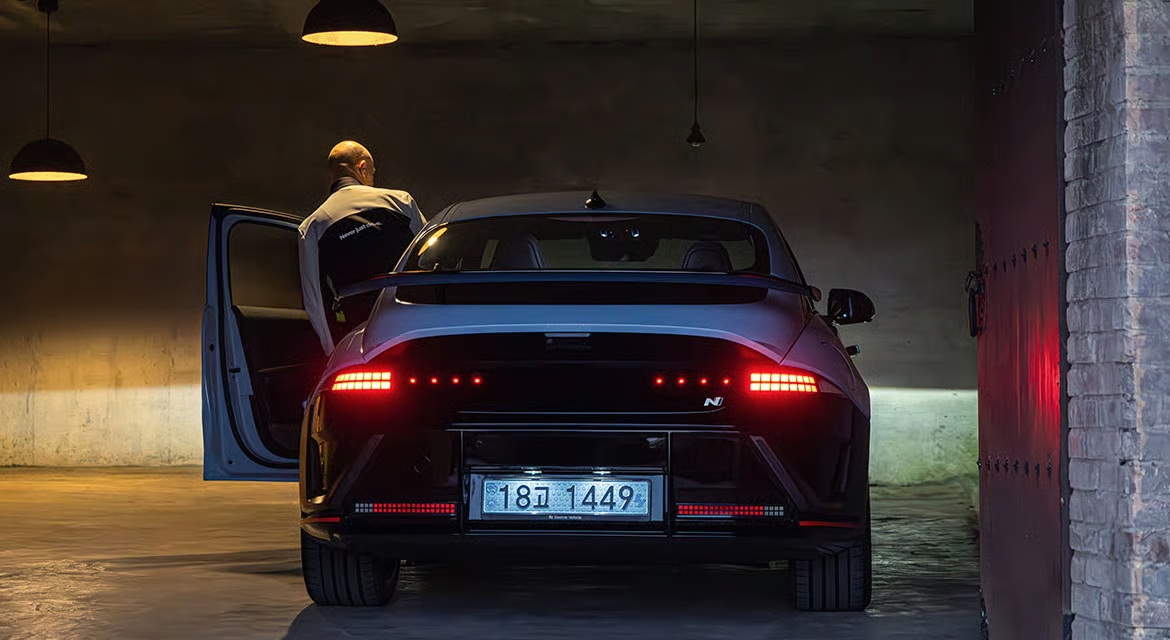
The Integrated Charging Control Unit is a key component that regulates the charging current and converts it into usable energy for the battery. In the first-generation Ioniq 5 this module fails in an estimated 5 to 10 per cent of cars, often after three years or 76,000 kilometres. When the ICCU fails, the car comes to a complete standstill and driving is impossible.
The problem is known to Hyundai and is covered by the warranty. However, waiting times for replacement parts can run to 6 to 10 weeks or more. This makes it an annoying and costly defect for anyone who needs the car on a daily basis. Owners on forums and Reddit report that this failure often happens suddenly, frequently without any clear warning signs.
Keep an eye on warning lights on the dashboard and report problems to your dealer as soon as you notice any irregularities. When planning longer journeys, always have a backup plan so you don’t end up stranded due to an unexpected breakdown.
Tips for achieving maximum fast-charging speed
There are practical steps you can take to improve the charging performance of your Ioniq 5:
- Drive to the fast charger with a low battery level (below 50 to 60 per cent)
- Use the navigation to drive to a charging point so that preheating starts automatically
- Plan at least 30 minutes of driving time before you arrive at the fast charger
- Avoid fast charging straight after a cold night; first drive a fair distance to warm up the battery
- Choose charging points where you have previously had good experiences; not every network offers the same performance
A warm battery after a long drive helps enormously at your next charging stop. Plan your route smartly and combine breaks with moments when the battery is already at temperature. This can save a lot of charging time and reduce frustration on the road.
‘ In practice, owners achieve the best results with Ionity, Fastned and similar networks that are geared towards high-voltage vehicles. ’
Charging network makes a difference to performance
Not every fast-charging network delivers the same performance for the Ioniq 5. The car is built on an 800V architecture. However, it does not benefit from all newer charging stations. Tesla’s V4 Superchargers (the latest generation Tesla fast chargers) are, for example, optimised for low-voltage vehicles like the Cybertruck. These stations supply high current strengths of up to 900A. That does not provide any advantage for the Ioniq 5 with its 800V system.
In practice, owners achieve the best results with Ionity, Fastned and similar networks that are geared towards high-voltage vehicles. Watch out for peak times; busy periods can sometimes lead to lower charging speeds due to network load. The state of maintenance of the charging station also plays a role. Dirty or damaged cables reduce performance and can cause overheating.
Try out different networks and note which stations perform well. That way you build up your own list of reliable charging points for longer journeys.
Software updates don’t solve everything
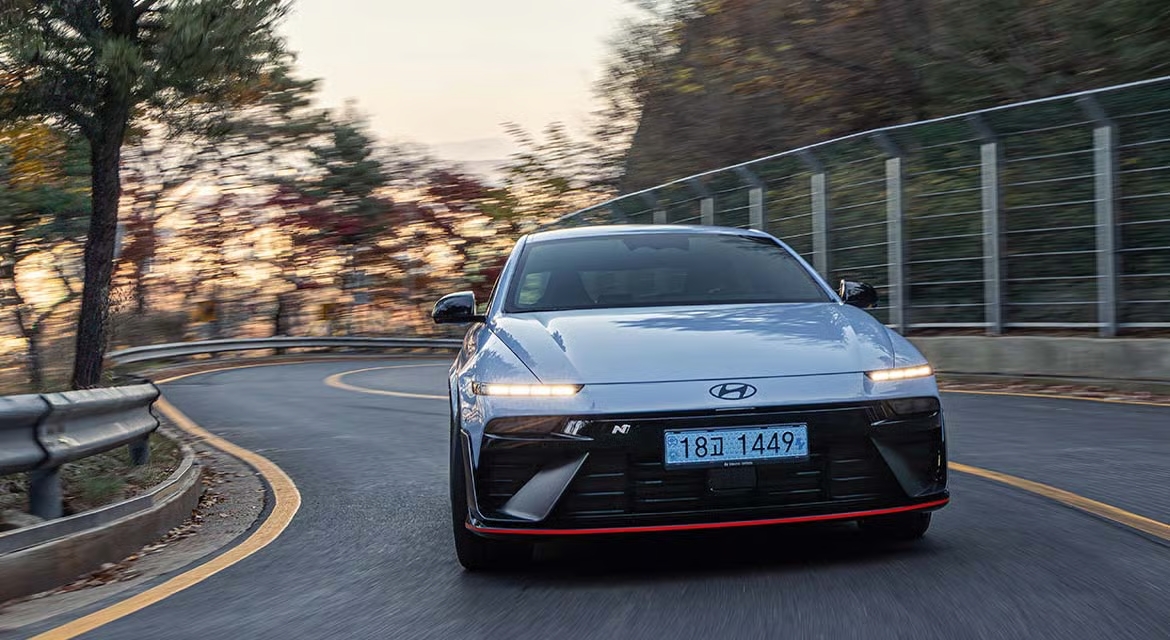
Hyundai is responding to complaints with regular software updates. These are announced via Technical Service Bulletins (TSBs, official service notices to dealers). The updates add functions such as battery preheating and temperature control for AC charging. Even so, many owners continue to report inconsistent charging behaviour, especially in extreme weather conditions.
The updates are a step forward, but they do not fully resolve the underlying hardware limitations. The battery remains sensitive to cold, and the charging port can still overheat if cables or contacts are poor. Always have the latest updates installed by your dealer and keep reporting problems, so Hyundai can identify patterns and make further improvements.
Some owners also report that updates introduce new problems or affect existing functions. Always ask your dealer to explain exactly what an update does before you have it installed.
Practical solutions for everyday use
For everyday use there are some handy measures that improve the charging experience. Install a high-quality wallbox at home with a fixed current of 32A or 40A. This offers more stable charging sessions than variable public AC charge points. Clean the charging port regularly with a dry cloth to prevent dirt and oxidation.
Manually reduce the charging current if you notice that charging is frequently interrupted. Most owners experience hardly any problems at 32A, whereas 48A often leads to overheating. It takes a bit more time, but delivers reliable results.
Also take the age of your charging cable into account. Older cables with wear on the plug or internal wiring cause greater resistance and therefore more heat build-up. Replace cables in good time and invest in quality.
‘ On the Carnews website you’ll find extensive information on electric cars, charging infrastructure and practical tips for solving technical problems. ’
Discover more about electric driving
The Ioniq 5 is a promising electric car with distinctive qualities, but its fast-charging problems require attention and some adjustments to your driving habits. On the Carnews website you’ll find extensive information on electric cars, charging infrastructure and practical tips for solving technical problems. Discover more articles and experiences that help you charge more smartly and get more out of your electric car.
Frequently asked questions
Hyundai Ioniq 5 owners mainly experience problems with overheating of the charging port during AC charging, causing the charging current to be reduced by software and charging sessions to last longer or sometimes fail altogether. During DC fast charging, users complain about highly variable and often lower charging speeds due to (too) cold batteries and limitations of the charging network, meaning fast charging does not always deliver the promised time savings. Another common problem is failure of the ICCU, which can bring the car to a complete standstill and lead to long waiting times for repair. These issues reduce travel convenience especially on longer trips, because drivers need to plan in extra time and margin for charging and potential faults.
The fast-charging problems in the Ioniq 5 are mainly caused by batteries that are too cold or not optimally preconditioned, overheating or poor contacts in the charging port, and known defects in the ICCU module. As a result, charging currents are reduced by software or the charging session stops prematurely. As a workaround, owners can keep the charging port and plug clean, use a quality cable and, during AC charging, lower the amperage (e.g. from 48A to 32–40A). It also helps to route to a fast charger via the navigation in good time for battery preconditioning and to arrive at the charger with a lower state of charge.
The problems with fast charging and the ICCU appear to be relatively widespread, especially in first-generation Ioniq 5 models, with numerous reports of failing ICCUs and interrupted or slowed charging sessions. Hyundai has acknowledged the existence of various charging problems and issued TSBs (Technical Service Bulletins). An important measure is a VCMS software update that reduces the charging current in the event of overheating to allow charging to continue. ICCU failures are generally repaired under warranty, although there are regularly long waiting times due to parts shortages.
Compared with many competing EVs, the Ioniq 5’s raw fast-charging performance (thanks to its 800V architecture) is actually above average, but in practice problems occur more often due to battery temperature, network-specific limitations and the relatively notorious ICCU issue. Whereas other brands mainly suffer from seasonal and charging-network variations, Ioniq 5 drivers also report more structural faults such as ICCU failure and overheating during AC charging, sometimes with long repair waiting times. For buyers who regularly make long journeys and rely heavily on fast charging, this can be a serious concern and potentially a dealbreaker. For drivers who mainly charge at home or at work and are willing to live with workarounds (preconditioning, lower AC currents), it usually does not outweigh the car’s strengths.